Khao Yai is about 200 km northeast of Bangkok and takes roughly 2.5 to 3 hours to reach by car. Two main routes get you there: the older Highway 2 through Saraburi, or the new Motorway 6 (M6) through Bang Pa-in. The national park itself has excellent paved roads, waterfalls, viewpoints, and wildlife. It is the best weekend driving escape from Bangkok.
Contents
Quick Summary
Here is everything you need to plan a Khao Yai road trip from Bangkok.
| Distance | ~200 km (one way) |
| Drive time | 2.5 to 3 hours |
| Best route | Motorway 6 (M6) to Pak Chong |
| Toll cost | ~240 THB each way (sedan) |
| Park entry | 400 THB (foreign adult), 40 THB (Thai) |
| Vehicle fee | 50 THB (car) |
| Park hours | 6:00 AM to 6:00 PM daily |
| Best season | November to February (cool and dry) |
| Fuel | Fill up before leaving Bangkok |
Why Drive to Khao Yai
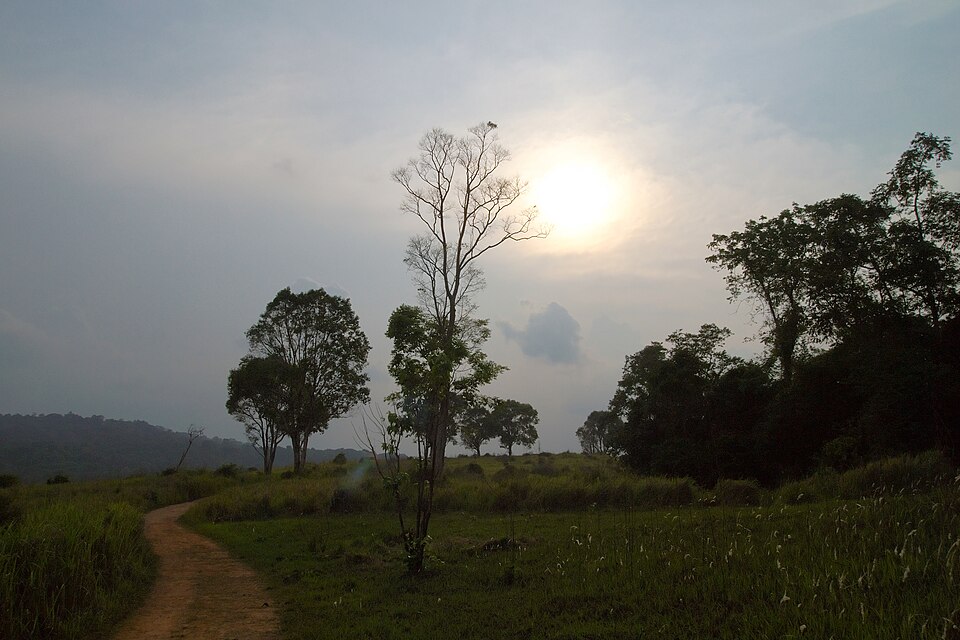
Khao Yai is the closest proper escape from Bangkok. The city is flat, hot, and gridlocked. Khao Yai is the opposite. Rolling hills covered in dense tropical forest, elevations up to 1,350 meters, and temperatures 5 to 10 degrees cooler than Bangkok. It is Thailand's oldest national park, established in 1962, and a UNESCO World Heritage Site covering over 2,000 square kilometers.
For anyone who drives in Thailand, the appeal is obvious. The roads through and around the park are smooth, well-maintained, and full of elevation changes and sweeping curves. You are out of the Bangkok sprawl within an hour and into genuine countryside within two. The last stretch on Thanarat Road (Highway 2090) is one of the most enjoyable drives in central Thailand.
Khao Yai is also surrounded by wineries, farms, restaurants, and boutique hotels that make it more than just a park visit. You can spend a full weekend here without running out of things to do.
Route Options from Bangkok
There are two main routes from Bangkok to Khao Yai. Both end up on Thanarat Road (Highway 2090), which climbs from the town of Pak Chong up to the national park entrance.
Route 1: Motorway 6 (M6) via Bang Pa-in (Recommended)
The fastest and most comfortable option. Take the Bang Pa-in to Nakhon Ratchasima Motorway (M6) from the Bang Pa-in Interchange in Ayutthaya. The motorway is 196 km of divided highway with rest areas every 20 to 30 km. Exit at the Pak Chong interchange and follow signs to Khao Yai National Park via Highway 2090.
Total distance is roughly 200 km. Drive time is about 2 to 2.5 hours without heavy traffic. The motorway has a 120 km/h speed limit and the road surface is excellent. There are 9 toll plazas along the route, and for a sedan the total toll cost is around 240 THB each way.
Route 2: Highway 2 (Mittraphap Road) via Saraburi
The older route. Take Highway 1 (Phahonyothin Road) north from Bangkok through Rangsit to Saraburi, then turn right onto Highway 2 (Mittraphap Road) heading toward Nakhon Ratchasima. At the Km 23 milestone you will pass the Chao Por Khao Yai Shrine, then follow signs to the park.
This route is around 205 km and takes 3 to 3.5 hours. The road passes through towns with traffic lights and slower speed zones, which adds time. The upside is that you avoid motorway tolls. It is also the more scenic option, with roadside markets and local shops along the way.
Which Route to Take
Take the M6 motorway if you want to get there fast and start your day early. Take Highway 2 if you want a slower drive with stops along the route. For a weekend trip, a good strategy is to take the motorway out on Saturday morning and return via Highway 2 on Sunday afternoon, stopping for food and shopping on the way back.
Toll Fees and Fuel
The M6 motorway charges tolls at 9 plazas along the route. For a standard sedan, the rate is 10 THB entry plus 1.25 THB per kilometer, with a cap of 240 THB for the full Bang Pa-in to Nakhon Ratchasima run. Six-wheeled vehicles pay up to 380 THB. Payment is cash or Easy Pass (RFID transponder).
If you take Highway 2 instead, there are no motorway tolls. You will still pay Bangkok expressway tolls (25 to 75 THB) to get out of the city.
For fuel, fill up before leaving Bangkok. Shell, PTT, and Esso stations are everywhere in the city and along the first half of the motorway. Once you pass Pak Chong and head into the park area, stations become less frequent. If you are driving a Porsche or any performance car, stick to Benzin 95 (ULG 95) or Benzin 95 E10. Avoid anything below 95 octane.
Driving Inside the Park
Once you reach the Khao Yai National Park entrance, you pay the entry fee (400 THB for foreign adults, 200 THB for children 3 to 14, 40 THB for Thai adults) and a vehicle fee (50 THB for a car). The park is open from 6:00 AM to 6:00 PM daily. You must be out of the park by closing time.
The main road through the park is Highway 3077, which is paved, well-maintained, and does not require a 4WD vehicle. The road winds through dense tropical forest with frequent elevation changes. Speed limits inside the park are low, typically 40 to 60 km/h, and for good reason. Wildlife crosses the road regularly, including wild elephants, deer, and monkeys.
If you see an elephant on the road, stop the car, turn off the engine, and wait. Do not honk, flash your lights, or try to drive around it. Elephants have right of way here and they are not in a hurry. Encounters are rare during the day but more common at dawn and dusk.
The roads inside the park are genuinely enjoyable to drive. The canopy overhead keeps the surface cool and shaded. The curves are well-banked and the gradients are moderate. It is a different experience from the flat, straight highways around Bangkok.
Top Stops Along the Way
The Khao Yai area (the town and surroundings, not just the national park) has dozens of attractions clustered along Thanarat Road and the surrounding countryside. Here are the highlights worth pulling over for.
Farm Chokchai
A working dairy farm with guided tours, milking demonstrations, and a rodeo show. It is a proper working farm, not just a tourist setup. Tours run from 10:00 AM on most days (closed Mondays). The ice cream made from their own milk is excellent.
PB Valley Khao Yai Winery
Thailand's largest vineyard sits about 15 km from the park entrance on Highway 2. You can walk through the vines, tour the production facility, and taste locally produced wines. The setting is beautiful, with rows of vines backed by the Khao Yai mountains. Open daily.
Primo Piazza
A Tuscan-themed village built into the Khao Yai hillside. It is essentially a photo spot and petting zoo with alpacas, sheep, and European-style terracotta buildings. Not for everyone, but the hilltop views are good and the coffee shops inside are decent.
Jim Thompson Farm
The famous Thai silk company runs a farm near Khao Yai where you can see the full silkworm life cycle, plus gardens of sunflowers, hydroponic flowers, and seasonal displays. Open December through January for their main season. Worth checking the calendar before visiting.
The Chocolate Factory
A restaurant and chocolate shop on Thanarat Road with good food, homemade chocolates, and a relaxed atmosphere. It is a popular stop for lunch before or after the park. The building itself has a modern industrial design that stands out from the surrounding countryside.
National Park Highlights
Inside the park, the main attractions are waterfalls, viewpoints, and wildlife. All of the major sites are accessible by car with short walks from parking areas.
Haew Narok Waterfall
The park's largest waterfall at 150 meters, dropping in three tiers. The name translates to "Sunken Hole of Hell" which gives you an idea of the scale. A 1 km sealed trail from the car park leads to observation platforms overlooking the second tier. The walk is easy and mostly flat with a wooden footbridge over a jungle stream. This is the most dramatic natural feature in the park.
Haew Suwat Waterfall
The most accessible waterfall in the park. A short walk down a few flights of stairs from the car park takes you to a viewing platform above the falls. The water arcs out over the rocks into a calm pool below. This is the waterfall that appeared in the Leonardo DiCaprio film "The Beach."
Pha Diao Dai Viewpoint
At over 1,100 meters elevation, this is the park's most impressive viewpoint. A 500 meter boardwalk nature trail leads to a platform with panoramic views over the forest canopy. On clear mornings, the mist fills the valleys below and the view stretches to the horizon. Located about 14 km from the visitor center. Note that this viewpoint closes during the rainy season (typically June through September).
The 30 km Viewpoint
Located at the 30 km milestone on Thanarat Road, about 6.6 km past the Chao Por Khao Yai Shrine. A popular stop for sunrise and early morning mist views. There is a small coffee shop built from a shipping container at the viewpoint, which makes it a natural place to pause on the way into the park.
Wildlife Spotting
Khao Yai is home to wild elephants, gibbons, hornbills, barking deer, and macaques. The best time for wildlife is early morning (before 8 AM) and late afternoon (after 4 PM). Elephants are occasionally spotted near salt licks at dawn and dusk. Night safaris are available through authorized tour operators and offer the best chance of seeing animals that are active after dark.
Where to Eat and Stay
The town of Pak Chong and the road up to the park are lined with restaurants and hotels. You do not need to book anything fancy unless you want to.
Food: Thai restaurants in Pak Chong serve excellent local food at Bangkok prices or less. The Chocolate Factory on Thanarat Road is a popular choice for Western food. Midwinter Green and Cava restaurant are solid options for a nicer meal. Inside the park, there is one basic canteen near the visitor center. Bring water and snacks if you plan to spend a full day in the park.
Hotels: Khao Yai has everything from budget guesthouses in Pak Chong to high-end boutique resorts along Thanarat Road. For a driving trip, staying one night near the park entrance lets you enter at 6 AM for the best wildlife and morning mist. Lala Mukha Tented Resort, Hotel & de la Coupole, and Muthi Maya Forest Pool Villa are popular higher-end options.
Best Time to Go
The cool season from November through February is the best time for a Khao Yai road trip. Daytime temperatures sit around 20 to 25 degrees Celsius (compared to 35+ in Bangkok), skies are clear, and the roads are dry. This is also peak season for accommodation, so book ahead for weekends.
March through May is hot season. The park is less crowded but temperatures climb. Early morning visits work well during this period because the heat builds through the afternoon.
June through October is monsoon season. The waterfalls are at their most powerful and the forest is intensely green, but heavy rain can make trails slippery and some viewpoints close for safety. Flash flooding on mountain roads is a real risk during this period. If you are driving a low car, check weather conditions before heading up.
Practical Tips
- Leave early. Depart Bangkok by 6 AM on a Saturday to beat traffic and arrive at the park by 8:30 AM. The Rangsit area (northern Bangkok) gets congested fast after 7 AM.
- Bring cash. The park entrance fee is cash only. Some toll plazas on the M6 are also cash only if you do not have an Easy Pass.
- Fill up in Bangkok. Premium fuel stations thin out past Pak Chong. Top off before you leave.
- Pack layers. Khao Yai sits at elevation and the temperature drops noticeably, especially in the early morning during cool season. A light jacket is worth bringing.
- Watch for wildlife. Monkeys, deer, and occasionally elephants cross the park roads. Drive slowly and stay alert, especially at dawn and dusk.
- Download offline maps. Cell signal is patchy inside the national park. Download the Khao Yai area on Google Maps before you leave Bangkok.
- Check park closures. Some viewpoints and trails close during monsoon season. The park's official site lists current closures.
- Ground clearance. The roads inside the park are smooth and paved, but occasional speed bumps near checkpoints and parking areas can scrape low cars. Use your front axle lift if you have one.
Renn Driver's Take
I have not driven this route yet. When I do, this section will have my honest take on what it is actually like to live with and drive.
Frequently Asked Questions
How long does it take to drive from Bangkok to Khao Yai?
The drive from Bangkok to Khao Yai takes 2.5 to 3 hours depending on traffic and which route you take. The M6 motorway is the fastest option at around 2 to 2.5 hours. Highway 2 through Saraburi takes closer to 3 to 3.5 hours.
How much does it cost to enter Khao Yai National Park?
Foreign adults pay 400 THB and children (3 to 14) pay 200 THB. Thai citizens pay 40 THB for adults and 20 THB for children. There is an additional 50 THB vehicle fee for cars.
Can I drive my own car inside Khao Yai National Park?
Yes, you can drive your own car through the park on the main paved road (Highway 3077). The road is well-maintained and does not require a 4WD. Speed limits inside the park are 40 to 60 km/h.
Is the Bangkok to Khao Yai drive safe?
Yes. The M6 motorway is a modern divided highway with rest areas and good signage. Roads inside the park are paved and well-maintained. The main hazard is wildlife crossing the road, especially at dawn and dusk. Drive at a moderate speed and stay alert.
What is the best time of year for a Khao Yai road trip?
November through February is ideal. The weather is cool and dry, roads are in good condition, and the morning mist over the valleys is at its best. Avoid heavy monsoon months (August and September) if you are concerned about road conditions.
Are there toll fees on the way to Khao Yai?
If you take the M6 motorway, toll fees for a sedan total approximately 240 THB each way. If you take Highway 2 instead, there are no motorway tolls, though you may pay Bangkok expressway tolls (25 to 75 THB) to exit the city.