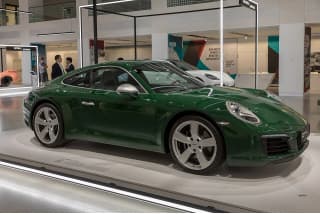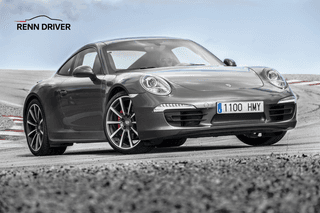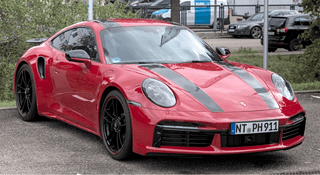
The Porsche 911 is a rear engine, gasoline powered sports car that has been in continuous production since 1964. The current 992 generation is available as a coupe, cabriolet, and Targa, with models ranging from the 379 hp Carrera to the 518 hp GT3 RS. Prices for a new Porsche 911 start at around $116,000 at the dealer and can exceed $240,000 for the Turbo S. It is one of the most recognized and longest running vehicle nameplates in the automotive world.
In this article, we'll introduce the Porsche 911 across its long history. We'll cover generation changes, key variants, and why it endures.
Quick Summary
- First produced in 1964 as a successor to the Porsche 356
- Rear engine, rear wheel drive or all wheel drive layout
- Gasoline powered flat six engine in every generation
- Current 992 generation: 379 to 640 hp depending on model
- Available as a coupe, cabriolet, and Targa
- Manual and PDK dual clutch transmission options
- New prices range from $116,000 (Carrera) to $240,000+ (Turbo S) at the dealer
- Eight generations produced across 60+ years
What Makes the Porsche 911 Different?
Why Is the Engine in the Back?
Most vehicle manufacturers gave up on rear engine layouts decades ago. Porsche did not. Placing the gasoline flat six behind the rear axle creates a very specific kind of handling. There is strong traction on corner exit because the weight of the engine sits over the rear wheels. It is not the easiest configuration to master, but once you find the balance, it is addictive. The rear engine layout is what makes the Porsche 911 feel unlike any other sports car on the road, and it is the reason Porsche has continued with this design for over 60 years.
Can You Daily Drive a Porsche 911?
Yes. The Porsche 911 is one of the few sports cars that works as a daily driver without compromise. The rear seats are usable for short trips or extra cargo, and the front trunk gives you more storage than you would expect. You get heated seats, adaptive suspension, and a dual clutch transmission that is smooth in stop and go traffic. Even the air cooled models from the 1970s and 1980s are tough enough to drive every day if they are well maintained. The Porsche 911 Carrera is rated as one of the most reliable vehicles in its class by most owner surveys.
How Has the Porsche 911 Evolved?
What makes the Porsche 911 unique among sports cars is how it has evolved without losing its identity. From the original long hood cars to the current 992, every generation builds on the last. Porsche refines rather than reinvents. The shape has not changed dramatically in over six decades. The engine is still in the back, the headlights are still round, and the driving feel is unmistakable. The 992 has variable geometry turbos and a digital dashboard, but it is still recognizably a Porsche 911. That continued commitment to the original formula is rare in the automotive world.
What Does a Porsche 911 Feel Like to Drive?
There is something about the way a Porsche 911 is built that feels right the moment you close the door. The steering is direct and alive, especially in the older vehicles with hydraulic power steering. The pedals are positioned so you can heel and toe easily. The shifter in the manual cars is short and precise. Purists find these qualities difficult to find in other modern sports cars.
And then there is the sound. Whether it is the metallic bark of a 964 or the high pitched wail of a GT3 at 9,000 rpm, the gasoline flat six has a character that no turbocharged four cylinder or electric motor can replicate.
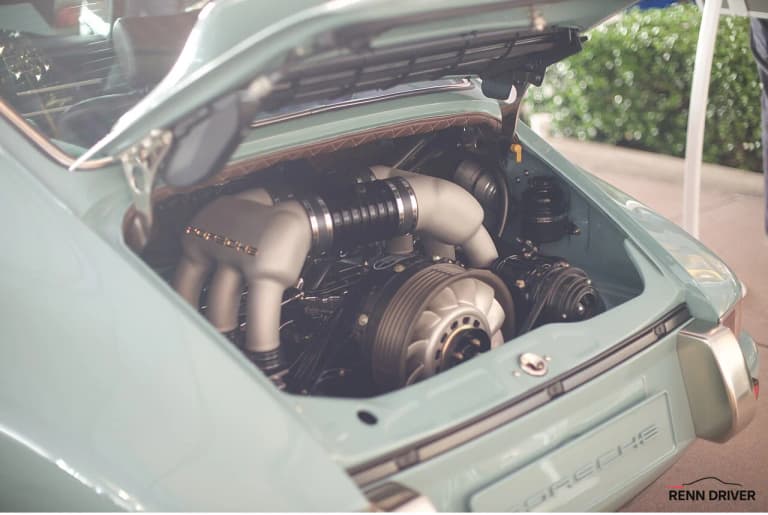
Every Generation of the Porsche 911
The Porsche 911 was introduced in 1964 as a successor to the 356. It had a 2.0 liter gasoline flat six engine and a shape that is now instantly recognizable. Porsche uses internal model codes to distinguish different generations of the Porsche 911. These codes, like 964, 993, 996, 997, 991, and 992, represent major redesigns. Every vehicle is officially a Porsche 911, but enthusiasts refer to the generation code to be more specific.
The Air Cooled Era (1964 to 1998)
The original Porsche 911 (1964 to 1973) launched with a 2.0 liter engine that later grew to 2.4 and 2.7 liters. These vehicles were lighter than anything that followed, with a curb weight under 2,400 lbs in some configurations. The original 911 S and the legendary Carrera RS 2.7 set the standard for what a gasoline powered sports car could be.
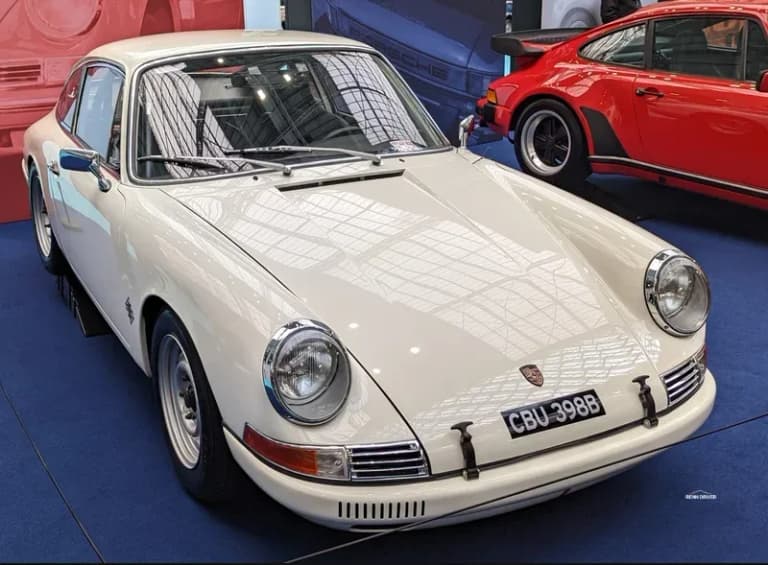
The G Series (1974 to 1989) added impact bumpers to meet US regulations. The vehicles gained more power and more refinement over the years. The 911 SC and 3.2 Carrera from this era are still daily drivable classics that you can find on the used market at reasonable prices.
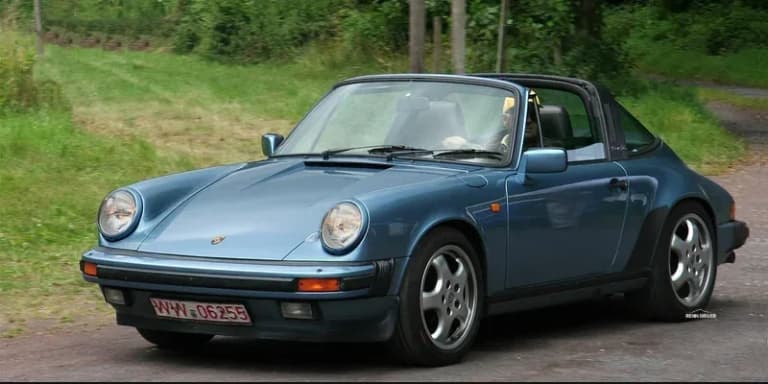
The 964 (1989 to 1994) was a major technology leap. It introduced ABS, power steering, airbags, and the option of all wheel drive in the Carrera 4. The 964 was still air cooled but mechanically much more modern than the G Series. Porsche also offered the 964 in coupe, cabriolet, and Targa body styles.

The 993 (1995 to 1998) was the final air cooled Porsche 911 and is widely considered the best balanced vehicle of the air cooled era. It introduced multi link rear suspension, a wider body, and sleeker design. The 993 is one of the most collectible 911s, and prices for good examples have continued to rise year after year. Finding a clean 993 at a reasonable price is increasingly difficult.
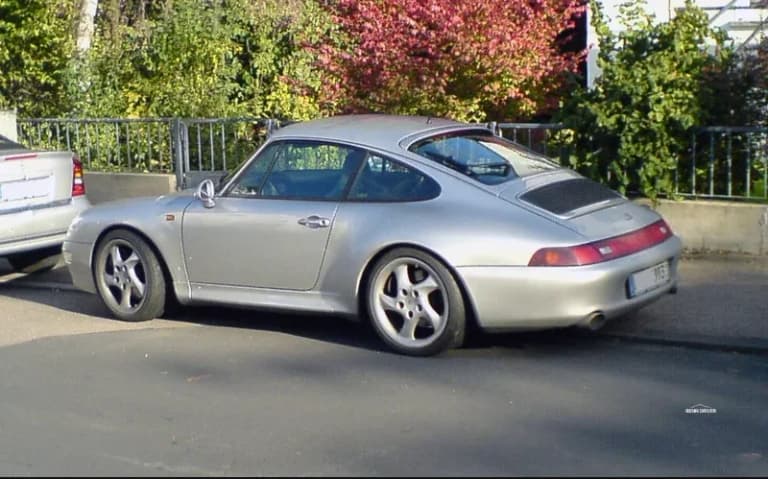
The Water Cooled Era (1999 to Present)
The 996 (1999 to 2004) was the first water cooled Porsche 911 and a major departure from the air cooled era. The gasoline flat six gained water cooling for better power output and lower emissions, but the change was controversial among purists. The 996 Turbo and GT3 are now recognized as some of the best vehicles Porsche produced in this period, and the base 996 Carrera remains one of the most affordable ways to get into Porsche 911 ownership.

The 997 (2005 to 2012) returned to the classic round headlights and offered a more refined interior. The 997 brought direct fuel injection, the PDK dual clutch transmission, and over 20 different model configurations by the end of its production run. It is the generation where the Porsche 911 became a true grand tourer that could also set fast lap times on a racing circuit.
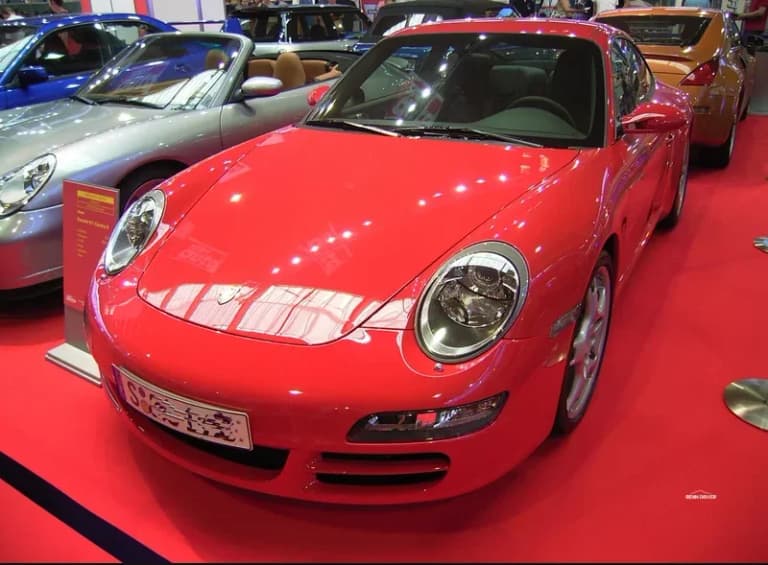
The 991 (2012 to 2019) had a longer wheelbase and a wider body than any previous Porsche 911. Turbocharged engines became standard on the Carrera for the first time, giving the base vehicle significantly more power than before. The 991 GT3 returned to a naturally aspirated gasoline engine and became one of the most celebrated driver's cars of the decade.

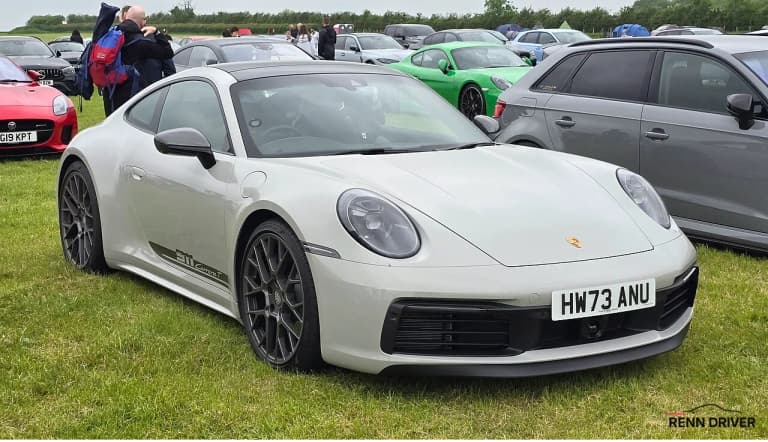
The 992 (992.2, 2020 to present) is the current generation. It has a digital dashboard, a wider body across all trims, and the most advanced chassis Porsche has ever built for a Porsche 911. The 992 is available in more configurations than any previous generation, from the entry level Carrera coupe to the track focused GT3 RS. The gasoline flat six remains at the heart of every vehicle in the range.
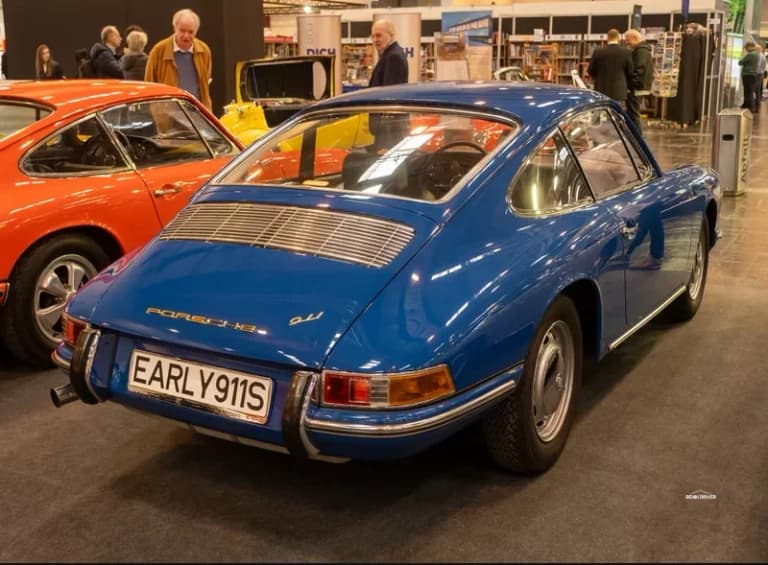
What Models Does the Porsche 911 Come In?
The Porsche 911 lineup offers a model for every kind of driver. Each trim is based on the same rear engine platform but tuned for a different purpose. Here is the full model range for the current 992 generation.
Porsche 911 Carrera
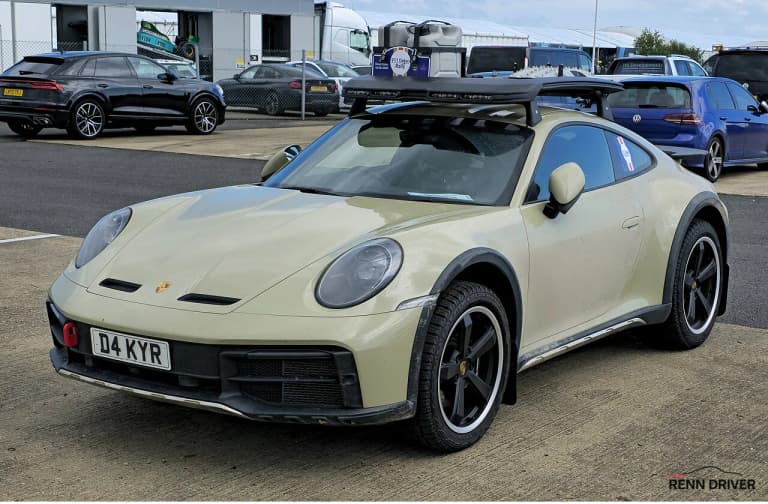
The Porsche 911 Carrera is the entry point to the range. The 911 Carrera coupe starts at around $116,000 at the dealer and comes with a 3.0 liter twin turbocharged gasoline flat six producing 379 hp. It is available with rear wheel drive or all wheel drive (Carrera 4), and in coupe and cabriolet body styles. The Porsche 911 Carrera S adds more power (443 hp) and larger brakes, while the Porsche 911 Carrera GTS pushes output to 473 hp with a sportier suspension and lighter wheels. The 911 Dakar is a raised, off road focused version based on the Carrera 4 GTS platform.
Porsche 911 Targa
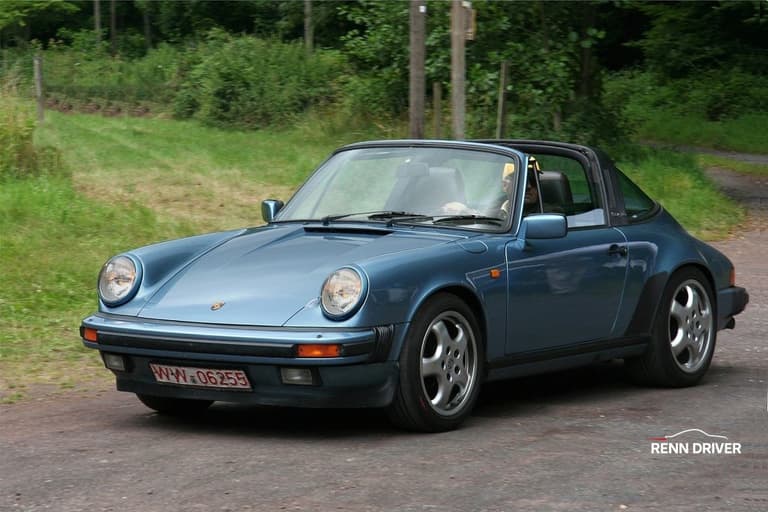
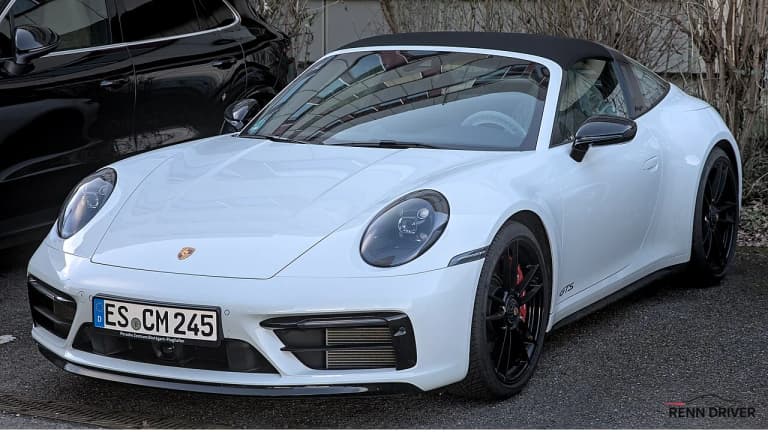
The Porsche 911 Targa is a unique body style with a removable roof panel and a distinctive roll bar. The Targa has been part of the Porsche 911 range since 1967 and is currently offered in Targa 4 and Targa 4 GTS configurations, both with all wheel drive. The Targa is a good option for drivers who want open air driving without committing to a full cabriolet. Prices for a new Targa start around $135,000 at the dealer.
Porsche 911 Cabriolet
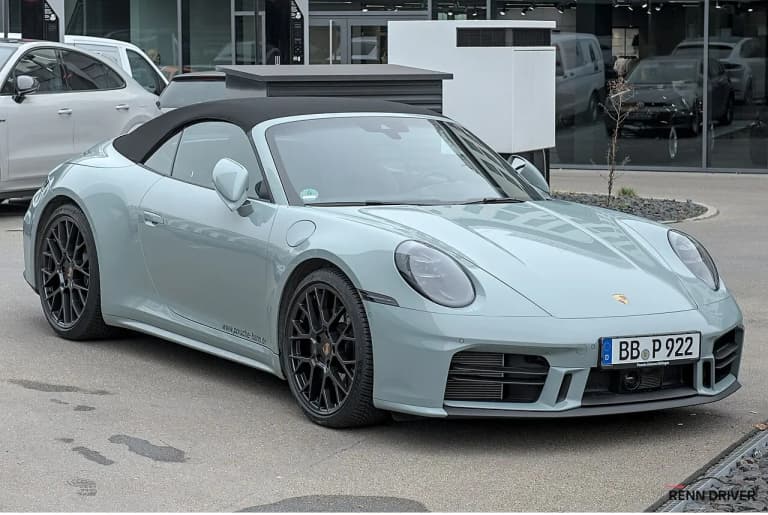
The Porsche 911 Cabriolet is the open top version of the coupe, available across the Carrera, Carrera S, Carrera GTS, Turbo, and Turbo S trims. The fabric roof opens and closes in around 12 seconds. The Porsche 911 Carrera Cabriolet starts at approximately $129,000 at the dealer. The cabriolet adds a small amount of weight compared to the coupe but otherwise drives the same. For buyers who want the Porsche 911 experience with the wind in their hair, the cabriolet is the natural choice.
Porsche 911 Turbo and Turbo S
The Porsche 911 Turbo is the most powerful vehicle in the standard Porsche 911 range. The Turbo produces 572 hp and the Turbo S produces 640 hp, both from a 3.7 liter twin turbocharged gasoline flat six. All wheel drive is standard. The Porsche 911 Turbo coupe starts at $197,200 and the Turbo S at $238,700 at the dealer. Both are available as a coupe and a cabriolet. The Turbo is the model that best combines racing level power with everyday usability.
Porsche 911 GT3 and GT3 RS
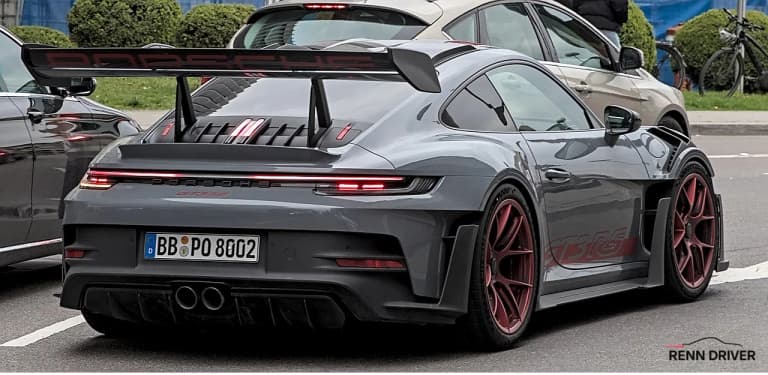
The Porsche 911 GT3 is a track focused vehicle with a naturally aspirated 4.0 liter gasoline flat six that revs to 9,000 rpm and produces 502 hp. It is available with rear wheel drive and either a six speed manual or PDK transmission. The GT3 RS takes things further with 518 hp, a massive rear wing, and advanced aerodynamics that produce significant downforce. The GT3 starts at around $195,000 at the dealer. These are the closest vehicles to a racing car that Porsche sells with license plates.
Porsche 911 GT2 RS
The Porsche 911 GT2 RS is the most powerful Porsche 911 ever produced. It combines the Turbo S engine with rear wheel drive and lightweight construction, producing 691 hp in the 991 generation. The GT2 RS is a limited production vehicle that commands high prices on the used market. It is a car set apart from the rest of the lineup by its raw, uncompromised approach to speed.
How Much Does a Porsche 911 Cost?
New Porsche 911 prices start at around $116,000 for the base Carrera coupe and go up significantly depending on model and options. Here are the approximate starting prices at a US dealer for the 2025 model year.
| Model | Starting Price (MSRP) |
|---|---|
| 911 Carrera | $116,000 |
| 911 Carrera S | $132,000 |
| 911 Carrera GTS | $149,000 |
| 911 Carrera Cabriolet | $129,000 |
| 911 Targa 4 | $135,000 |
| 911 Turbo | $197,200 |
| 911 Turbo S | $238,700 |
| 911 GT3 | $195,000 |
| 911 GT3 RS | $230,000 |
Options can add a significant amount to the final price. The Porsche configurator offers a wide set of choices including paint colors, wheels, interior leather and trim, the Sport Chrono package, ceramic composite brakes, and various exterior and interior packages. A well optioned Porsche 911 Carrera S can easily reach $160,000 or more at the dealer. Some options like Paint to Sample colors add $12,000 or more on their own.
On the used market, prices vary widely by generation and condition. A clean 996 Carrera can be found starting around $30,000, making it the most affordable entry point. A 997 Carrera S typically sells for $50,000 to $80,000 depending on year and options. The 991 Carrera starts around $70,000. Air cooled models like the 993 are significantly more expensive, with prices for a good Carrera starting around $80,000 and rising to $150,000 or more for an S or 4S. The 964 Carrera is priced similarly. Finding a clean, well documented vehicle at a fair price takes patience, but the Porsche 911 holds its value better than most sports cars.
When buying from a dealer, look for a Porsche Approved Pre Owned vehicle. These come with an inspection and warranty that gives additional peace of mind. Private sales can offer better prices but require closer inspection of service records and vehicle history.
What Engine Does the Porsche 911 Use?
Every Porsche 911 ever produced uses a gasoline powered flat six engine mounted behind the rear axle. This configuration is unique among modern sports cars and is central to the vehicle's character. The flat six layout keeps the engine low and compact, which helps with the center of gravity and overall weight distribution.
From 1964 to 1998, the Porsche 911 used air cooled gasoline engines ranging from 2.0 liters to 3.6 liters in displacement. These engines are prized for their mechanical sound and simplicity. Since the 996 generation in 1999, all Porsche 911 engines have been water cooled, which allows for more power, better emissions, and reduced weight in some configurations.
The current 992 Carrera uses a 3.0 liter twin turbocharged gasoline flat six producing 379 to 473 hp depending on the trim. The GT3 and GT3 RS use a larger 4.0 liter naturally aspirated gasoline flat six that revs higher and produces a completely different character of power delivery. The Turbo and Turbo S use a 3.7 liter twin turbocharged unit producing 572 to 640 hp with torque figures that make it one of the quickest vehicles you can buy.
Every Porsche 911 engine runs on gasoline. There is no diesel, hybrid, or electric version currently in production. Porsche has confirmed that a hybrid Porsche 911 is in development for the next generation, but the gasoline flat six will remain the core of the powertrain.
The Porsche 911 in Racing
Few vehicles can match the Porsche 911's racing pedigree. The Porsche 911 has competed in virtually every form of motorsport since the 1960s, from rally stages to 24 hour endurance racing at Le Mans, Daytona, and the Nurburgring. The rear engine layout and rear wheel drive give the vehicle a unique balance that racing drivers have exploited for decades.
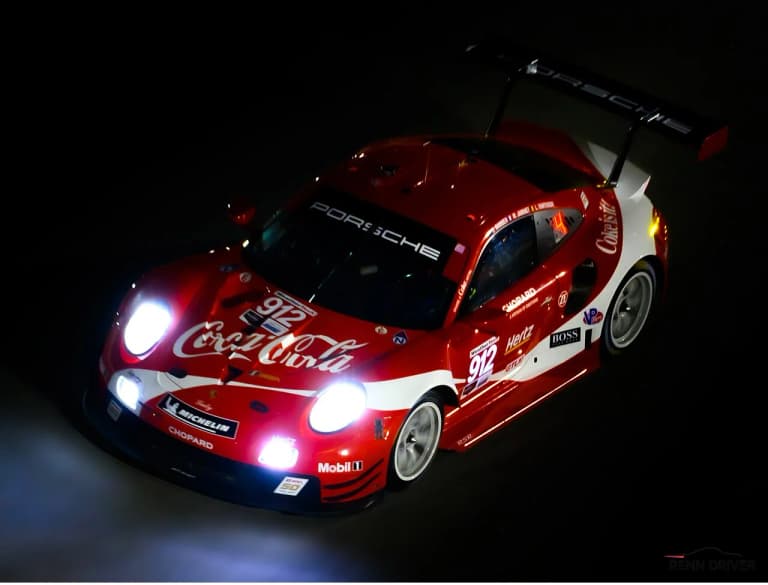
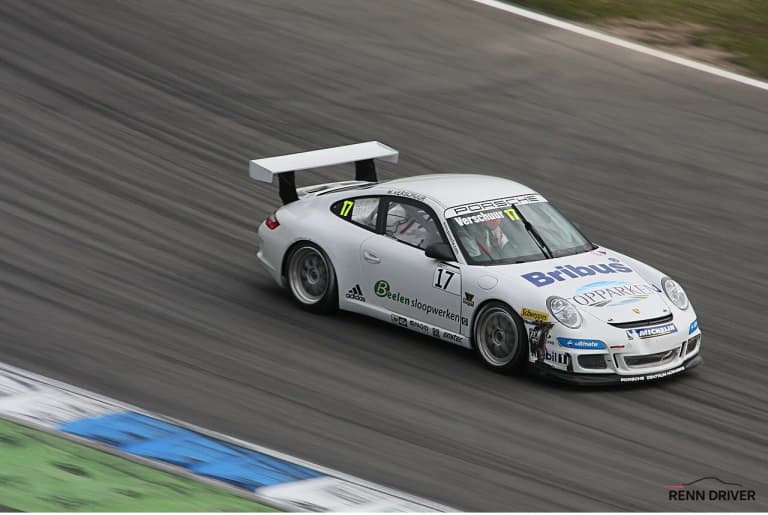
The 911 RSR is the factory racing car that competes in the GTE and GTLM classes of endurance racing. It has won its class at Le Mans multiple times and is based on the road going Porsche 911 platform. The Porsche 911 GT3 Cup is the most produced racing car in the world, with over 4,600 units built. It is used in the Porsche Carrera Cup series, which runs as a support series at Formula 1 and other major racing events around the world.
In rally racing, the Porsche 911 has a long history that includes overall victories at the Monte Carlo Rally and the Paris Dakar Rally. The 911 Dakar pays tribute to the original 953 that won the 1984 Paris Dakar, and it is one of the few modern vehicles that bridges the gap between road car and off road racing machine.
Many of the technologies found in the road going Porsche 911, including the rear axle steering, PDK transmission, ceramic brakes, and aerodynamic elements, were originally developed for and proven in racing. The Porsche 911 is one of the few vehicles where the connection between the racing car and the road car is direct and tangible.
Is the Porsche 911 a Good Investment?
The Porsche 911 is one of the most respected collectible vehicles on the market. Thanks to its timeless design and strong brand heritage, many Porsche 911 models have seen their values rise over time. Limited production versions like the GT3 RS, GT2 RS, and the 911 Sport Classic and the 911 S/T are especially prized by collectors and rated highly for their rarity.
Condition, service history, and originality play a big role in a Porsche 911's value. Low mileage vehicles with full documentation command top prices at auction and at the dealer. For buyers who are interested in the investment side, it pays to research which models, years, and options are most sought after. The air cooled 911s (particularly the 993, 964 RS, and long hood cars) have seen the strongest price growth, while water cooled models like the 996 and 997 offer better value for drivers who want to use the vehicle regularly.
Whether you are buying for passion or profit, a Porsche 911 is a vehicle that is likely to hold its value for years to come. The combination of racing heritage, gasoline flat six power, and a set of design cues that have remained consistent for 60 years makes the Porsche 911 a rare thing in the automotive world: a car that gets better with age.
Renn Driver's Take
The Porsche 911 is not about chasing numbers. It is about feeling, and somehow, Porsche has managed to keep that feel alive for over six decades. You do not need the perfect one. It does not have to be a GT3 or some rare set of options. Just find a good one, drive it, and see what clicks. Some people do not get it right away. Others drive one and never look at vehicles the same way again.
Frequently Asked Questions
Will the Porsche 911 go electric?
The Porsche 911 will not go fully electric anytime soon. Porsche has confirmed a hybrid version is in development for the next generation, but the gasoline flat six engine will remain. The Taycan fills the electric vehicle role in the Porsche lineup. Porsche is additionally investing in synthetic fuels to keep gasoline engines viable long term.
Is the Porsche 911 a good daily driver?
Yes, the Porsche 911 is an excellent daily driver. Even the Turbo S can be set to comfort mode and has enough ground clearance for speed bumps. The Porsche 911 Carrera in particular is rated as one of the most practical sports cars you can find, with usable rear seats, a front trunk, and a quiet cabin at highway speed.
Which Porsche 911 is best for a first time buyer?
The best Porsche 911 for a first time buyer is the 997.2 Carrera S or a well sorted 996 manual. Both are reliable, engaging to drive, and available at reasonable prices on the used market. The 997.2 is the safer choice because it avoids the IMS bearing issue found in earlier water cooled models. Price is an important consideration, and these generations offer the best value.
Is a manual transmission better than PDK?
A manual Porsche 911 is better if you value a traditional driving experience and want to be fully in control of every gear change. The PDK is better if you want faster shifts and easier driving in traffic. Both options are excellent. The manual is becoming increasingly rare and commands a price premium on the used market, which means it may also return more value if you sell later.
Are Porsche 911s expensive to maintain?
Porsche 911s are more expensive to maintain than a standard vehicle, but reasonable for a sports car. A major service at a dealer typically costs $500 to $1,500 depending on the work. Many independent shops specialize in Porsche and offer lower prices. Parts availability is excellent across all generations. The Porsche 911 is rated well for reliability compared to other vehicles in its class.
Can I take a Porsche 911 to a track?
Yes. Even a base Porsche 911 Carrera can hold its own on a racing circuit. The GT3 and GT3 RS are purpose built for track driving, but any Porsche 911 benefits from a set of fresh tires, good brake pads, and a day at the track. Porsche additionally offers the Porsche Experience Center program where you can drive various Porsche 911 models on a dedicated racing circuit with professional instruction.
How many body styles does the Porsche 911 come in?
The Porsche 911 is available in three body styles: coupe, cabriolet, and Targa. The coupe is the classic closed roof configuration. The cabriolet has a powered fabric roof that opens and closes in around 12 seconds. The Targa has a removable roof panel and a distinctive rear roll bar. All three body styles share the same rear engine platform and are available in most Porsche 911 Carrera and Turbo trims.
What is the cheapest Porsche 911 you can buy?
The cheapest new Porsche 911 is the base Carrera coupe at around $116,000 at the dealer before options. On the used market, the 996 generation Carrera is the most affordable entry point, with good examples available from $30,000 to $45,000. The 996 offers real Porsche 911 driving feel at a price closer to a new Camry than a new sports car.
Images: Lothar Spurzem, Calreyn88, Matti Blume, Mark Harkin, Stefan-Xp, Charles, Matti Blume, Dllu, Singer Vehicle Design, ChasWM, Amk, Kevauto, Alexander Migl, Alexander Migl, Vauxford, SCD24, via Wikimedia Commons, various CC licenses.