
By the late 1970s, the Porsche 911 SC marked a turning point for the iconic 911. Rumors swirled that it would be replaced by the front-engined 928. Instead, Porsche doubled down and introduced the SC (short for Super Carrera). It combines the 911’s familiar shape with more power, improved reliability, and refinements that made it a better all-around sports car.
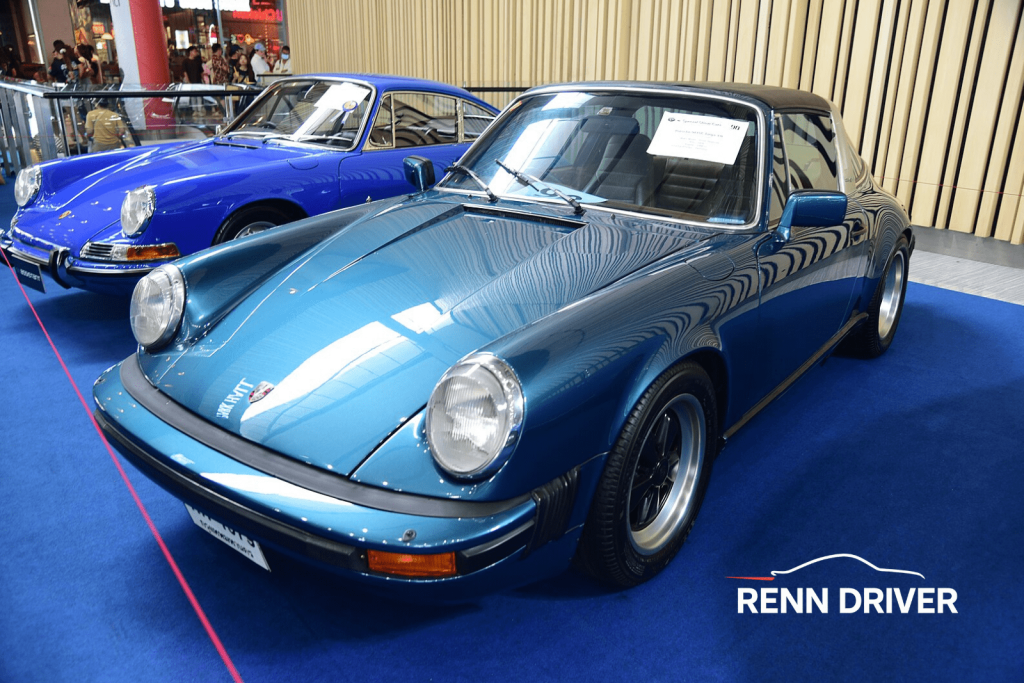
Built from 1978 to 1983, the 911 SC is now seen as the model that kept the 911 alive during a time when its future was uncertain. It offered a balance of performance and usability that appealed to both enthusiasts and casual drivers.
In this article, we will look at the 911 SC’s history, design, performance, and place in Porsche’s legacy, along with tips for collectors and key details that make it a standout among classic 911s.
Contents
- 1 Quick Summary
- 2 History of the 911 SC
- 3 Design and Features
- 4 Engine and Performance
- 5 Notable Model Year: 1983 Porsche 911 SC
- 6 Suspension and Handling
- 7 Interior and Comfort
- 8 Collectibility and Value
- 9 Maintenance and Restoration
- 10 Fun Facts About the Porsche 911 SC
- 11 Frequently Asked Questions (FAQs)
- 12 Final Thoughts
Quick Summary
- Production Years: 1978–1983
- Engine: 3.0L air-cooled flat-six
- Power: 180–204 hp
- Transmission: 5-speed manual or 4-speed Sportomatic
- Top Speed: ~146 mph (235 km/h)
- Layout: Rear-engine, rear-wheel drive
- Legacy: Marked the transition to a more refined and reliable 911 while keeping its classic character
History of the 911 SC
The 911 SC replaced the standard 911 and Carrera models in 1978. It used a 3.0L flat-six with Bosch K-Jetronic mechanical fuel injection, producing 180 hp in its first two years. By 1981, power had increased to 188 hp, and in 1983 it reached 204 hp.

Porsche positioned the SC as a more refined and dependable 911. It featured improved rust protection, better cabin comfort, and small but effective updates each year. Buyers could choose between coupe, targa, and cabriolet body styles.
At the time, Porsche was balancing its primary Porsche product lines (the front-engined 924/928 and the rear-engined 911), and the SC’s success helped secure the 911’s future. Its blend of durability and performance convinced Porsche to continue developing the rear-engine platform rather than replace it entirely.
Design and Features
The 911 SC retained the classic G-series body with its impact bumpers, flared rear arches, and low, sloping bonnet. Fuchs alloy wheels were standard and became an enduring style signature.

Early models had chrome window trim, while later examples switched to black anodized surrounds for a sportier look. Optional equipment included air conditioning, leather seats, and a rear spoiler. Fog lights integrated into the front valance became a popular option, which improved both visibility and appearance.
Some SCs were fitted with the distinctive “whale tail” spoiler, borrowed from the Turbo. An optional front spoiler was also available, reducing lift at higher speeds and giving the SC a sharper look. Later models sometimes carried the broader “tea tray” spoiler design, further reinforcing its Turbo-inspired styling.
Inside, the SC’s layout was simple and functional, with clear gauges, solid switchgear, and a driver-focused cockpit. Comfort options expanded over its production run, reflecting Porsche’s goal of making the 911 a better daily driver without losing its performance edge.
Engine and Performance
The SC’s 3.0L flat-six was air-cooled, naturally aspirated, and known for its longevity. Paired with either a 5-speed manual or 4-speed Sportomatic transmission, it delivered a broad torque curve and strong midrange pull.
Performance varied slightly by year, but even the earliest models could sprint from 0–60 mph in under 7 seconds. Later versions shaved that time closer to 6.5 seconds. In the US market, stricter emissions controls meant slightly lower outputs initially, though later models closed the gap with European versions.
The combination of relatively lightweight and the rear-engine layout gave the SC its distinctive handling. While it required respect in corners, skilled drivers appreciated the feedback and balance it offered.
Notable Model Year: 1983 Porsche 911 SC
The final year of SC production is particularly sought after. Power was at its peak with 204 hp, and refinements to the suspension and interior made it the most polished SC of all.

The 1983 debut of the cabriolet was not only the first open-top 911 since the 356. It was also a cabriolet concept car brought to production reality, which has proven Porsche’s commitment to expanding its lineup. With production ending that year, the 1983 SC marked the end of an era before the launch of the 3.2 Carrera.
Suspension and Handling
The SC used MacPherson struts in the front and semi-trailing arms in the rear. This setup, combined with wide tires and well-tuned damping, gave the car agility without compromising stability.
Fuchs wheels were more than a styling cue. They were lightweight and strong, contributing to the SC’s responsive feel. Braking was handled by four-wheel discs, delivering strong stopping power for its time.
The SC’s handling rewarded smooth inputs. In the hands of a confident driver, it could cover twisty roads at an impressive pace while delivering the kind of steering feel modern cars rarely match.
Later SC models could be ordered with wider rear wheels, which further improved grip and gave the car a more aggressive stance.
Interior and Comfort
The SC’s cabin was straightforward but well-built. Supportive seats, a clean dashboard layout, and a commanding driving position made long trips enjoyable.
Available options included air conditioning, a sunroof, and heated seats. While not luxurious by modern standards, the SC struck a good balance between comfort and driver focus.
Collectibility and Value
Interest in the 911 SC has grown steadily. Well-preserved or fully restored examples are in demand, especially final-year 1983 models. Collectors value originality, documented history, and desirable options such as the sport package or rare colors.
While prices have risen, the SC remains one of the more attainable entry points into classic 911 ownership. Its reputation for reliability and relative ease of maintenance compared to earlier models adds to its appeal.
Many owners showcase their cars through Porsche Club events worldwide, where the SC remains a favorite for its balance of usability and heritage.
Maintenance and Restoration
Owning an SC means committing to regular maintenance. Valve adjustments, oil changes, and attention to the K-Jetronic fuel system are essential.
Bodywork can be expensive to repair, so rust prevention is critical. Parts availability is good thanks to Porsche’s classic parts program and strong aftermarket support.
A well-maintained SC can easily cover hundreds of thousands of miles, making it one of the more durable classic sports cars available today.
Fun Facts About the Porsche 911 SC
- SC stands for “Super Carrera,” marking it as a step above the standard 911.
- Porsche originally planned to end 911 production after the SC, replacing it with the 928.
- The SC was the first 911 to have fully galvanized body panels for improved rust resistance.
- A 911 SC won the 1979 Monte Carlo Rally in the hands of Björn Waldegård. Though far less powerful than later Turbo S cars, the SC offered a more approachable balance of performance and reliability.
- The cabriolet version introduced in 1983 was the first open-top 911 since the original 356.

Frequently Asked Questions (FAQs)
How much horsepower does a Porsche 911 SC have?
Depending on the year, between 180 and 204 horsepower.
Is the Porsche 911 SC reliable?
Yes, with proper maintenance, it is known for its durability and can reach high mileages without major issues.
What is the top speed of the 911 SC?
Porsche 911 SC’s top speed is around 146 mph (235 km/h).
Is the 911 SC a good investment?
Yes, as values have been rising, well-kept examples are likely to hold or appreciate in value over time.
Final Thoughts
The Porsche 911 SC holds a special place in the brand’s history. It preserved the 911’s future at a time when the model was under threat, and it delivered a mix of reliability, performance, and style that made it a success.
Today, the SC offers a way to experience classic 911 driving without the fragility or cost of earlier models. It remains a rewarding car for both spirited drives and weekend shows, proving that the SC name was well-earned. The SC has since become a company icon, remembered as the model that ensured 911’s survival.
Which Porsche model should we cover next?
Photo credit: Coolalabright, CC BY 4.0, via Wikimedia Commons, Staffan Andersson, CC BY-SA 4.0, via Wikimedia Commons, Jeremy from Sydney, Australia, CC BY 2.0, via Wikimedia Commons, 91poohah (talk) (Uploads), CC0, via Wikimedia Commons, Alf van Beem, Public domain, via Wikimedia Commons