Porsche’s PDK dual-clutch transmission shifts faster than any human, delivers better acceleration numbers, and works seamlessly in traffic. The manual transmission delivers more driver engagement, holds resale value better on the used market, and is increasingly rare on new Porsche 911 models. PDK is the right choice for daily driving, track lap times, and anyone who values effortless performance. Manual is the right choice for driving enthusiasts who prioritize engagement, collectors who want long-term value, and anyone planning to keep the car for a decade or more.
In this article, we’ll compare Porsche’s PDK dual-clutch transmission against the manual gearbox. We’ll cover performance, resale value, maintenance costs, and availability by generation.
Contents
- 1 Quick Decision Framework
- 2 What Is PDK
- 3 The Manual Transmission Today
- 4 How They Differ: Performance, Engagement, and Daily Use
- 4.1 Driver Engagement
- 4.2 Daily Driving
- 5 Availability by Generation
- 6 The GT3 Manual Story
- 7 Resale Value
- 8 Maintenance and Reliability
- 9 Cost Differences
- 10 Renn Driver’s Take
- 11 Frequently Asked Questions
Quick Decision Framework
| Use Case | Choose PDK | Choose Manual |
|---|---|---|
| Daily driver in traffic | ✓ | |
| Track day enthusiast (fastest lap times) | ✓ | |
| Maximum driver engagement | ✓ | |
| Collectible long-term hold | ✓ | |
| Cabriolet for cruising | ✓ | |
| Mountain road / canyon drives | Either | Either |
| Buying a Turbo S | Required (PDK only) | Not available |
| Buying a GT3 | Either | Either |
| Buying a Carrera T | 992.1 only | Standard |
What Is PDK
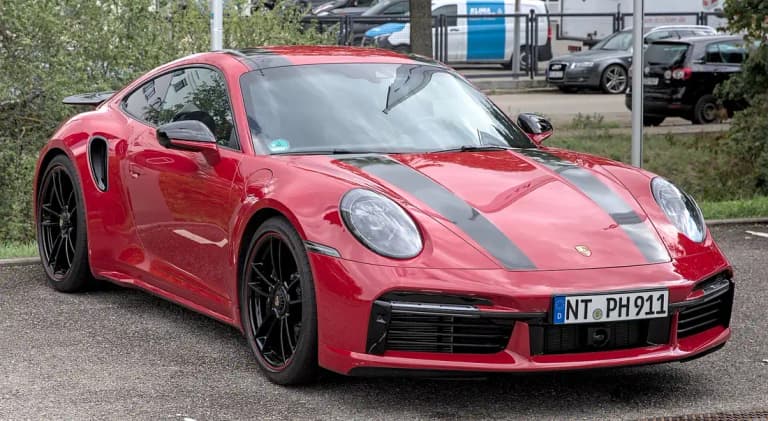
PDK stands for Porsche Doppelkupplungsgetriebe, German for “dual-clutch transmission.” It is an automated manual transmission that uses two separate clutches, one for odd-numbered gears (1, 3, 5, 7) and one for even-numbered gears (2, 4, 6). The next gear is always pre-engaged, so shifts happen in milliseconds by simply switching which clutch is active.
The PDK debuted on the 997.2 generation in 2009 and has been available on every 911 generation since. It is built by Porsche in Zuffenhausen, Germany, and is widely considered one of the best dual-clutch transmissions ever produced for road cars.
Key characteristics:
- Seven-speed in the 997.2 and 991; eight-speed in the 992
- Wet clutch design (most other dual-clutch transmissions use dry clutches)
- Manufactured to handle up to 700+ horsepower in the current Turbo S
- Steering-wheel paddle shifters for manual control
- Available with launch control on Sport Chrono-equipped cars
The wet clutch design is important for long-term reliability. Dry clutches in some competing dual-clutch transmissions wear faster and are more sensitive to slipping during slow-speed maneuvers. The PDK runs in oil, dissipates heat better, and has demonstrated excellent reliability across the 17 years of production.
The Manual Transmission Today
Porsche has used several different manual gearboxes across the 911’s history. The 992.1 uses a 7-speed manual derived from the unit Porsche introduced on the 991, while the 992.2 Carrera T runs a 6-speed version of the same gearbox. Both 991 and 992 manuals are based on the same basic architecture as the PDK but with a single clutch and traditional H-pattern shifting.
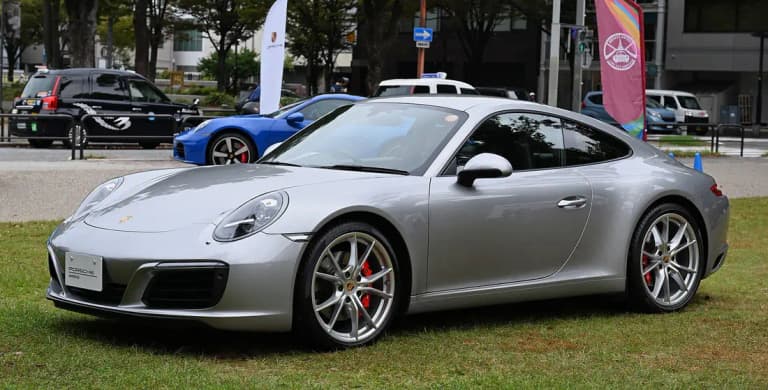
One nuance worth knowing: the 991 and 992 manuals use a 7th gear that is essentially an overdrive ratio for highway cruising. Most drivers report shifting 1-2-3-4-5-6 for normal driving and only using 7th for steady high-speed cruising. The 7th gear feel is reportedly different from the first six (some find it less satisfying), which has been a minor complaint in reviews.
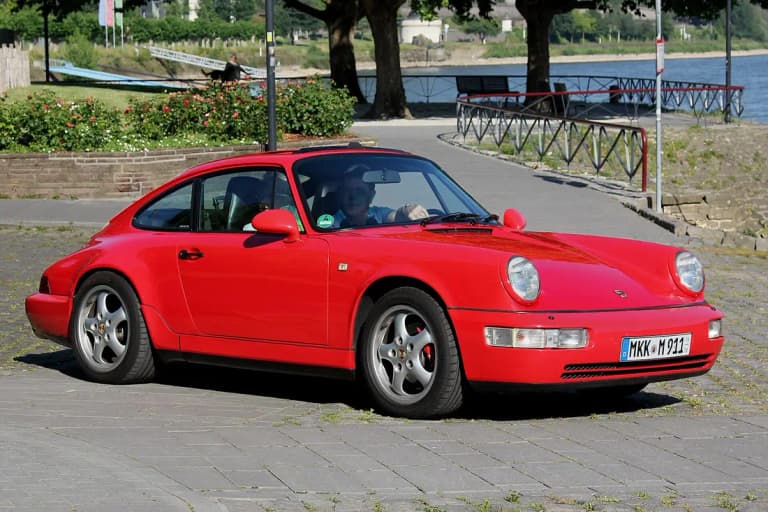
The 996, 997, and older 911s used 6-speed manuals (5-speed on the earliest 996s). The shift quality on the 997 manual is widely regarded as one of the best Porsche has ever produced: short throws, mechanical precision, and a sense of direct engagement that the longer-throw 991 and 992 manuals do not quite match.
Manual availability has narrowed, and the story now splits across the two 992 phases. On the 992.1 (2019-2024), Porsche offered the 7-speed manual as a no-cost option on the Carrera S, 4S, and GTS. That option arrived from model year 2020 for the S and 4S, alongside the manual-standard Carrera T. The 992.2 (2024-present) changed the picture. The GTS became the T-Hybrid and went PDK-only, so the manual now survives only on the Carrera T and the GT3. The 992.2 Carrera T also switched to a 6-speed manual, essentially the 7-speed unit with 7th gear removed. It is manual only, with no PDK offered at any price, and Porsche built it as both a coupe and the first-ever Carrera T Cabriolet. These 992.2 Carrera T details are documented by the Porsche Club of America and StuttCars.
How They Differ: Performance, Engagement, and Daily Use
The PDK is faster than the manual in measurable performance.
| Car | PDK 0-60 | Manual 0-60 | Difference |
|---|---|---|---|
| 992.2 Carrera S | 3.5 sec | N/A | PDK only |
| 992 GT3 | 3.2 sec | 3.7 sec | 0.5 sec slower |
| 992 Carrera T | N/A | 4.3 sec | Manual only |
| 991.2 GT3 | 3.2 sec | 3.8 sec | 0.6 sec slower |
| 997.2 Carrera S | 4.3 sec | 4.5 sec | 0.2 sec slower |
The PDK advantage comes from three places:
- Shift speed: PDK shifts in approximately 100 milliseconds versus 0.5-1.0 seconds for an experienced manual driver. Across multiple shifts during acceleration, this adds up to meaningful time.
- Launch control: PDK with the Sport Chrono package launches the car at the optimal RPM with perfect clutch engagement every time. Manual launches are inconsistent and harder on the drivetrain.
- No torque interruption: PDK pre-engages the next gear, so power delivery is continuous. Manual upshifts require a brief throttle lift.
For track lap times, PDK is faster on every modern 911. Professional drivers and Porsche test drivers typically use PDK for time attack and racing applications. The 991 and 992 GT3 cars were available with manual specifically because Porsche listened to customer feedback that the engagement mattered more than absolute lap times for the GT3 audience.
Driver Engagement
This is where the manual wins, and it is not close for drivers who care about it.
A manual transmission requires three pedals, deliberate gear selection, and rev-matching for smooth downshifts. The driver becomes part of the powertrain in a way that a PDK driver simply is not. Heel-and-toe technique, choosing exactly when to upshift based on engine note, the satisfaction of a perfectly executed gear change at the limit, these are tangible parts of the driving experience that PDK cannot replicate.
For drivers who view the act of driving as the destination rather than just the means to get somewhere, manual remains the better tool. The slower lap times are a feature, not a bug. They force the driver to be more present, more deliberate, and more skilled.
There is also a tactile element. The 997 manual gear lever, the 991 GT3 manual, and the 992 Carrera T manual all have distinctive shift feel that becomes a defining part of owning the car. Porsche specialists and enthusiasts often discuss specific manual gearboxes the way wine enthusiasts discuss vintages.
That said, the PDK is not engagement-free. Manual paddle-shifting on a PDK delivers near-instant response, can be modulated thoughtfully on canyon roads, and lets the driver focus more attention on line and trail-braking. Different kind of engagement, not absent.
Daily Driving
For daily driving (commuting, errands, stop-and-go traffic), the PDK is significantly more usable than the manual.
The PDK in automatic mode behaves like any modern automatic transmission. It shifts smoothly through traffic, holds the gear in stop-and-go without operator input, and can crawl through parking situations with the brake-creep function. Left foot rests, right foot toggles between brake and throttle, and the car handles the rest.
A manual 911 in traffic requires constant clutch operation, gear selection, and attention. On a 30-mile commute through Bangkok or Los Angeles traffic, this is meaningful effort. Most manual 911 owners report that the engagement that is rewarding on a Sunday morning becomes tedious during a Monday commute.
For owners who plan to use their 911 daily, PDK is the right choice. For owners who treat their 911 as a weekend car, the daily-driving argument matters less.
Availability by Generation
Manual and PDK availability has shifted over time. Here is the current state for buyers.
| Generation | Carrera/S/GTS | Turbo/Turbo S | GT3 | Cabriolet |
|---|---|---|---|---|
| 996 (1999-2004) | Manual or Tiptronic | Manual or Tiptronic | Manual only | Manual or Tiptronic |
| 997.1 (2005-2008) | Manual or Tiptronic | Manual or Tiptronic | Manual only | Manual or Tiptronic |
| 997.2 (2009-2012) | Manual or PDK | Turbo: Manual or PDK / Turbo S: PDK only | Manual only | Manual or PDK |
| 991.1 (2012-2015) | Manual or PDK | PDK only | PDK only | Manual or PDK |
| 991.2 (2017-2019) | Manual or PDK | PDK only | Manual or PDK | Manual or PDK |
| 992.1 (2019-2024) | Base PDK; S/4S/GTS manual; T manual or PDK | PDK only | Manual or PDK | S/4S/GTS cabs: manual |
| 992.2 (2024-present) | PDK only (GTS is T-Hybrid) | PDK only | Manual or PDK | Carrera T cab: manual only |
The broad trend is clear: manual availability has narrowed over time, and the 992.2 represents the smallest manual lineup in modern 911 history. The Carrera T was introduced specifically to preserve a manual option in the standard 911 range after the regular Carrera moved to PDK-only.
There is a real counterpoint, though. The 992.2 Carrera T doubled down on the manual by dropping PDK entirely. The one manual car left in the standard range is now manual only, a deliberate pro-manual statement from Porsche rather than a hedge.
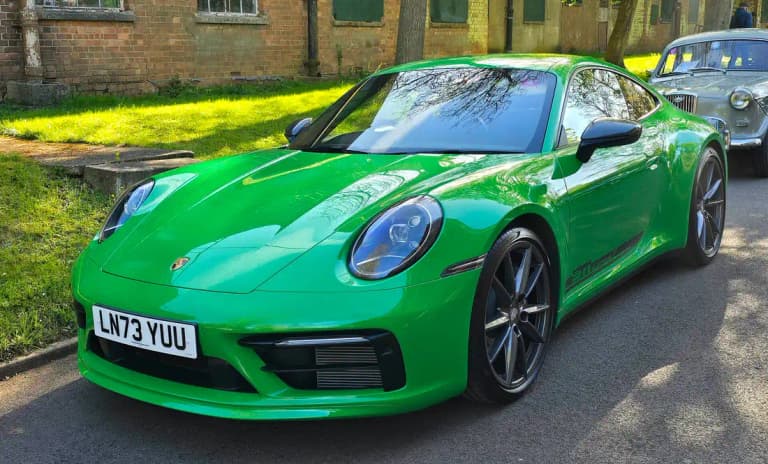
If you want a manual in the modern range, the 992.2 options are the Carrera T and the GT3 (both the winged coupe and the GT3 Touring). On the earlier 992.1, you could also spec a manual Carrera S, 4S, or GTS, so those model years widen the used-car search considerably.
The GT3 Manual Story
The GT3 manual story is worth understanding because it shapes how Porsche thinks about transmissions in their flagship driver’s cars.
The 991.1 GT3 launched in 2014 with PDK only. Porsche’s reasoning was that PDK was faster on track and the GT3 was a track-focused car. Owners and the enthusiast press protested. The GT3 customer base wanted the manual that had defined the GT3 from the 996 generation onward.
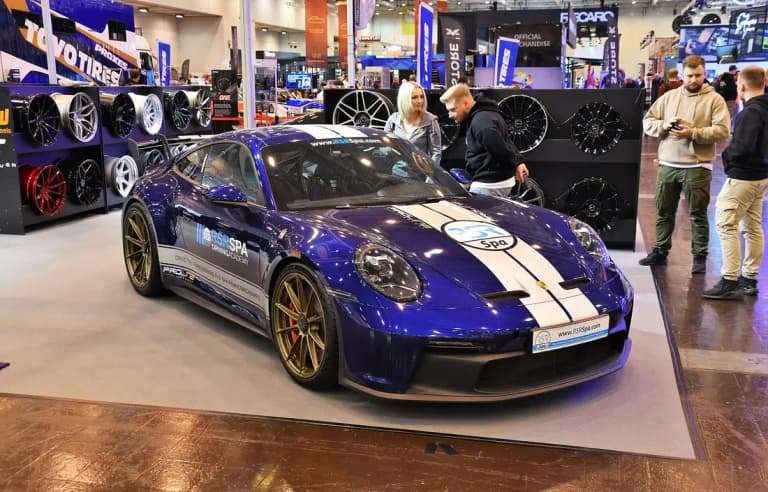
For the 991.2 GT3 in 2017, Porsche brought back the manual as an option alongside PDK. The 991.2 GT3 Touring, introduced shortly after, was manual-only when launched. Manual take rates on the GT3 jumped above 30% in the United States, far higher than Porsche’s projections.
The 992 GT3 continues to offer both transmissions on the standard GT3 and the GT3 Touring (Porsche added PDK as an option on the 992 GT3 Touring; on the 991.2 the Touring was manual-only). Manual GT3 cars still trade at a premium on the used market, typically 10-15% above equivalent PDK cars.
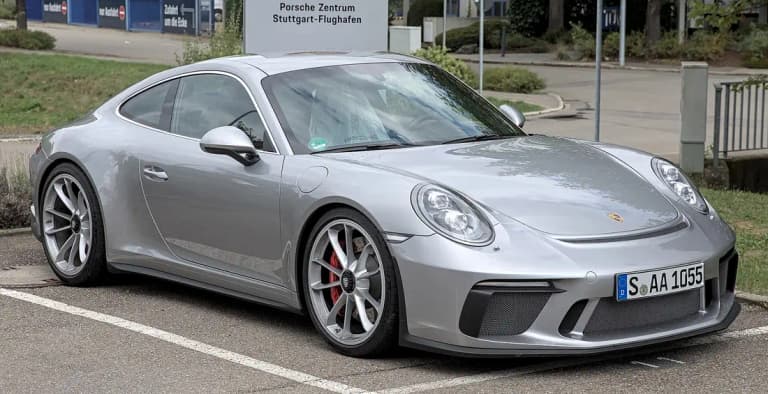
The lesson Porsche learned: enthusiasts will pay for the manual option even when it makes the car slower. The transmission is part of the soul of the car, not just a performance tool.
Resale Value
Manual 911s consistently hold their value better than PDK equivalents on the used market. The differential has widened over the past decade as manual production has decreased.
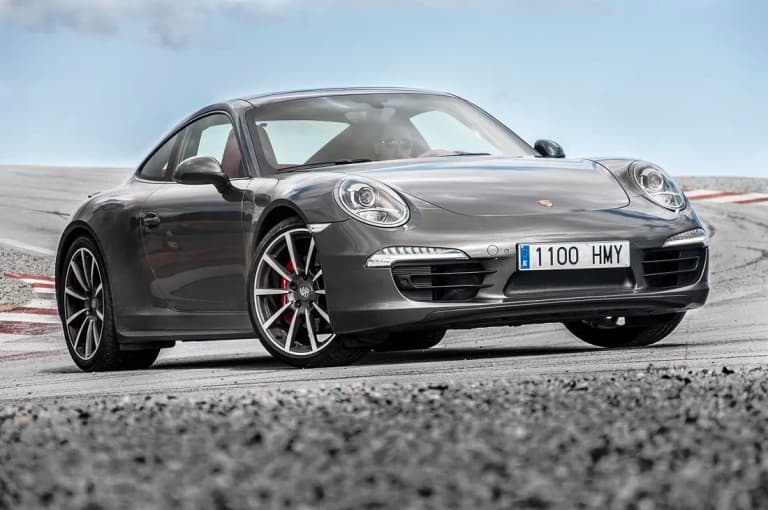
Typical observations:
- 997.2 Carrera S manual sells at a 5-10% premium over PDK at the same mileage and spec
- 991.1 Carrera manual is increasingly the preferred used spec; manual examples often sell faster than PDK
- 991.2 GT3 manual trades 10-15% above equivalent PDK; pristine examples have appreciated above original MSRP
- 992 GT3 manual is similarly preferred; allocations for manual specs are reportedly more difficult to secure
For buyers thinking long-term about the value of their car at sale time in 5-10 years, the manual choice is the safer bet. PDK depreciates closer to standard automotive curves; manual depreciates more slowly and in some special cases appreciates.
Maintenance and Reliability
Both transmissions are reliable. The differences are in maintenance approach.
PDK maintenance:
- Fluid and filter change every 4 years or 60,000 miles. Cost: $400-$700.
- Dual clutch packs typically last 100,000+ miles in normal use. Aggressive launch control use shortens life.
- Mechatronics unit failures are rare but expensive ($5,000+ if it happens)
- Output seal leaks on early 991.1 PDKs are a known minor issue, $800-$1,500 to repair
Manual maintenance:
- Manual transmission fluid change every 4 years or 60,000 miles. Cost: $200-$400.
- Clutch replacement typically required at 60,000-100,000 miles depending on driving style. Cost: $1,500-$3,500 including labor.
- Rear main seal (RMS) leaks often addressed during clutch service since transmission is already removed
- Dual mass flywheel on some generations can fail at high mileage, adding $2,000+ to clutch service
Over a 10-year ownership period, manual transmission service costs are typically lower than PDK if the manual clutch lasts long enough not to require replacement. PDK costs are more predictable because clutch wear is less driver-dependent.
Cost Differences
When ordering a new Porsche 911 in 2026, the PDK is a $4,690 option on cars where both are available. This is a significant figure but is typically recovered in resale value differential, since well-optioned PDK cars sell more readily on the dealer used market.
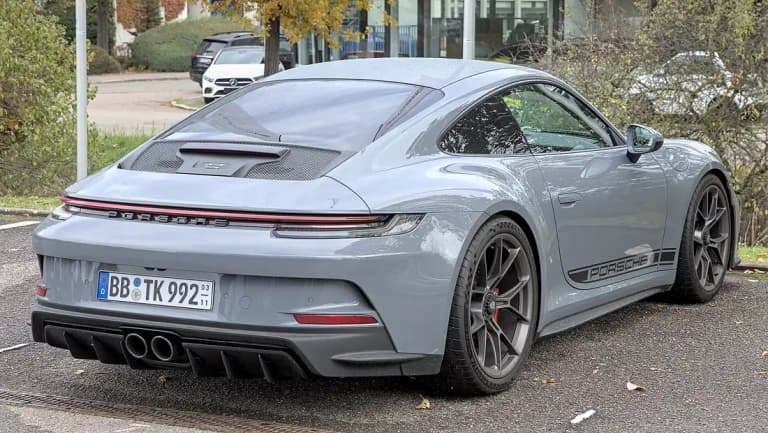
On used cars, the price difference depends on the specific generation and model:
- 996 and 997 Carreras: manual and PDK trade at similar prices, occasionally manual at slight premium
- 991.1 Carreras: PDK examples are more common; manual examples sell at small premium
- 991.2 GT3: manual trades 10-15% above PDK
- 992 GT3: similar manual premium
- Special editions (911 R, 911 S/T, Sport Classic): manual is the only option in most cases
For collectibility, manuals carry a long-term value advantage. For pure performance, PDK is the smarter buy at any price.
Renn Driver’s Take
The right answer depends on how you actually drive your 911. If you have an honest conversation with yourself about it, the choice is usually obvious.
If you commute in your 911, get the PDK. If you live in a city with traffic, get the PDK. If you have a second car and only drive your 911 on weekends for canyon runs and the occasional track day, the manual is rewarding in a way the PDK is not.
If you are buying a 992 Carrera, the choice is made for you: PDK only unless you specifically want the Carrera T spec. The Carrera T is a wonderful car but its character is quite different from a standard Carrera, so make sure the spec matches what you actually want.
If you are buying a GT3 and you can wait for a manual allocation or pay the used-market premium, get the manual. The GT3 is one of the few modern cars where the manual transmission is a defining part of the driving experience, not just a personal preference. Porsche specifically engineered the 991.2 and 992 GT3 manual to be excellent because their customers demanded it.
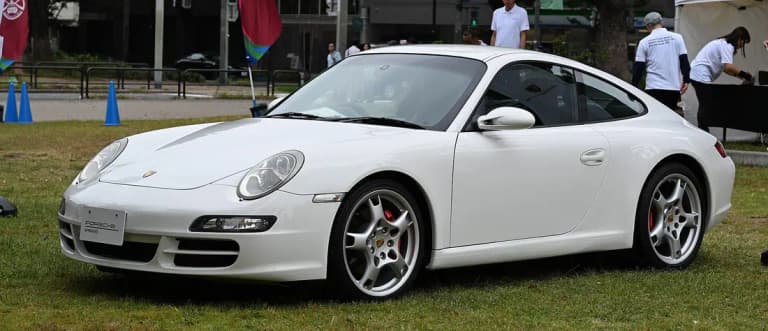
For used 911 buying, the 997.2 Carrera S manual is one of the most recommended specifications for enthusiast drivers: modern reliability, a naturally aspirated flat-six, a manual transmission, and reasonable pricing. The 991.2 manual is the modern equivalent if your budget stretches that far.
Frequently Asked Questions
Is PDK faster than manual on a Porsche 911?
Yes, PDK is faster than manual in measurable performance metrics on every modern Porsche 911. The 992 GT3 PDK runs 0-60 mph in 3.2 seconds versus 3.7 seconds for the manual, a 0.5 second difference that compounds over a quarter mile and across track laps. PDK shifts in approximately 100 milliseconds compared to 0.5-1.0 seconds for an experienced manual driver. For pure performance, PDK is the right choice.
Why do enthusiasts prefer the manual transmission?
Enthusiasts prefer the manual transmission because it requires active participation in the driving process. Heel-and-toe downshifts, deliberate gear selection, and the tactile feel of an H-pattern shifter create a more engaging driving experience. The slower performance is considered a fair trade for the increased involvement. Manual transmissions also hold their value better on the used market and are increasingly rare on new cars.
Can you still get a new Porsche 911 with a manual transmission?
Yes, but only on specific models. The 2026 Porsche 911 lineup offers manual transmissions on the Carrera T, GT3, and GT3 Touring. The standard Carrera, Carrera S, Carrera GTS, Turbo, and Turbo S are PDK-only. If you want a manual 911, the Carrera T is the most affordable option starting around $134,000.
Is the Porsche PDK reliable?
Yes, the Porsche PDK is one of the most reliable dual-clutch transmissions ever produced. It uses a wet-clutch design that dissipates heat better than dry-clutch competitors. Normal-use PDK transmissions regularly exceed 150,000 miles without major issues. Fluid and filter service every 4 years or 60,000 miles keeps the transmission healthy. Aggressive launch control use is the main accelerator of clutch wear.
Does the manual 911 hold its value better?
Yes, manual Porsche 911s consistently hold their value better than PDK equivalents on the used market. The differential ranges from 5-10% on Carrera models to 10-15% on GT3 specs. Special editions like the 911 R and 911 S/T are manual-only and have appreciated significantly above original MSRP. For long-term ownership and resale value, manual is the safer bet.
How much does PDK cost as an option?
PDK is a $4,690 option on the 2026 Porsche 992 GT3 where both transmissions are available. On most other 992 variants, PDK is standard equipment. On used 911s, the price difference between PDK and manual varies by generation. Typically PDK examples sell at similar prices to manuals on Carrera models, but at a discount on GT3 specs where manual is preferred.
Should I learn to drive manual before buying a manual 911?
Yes. A manual 911 in real-world use is not the place to learn manual transmission technique. The clutch engagement on a 911 is more aggressive than typical economy cars, the engine is loud enough to mask audio cues, and the consequences of stalling at a high-traffic intersection in a $150,000 car are stressful. Practice on a less expensive car first, or take a manual transmission class before purchasing.
Which transmission is better for a track day?
For pure lap times, PDK is faster on track in modern 911s. The shift speed and consistency of PDK can not be matched by even very skilled manual drivers. For driver engagement and skill development, manual is more rewarding. Many track-day enthusiasts choose manual specifically because the requirement to nail every shift forces them to drive better. For maximum performance, PDK. For maximum engagement, manual.
Performance figures sourced from Porsche manufacturer specifications and independent testing. Pricing reflects 2026 US market and may vary by region. The “best” transmission is the one that matches how you actually use the car.
Images: 992 Turbo S by Alexander Migl, CC BY-SA 4.0; 991 Carrera S by TTTNIS, CC0; 911 (964) Carrera by Lothar Spurzem, CC BY-SA 2.0 DE; 992 Carrera T by Calreyn88, CC BY-SA 4.0; 992 GT3 by Charles, CC BY 2.0; 991 GT3 Touring by Alexander Migl, CC BY-SA 4.0; 991 Carrera 4S by David Villarreal Fernández, CC BY-SA 2.0; 992 GT3 Touring by Alexander-93, CC BY-SA 4.0; 997 Carrera S by TTTNIS, CC0. Via Wikimedia Commons.