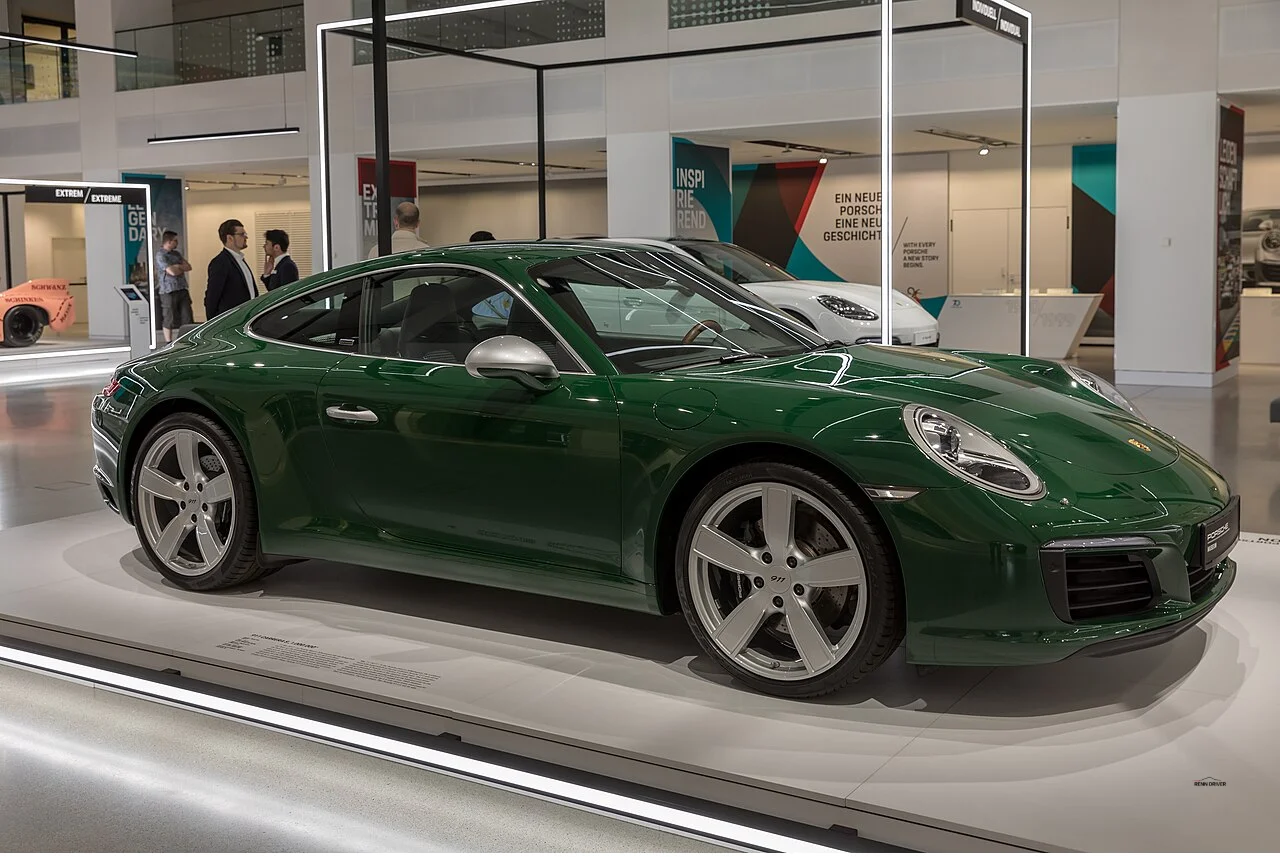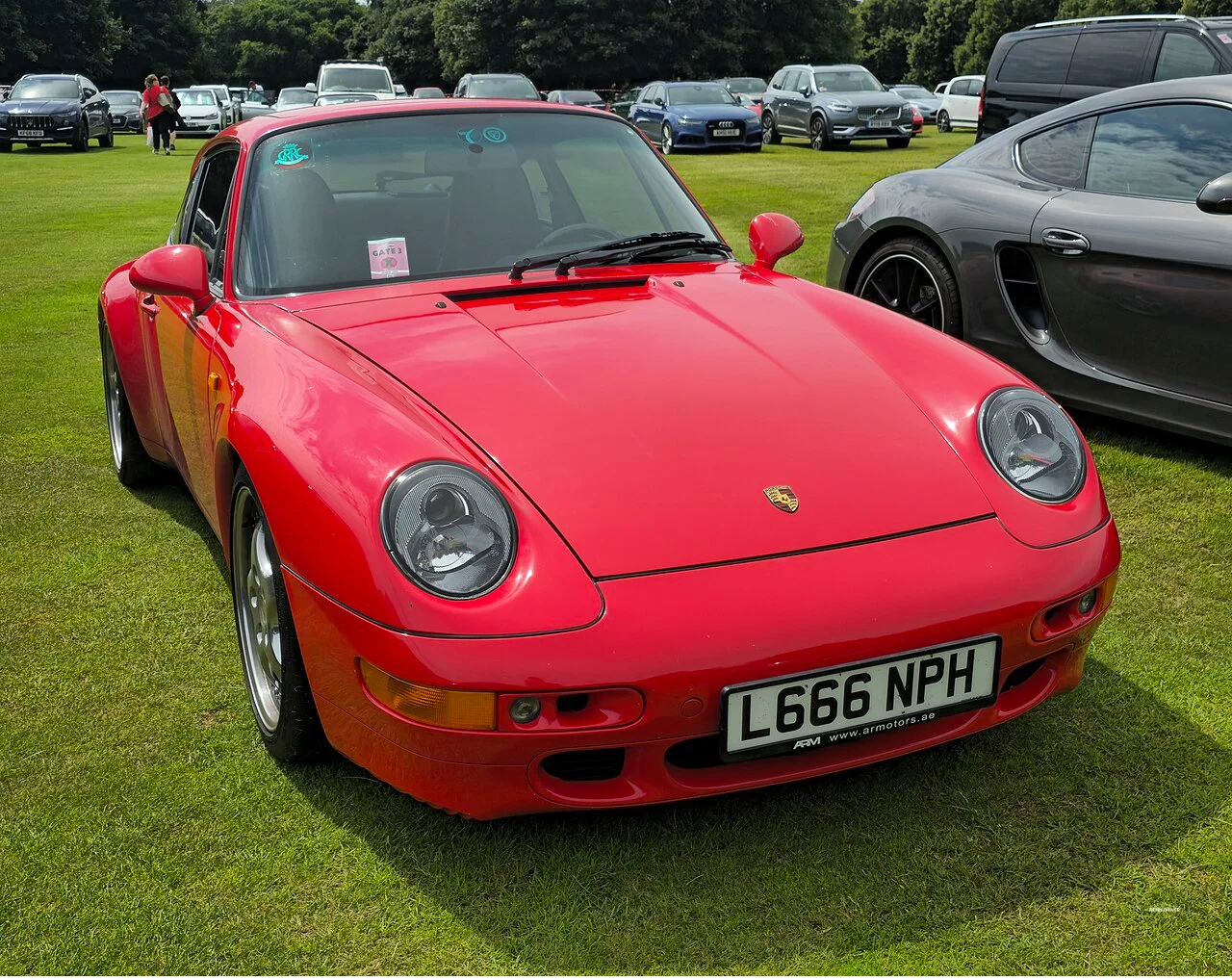
Thailand stacks import duty, excise tax, interior tax, and VAT on every car sold in the country. The taxes compound on top of each other, pushing the final price of most imported cars to roughly three times what they cost in the US or Europe. A Porsche 911 Carrera that sells for $115,000 in America costs around $355,000 in Bangkok.
Thailand’s car tax system was designed to protect the domestic automotive industry. It rewards pickup trucks and eco cars with low rates while punishing imported sedans, SUVs, and sports cars with some of the highest automotive taxes in the world.
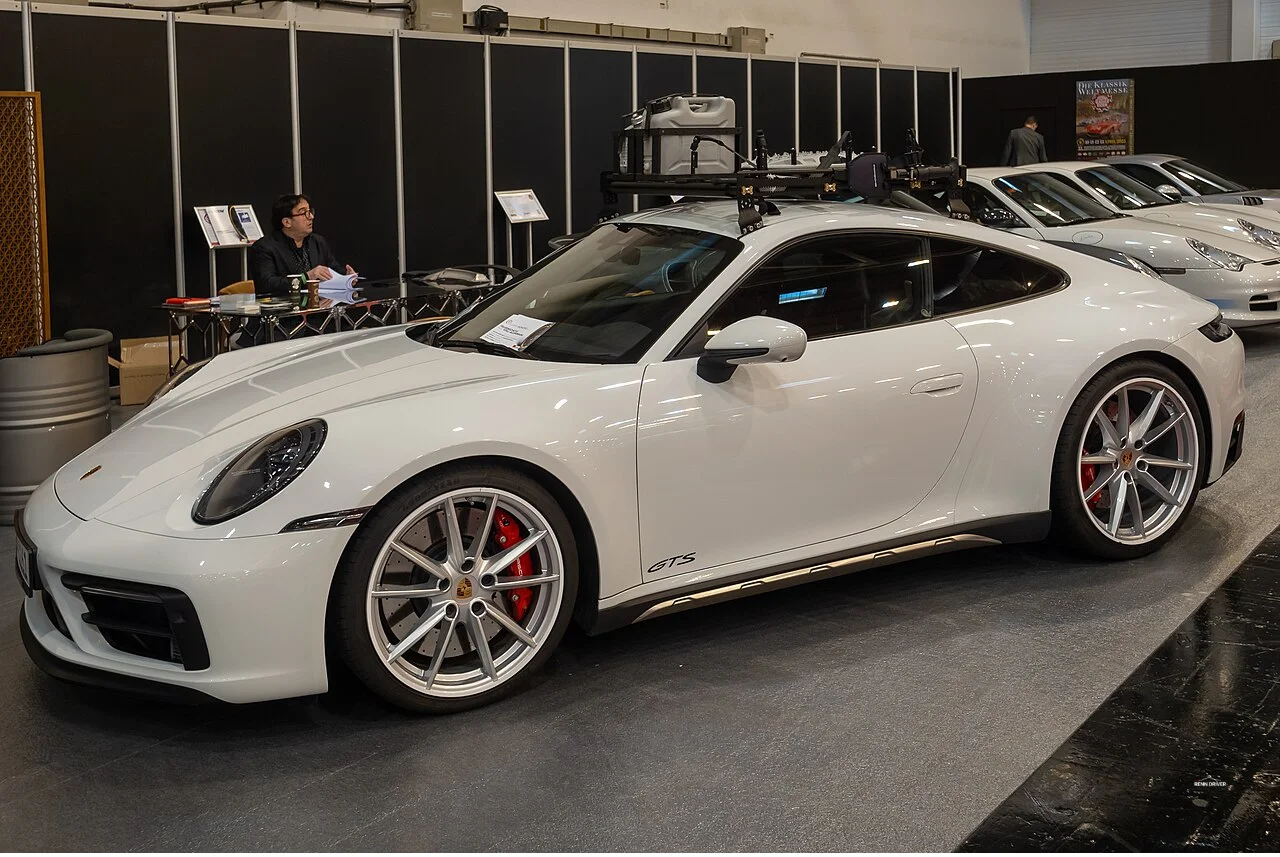
This guide breaks down every layer of tax, shows how they compound, compares real prices across markets, and covers the EV incentives that are starting to change the equation.
Contents
The Four Tax Layers
Thailand uses a layered tax system where each tax is calculated on top of the previous one. This compounding effect is what makes the final price so extreme for imported vehicles.
Here are the four taxes applied to a fully built imported car:
| Tax | Rate | Applied To |
|---|---|---|
| Import Duty | 80% | CIF value (cost + insurance + freight) |
| Excise Tax | 30% to 50% | CIF + import duty (rate varies by CO2 and engine size) |
| Interior Tax | 10% | Excise tax amount |
| VAT | 7% | CIF + import duty + excise + interior tax |
The CIF value is the starting point. CIF stands for Cost, Insurance, and Freight. It represents the price of the car plus shipping and insurance to get it to a Thai port. Every tax after that builds on the running total.
For a high performance car with a large engine, the combined tax burden typically reaches 200% to 300% of the original CIF value. That is not a typo. A $100,000 car can easily become a $300,000 car once all four layers are stacked.
Excise Tax Rates by Vehicle Type
Thailand switched from an engine size based excise tax to a CO2 emissions based system in 2016. The rate you pay depends on the type of vehicle, its CO2 output, and whether it runs on alternative fuels.
Here are the excise rates for passenger cars (sedans, coupes, SUVs that are not pickup based):
| CO2 Output (g/km) | Standard Fuel | E10/E20 | E85/CNG |
|---|---|---|---|
| 100 to 150 | 30% | 25% | 20% |
| 151 to 200 | 35% | 30% | 25% |
| Over 200 | 40% | 35% | 30% |
| Engines over 3,000cc | 50% | n/a | n/a |
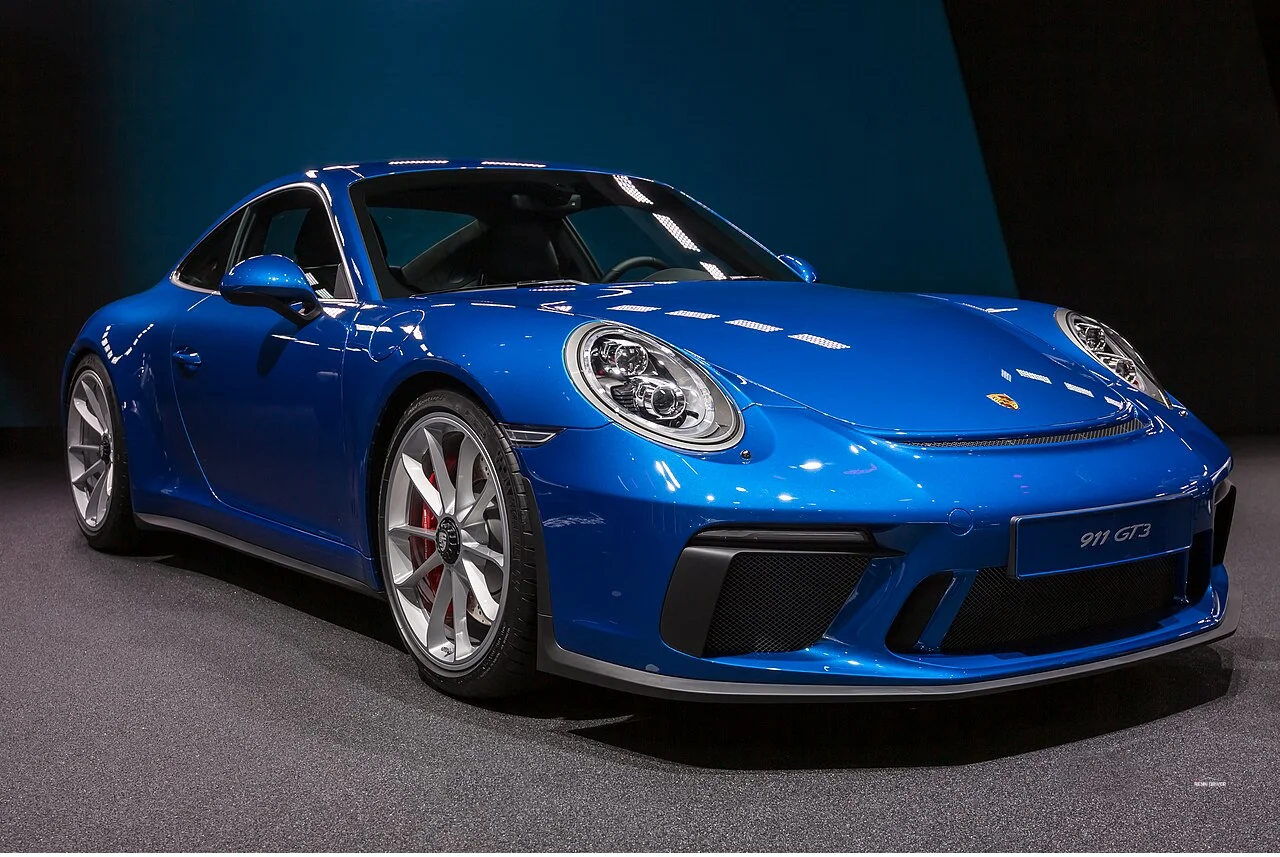
A Porsche 911 Carrera with a 3.0 liter twin turbo flat six that emits well over 200 g/km faces the 40% rate. A GT3 with its 4.0 liter engine crosses the 3,000cc threshold and hits the maximum 50% rate. The excise tax alone adds tens of thousands of dollars before VAT is even calculated.
Cars that qualify for Thailand’s Eco Car program get dramatically lower rates. Petrol engines under 1,300cc with CO2 under 100 g/km pay just 14% excise. This is how cars like the Honda Brio, Nissan March, and Suzuki Swift stay affordable in Thailand.
Why Pickup Trucks Dominate Thailand
Drive anywhere in Thailand and you will see pickup trucks everywhere. Toyota Hilux, Isuzu D-Max, Ford Ranger, Mitsubishi Triton. They are not popular by accident. The tax system was built to favor them.
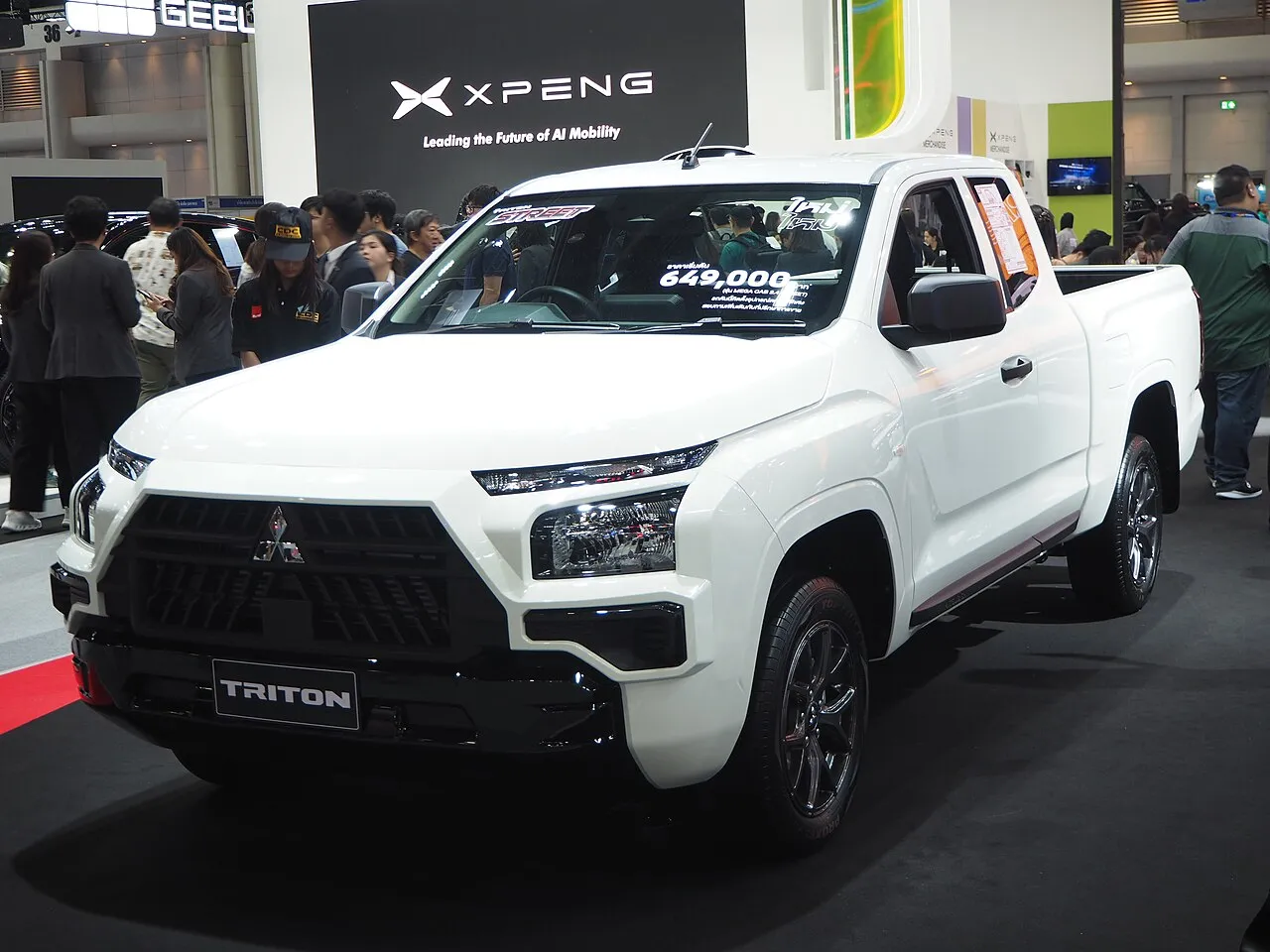
Pickup truck excise rates are dramatically lower than passenger cars:
| Body Type | 200 g/km or Less | Over 200 g/km |
|---|---|---|
| Single Cab | 3% | 5% |
| Space Cab | 5% | 7% |
| Double Cab | 12% | 15% |
| Pickup based SUV (PPV) | 25% | 30% |
A single cab pickup pays 3% excise. A Porsche 911 pays 40% to 50%. That gap is the entire reason Thailand’s roads look the way they do. The policy was designed to support the domestic automotive industry, and Thailand is one of the largest pickup truck manufacturers in the world.
PPV models like the Toyota Fortuner and Isuzu MU-X are built on pickup truck platforms. They qualify for the 25% to 30% rate instead of the 40% rate that a comparable imported SUV would face. This is why PPVs are the family car of choice across Southeast Asia.
What a Porsche Actually Costs in Thailand
Here is an approximate breakdown for a Porsche 911 Carrera with a CIF value of $100,000 (roughly 3.5 million THB). This assumes a 3.0L engine with the 40% excise rate.
| Item | Amount (USD) |
|---|---|
| CIF Value | $100,000 |
| Import Duty (80%) | $80,000 |
| Subtotal | $180,000 |
| Excise Tax (40%) | $72,000 |
| Interior Tax (10% of excise) | $7,200 |
| Subtotal before VAT | $259,200 |
| VAT (7%) | $18,144 |
| Total landed cost | $277,344 |
Add customs broker fees, port handling, transportation within Thailand, dealer margin, and registration costs, and the total crosses $300,000 easily. Here is how that looks across the Porsche lineup:
| Model | USA MSRP | Thailand (approx.) | Premium |
|---|---|---|---|
| 911 Carrera | $115,000 | ~$355,000 | 3.1x |
| 911 Carrera S | $132,000 | ~$410,000 | 3.1x |
| 911 Turbo S | $230,000 | ~$710,000 | 3.1x |
| 911 GT3 | $175,000 | ~$570,000 | 3.3x |
The GT3 carries a higher premium because its 4.0 liter engine pushes it into the 50% excise bracket. Every Porsche sold through AAS Auto Service, the official dealer in Thailand, arrives as a fully assembled import from Germany. AAS absorbs the entire tax burden and builds it into the retail price.
For the full walkthrough on buying a Porsche in Thailand, including the AAS ordering process and financing, see our dedicated guide.
Annual Road Tax and Registration
After the upfront purchase taxes, Thai car owners pay an annual road tax based on engine displacement. This is handled at the Department of Land Transport (DLT) and is sometimes called the vehicle registration renewal tax.
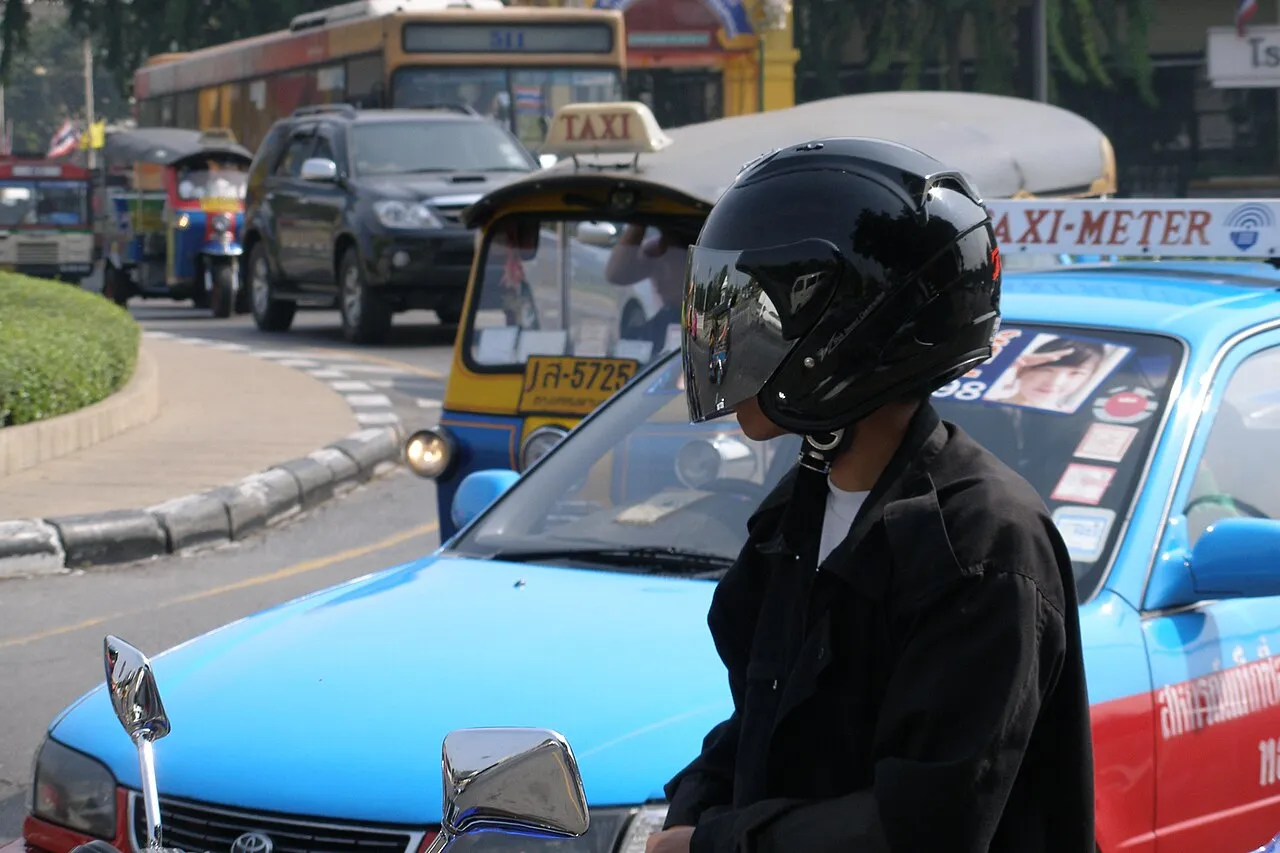
The rates scale with engine size:
| Engine Size | Approximate Rate |
|---|---|
| Up to 600cc | ~0.50 THB per cc |
| 601 to 1,800cc | ~1.50 THB per cc |
| 1,801cc and above | Graduated scale, higher per cc |
For a 3.0 liter Porsche 911, the annual road tax runs approximately 4,000 to 6,000 THB per year (roughly $110 to $170). After spending $355,000 on the car, the annual tax is pocket change.
Separately, every car in Thailand needs compulsory third party insurance (Por Ror Bor / พ.ร.บ.), which costs around 600 to 900 THB per year for a passenger car. Most owners also carry comprehensive coverage on top of that, especially for expensive vehicles. See our guide on Porsche insurance in Thailand for the full breakdown.
Red Plate vs White Plate
When you buy a new car in Thailand, it does not come with permanent registration plates immediately. The registration process through the DLT typically takes four to eight weeks. During that period, the car runs on temporary red plates.
Red plates carry significant restrictions:
- Cannot drive outside the registration province without special permission
- Prohibited from expressways
- No night driving without authorization
- Must carry all original documents at all times for police inspection
Once the DLT processes the registration, you receive permanent white plates (white background with black text for private cars). These have no driving restrictions.
Thailand also has vanity plates sold through government auctions. These are a status symbol, and the record price paid at auction was over 45 million THB (roughly $1.3 million) for a single license plate number. Vanity plates are common on high end cars in Bangkok.
EV Tax Incentives
Thailand is aggressively pushing electric vehicles through tax incentives. The goal is to become the regional EV manufacturing hub, and the tax breaks reflect that ambition.
Under the EV 3.0 and 3.5 packages (launched 2022, updated 2024), battery electric vehicles get dramatically different treatment:
- Excise tax reduced to just 2% for battery EVs (compared to 30% to 50% for combustion cars)
- Import duty reduced from 80% to as low as 0% to 20% for qualifying EVs, depending on retail price
- Consumer subsidy of 50,000 to 150,000 THB per vehicle (varies by battery size and price bracket)
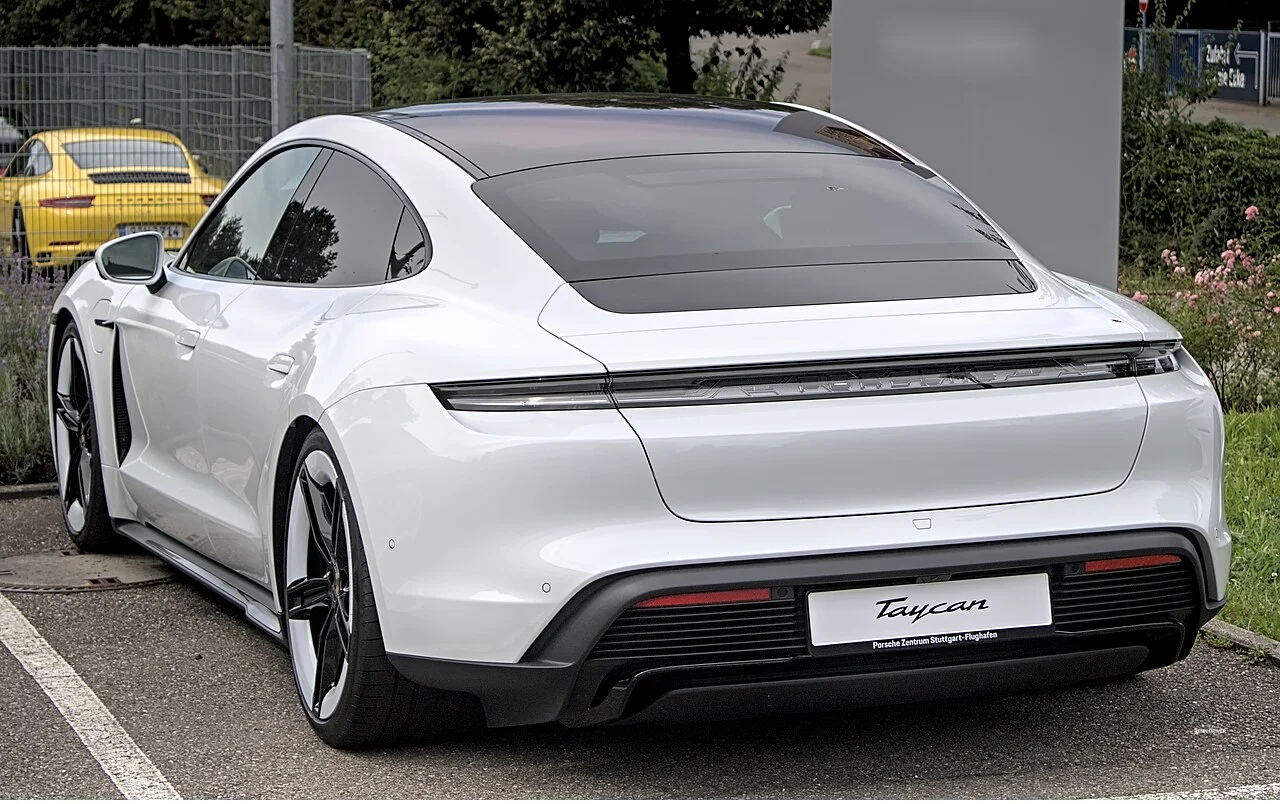
For Porsche buyers, the Taycan benefits significantly. A 2% excise rate versus 40% on a 911 saves millions of baht. The Taycan still costs approximately 7 to 12 million THB depending on variant, but that is considerably less than it would be under the standard ICE tax structure.
The catch is that manufacturers must commit to local production within two to three years to keep the incentives. Chinese brands like BYD, MG, and Great Wall have jumped in aggressively. Thailand reached 15.4% plug in EV market share in 2024, up from 12% in 2023, driven largely by affordable Chinese EVs.
Thailand’s official target under the 30@30 policy is for 30% of domestically produced vehicles to be electric by 2030.
First Car Buyer Rebate
Thailand ran a first time car buyer tax rebate (รถยนต์คันแรก) in 2011 and 2012 under Prime Minister Yingluck Shinawatra’s government. Buyers could claim a refund of excise tax up to 100,000 THB on their first car purchase.
The rules were strict: Thai citizens only, age 21 or older, engine not exceeding 1,500cc, and price not exceeding 1 million THB. Over 1.2 million people applied. The program was widely criticized for pulling forward years of demand and causing a sharp sales slump afterward.
The scheme is no longer active. There has been occasional political talk about reviving it, but nothing has been implemented since. It would not have applied to Porsche buyers anyway, given the engine size and price limits.
CBU vs CKD Assembly
CBU stands for Completely Built Up, meaning a fully assembled car shipped as a finished product. CKD stands for Completely Knocked Down, meaning the car is shipped in parts and assembled locally in Thailand.
Thailand offers reduced import duty rates for CKD vehicles because local assembly creates jobs. Several manufacturers operate CKD plants in Thailand, including Toyota, Honda, BMW, and Mercedes-Benz. BMW assembles certain 3 Series and 5 Series models locally, dropping the duty rate from 80% to around 30%.
Porsche does not have a CKD operation in Thailand. Every Porsche arrives fully assembled from Germany and pays the full 80% import duty. This is one of the biggest reasons Porsche prices in Thailand are so much higher than brands that assemble locally.
For more on how the import process works and why private imports rarely save money, see our importing guide. And for what it costs to keep the car running after you buy it, check out Porsche maintenance costs in Thailand.
Renn Driver’s Take
I have not written my take on this yet. When I do, it will cover what all of this means for someone thinking about buying a car in Thailand and whether the tax premium is worth it.
Frequently Asked Questions
How much tax does Thailand charge on cars?
Thailand charges 80% import duty, 30% to 50% excise tax (based on CO2 emissions and engine size), 10% interior tax, and 7% VAT. These taxes compound on each other, resulting in a total tax burden of roughly 200% to 300% of the original car value for imported vehicles.
Why are cars so expensive in Thailand?
The compounding tax structure is the primary reason. Each tax is calculated on top of the previous one, so the final price escalates dramatically. A car that costs $100,000 before tax can end up at $280,000 to $300,000 after all four tax layers are applied.
Why are there so many pickup trucks in Thailand?
Pickup trucks pay excise tax of just 3% to 15%, compared to 30% to 50% for passenger cars. This massive tax gap makes pickups far more affordable than sedans or SUVs. Thailand is also one of the world’s largest pickup truck manufacturers, and the tax policy was designed to support that industry.
Are electric cars cheaper in Thailand?
Yes, relative to what they would cost under the standard tax regime. Battery EVs pay just 2% excise tax instead of 30% to 50%, and import duties are reduced from 80% to as low as 0% to 20%. Government subsidies of 50,000 to 150,000 THB per vehicle further reduce the price.
How much is annual road tax in Thailand?
Annual road tax is based on engine displacement. For a typical 1.5 liter car, it runs about 2,000 to 3,000 THB per year. For a 3.0 liter Porsche, expect roughly 4,000 to 6,000 THB per year ($110 to $170).
Does Thailand have a reduced tax rate for classic cars?
No. Thailand does not offer any duty or excise reduction for classic or vintage vehicles. A 1973 Porsche 911 faces the same tax structure as a brand new one.
Images: Matti Blume (EMS 2024), Chanokchon, Vyacheslav Argenberg, Alexander-93 — CC BY-SA 4.0, via Wikimedia Commons