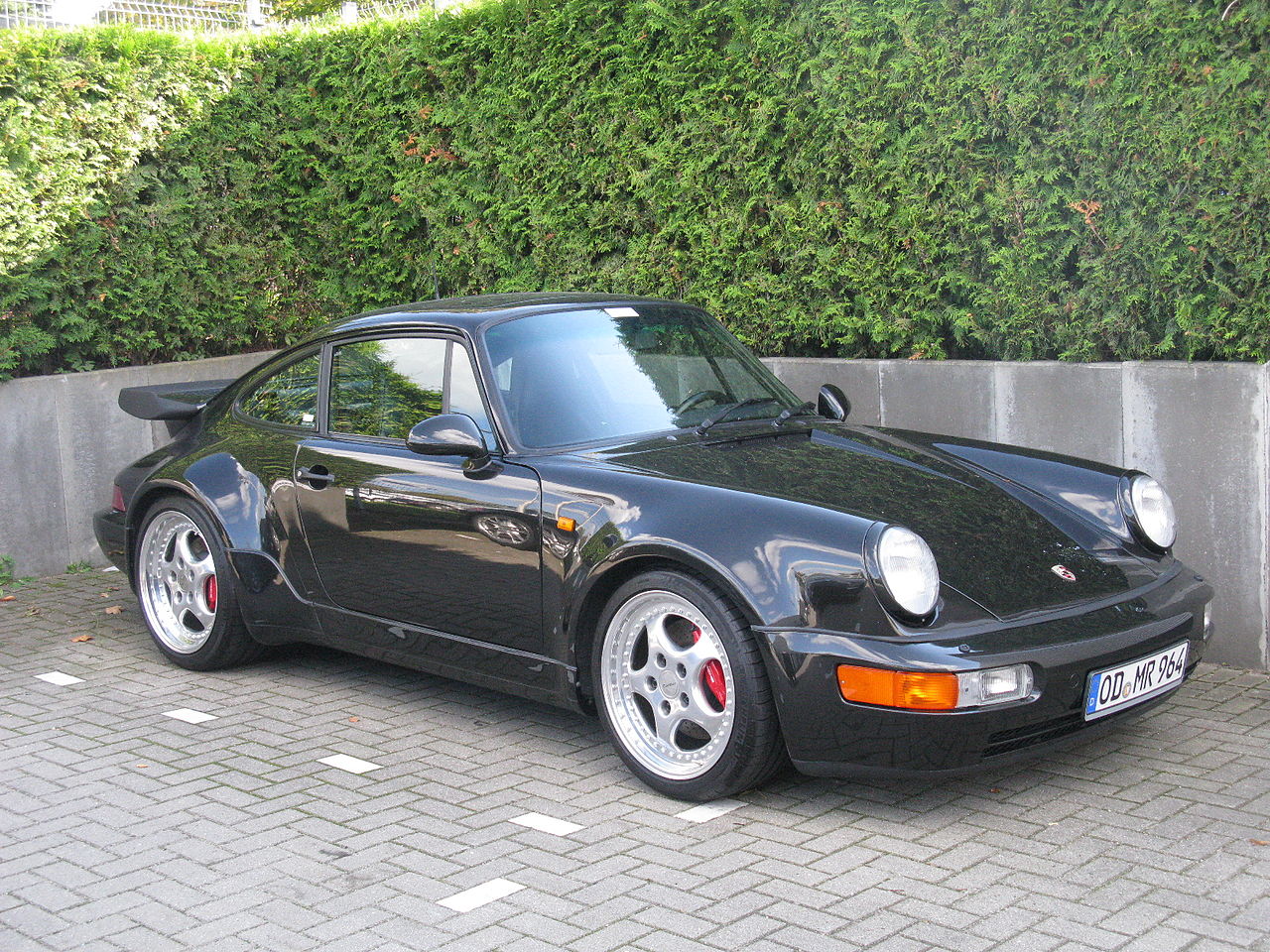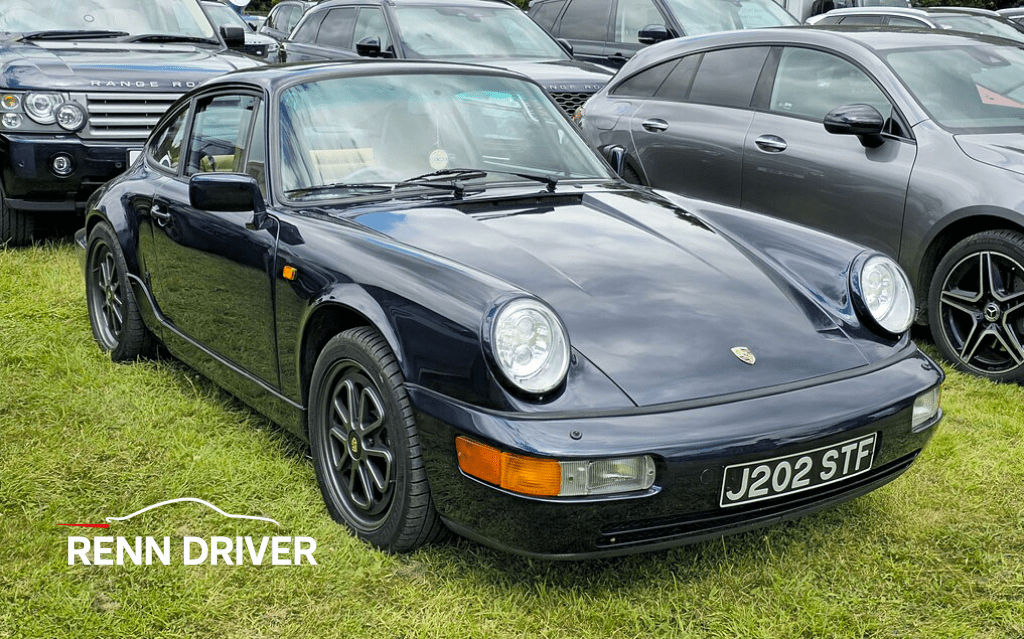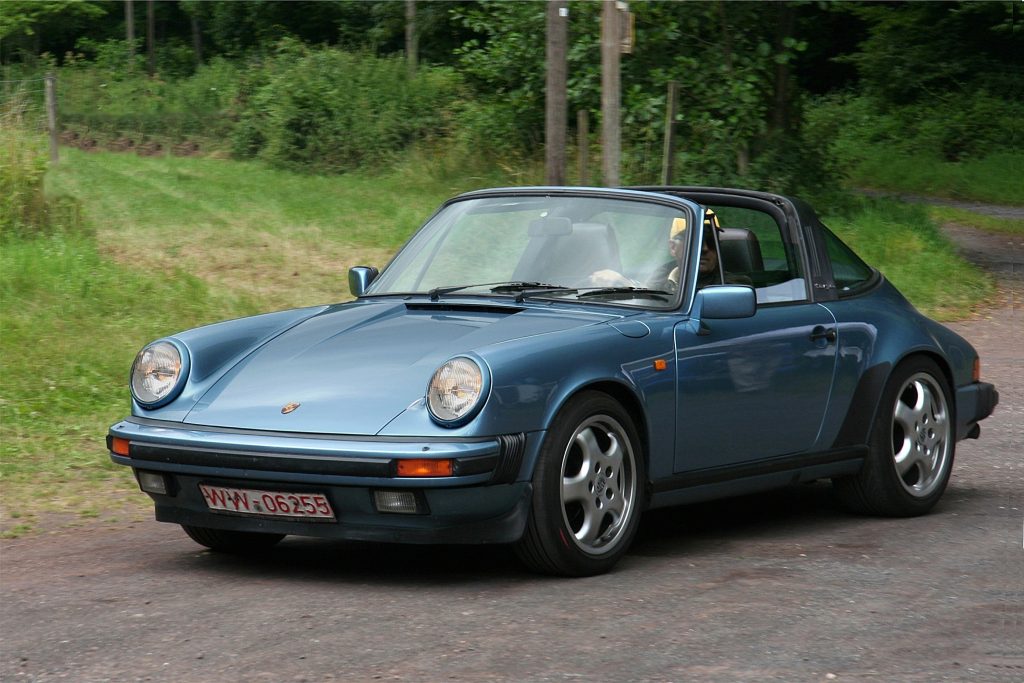
Driving a Porsche in Thailand is rewarding but comes with challenges. Bangkok traffic is among the worst in the world, speed bumps are aggressive and frequent, and the country drives on the left side of the road. Outside Bangkok, Thailand has excellent driving roads, particularly in the north and along the coast. Premium 95 octane fuel is widely available, and the growing Porsche community means track days and events are increasingly common.
Contents
- 1 Quick Summary
- 2 Driving in Bangkok
- 3 Road Conditions
- 4 Driving on the Left
- 5 Fuel and Octane
- 6 Speed Bumps and Ground Clearance
- 7 Toll Roads and Expressways
- 8 Best Driving Roads in Thailand
- 9 Track Days
- 10 Parking
- 11 Renn Driver's Take
- 12 FAQs
- 13 Final Thoughts
The full guide below covers all the details.
Quick Summary
- Driving side: Left (right-hand drive cars)
- Best fuel: Benzin 95 (ULG 95) or Benzin 95 E10
- Speed limits: 90 km/h highways, 80 km/h rural, 50 km/h urban (rarely enforced)
- Major hazard: Speed bumps, especially unmarked ones
- Best driving areas: Northern Thailand (Chiang Mai loops), Khao Yai, coastal roads
- Track options: BIRA Circuit (Pattaya), Pathumthani Speedway (Bangkok area)
- License required: Thai driver's license or International Driving Permit
Driving in Bangkok
Bangkok traffic is legendary for a reason. During rush hours (7 to 9 AM, 5 to 8 PM), major roads become parking lots. A journey that takes 20 minutes at midnight can take 90 minutes during peak hours. The Sukhumvit, Silom, and Rama IV corridors are particularly congested.
For a Porsche owner, this means spending significant time in first and second gear, which puts extra wear on the clutch (for manual cars) and increases fuel consumption. Air-cooled Porsches face additional challenges in slow traffic because the engine relies on forward motion for cooling. Extended idling in 35 degree Celsius heat is not ideal for an air-cooled flat-six.
The good news: Bangkok has an extensive elevated expressway system that can cut commute times dramatically. These toll roads are fast, smooth, and well-maintained. They are the best way to move through the city in a sports car.
Outside of rush hours, Bangkok is actually a decent city to drive in. The wide boulevards along the river, the relatively empty roads after 9 PM, and the occasional blast through the expressway tunnels make it worthwhile.

Road Conditions
Road quality in Thailand varies dramatically by location.
Bangkok and major highways: Generally excellent. The surfaces are smooth asphalt, well-marked, and regularly maintained. The motorways connecting Bangkok to Pattaya, Hua Hin, and Khao Yai are comparable to European highway standards.
Provincial roads: Mixed quality. Main routes between cities are usually good, but secondary roads can have potholes, uneven surfaces, and unexpected drops where the asphalt meets a dirt shoulder. After heavy rain, road surfaces can deteriorate quickly.
Rural and mountain roads: The best driving in Thailand happens on these roads, but they require attention. Blind corners, dogs sleeping on warm asphalt, motorcycles driving against traffic, and sudden washouts during monsoon season are all real hazards. The roads themselves are often well-surfaced, but the unpredictability of other road users keeps you alert.
Flooding: Bangkok and much of central Thailand flood during the monsoon season (roughly July through November). Driving a low-slung Porsche through even moderate standing water risks hydrolocking the engine and damaging electrical components. If a road looks flooded, turn around. There is no shortcut worth a flooded engine bay.
Driving on the Left
Thailand drives on the left side of the road, which means cars are right-hand drive (steering wheel on the right). If you are coming from the US, Europe, or most of mainland Asia, this takes adjustment.
The biggest challenges:
- Roundabouts: Traffic flows clockwise, opposite to what US/European drivers expect.
- Turns: Right turns cross oncoming traffic (equivalent to left turns in right-hand drive countries).
- Lane discipline: Thai drivers are generally forgiving of mistakes, but motorcycles weave through traffic unpredictably on both sides.
- U-turns: Thailand uses U-turn lanes extensively instead of left turns at intersections. You will drive past your destination, make a U-turn at the designated spot, and come back.
Most drivers adapt within a day or two. The expressway system is the easiest place to start since there are no opposing lanes or complex intersections.
One practical note: if you purchase a Porsche locally, it will be right-hand drive. Importing a left-hand drive Porsche is technically possible but creates visibility issues when overtaking on Thai roads.
Fuel and Octane
Thailand has a straightforward fuel system, but the labels are different from what you might be used to.
- Benzin 95 (ULG 95): 95 octane (RON), no ethanol. The best option for a Porsche. Available at most Shell, PTT, Esso, and Caltex stations.
- Benzin 95 E10 (Gasohol 95): 95 octane with 10% ethanol. Works fine in most modern Porsches (997 onward). Slightly cheaper than straight Benzin 95.
- Benzin 91 E10 (Gasohol 91): 91 octane with 10% ethanol. Avoid this for a Porsche. The lower octane can cause knock in high-compression engines.
- E20 and E85: Higher ethanol blends. Do not use these in a Porsche unless the car is specifically tuned for them.
Fuel prices in Thailand are regulated and displayed per liter. As of 2026, Benzin 95 costs approximately 38 to 42 THB per liter ($1.10 to $1.20 USD). That is comparable to European prices but higher than the US.
Shell and PTT stations are the most reliable for premium fuel quality. In remote areas, fuel availability drops, so plan ahead if you are driving through the mountains or along less-traveled coastal roads.
Speed Bumps and Ground Clearance
Speed bumps in Thailand are a serious concern for any sports car. They are everywhere, especially in residential areas, near temples, and at the entrance to parking garages. Some are painted and well-marked. Many are not.
The worst offenders are the unmarked rubber speed bumps placed on secondary roads. These can be nearly invisible at night and are tall enough to scrape the underside of a standard 911 Carrera, which has approximately 100mm (3.9 inches) of ground clearance.
Tips for dealing with speed bumps in a Porsche:
- Use PASM lift (if equipped). The front axle lift system on newer 911s raises the nose by 40mm. If your car has it, use it liberally in the city.
- Approach at an angle. Crossing a speed bump diagonally reduces the effective height the car needs to clear.
- Go slow. Scraping the front splitter or underbody on a speed bump is expensive. There is no reason to rush.
- Learn your routes. Regular commuters in Bangkok know which streets have aggressive speed bumps and plan accordingly.
GT3 and GT3 RS models, with their lower ride heights and front splitters, are particularly vulnerable. Many Thai Porsche owners avoid driving their GT cars on public roads for this reason, reserving them for track days only.

Toll Roads and Expressways
Bangkok's elevated expressways are the best thing about driving in the city. The three main systems are:
- Don Muang Tollway: Runs north from central Bangkok to Don Muang Airport and beyond.
- Sirat Expressway: The main elevated ring connecting key areas of Bangkok.
- Chalerm Mahanakhon Expressway: Connects southern Bangkok to the port area and the motorway to Pattaya.
Tolls range from 25 to 120 THB depending on distance. Payment is by cash at toll booths or via Easy Pass (an RFID transponder that attaches to the windshield). Getting an Easy Pass is highly recommended. It saves time at toll booths and is accepted on most expressways and the Bangkok motorway network.
The intercity motorways are also toll-based. The Bangkok to Pattaya motorway (Highway 7) is a fast, well-maintained dual carriageway that is one of the few places in Thailand where you can comfortably cruise at 120 km/h+ in a Porsche.
Best Driving Roads in Thailand
Thailand has genuinely excellent driving roads once you leave the cities. Here are the top options:
Samoeng Loop (Chiang Mai)
A roughly 100 km loop through the mountains northwest of Chiang Mai. The road climbs through jungle-covered hills with constant elevation changes, sweeping bends, and minimal traffic outside of weekends. The surface is good asphalt throughout. This is the best driving road in Thailand and one of the best in Southeast Asia.
Doi Inthanon (Chiang Mai)
The road to Thailand's highest peak (2,565m) climbs steadily through National Park. Well-surfaced with moderate traffic. The altitude means cooler temperatures, which your engine will appreciate.
Khao Yai (Nakhon Ratchasima)
About 2.5 hours northeast of Bangkok, the roads through Khao Yai National Park offer rolling hills, forest canopy, and a welcome escape from the heat and flatness of Bangkok. Popular with the Bangkok car community for weekend drives.
Samet Nangshe Viewpoint Road (Phang Nga)
A short but rewarding hill climb near the Andaman coast. The road twists up a limestone karst with stunning views of Phang Nga Bay. Narrow in places, so go early to avoid oncoming traffic.
Mae Hong Son Loop (Northern Thailand)
The legendary 600 km loop from Chiang Mai to Mae Hong Son and back, with 1,864 curves. This is a multi-day driving adventure through some of the most remote and beautiful terrain in the country. Not for the faint-hearted, as the roads are narrow and the drops are steep, but the driving is extraordinary.
Track Days
Thailand has a small but growing track day scene. The two main circuits accessible from Bangkok are:
BIRA International Circuit (Pattaya)
Located about 90 minutes southeast of Bangkok, BIRA (Bira International Racing Circuit) is a 2.41 km FIA-approved circuit. It hosts regular track days organized by various car clubs and event promoters. The circuit has good facilities, run-off areas, and a professional atmosphere. Several Porsche-specific track days are held here throughout the year.
Pathumthani Speedway (Bangkok area)
A smaller circuit about 45 minutes north of central Bangkok. Pathumthani is more accessible for quick track sessions and is popular with the local car community for casual events and time attack sessions.
Track day costs typically range from 3,000 to 8,000 THB for a full day, depending on the organizer and the circuit. Helmet rental is usually available. Some events include instruction and lead-follow sessions for beginners.
The Das Treffen car meets and Rising Sunday gatherings are great places to connect with other Porsche owners and learn about upcoming track days.
Parking
Parking a Porsche in Bangkok requires some care. Most shopping malls have covered parking garages with security cameras and guards, which are the safest option. Street parking is risky for two reasons: the sun (interior temperatures can exceed 60 degrees Celsius) and the possibility of damage from other vehicles, motorcycles, or vendors' carts.
A few practical tips:
- Use a sunshade. The Thai sun will destroy your dashboard and steering wheel over time.
- Park in basement levels. Cooler and safer than rooftop parking.
- Watch for tight ramps. Many older Bangkok parking garages have steep, narrow ramps with sharp turns at the bottom. If your 911 has a front splitter, approach slowly.
- Valet carefully. Valet parking is common in Bangkok. If you are uncomfortable handing over the keys, park yourself.
Renn Driver's Take
I will do some more research on this and give my updated thoughts soon.
Frequently Asked Questions
What side of the road does Thailand drive on?
Thailand drives on the left side of the road. Cars are right-hand drive, with the steering wheel on the right. This is the same system used in the UK, Japan, and Australia.
What fuel should I use for a Porsche in Thailand?
Use Benzin 95 (ULG 95) or Benzin 95 E10 (Gasohol 95) for a Porsche in Thailand. Both are 95 octane and work well in modern Porsche engines. Avoid 91 octane and high-ethanol blends like E20 or E85.
Are there speed limits in Thailand?
Yes, Thailand has speed limits: 90 km/h on highways, 80 km/h on rural roads, and 50 km/h in urban areas. Enforcement is inconsistent. Speed cameras exist on some major highways and expressways.
Can I do track days with my Porsche in Thailand?
Yes, you can do track days at BIRA International Circuit near Pattaya and Pathumthani Speedway north of Bangkok. Track days cost approximately 3,000 to 8,000 THB per day and are organized by various car clubs and event promoters throughout the year.
Is it safe to drive a Porsche in Thailand?
Yes, driving a Porsche in Thailand is generally safe if you take precautions. The main risks are speed bumps (which can damage low cars), flooding during monsoon season, and unpredictable behavior from motorcycles and other road users. Road surfaces on major highways are good quality. Always carry insurance and a valid driver's license.
Do I need a Thai driver's license?
Yes, you need either a Thai driver's license or an International Driving Permit (IDP) to drive legally in Thailand. If you plan to stay long-term, converting to a Thai license is straightforward and takes about half a day at the Department of Land Transport (DLT).
Final Thoughts
Thailand is an increasingly compelling place to own and drive a Porsche. Bangkok traffic is brutal, but the expressway system helps, and the roads outside the city are genuinely excellent. Northern Thailand in particular offers some of the best driving in Southeast Asia, with mountain roads that rival anything in Europe for scenery and engagement.
The growing Porsche community, regular track days, and events like Das Treffen mean you will never be short of people to drive with. And the practical challenges (speed bumps, heat, flooding) are manageable with the right preparation and the right car spec.
For more on the Thailand Porsche scene, read our guides on buying a Porsche in Thailand and what it costs to maintain a Porsche here.
Photo credits: Ninara, CC BY 2.0, via Wikimedia Commons. Wikimedia Commons, public domain.