
Say “Porsche 911 Classic,” and Porsche enthusiasts think air-cooled. Four generations. Thirty-plus years of steady refinement. A shape you can sketch from memory. These classic Porsche cars are the foundation of the 911 story and the reason the model still feels familiar today.
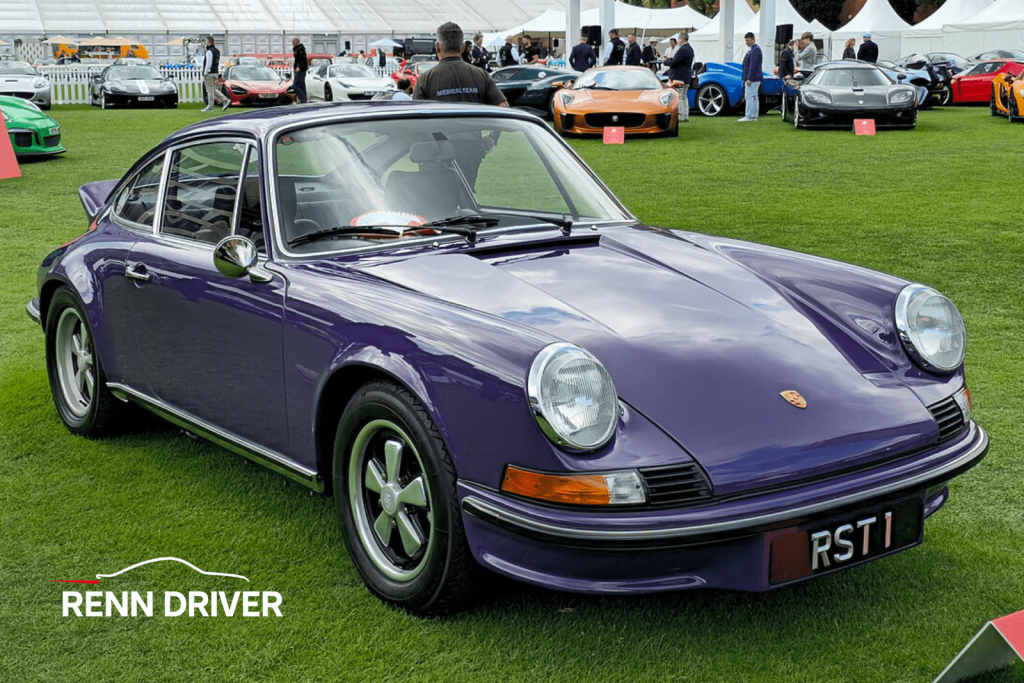
Why it matters now is simple. Air-cooled 911s deliver a driving feel that modern Porsche cars rarely match. They are light, communicative, and honest. Values have been strong for years, and interest keeps growing as younger fans discover the old-school charm. If you want to understand the 911, this is your first step.
Quick Summary
- Production years: 1964–1998 (air-cooled era)
- Engine: Air-cooled flat-six, 2.0–3.8 L
- Power: ~110–450 hp (model dependent)
- Transmission: 4- and 5-speed manuals (6-speed manual gearbox on 993); 4-speed Tiptronic optional on most 964 and 993 variants
- Top speed: ~125–184 mph
- Layout: Rear engine; rear wheel drive standard; AWD introduced on 964 Carrera 4 and 993 Carrera 4
- Legacy: The original 911 formula—compact, mechanical, and analog—setting the benchmark for design elements and driver feel that still defines the 911 today.
History and Evolution
The story of the Porsche 911 Classic spans more than three decades, with each generation refining the formula while keeping the air-cooled spirit alive.
Original 911 (1964–1973)
The 356 successor kept the rear-engine layout and added a six-cylinder heartbeat. Early 2.0-liter cars set the tone. Power and torque increased through the period, ending with legends like the 2.7 RS. In period comparisons, reviewers often lined up the 911 against Alfa Romeo’s best, with Porsche’s balance and durability giving it the edge. Long-hood style, thin bumpers, and a very light feel define this era.
G-Series or “impact bumper” cars (1974–1989)
New bumper rules changed the look. Underneath, the 911 grew up. Better reliability, better rust protection, and more power. The 911 SC, the 3.2 Carrera, and the legendary 930 turbo are the stars for buyers who want the classic looks with reasonable daily manners.
964 (1989–1994)
Familiar on the outside, modern underneath. ABS, airbags, and power steering arrived. The Carrera 4 brought all-wheel drive. It kept the air-cooled character but made the 911 easier to live with every day.
993 (1994–1998)
The last air-cooled 911 and a favorite for many in the automotive world. Its new multi-link rear suspension improved grip and handling through the next corner. Turbos from this era are blue-chip cars. Even standard Carreras feel special without losing usability.

Design and Aerodynamics
Classic 911 design elements are clever packaging. The engine sits behind the rear wheels, which gives traction on exit and a distinct balance. Early cars used slim bumpers and a clean nose. The 1970s added impact bumpers and bold color options.
Aero add-ons like the ducktail and whale tail were more than style. They helped stabilize at speed. The 993 smoothed the body and tucked the bumpers in, which makes it read as timeless and modern at once.
Engine, Drivetrain, and Chassis Tech
- Engines – Air-cooled flat-six with dry-sump lubrication. Displacement grew from 2.0 L to 3.8 L. Fueling evolved from carbs to mechanical injection to CIS and later Motronic.
- Transmissions – Early 901 gear setup was available as a 4- or 5-speed, then the stronger 915, then the G50 five-speed with better shift feel. Manual transmission models remain highly sought after.
- Suspension – Torsion bars front and rear through the G-Series. The 964 moved to coil springs and added optional adaptive dampers. The 993 introduced a multi-link chassis setup for better performance and control.
- Brakes and steering – Ventilated discs, ABS from 964 onward, and precise steering feedback that made these vehicles a joy on both road and track.

Interior and Driver Experience
Classic 911 cabins are simple and functional. Five clear gauges, thin pillars, and excellent visibility. You sit low in coupe form with a near-vertical windshield. Floor-hinged pedals and supportive seats keep you connected.
The steering is alive even at parking speeds. Accessories like wood trim or factory sport seats added individuality. The combination of compact size and responsive chassis makes it feel quick in any era.
Performance and Driving Impressions
Early models feel light on their feet, the throttle crisp, and the chassis eager. G-Series cars are calmer on the highway. The 964 adds stability and safety in wet conditions. The 993 is the most composed, delivering confidence when powering out of a corner.
In any variant, the grip from the rear-driven setup keeps you alert and engaged. Even today, a well-kept example can hold its own against modern automobiles.
Motorsport and Cultural Impact
Air-cooled 911s built Porsche’s company reputation. They inspired generations through racing, from rally stages to Le Mans. Special editions like the Sport Classic drew attention for their unique double bubble roof and bespoke lettering.
Collectors in the USA, Canada, and beyond often gather through their local Porsche club to celebrate the marque’s history. The influence even reached models like the Carrera GT, proving Porsche could master both road and race.
Buying Guide and Ownership Tips
Check for originality, including original parts and clean body panels. Look for solid chassis condition, minimal rust, and smooth engine operation. Paperwork is key—matching numbers, long-term ownership, and a documented life of careful use.
Whether in California sunshine or cruising across America, a well-maintained example offers a cool blend of heritage and performance.

Fun Facts About the Porsche 911 Classic
- Porsche introduced the 911 in 1964 as a replacement for the 356.
- The final 993 marked the end of air-cooled production in 1998 and the start of a new era.
- Factory paint colors ranged from subdued silvers to wild 1970s hues.
- Some rare setups featured unique bumpers and special accessories from the factory.
- Limited supply models often command higher prices on sale.
Frequently Asked Questions (FAQs)
What years were the Porsche 911 Classic models made?
The Porsche 911 Classic refers to the air-cooled models produced between 1964 and 1998, covering four generations: the Original 911, G-Series, 964, and 993.
Why are air-cooled Porsche 911s so valuable?
Air-cooled 911s are prized for their mechanical purity, timeless design, and distinctive driving feel. Limited supply and growing demand among enthusiasts have kept values strong.
Which Porsche 911 Classic is the most collectible?
The 1973 Carrera RS 2.7 is often considered the most collectible, but other models like the 930 Turbo and final-generation 993 Turbo are also highly sought after.
How much does a Porsche 911 Classic cost today?
Prices vary widely depending on the model, year, and condition. Entry-level G-Series cars may start around $50,000–$70,000, while rare or concours-quality examples can reach several hundred thousand dollars.
Is the Porsche 911 Classic reliable?
Yes, with proper maintenance. Air-cooled 911s are known for their durability, but they require regular servicing and careful attention to rust prevention.
What makes the Porsche 911 Classic different from modern 911s?
Classic models are lighter, more analog, and air-cooled. They offer a rawer and more connected driving experience compared to the more refined, technology-heavy modern 911s.
Final Thoughts
The Porsche 911 Sport Classic spirit lives on in these air-cooled legends. They’ve remained unchanged in core philosophy, rear engine, manual, driver-focused, even as the rest of the industry evolved. Each model year offers its own flavor, from delicate early cars to refined 993s.
For anyone ready to join the ranks of Porsche enthusiasts, exploring these cars is the first step toward understanding why the 911 is one of the most loved vehicles in the world.
Photo credit: Calreyn88, CC BY-SA 4.0, via Wikimedia Commons, dave_7 from Lethbridge, Canada, CC BY 2.0, via Wikimedia Commons