
The Porsche 911 Sport Classic is not just another special edition. It is a deliberate nod to the days when 911s were raw, mechanical, and unfiltered before the digital age smoothed out every bump and gear change.
Limited to just 1,250 units worldwide, this 992-generation Sport Classic channels the spirit of the 1973 Carrera RS 2.7 while packing the punch of modern Turbo engineering.
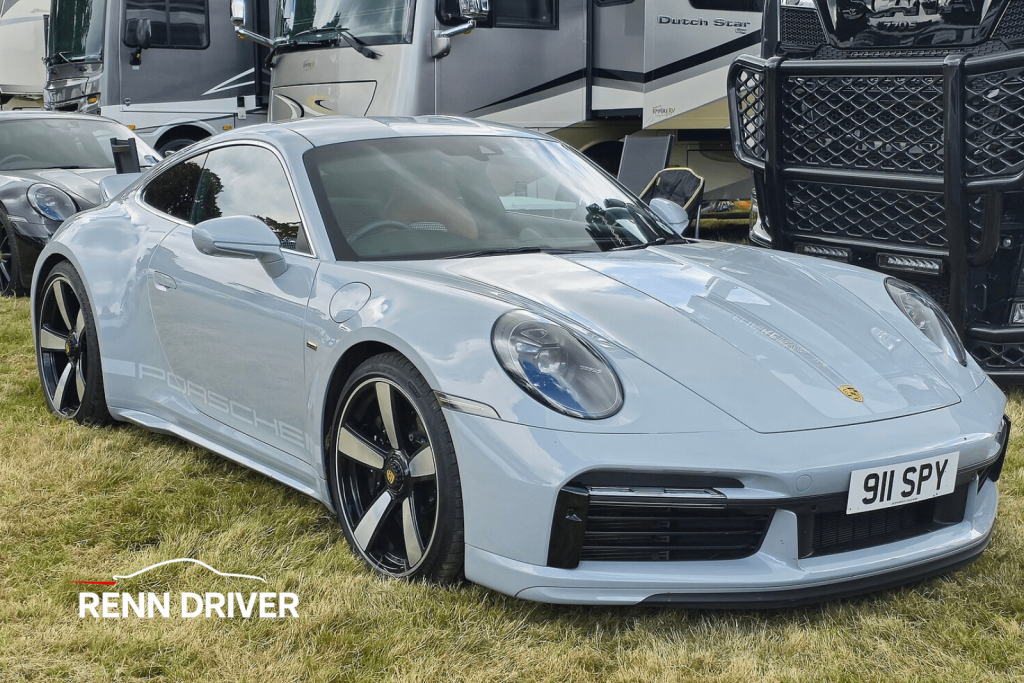
This matters because most high-powered Porsches today use PDK gearboxes and all-wheel drive. The Sport Classic proudly keeps things old-school.
In this article, we’ll look at how Porsche blended vintage style with modern performance, explore the unique details that set the Sport Classic apart from other 911s, and see why it has already earned a place among the brand’s most collectible modern cars.
Contents
Quick Summary
- Production Years: 2023 (992 generation)
- Engine: 3.7L twin-turbo flat-six
- Power: 543 hp, 442 lb-ft
- Transmission: 7-speed manual only
- Top Speed: ~196 mph (315 km/h)
- Layout: Rear-engine, rear-wheel drive
- Legacy: Modern homage to the 1973 Carrera RS 2.7, limited to 1,250 units worldwide
History and Inspiration
The “Sport Classic” name first appeared in 2009 on a 997-generation limited run of 250 cars. That car became an instant hit with collectors thanks to its ducktail spoiler, double-bubble roof, and retro interior.
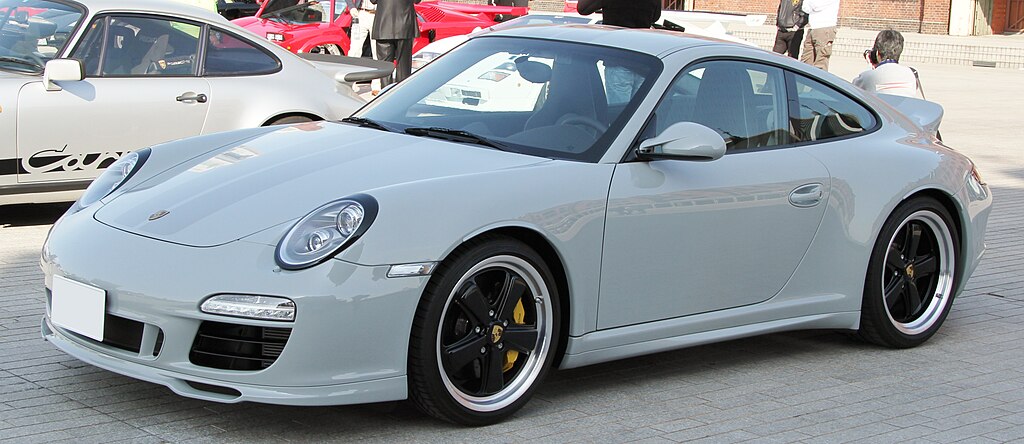
In 2022, Porsche announced the return of the concept for the 992 generation, which was produced as a 2023 model. This time, the inspiration came directly from the 1973 Carrera RS 2.7. The new Sport Classic borrows heritage cues like the ducktail, gold badging, and Fuchs-style wheels. It also incorporates the power and chassis of the modern 911 Turbo.
The result is a 911 that honors its past while delivering performance that would have been considered supercar territory only a decade ago.
Design and Features
Visually, the Sport Classic stands apart from other 911 models. The most obvious throwback is the fixed ducktail rear spoiler, a detail made famous by the RS 2.7. Paired with a model-specific double-bubble roof, it gives the car a silhouette unlike any other 992.
The exterior wears Sport Grey Metallic paint as standard. It is often described as a light sports grey shade inspired by Porsche designs from the 1960s and 1970s. Black-painted brake calipers, gold “Porsche” script, and center-lock Fuchs-style wheels complete the look.
Inside, the retro theme continues. Pepita houndstooth fabric inserts on the seats and door panels break up the black and cognac leather interior. The Porsche crest on the headrests and dash recalls earlier designs. Even the key fob is color-matched to the car.
Engine and Performance
Under the rear decklid is the same 3.7-liter twin-turbo flat-six found in the 911 Turbo. In the Sport Classic, it produces 543 horsepower and 442 lb-ft of torque. That is slightly less than the Turbo’s 572 hp, but here it is paired exclusively with a 7-speed manual transmission. This makes it the most powerful manual 911 in the current lineup.

Power goes only to the rear wheels, which gives the car a more traditional 911 handling balance. The suspension is tuned for this setup, with PASM Sport Suspension, rear-axle steering, and a wider rear track for stability.
The performance numbers are serious. It can accelerate from 0–60 mph in around 3.7 seconds and reach a top speed close to 196 mph. The real magic is in how it feels. Gear changes are deliberate and mechanical. Throttle response is sharp, and the chassis communicates every surface change without feeling harsh.
Comparison to Other 911 Models
The 911 Sport Classic occupies a very specific place in the current Porsche lineup. While it borrows heavily from the 911 Turbo, the changes are aimed at creating a more engaging, heritage-inspired drive.
The Turbo delivers more outright power at 572 horsepower, uses an all-wheel-drive system, and comes only with the quick-shifting PDK transmission. The Sport Classic takes the same 3.7-liter twin-turbo engine, slightly detunes it to 543 horsepower, and pairs it with a manual gearbox and rear-wheel drive.
Against the standard 911 Carrera, the Sport Classic feels far more exclusive and has a much higher performance ceiling. It also carries a host of visual and interior details that connect it directly to Porsche’s past.
Compared to the 911 Targa 4S Heritage Edition, the Sport Classic is more performance-focused. Both celebrate Porsche’s history, but the Sport Classic’s combination of power, handling, and limited numbers gives it a sharper edge for collectors and driving enthusiasts.
Ownership and Exclusivity
Owning a 911 Sport Classic is as much about the experience as it is about the car itself. Porsche built only 1,250 examples worldwide, and most were sold before they were officially revealed. That scarcity has already made it a sought-after allocation among enthusiasts and collectors.
Every Sport Classic is assembled by Porsche Exclusive Manufaktur. The level of personalization available is extensive, especially for buyers who opt into the Sonderwunsch program. This allows for unique paint finishes, custom leatherwork, and other bespoke touches that ensure no two cars are exactly the same. Some collectors chose rarer hues such as Gentian Blue Metallic, which makes their 911 Sport Classic even more unique.
The car also grants entry into Porsche’s network of heritage and special-edition events. For many owners, this community aspect is as valuable as the car’s performance or potential appreciation. With its rarity, craftsmanship, and connection to Porsche history, the Sport Classic is expected to hold its value well into the future.
Fun Facts About the Porsche 911 Sport Classic
- It is currently the most powerful new Porsche you can buy with a manual transmission.
- The ducktail spoiler design was first introduced on the 1973 Carrera RS 2.7 to improve stability at high speed. Some countries banned it at the time due to safety concerns.
- The double-bubble roof shape dates back to 1950s Porsche race cars, designed to give drivers extra helmet clearance without hurting aerodynamics.
- The Sport Grey Metallic paint is exclusive to this model, with its shade inspired by classic Porsche colors from the 1960s.
- Each Sport Classic has gold-finished Porsche lettering on the rear, a detail borrowed from vintage 911s.
Frequently Asked Questions (FAQs)
How many Porsche 911 Sport Classic cars were made?
Porsche limited the production to 1,250 units worldwide, making it one of the rarest models in the current 911 lineup.
Is the Porsche 911 Sport Classic manual only?
Yes, the Porsche 911 Sport Classic is manual only. It comes exclusively with a 7-speed manual transmission, aimed at enthusiasts who want maximum driver engagement.
Does it share its engine with the 911 Turbo?
Yes, the 911 Sports Classic uses the same 3.7-liter twin-turbo flat-six as the 911 Turbo. However, the output is slightly lower at 543 horsepower.
Is the 911 Sport Classic street legal?
Yes, absolutely. It is designed for road use and meets all legal requirements in the markets where it is sold.
Is the Porsche 911 Sport Classic a good investment?
While no car is guaranteed to appreciate, the limited production, heritage design, and strong demand suggest it will likely hold or increase its value over time.
Conclusion
The Porsche 911 Sport Classic is proof that looking back can move you forward. It blends the visual cues and character of the brand’s most celebrated models with the performance and engineering of a modern 911. The result is a car that feels special whether parked in a collection or driven hard on a winding road.
It is also a reminder that in an era of increasing automation and driver aids, there is still a place for a powerful, manual, rear-wheel-drive Porsche. The Sport Classic is not just a tribute to the past. It is a statement about what makes driving fun today.
Which Porsche heritage model should we explore next?
Photo credit: Calreyn88, CC BY-SA 4.0, via Wikimedia Commons, TTTNIS, CC0, via Wikimedia Commons,