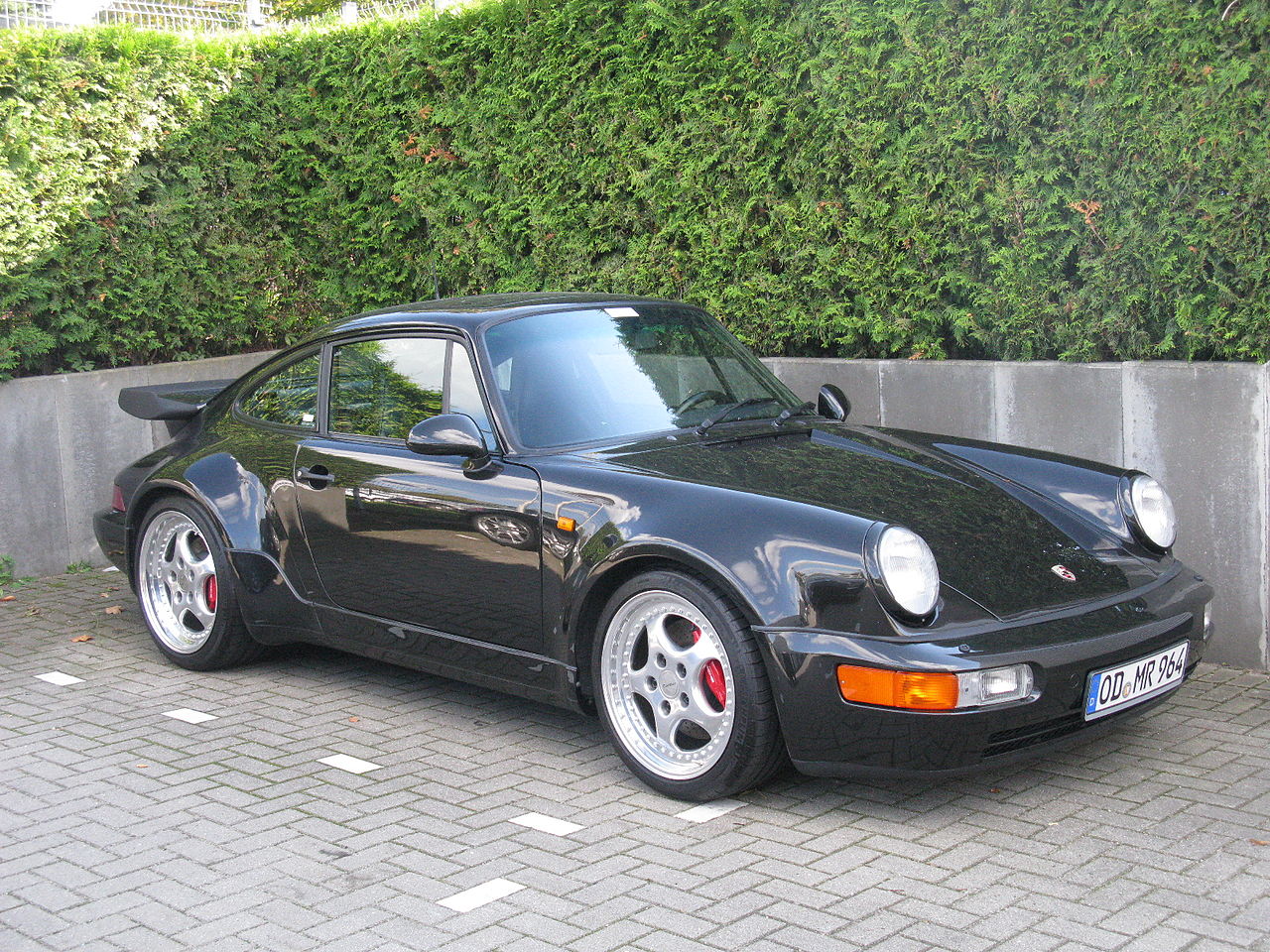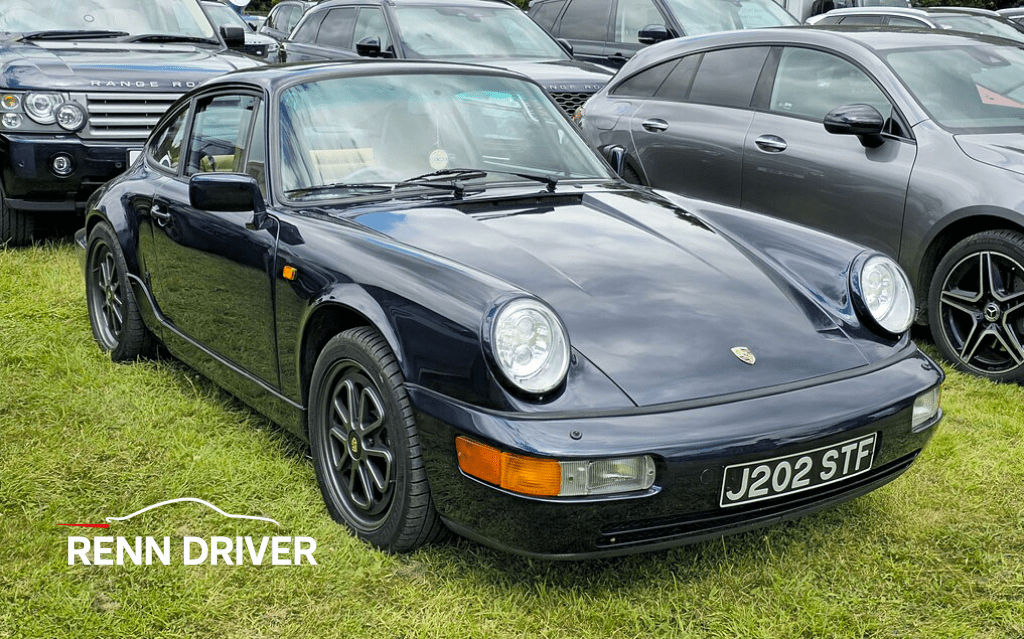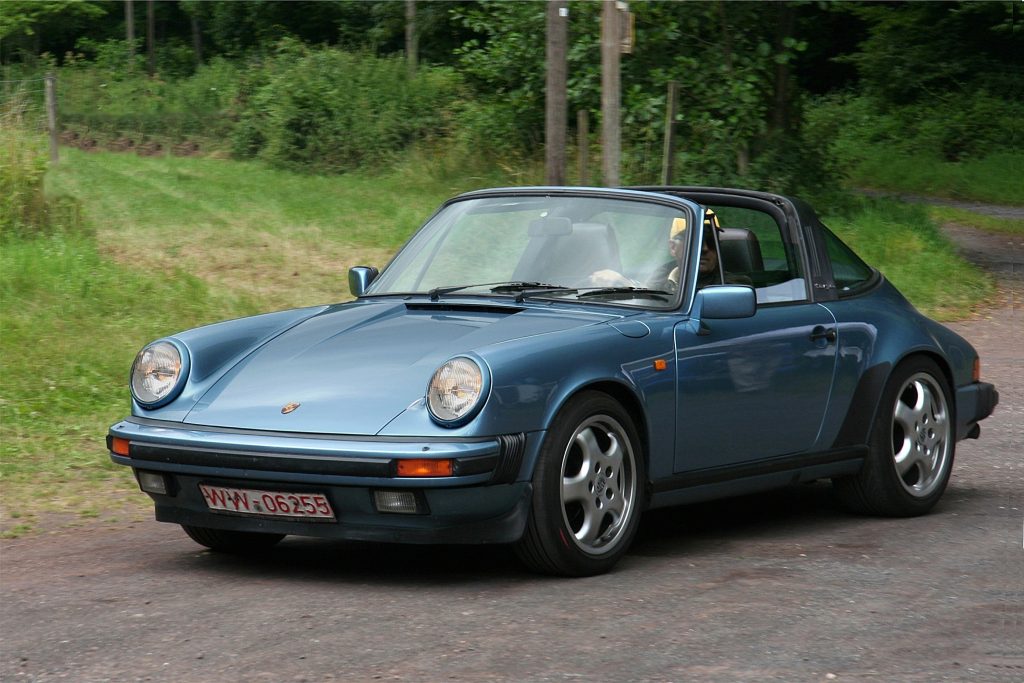
Two Porsche 911s carry the ST name. The original 911 ST (1970 to 1971) was a lightweight race homologation car with a 2.3L to 2.5L flat-six and approximately 50 units built. It is one of the rarest and most valuable 911s in existence, with values exceeding $2 million. The modern 911 S/T (2023) is a 992-generation special edition with a 525 hp naturally aspirated 4.0L flat-six, 6-speed manual, and 1,963 units produced. Both represent the purest expression of the 911 in their respective eras.
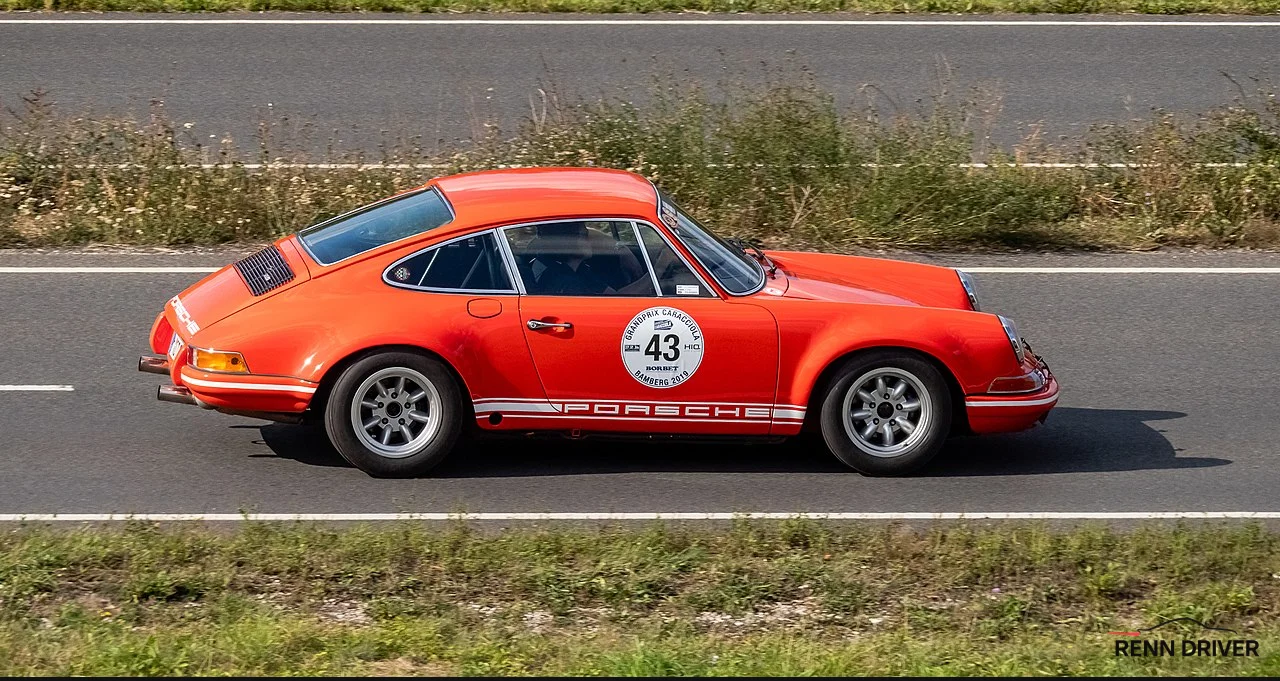
This guide covers both the original 1970 911 ST and the modern 2023 S/T, including specs, history, production numbers, and current values.
Contents
- 1 Two Cars, One Name
- 2 The Original 911 ST (1970 to 1971)
- 3 Original ST Specs and Engineering
- 4 Original ST Racing Record
- 5 Original ST Values
- 6 The Modern 911 S/T (2023)
- 7 Modern S/T Specs and Engineering
- 8 Modern S/T Driving Experience
- 9 Modern S/T Values
- 10 The Connection Between Old and New
- 11 Renn Driver's Take
- 12 FAQs
- 13 Final Thoughts
Two Cars, One Name
The letters "ST" appear twice in Porsche 911 history, separated by over fifty years. The original 911 ST was a homologation race car built in tiny numbers during 1970 and 1971. The modern 911 S/T is a 2023 special edition built to celebrate the 911's 60th anniversary.
Despite sharing a name, the two cars exist in completely different contexts. The original was built for the racetrack with minimal concessions to road use. The modern version is a road car built to capture the spirit of lightweight, driver-focused Porsche engineering. Both succeed on their own terms.
The Original 911 ST (1970 to 1971)
The original 911 ST sits between the 911 S and the later Carrera RS 2.7 in Porsche's competition history. "ST" stands for "Sport Trophy" or, in some accounts, simply denotes a competition variant of the S. Porsche built approximately 50 units across 1970 and 1971.
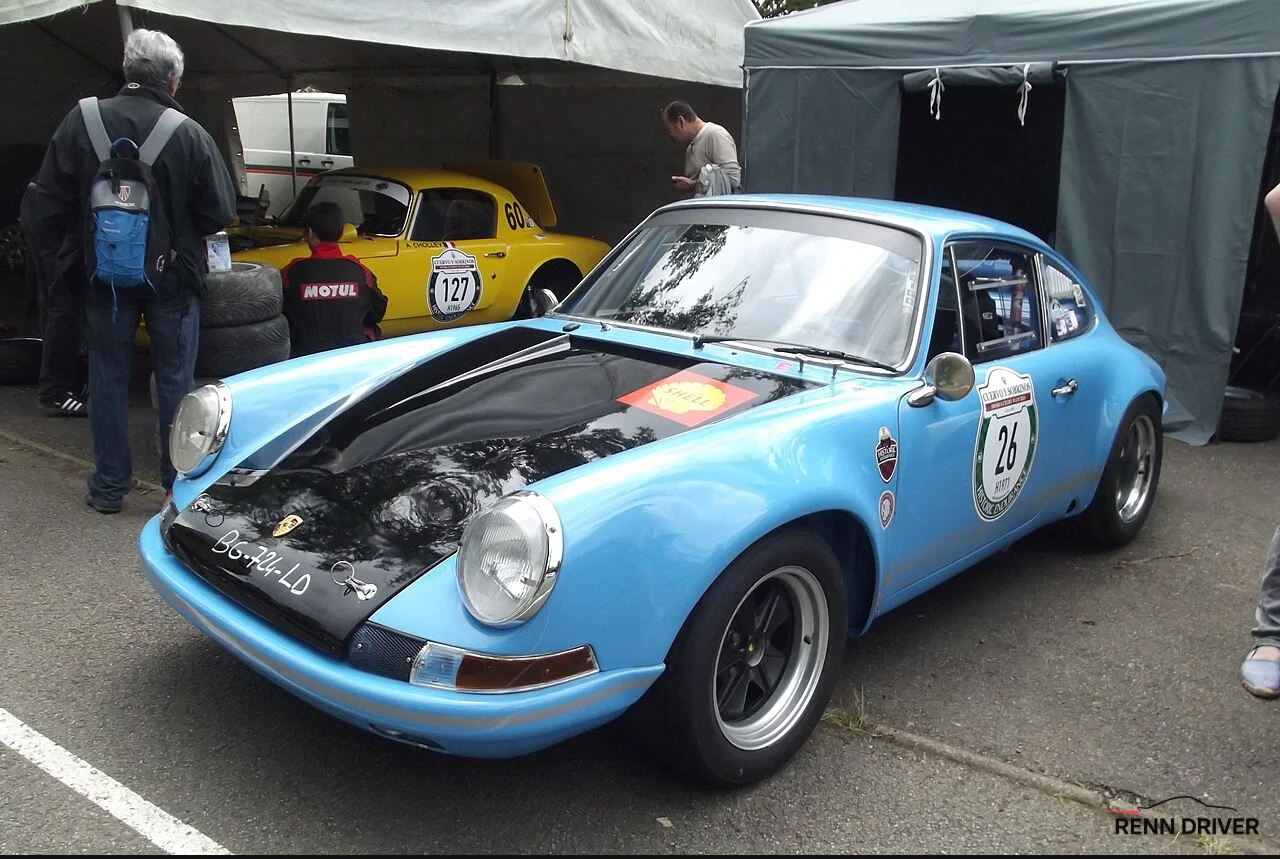
The ST was Porsche's primary weapon in FIA Group 4 racing before the Carrera RS 2.7 took over that role in 1973. It was developed by Porsche's competition department as a lightweight version of the 911 S, with thinner body panels, stripped interiors, and engines bored out to 2.3L and later 2.5L.
These were not comfortable road cars. The ST was intended to be driven to the racetrack, raced, and driven home. Creature comforts were deleted wherever possible. Sound insulation was removed. Glass was thinned. Interior trim was minimal. Every gram saved translated to performance on the circuit.
The ST's most famous racing success came at the Targa Florio in 1970 and 1971, where the lightweight 911s proved ideally suited to the grueling Sicilian mountain road course. The combination of a nimble chassis, strong brakes, and enough power to be competitive on the long straights made the ST a formidable competitor on any road course.
Original ST Specs and Engineering
- Engine: 2.3L air-cooled flat-six (early cars) to 2.5L (later cars)
- Power: 230 to 270 hp depending on specification
- Weight: Approximately 1,830 lbs (830 kg) in race trim
- Transmission: 5-speed manual
- Layout: Rear-engine, rear-wheel drive
- Body modifications: Thin-gauge steel body panels, fiberglass bumpers, Plexiglas side and rear windows, wider rear fenders for wider wheels
The weight figure is remarkable. At 1,830 lbs in race trim, the 911 ST weighed less than a modern Mazda Miata. Combined with up to 270 hp, the power-to-weight ratio was extraordinary for a car built in 1970.
The engine modifications were substantial. The 2.5L version used a bore and stroke combination that was at the limit of what the air-cooled flat-six crankcase could support. Titanium connecting rods were used in some specifications. Weber 46 IDA carburetors provided fueling. The engine was designed for short, intense racing use and required regular rebuilds at a level that would be impractical for road driving.
The wider rear fenders, which would later become a defining visual feature of the legendary Carrera RS 2.7, appeared first on the ST. They accommodated 7-inch or 8-inch rear wheels for improved traction and handling balance.
Original ST Racing Record
The 911 ST compiled an impressive competition record during its brief career.
- Targa Florio: Multiple class victories and strong overall results in 1970 and 1971. The Sicilian road race suited the ST's agility perfectly
- Tour de France Automobile: The multi-stage French event played to the ST's strengths as a fast, reliable rally/race car
- European GT Championship: Class victories across multiple rounds
- 24 Hours of Daytona: Class participation with strong reliability
- Nurburgring: Competitive in both sprint and endurance events on the demanding Nordschleife
The ST's competition career was cut short by the arrival of the Carrera RSR in 1973, which offered more power and better aerodynamics. But during its window, the ST was one of the most successful privateers' race cars in the world. Its combination of relatively low cost (compared to purpose-built prototypes), strong reliability, and competitive lap times made it a favorite among customer racing teams.
Original ST Values
The original 911 ST is among the most valuable production-based 911s ever made. Rarity, racing provenance, and the car's position as the predecessor to the Carrera RS 2.7 all contribute to extraordinary values.
- Documented race cars with significant competition history: $2 million to $5 million or more
- Road-registered ST examples without major race provenance: $1.5 million to $2.5 million
- Replica or ST-specification conversions: $200,000 to $500,000 depending on quality and base car
Provenance is everything with the original ST. A car with documented period racing history at the Targa Florio or Tour de France commands multiples of a car without racing records. Because so few were built and many were damaged or destroyed in competition, the number of genuine survivors is very small.
Verification is critical. The small production numbers and high values make the original ST a target for fraudulent claims. Porsche's own records, combined with period racing documentation and registry databases, are the primary tools for authenticating a genuine ST.
The Modern 911 S/T (2023)
The 2023 Porsche 911 S/T was released to mark the 60th anniversary of the 911. It is based on the 992-generation GT3 but stripped further and offered exclusively with a 6-speed manual transmission. Porsche produced 1,963 units, a number that references the year the original 911 debuted.
The S/T occupies a unique position in the 992 lineup. It is not a GT3 (no fixed wing). It is not a GT3 Touring (lighter, different specification). It is not a Sport Classic (different engine, different character). The S/T is its own thing: the lightest, most driver-focused version of the 992, designed for purists who want the absolute minimum between themselves and the driving experience.
Modern S/T Specs and Engineering
- Engine: 4.0L naturally aspirated flat-six (from GT3 RS)
- Power: 525 hp at 8,500 rpm
- Torque: 342 lb-ft at 6,250 rpm
- Transmission: 6-speed manual (only)
- Drive: Rear-wheel drive
- Weight: 3,056 lbs (1,386 kg)
- Top speed: 186 mph (300 km/h)
- 0 to 60 mph: ~3.7 seconds
- Production: 1,963 units
- MSRP: $291,650 (US)
The 525 hp figure is 7 hp more than the standard 992 GT3 and matches the GT3 with the Touring package. The engine uses the same 4.0L naturally aspirated unit from the GT3 RS, with individual throttle bodies, titanium connecting rods, and a 9,000 rpm redline.
Weight savings are extensive. The S/T uses a carbon fiber reinforced plastic (CFRP) front trunk lid, roof, and rear wing element. The rear and side windows are lightweight glass. Sound insulation is reduced. The PCCB (Porsche Ceramic Composite Brakes) are standard, saving approximately 50 lbs over iron brakes. The flywheel is lighter than the GT3's. Total weight is 3,056 lbs, making it the lightest 992 variant.
The front axle uses the GT3's double-wishbone suspension. The rear axle is a multi-link setup. PASM (adaptive dampers) is standard. A rear-axle steering system provides improved agility at low speeds and stability at high speeds.
Modern S/T Driving Experience
The modern 911 S/T was designed as the ultimate driver's 911 of the 992 generation, and the reviews confirm that Porsche succeeded.
The 4.0L engine is the centerpiece. It responds instantly to throttle inputs, with no turbo lag and no artificial intervention between the driver and the crankshaft. Below 4,000 rpm, it is tractable and well-mannered. Above 5,000 rpm, it becomes urgent. Above 7,000 rpm, the sound and acceleration intensity build to a crescendo that peaks at the 9,000 rpm redline. The sensation is of a car that wants to be driven hard and rewards the effort with an experience that turbocharged engines cannot replicate.
The 6-speed manual is the other defining element. In an era when every second of lap time matters and PDK is objectively faster, the manual transmission is a deliberate statement. The shift action is precise and slightly notchy, with a short throw and positive engagement. Rev-matching (auto-blip) is available but can be turned off for purists who prefer heel-toe downshifts.
The chassis is balanced and communicative. The double-wishbone front suspension from the GT3 provides precise turn-in and excellent front-end grip. The rear-axle steering adds a dimension of agility that the original ST could never have imagined. And the PCCB ceramic brakes provide consistent, strong stopping power with excellent pedal feel.
The overall character is lighter and more playful than the GT3 RS, less track-focused than the GT3 with its fixed wing, and more special than the GT3 Touring. It sits in a narrow space that appeals specifically to enthusiasts who value driving purity above all else.
Modern S/T Values
The modern 911 S/T has held strong values since its release, though the market has evolved from initial allocation premiums.
- Low-mileage, collector-spec examples: $350,000 to $450,000
- Driver-quality cars with moderate mileage: $300,000 to $375,000
- Heritage Design Package cars (limited option): $400,000 to $500,000+
The Heritage Design Package, which adds a special two-tone paint scheme, houndstooth seat inserts, and retro-styled badging inspired by the original ST, commands a significant premium. It was available in very limited numbers and is the most collectible specification.
Values are expected to hold well long-term. The S/T represents the peak of the 992 generation's naturally aspirated, manual-transmission lineup. As emissions regulations tighten and Porsche moves toward hybridization, the S/T may be remembered as one of the last pure analog 911s.
The Connection Between Old and New
Porsche designed the modern S/T as a deliberate homage to the original ST. Beyond the shared name, several design and engineering choices draw a direct line between the two cars.
- Lightweight construction: Both cars prioritize weight reduction above all else. The original used thin-gauge steel and Plexiglas. The modern version uses CFRP and lightweight glass.
- Manual transmission only: Both are offered exclusively with manual gearboxes. No automatic or semi-automatic option.
- Rear-wheel drive: Both use rear-wheel drive, even though all-wheel-drive versions of their respective platforms existed.
- Minimal visual drama: Neither car wears a large fixed wing. The original had no aerodynamic aids at all. The modern version uses a retractable rear spoiler.
- Driver engagement above lap time: The original was built for privateers who wanted to drive to the race, compete, and drive home. The modern version is built for enthusiasts who value the driving experience over outright performance metrics.
The connection is more than marketing. It reflects a genuine engineering philosophy that has existed at Porsche since the beginning: the best sports car is the lightest one, and the best driving experience comes from removing barriers between the driver and the machine.
Renn Driver's Take
I have not driven this car yet, but I will update this section once I do.
Frequently Asked Questions
What does ST stand for in Porsche 911 ST?
The original Porsche 911 ST designation is believed to stand for "Sport Trophy" or simply a competition variant of the S. The modern 911 S/T uses the S/T notation to reference the original while also standing on its own as a distinct model.
How many original Porsche 911 STs were made?
Porsche built approximately 50 units of the original 911 ST during 1970 and 1971. The exact number is difficult to confirm because some cars were converted from other specifications and Porsche's competition department records from that era are incomplete.
How much is an original Porsche 911 ST worth?
An original Porsche 911 ST is worth $1.5 million to $5 million or more depending on racing provenance. Cars with documented period competition history at events like the Targa Florio command the highest prices. The original ST is one of the most valuable production-based 911s.
How many modern Porsche 911 S/T were made?
Porsche produced 1,963 units of the modern 911 S/T, a number that references 1963, the year the original Porsche 911 debuted.
What engine does the modern 911 S/T use?
The modern Porsche 911 S/T uses the 4.0L naturally aspirated flat-six engine from the 992 GT3 RS platform, producing 525 hp at 8,500 rpm. It is paired exclusively with a 6-speed manual transmission and rear-wheel drive.
Is the 911 S/T faster than the GT3?
No, the Porsche 911 S/T is not faster than the GT3 in outright lap times. On a racetrack, the GT3 with its fixed rear wing and optional PDK transmission may be faster. On the road, the S/T's lighter weight and manual-only configuration provide a more engaging and arguably more rewarding driving experience.
What is the difference between the 911 S/T and the 911 R?
The Porsche 911 S/T (2023, 992-based) and the 991-based 911 R from 2016 share a similar philosophy: naturally aspirated flat-six, manual transmission, no wing, lightweight construction. The S/T is newer, more powerful (525 hp vs 500 hp), and was produced in larger numbers (1,963 vs 991 units). Both are collector-grade 911s designed for driving purists.
Final Thoughts
The Porsche 911 ST name bridges two eras of automotive engineering. The original 1970 ST was a raw, race-focused machine that proved the 911 could compete against purpose-built racing cars. Fewer than 50 were made, and each one that survives is a piece of motorsport history worth millions.
The modern 2023 S/T takes that legacy and translates it for a new generation. It is not a race car. It does not need to be. What it offers is something increasingly rare: a naturally aspirated, manual-transmission, rear-wheel-drive 911 built with weight savings and driving purity as the primary design goals.
Together, the two cars tell the story of the 911 itself. From a lightweight racer on the mountain roads of Sicily to a modern masterpiece of engineering, the ST name represents the 911 at its most essential. Light, focused, and built to be driven.
Images by: Renn Driver and Contributors, licensed under CC BY-SA 2.0, via Wikimedia Commons