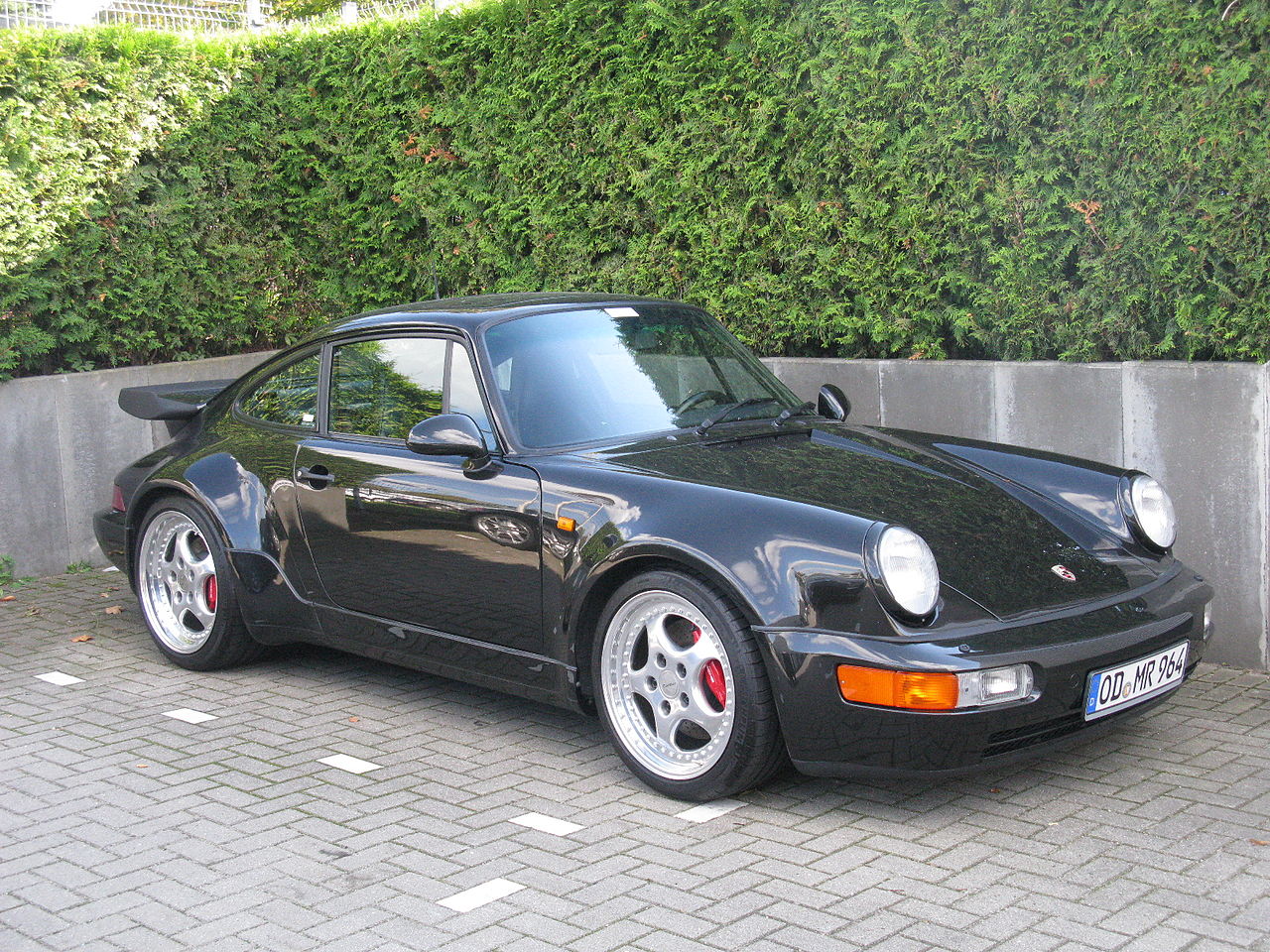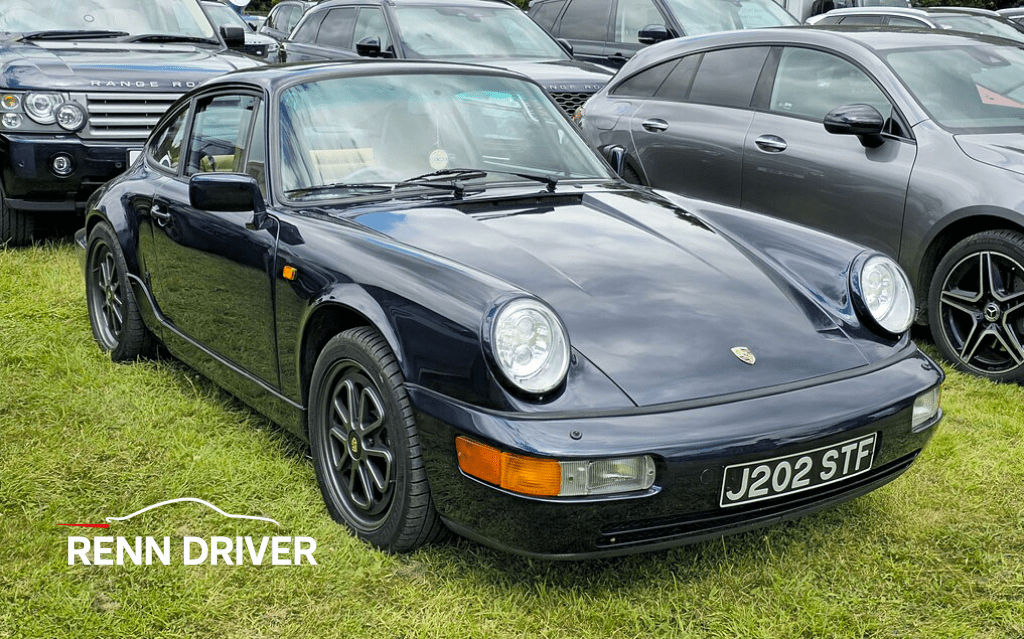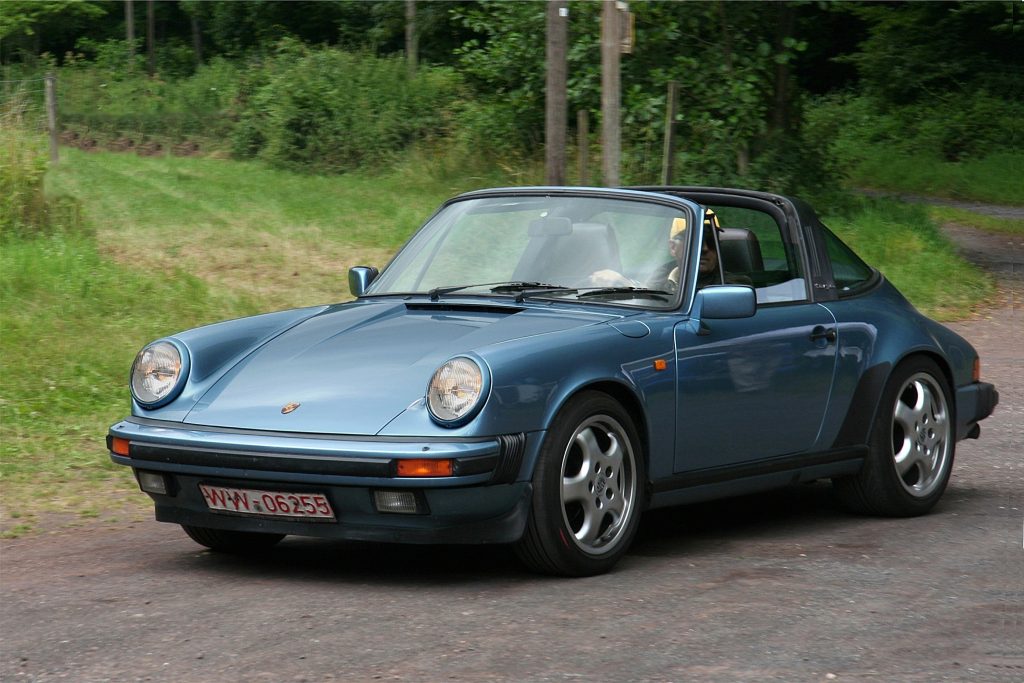
Few cars carry a reputation quite like the Porsche 930 Turbo. Born at the intersection of motorsport technology and 1970s bravado, this turbocharged turbo model wasn’t just fast, it was insane. Porsche gave it a four speed transmission, flared arches, and a reputation for snapping from calm to chaos in first gear, especially mid-corner.
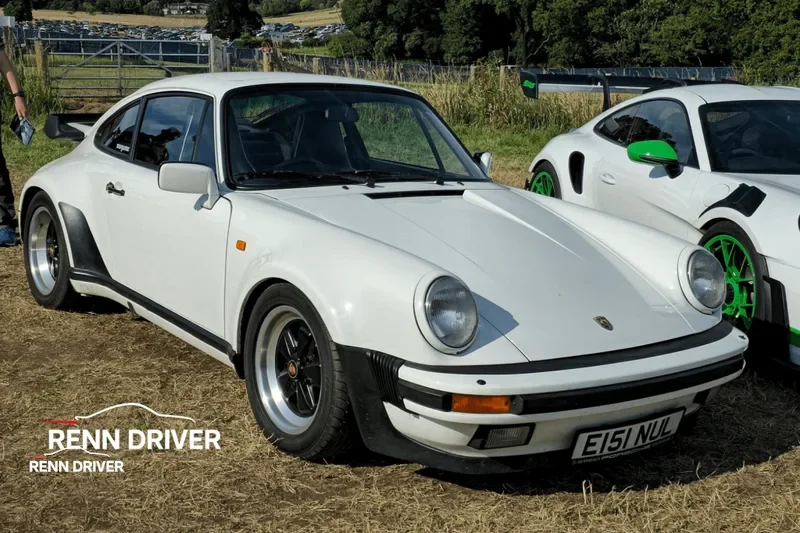
Today, the 930 stays relevant thanks to its story, its collectability, and its big difference from anything else the German company built at the time. It's a genuine one-off that came to symbolize a new era for the brand.
Contents
Quick Summary
- Production Years: 1975–1989
- Engine: 3.0L → 3.3L turbo flat-six
- Power output: 256–300 hp, depending on the model year.
- Transmission: 4-speed → 5-speed manual
- Top Speed: ~162–173 mph
- Layout: Rear-engine, rear-wheel drive
- Legacy: Porsche’s first production Turbo and the original “widow-maker”
History & Evolution
Debuting in 1975, the 930 Turbo was the car that proved turbo technology could work in a road-going Porsche. It appeared at a high sale price compared to the base 911 of the era, and racers quickly found its personality was best understood in half of the powerband, where boost would hit hard.
Early cars came with a robust transmission designed to handle turbocharged torque. Later versions, especially the five speed models from ’88–’89, helped tame the most aggressive traits without removing any excitement. The model captured the interest of drivers and collectors across Europe, the USA, and Japan as it became the defining 911 Turbo of its time.
Design & Aero: Functional Aggression
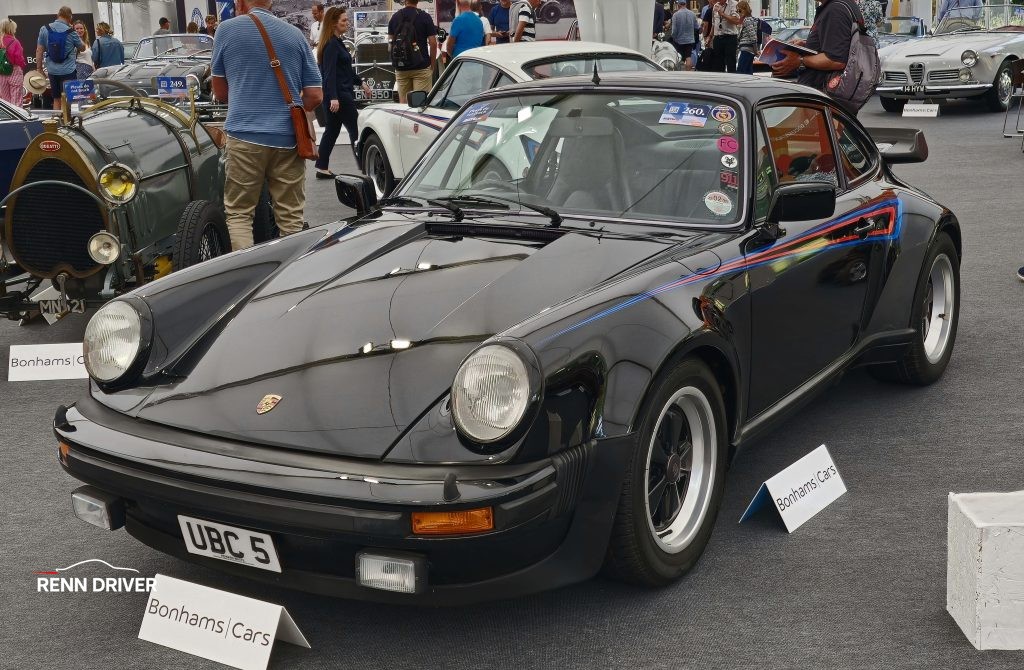
Visually, the 930 was dominated by its sharp front bumper, flared rear fenders, and large whale-tail wing. These weren’t aesthetic gimmicks but engineering tools to push air over the body, create downforce at the rear, and develop the best use of available grip. Porsche promoted the model heavily, featuring it in brochures and showrooms as a statement of intent.
Inside, the cockpit mixed straightforward ergonomics with a familiar Porsche layout. Anniversary versions and later-year trims often featured higher levels of materials and tech as the brand shifted toward a more refined-meets-brutal personality during this development period.
Engine & Performance Tech
Early 3.0 L engines delivered powerful boost when the turbocharger spooled up. The later 3.3 L intercooler upgrade increased horsepower to 300. Under throttle, the 911 Turbo felt like a proper race-car-for-the-street. The intercooler sat prominently in the engine compartment, and power output climbed as high as 300 hp depending on specification.
Thanks to brakes derived from the legendary 917, the 930 had impressive stopping performance on road or track. Good tires, modest weight, and strong suspension geometry kept things controllable at speed. Those willing to practice the correct pace and throttle habits called it an incredibly powerful, special driving experience.

Driving Impressions: The Original Thrill Ride
Below boost the car feels calm, but once the turbo lag clears, acceleration slams in with shocking force. Stay too long in first gear and you’ll run into the redline before the turbo wakes up. Once it does, acceleration arrives with unexpected violence.
That rear-engine layout gives remarkable traction under power, but sudden lift can send the car into unsettling motion. Many drivers said mastering it took at least a week, and some left the car feeling slightly dead inside from the experience.

Whatever your perspective, owning and operating a 930 Turbo isn’t just about transportation; it’s an act. This isn’t the kind of thing you buy lightly. You dedicate yourself to learning its character.
Legacy & Cultural Impact
From posters to video games to celebrity collections, the Porsche 930 became a true cultural milestone. Interest continues to grow today, especially as high-quality restorations come up for sale, and car enthusiasts find low-mileage cars tucked away after decades. People often leave glowing comments about how this is the best classic Porsche ever built, special, depending on who you ask.
Even among younger audiences, the survival of the original story and reputation keeps the model strong. It changed the way the world viewed turbochargers in sports cars and set a benchmark that every future turbocharged 911 that followed would chase.
Fun Facts
- The factory offered a rare Targa-top body version for select markets.
- Before the 930, Porsche tested the waters with the 1975 Turbo Carrera in the U.S. market, which shared much of the same DNA.
- Jerry Seinfeld owns multiple examples and frequently drops a sarcastic comment about how “polite” they are.
- Some magazine testers in Europe described it as “half race car, half threat.”
- The 930’s spoiler was raised a bit in 1978 to house the new intercooler.
- Emissions regulations kept the model out of the USA market from 1980 to 1985, making those years especially desirable for collectors trying to piece together every tag and VIN range.

Frequently Asked Questions (FAQs)
What’s the big deal with the Porsche 930 Turbo?
The 930 Turbo was Porsche’s first turbocharged production car, and it completely changed what a 911 could be. With explosive acceleration, distinctive wide-body styling, and a reputation for being both thrilling and unforgiving, it became an icon of 1970s and 1980s performance cars.
How fast is it?
Depending on the year and engine tune, the 930 Turbo could reach between 162 mph and 173 mph. Those numbers made it one of the fastest road cars of its era, rivaling exotic Italian machines at a fraction of the price.
Is the 930 Turbo hard to drive?
Yes, the 930 earned its “widowmaker” nickname for a reason. Its sudden turbo boost, combined with rear weight bias and relatively narrow tires, made it a car that punished sloppy inputs. In skilled hands, however, it delivered an unmatched driving experience.
Why did Porsche move to a five-speed gearbox?
Early 930s used a four-speed transmission to handle the turbocharged torque. By the late 1980s, Porsche introduced a stronger five-speed that offered closer ratios, letting drivers keep the engine in its sweet spot more easily and making the car feel quicker and more refined.
What makes the 930 collectable?
The 930 Turbo blends rarity, performance, and design in a way few cars can. Limited production, motorsport DNA, and its raw character have made it a blue-chip classic. Today, well-preserved examples are highly sought after and continue to climb in value.
Final Thoughts
The Porsche 930 Turbo sparked a movement, setting the tone for every future Porsche turbocharged effort. Fierce, flawed, exciting, and unforgettable, it remains a favorite among enthusiasts, racers, and dreamers alike.
This car was never about convenience. It is about intensity. Which model should we dive into next?
Photo credit: Calreyn88, CC BY-SA 4.0, via Wikimedia Commons, Reinhold Möller, CC BY-SA 4.0, via Wikimedia Commons, Clemens Vasters from Viersen, Germany, Germany, CC BY 2.0, via Wikimedia Commons