
Porsche 996 is one of the most misunderstood 911s ever built.
When it launched in 1997, Porsche fans were divided. It didn’t just look different, it was completely different. It’s representing a completely new development compared to previous 911s. Round headlights were gone. The engine was water-cooled. And for many purists, that was sacrilege.
But here’s the twist: the 996 didn’t just shake things up; it saved the company.
This is the story of the most controversial 911 ever made. A car that went from hated to hunted. And maybe, just maybe, the best value in the Porsche world today.
Contents
- 1 Quick Summary
- 2 Why the Porsche 996 Mattered
- 3 History and Development
- 4 Design and Features
- 5 Breaking Down the Models
- 6 Porsche 911 Carrera Specifications
- 7 IMS Bearing: The Elephant in the Room
- 8 What’s It Like to Drive?
- 9 Maintenance: What to Expect
- 10 How It Compares to Other 911s
- 11 Why the Turbo Is a Standout
- 12 Hidden Gems: The Carrera 4S and Anniversary Models
- 13 Factory Support and Classic Status
- 14 The Emotional Side of the 996
- 15 Should You Buy One?
- 16 Frequently Asked Questions (FAQs)
- 17 Final Thoughts
Quick Summary
- Production Years: 1997 to 2006
- Notable Models: Carrera, Carrera 4, Turbo, GT3, GT2
- Engine: First water-cooled flat-six in a 911
- Designers: Harm Lagaay, Pinky Lai
- Controversies: IMS bearing, “fried egg” headlights
- Legacy: The car that modernized the 911 and saved Porsche from bankruptcy
Why the Porsche 996 Mattered
But the purists didn’t care. All they saw were fried egg headlights and the end of an era.
Buyers and enthusiasts should be aware of the unique risks and changes introduced with the 996, such as the IMS bearing issue and the switch to water cooling.
History and Development
The late 1990s marked a turning point for the Porsche 911. With the introduction of the 996 generation, Porsche made its boldest move yet: out went the legendary air-cooled engines, and in came a new era of water-cooled power.
First unveiled at the 1997 IAA International Motor Show in Frankfurt, the 996 was more than just a new model. It was a complete reimagining of the Porsche 911 for a new generation.
This was the first time the 911 featured a water cooled engine, a decision driven by stricter emissions standards and the need for higher performance. The 996’s flat-six engine was not only more efficient, but also opened the door for future turbocharged variants. Underneath, the 996 rode on a brand-new chassis platform, offering improved handling and a more refined ride.
Porsche’s financial situation at the time meant the company had to be smart. By sharing components with the Boxster (986), Porsche managed to cut production costs by about 30% which was a move that helped secure the brand’s future.
The 996 generation included a range of models, from the classic Carrera and Carrera 4 to the high-powered Turbo, each powered by a version of the new water cooled engine. This generation didn’t just update the 911. It ensured the Porsche 911 would continue to evolve and thrive in the modern era.

Design and Features
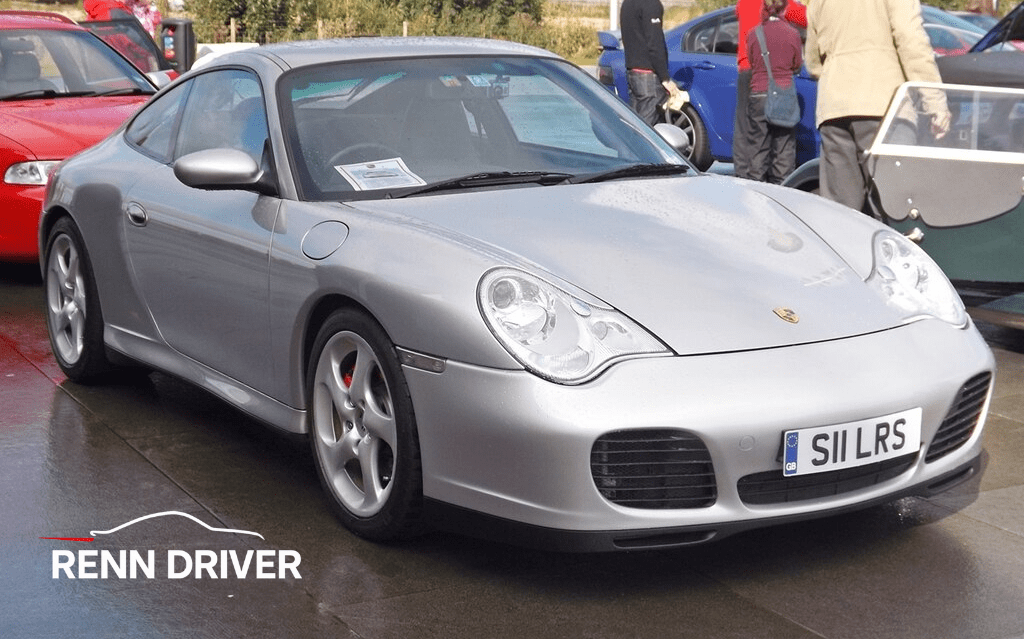
The Porsche 911 (type 996) was a revolution in design, both inside and out. Gone were the classic round headlights, replaced by the now-iconic integrated “fried egg” units that gave the front end a sleeker, more aerodynamic look.
The bodyshell was crafted from galvanized sheet steel and high-strength materials, making the car both lighter and more robust. The new design wasn’t just about looks. It improved airflow, reduced drag, and set the stage for the 911’s future.
Inside, the 996 offered a more refined and comfortable experience than any 911 before it. Sport seats provided support for spirited driving, while air conditioning came standard, making the car a true daily driver. The six-speed manual transmission was a favorite among enthusiasts, delivering crisp, engaging shifts. For those who preferred a more relaxed drive, the Tiptronic automatic transmission was also available.
Porsche didn’t stop at comfort. The 996 introduced advanced technology like stability control and a limited-slip differential, enhancing both safety and performance. The multi-link rear suspension, borrowed from the 993, gave the car a planted, confident feel on the road.
Exterior color options like Arctic Silver and Guards Red let owners personalize their cars, while the Cabriolet model featured a fully electric hood that could be raised or lowered in just 20 seconds. The 996 was a showcase of Porsche’s commitment to blending tradition with innovation, offering features and equipment that set new standards for the 911.
Breaking Down the Models
The Porsche 996 came in several different versions, each offering unique features and performance. Here’s what you need to know about each key version of the 996.
996.1 (1997–2001)
- 3.4L flat-six, 296 hp
- First water-cooled 911
- Notorious for IMS bearing risk
- Available in Carrera and Carrera 4
996.2 (2002–2004)
- 3.6-litre flat-six, 320 hp
- Revised styling (cleaner headlights)
- Slightly improved interior and electronics
- Better reliability in later years

996 Turbo (2001–2005)
- 3.6L twin-turbo Mezger engine, 415 hp (the 996 generation of the 911 Turbo)
- All-wheel drive
- 0–60 mph in 4 seconds flat
- Nearly bulletproof powertrain

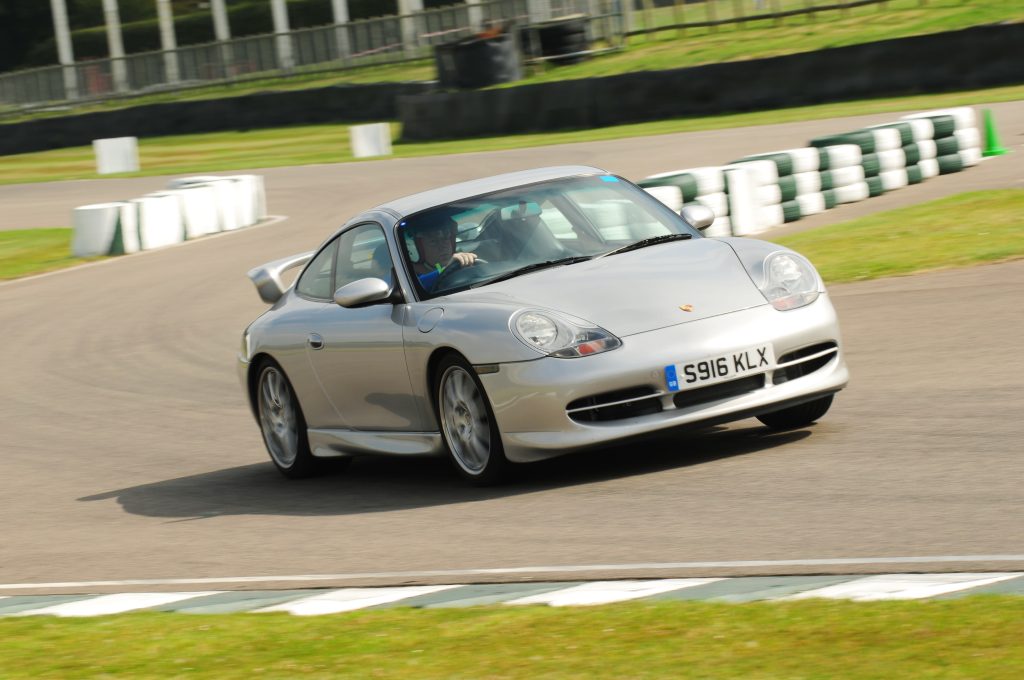
996 GT3 (2003–2005)
- Mezger engine, 380 hp
- Track-focused, no rear seats, no frills
- Available only with manual
- Future classic with rising values

996 GT2 (2001–2005)
- Rear-wheel drive, 476 hp, powered by a 3.6-litre engine
- No traction control
- Brutally fast, unforgiving
- Rare and highly collectible

Porsche 911 Carrera Specifications
The Porsche 911 Carrera (type 996) set a new benchmark for performance and everyday usability. At its heart was a water-cooled 3.6-liter flat-six engine, delivering a robust 320 PS and a thrilling soundtrack.
Paired with a six-speed manual transmission, the 911 Carrera could sprint to a top speed of 280 km/h (174 mph), making it one of the fastest cars in its class. The limited-slip differential ensured power was put down efficiently, especially when pushing the car to its limits.
The Carrera’s chassis rode on 18-inch wheels, with red-painted brake calipers hinting at the car’s sporting intent. Inside, drivers were treated to supportive sport seats, automatic air conditioning, and the option of a Tiptronic transmission for those who wanted a more relaxed drive. The interior was available in a range of finishes, with high-quality materials and thoughtful ergonomics throughout.
Buyers could choose between the classic Coupé or the open-air Cabriolet, with both models available in standout colors like Arctic Silver, Guards Red, and Black. The rear wheel drive layout gave the 911 Carrera its signature handling balance, while the 0-100 km/h (0-62 mph) dash took just 5.2 seconds.
The 996 generation Carrera was the perfect blend of performance, comfort, and style, an icon that carried the Porsche 911 legacy into the new millennium.
IMS Bearing: The Elephant in the Room
Let’s talk about it: the intermediate shaft (IMS) bearing.
Yes, it can fail. And yes, if it does, it can kill the engine.
But here’s the context:
- Affected mostly 996.1 and early 996.2 Carreras
- Failure rate: ~1% to 8%, depending on year and usage
- Fixable with upgraded bearings ($2–3K with clutch)
- No issue on the Turbo, GT2, or GT3 (they use the Mezger engine)
The sale of replacement IMS bearings and related services can influence the resale value and desirability of the Porsche 996, as many buyers look for cars with this upgrade already completed.
The IMS issue is real, but manageable. If you’re shopping for a 996, factor in the cost of the fix. Or buy one that’s already been sorted.
What’s It Like to Drive?
In a word? Alive.
Even by today’s standards, the 996 feels sharp. It’s light, just over 2,900 pounds for a base Carrera. The steering is hydraulic, so you get real feedback, not digital guesswork. The brakes feel strong and inspire confidence, especially during spirited driving. And the balance is pure Porsche: rear-biased but controllable.
The cabin is simple. No giant screens. No fake engine sounds. Just analog gauges, real engine noise, and a manual gearbox if you want it.
It’s not perfect. The interior feels a bit cheap in spots. And early models had a weird throttle response. But it’s fun, fast, and surprisingly livable.
Maintenance: What to Expect
Here’s where the 996 shines: it’s a Porsche you can actually afford to run.
Just don’t skip maintenance. A cheap 996 with deferred repairs can get expensive fast. It’s essential to maintain your 996 regularly to preserve its value, reliability, and ensure it remains in top condition for years to come.
Common Costs:
- Oil change: $200–$300
- Clutch replacement: $1,500–$2,000
- IMS retrofit: $2,000–$3,000
- Coolant tank replacement: $500–$800
- Rear main seal: $800–$1,200
Parts are widely available. Independent shops know these cars well. And if you’re handy, a lot of it is DIY-friendly.
Just don’t skip maintenance. A cheap 996 with deferred repairs can get expensive fast.
How It Compares to Other 911s
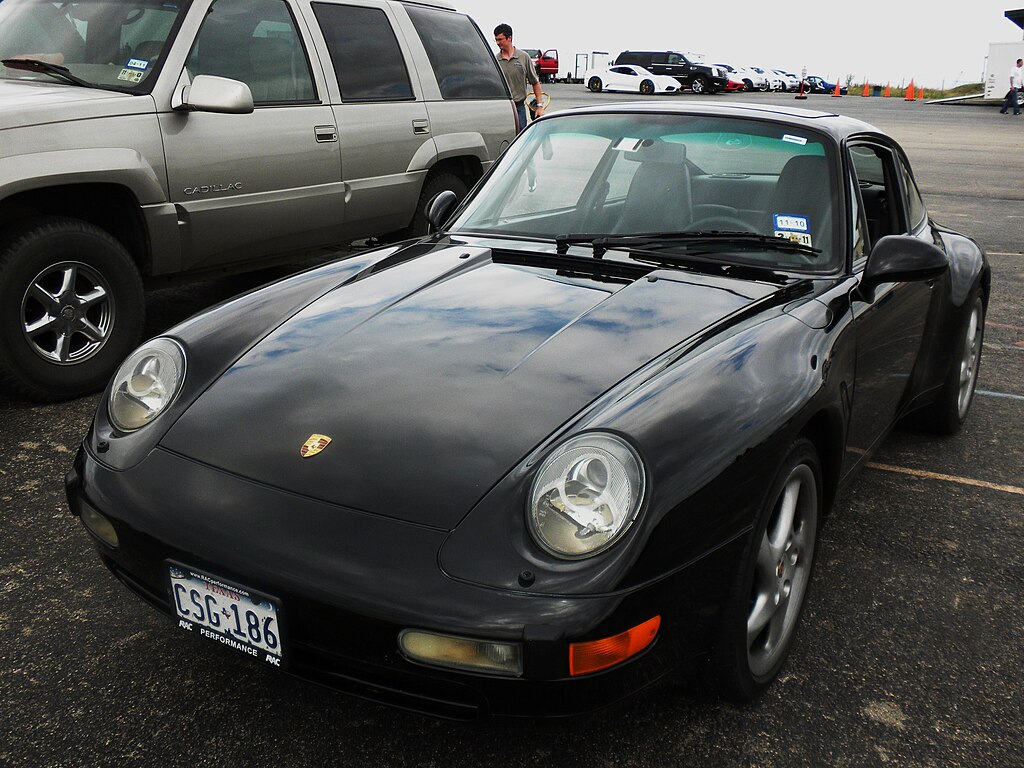
996 vs 993
- 993 is air-cooled, more analog
- 996 is faster, more practical, less “soulful”
- 993 prices have skyrocketed (996 is still a bargain)
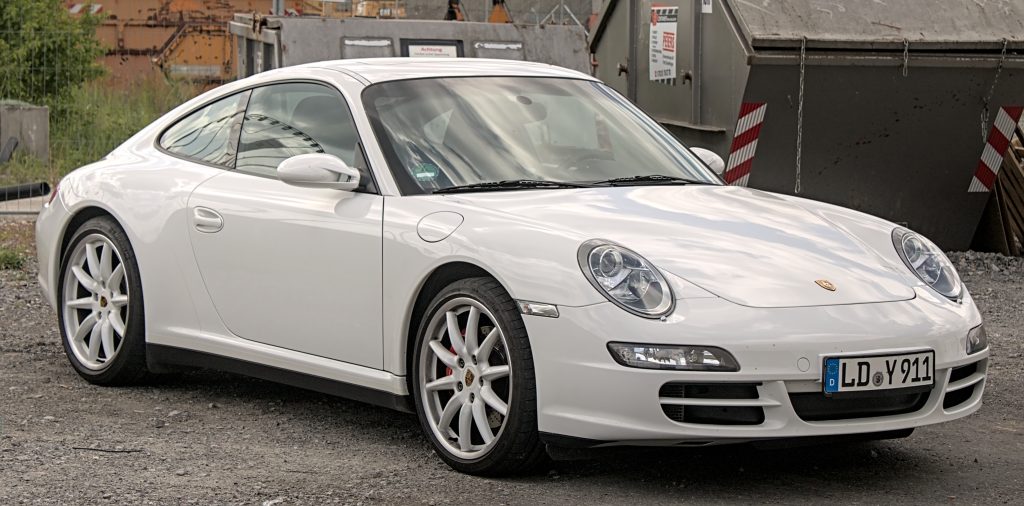
996 vs 997
- 997 fixed the styling complaints
- Better interior, updated electronics
- Still water-cooled, but feels more modern
- 997 prices rising fast (996 may follow)
996 vs Today’s 911s
- Modern 911s are faster, heavier, and more digital
- The 996 feels smaller, more connected
- Less refined, but more raw
Why the Turbo Is a Standout
If you want the best mix of power, reliability, and value? Get the 996 Turbo.
- Mezger engine = no IMS issues
- 415 hp + AWD = everyday supercar
- Bulletproof reputation
- $45K–$70K today, depending on condition
The Turbo S variant, available as both Coupé and Cabriolet, increased power to 450 PS and stands out as the high-performance flagship of the 996 Turbo lineup, featuring advanced technology and significant upgrades over the standard Turbo.
It’s still underrated. But not for long. Values are creeping up, especially for low-mileage manuals.
Hidden Gems: The Carrera 4S and Anniversary Models
- Carrera 4S: Turbo-wide body, NA engine, AWD. Gorgeous.
- 40th Anniversary: Rare, special trim, 345 hp, limited to 1,963 units
- Targa: Full glass roof, rare and quirky
These are the models to watch. As standard Carreras rise in value, the unique trims will follow.

Factory Support and Classic Status
Porsche now supports the 996 through its Classic Program.
- Factory restoration options
- Access to original parts
- Technical documents and service support
- 996 is officially a “Classic” by Porsche’s definition
Porsche specialists are dedicated to maintaining and restoring classic vehicles like the 996, using original tools and technical expertise to ensure their authenticity and longevity.
That means you’re not alone. The brand has embraced the car it once downplayed.
The Emotional Side of the 996
Here’s the truth: the 996 is still polarizing.
Some people will always see it as the 911 that broke tradition. Others, especially newer enthusiasts, see it as the one that brought Porsche into the modern era.
Porsche’s decision to innovate with the 996, introducing new engineering and design elements, played a crucial role in shaping the brand’s legacy and redefining what a modern sports car could be.
Either way, the tide is turning. Values are up. Respect is growing. And the 996 is no longer the 911 you “settle” for. It’s one you choose.
Not because it’s perfect. But because it’s real.
Should You Buy One?
If you want a 911 that’s raw, quick, analog, and not $100K? The 996 is it.
Just do your homework:
- Look for maintenance records
- Budget for IMS fix (if needed)
- Buy from an owner who cared, not just one who drove
- Communicate with the seller to assess their willingness to accommodate a pre-purchase inspection and their transparency about the car’s history.
And once you get one, drive it. These cars like to move.
Frequently Asked Questions (FAQs)
What years was the Porsche 996 made?
The Porsche 996 was made from 1997 to 2006, including all trim levels.
Which Porsche 996 models are the most reliable?
The most reliable Porsche 996 models are the Turbo, GT2, and GT3, thanks to their Mezger engines. For other models, long-term reliability depends on proper maintenance, especially IMS bearing replacement.
How much is a Porsche 996 worth today?
A Porsche 996 is worth anywhere from $20K for a high-mile Carrera to over $150K for a clean GT2. Most well-kept Carreras typically fall between $25K and $40K.
What’s the IMS issue and should I worry?
The IMS issue refers to a bearing that can fail in some Porsche 996 engines and cause catastrophic damage. While it’s a valid concern, it’s fixable, and many cars have already had the issue addressed with aftermarket solutions.
Is the Porsche 996 a good investment?
Yes, the Porsche 996 is considered a good investment. It’s still undervalued compared to the 993 and 997, and as appreciation grows for its role in Porsche history, prices are steadily rising.
Final Thoughts
The Porsche 996 isn’t perfect, but that’s what makes it interesting.
It modernized the 911, kept the driving feel alive, and still offers serious performance for the money. If you’re looking for a raw, usable 911 without the collector tax, the 996 is hard to ignore.
It might just be the smartest way into Porsche ownership today.
Images by: Ultegra, all licensed under CC BY-SA 4.0, via Wikimedia Commons, Mark Harkin, CC BY 2.0, via Wikimedia Commons, Thomas doerfer, CC BY-SA 3.0, via Wikimedia Commons, David Hunter, CC BY 2.0, via Wikimedia Commons, Calreyn88, CC BY-SA 4.0, via Wikimedia Commons, Mats Lindh, CC BY 2.0, via Wikimedia Commons, MercurySable99, CC BY-SA 4.0, via Wikimedia Commons, Stahlkocher, CC BY-SA 3.0, via Wikimedia Commons, Alexander-93, all licensed under CC BY-SA 4.0, via Wikimedia Commons, KevinRachel2010, CC BY 3.0, via Wikimedia Commons