
The Porsche 996 Carrera was the car that changed the 911 for the modern era. It was the fifth generation of the Porsche 911, produced from 1997 to 2005. The 996 introduced a new chassis platform, a water-cooled engine, and a redesigned body. Each of these updates set the direction for Porsche’s future.
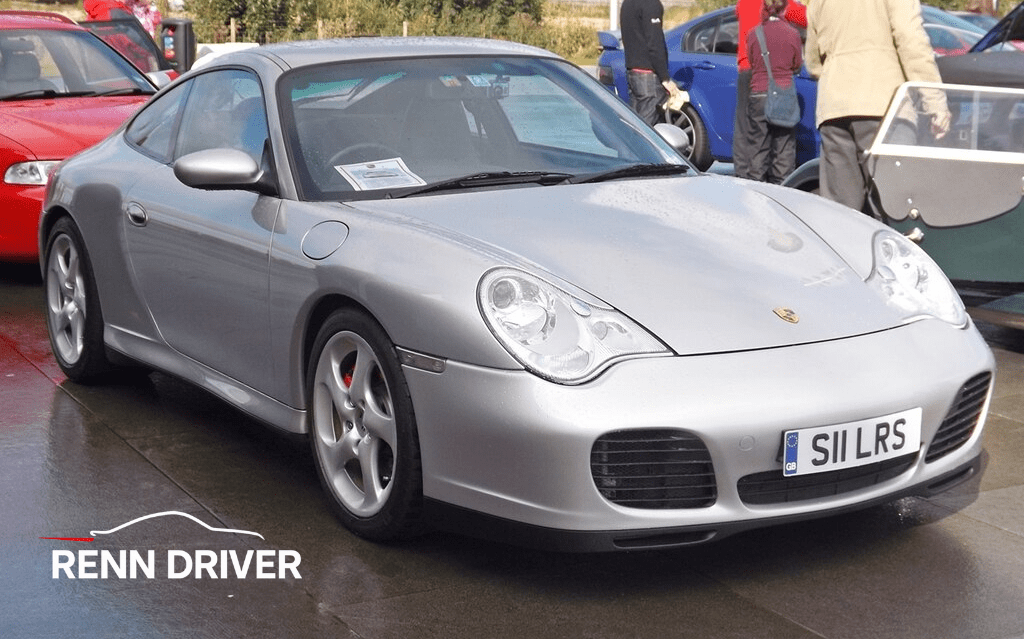
At the time, it was a big deal. The switch to water cooling upset purists, and the shared design with the entry-level Boxster drew criticism. Yet the 996 gave Porsche a lower-priced car that kept the company alive. Today, the Carrera versions are valued as true performance classics.
Quick Summary
- Model Years: 1997–2005
- Model Range: Carrera (rear-wheel drive), Carrera 4 (all-wheel drive), Carrera 4S, and Targa
- Engine Capacity: 3.4 liters (early) and 3.6 liters (later)
- Power Output: 296–320 hp, depending on model year
- Top Speed: Around 174–177 mph (280–285 km h)
- Transmission: Six-speed manual or five-speed Tiptronic automatic
- Body Styles: Available as either a Coupé or Cabriolet
- Design: “Fried egg” headlights, wide body look for Carrera 4S, aluminum-faced instruments inside
- Collectibility: Most affordable entry into 911 ownership, with values rising
Contents
History of the Porsche 996 Carrera
Porsche introduced the 996 in 1997. It was the first Porsche 911 Carrera to use a water-cooled engine instead of the traditional air-cooled flat-six. The change was necessary to meet emissions rules, but it also gave the car more refinement.

The standard Carrera models underwent two phases. Early cars used a 3.4-liter engine with 296 horsepower. In 2002, Porsche redesigned the model with a facelift and a new 3.6-liter engine. Power rose to 320 horsepower, helped by a revised ECU and a refined exhaust system.
In 1999, Porsche expanded the model range with the Porsche 911 Carrera 4. It featured a permanent all wheel drive system. The Carrera 4S followed in 2002, with the wide body look of the 911 Turbo, bigger wheels, and stronger brakes.
Design and Features
The 996 Carrera had a new body that was sleeker and more aerodynamic. It had a more raked windshield and a modern greenhouse that gave better visibility.
Styling was controversial. The headlights, shared with the entry-level Boxster, earned the “fried egg” nickname. In the 2002 facelift, Porsche updated the look with clear-lens lamps and a design based on the 996 Turbo, giving the Carrera a more distinct front end.
Inside, the 996 featured a redesigned center console, aluminum-faced instruments, and a cabin layout that gave better driver access to controls. Practical details such as storage compartments made the car easier to live with. Optional extras included a Clubsport package, sport suspension with stiffer springs, and aero parts like side skirts.
Some cars came in rare colors such as GT silver metallic paint or violet chromaflair paint, which are highly collectible today.
Performance and Handling
The rear wheel drive Carrera carried the most traditional 911 feel. The four wheel drive Carrera added stability, and the Carrera 4 Coupé was popular with drivers who wanted confidence in all conditions. The Carrera 4S combined AWD with the wide-body style of the Turbo.
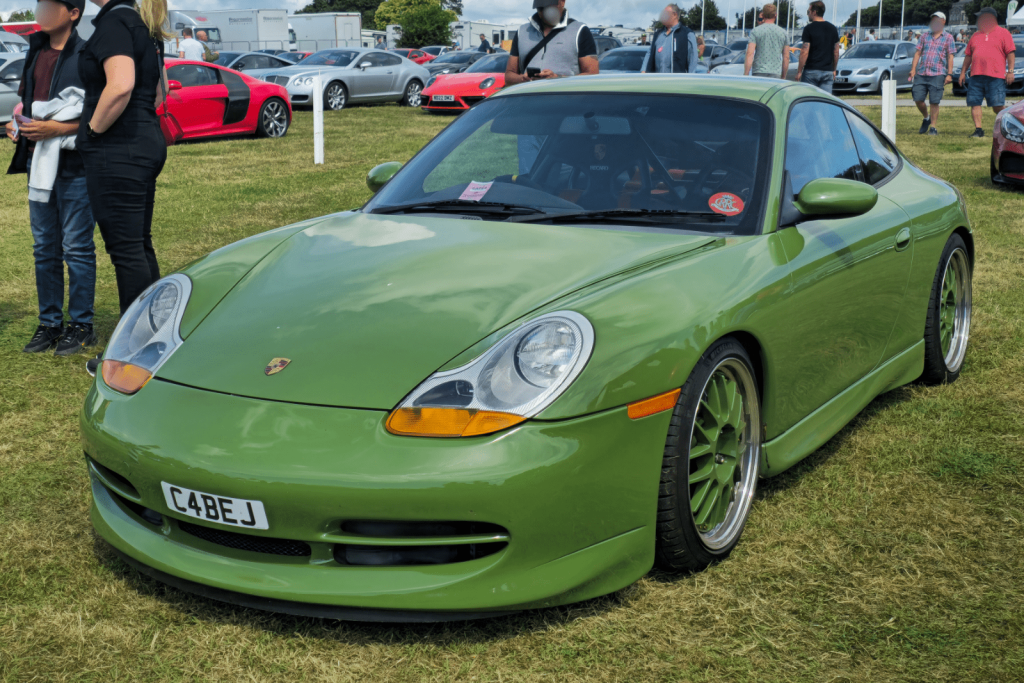
Performance was strong for a lower-priced car in the premium car market. The 3.4-liter naturally aspirated models produced 296 hp and reached a top speed of about 174 mph. The 3.6-liter update gave 320 hp and a top speed of nearly 177 mph. Acceleration to 60 mph was around five seconds for both versions.
Handling was improved by the new chassis platform and sport suspension options. The car also offered a limited-slip differential, upgraded brakes, and a well-balanced setup. A six-speed manual transmission made the most of its character, though a Tiptronic automatic was also offered.
Engine and Transmission
The Carrera’s water-cooled engine was smoother and quieter than earlier flat-sixes. The early 3.4-liter engine developed 296 horsepower. Later models had a 3.6-liter engine that produced 320 horsepower. Each upgrade increased power output and maximum power output while reducing emissions.
The engine developed better reliability over time with updates such as a revised ECU, a stronger engine oil system, and improvements to the exhaust system. Most cars used a single muffler with a quad pipe exhaust layout.
Enthusiasts preferred the six-speed manual, which made the Carrera more engaging. The five-speed Tiptronic automatic was less exciting, but suited buyers who wanted convenience.
Interior and Usability
Inside, the 996 Carrera was practical as well as sporty. The center console was redesigned, and the driver’s access to controls was much improved compared to earlier cars. The cabin had multiple storage compartments, good seating, and modern finishes.

Cabriolet models featured a new, more refined power-folding soft-top. The 996 Targa, also based on the Carrera platform, featured a large sliding glass roof that retracted under the rear window, a unique design that improved airflow and comfort for that model.
Maintenance and Ownership
The 996 Carrera has a solid reputation, but owners should know about common issues. The rear main seal can leak, and the IMS bearing can fail. Both problems are well-known and can be fixed with aftermarket upgrades.
Routine care is essential. Regular engine oil changes, brake service, and cooling system checks keep the standard Carrera models running well. Many Carrera owners also rely on Porsche Classic Partners or the Porsche Museum for advice and parts.
Collectibility and Value
The 996 Carrera was once ignored in the model range, but values are climbing. Clean standard Carrera models and rear wheel drive examples are becoming more collectible. The Carrera 4S, with its wide body look and upgraded brakes, is already highly sought after.
For buyers who want a Porsche 911 experience without the cost of a turbocharged counterpart like the Turbo S model, the 996 Carrera is a smart choice. It remains a lower-priced car but is rising quickly as collectors take notice.
Fun Facts About the Porsche 996 Carrera
- The Carrera was available as either a Coupé or Cabriolet.
- Standard Carrera models underwent a facelift in 2002 with a larger 3.6-liter engine.
- Rare colors like GT silver metallic paint and violet chromaflair paint make some cars especially collectible.
- The Carrera 4S shared its wide body look with the Turbo, but did not have its twin-turbo engine or larger turbochargers.
- The platform also supported two lightweight GT variants, though these were not Carrera models.
Frequently Asked Questions (FAQs)
When was the Porsche 996 Carrera produced?
The Porsche 996 Carrera was produced between 1997 and 2005. It was the fifth generation of the 911.
What engine did the Porsche 996 Carrera use?
The Porsche 996 Carrera used a water-cooled engine. Early cars had a 3.4-liter flat-six with 296 hp. Later cars gained a 3.6-liter flat-six with 320 hp. Each engine developed more power output thanks to a revised ECU and improved exhaust system.
What is the difference between the Carrera, Carrera 4, and Carrera 4S?
The standard Carrera models were rear wheel drive. The Porsche 911 Carrera 4 added a permanent all wheel drive system. The Carrera 4S combined that AWD setup with a wide body look, upgraded brakes, and bigger wheels.
What issues should Carrera owners watch out for?
The rear main seal is known to leak, and the IMS bearing can fail. Both problems can be solved with preventative maintenance. Many Carrera owners choose to upgrade these parts when servicing their cars.
Is the Porsche 996 Carrera a good investment?
Yes. The Porsche 996 Carrera is still a lower-priced car compared to other premium cars like the 911 Turbo or Turbo S. But values are rising as collectors appreciate the new body, the importance of the model year updates, and its place in Porsche history.
Final Thoughts
The Porsche 996 Carrera may have started life as a controversial 911, but time has been kind to it. With a modern water-cooled engine, a new chassis platform, and a more usable interior, it brought Porsche into the 21st century.
The Carrera is no longer just the “cheap 911.” It has become a big deal in the collector market, especially in manual transmission form. With its balance of performance, usability, and value, the 996 Carrera stands today as a true performance classic.
Photo credit: Alexandre Prévot from Nancy, France, CC BY-SA 2.0, via Wikimedia Commons, Calreyn88, CC BY-SA 4.0, via Wikimedia Commons, Wistar Rinearson, Landmark Extra, Public domain, via Wikimedia Commons