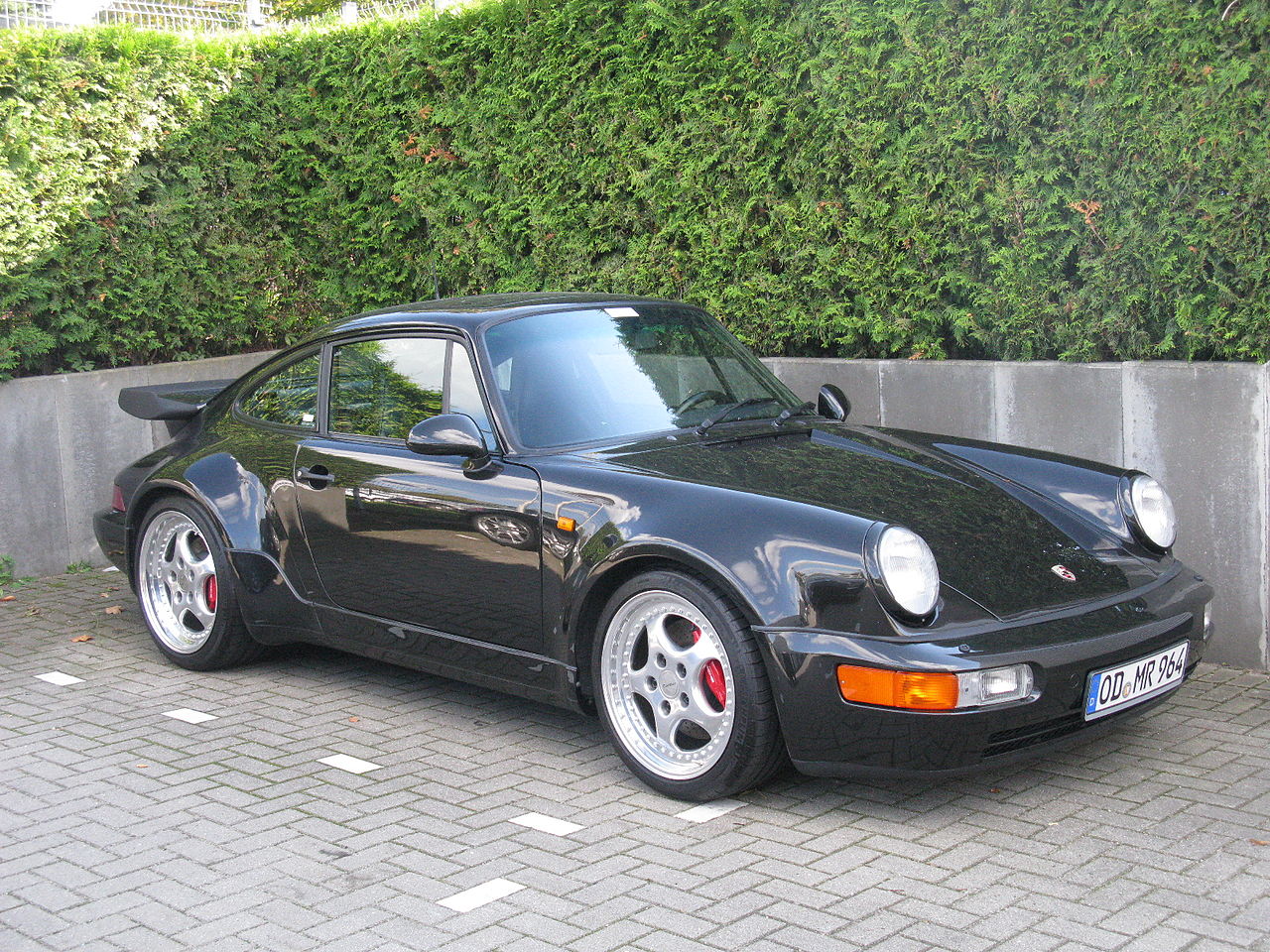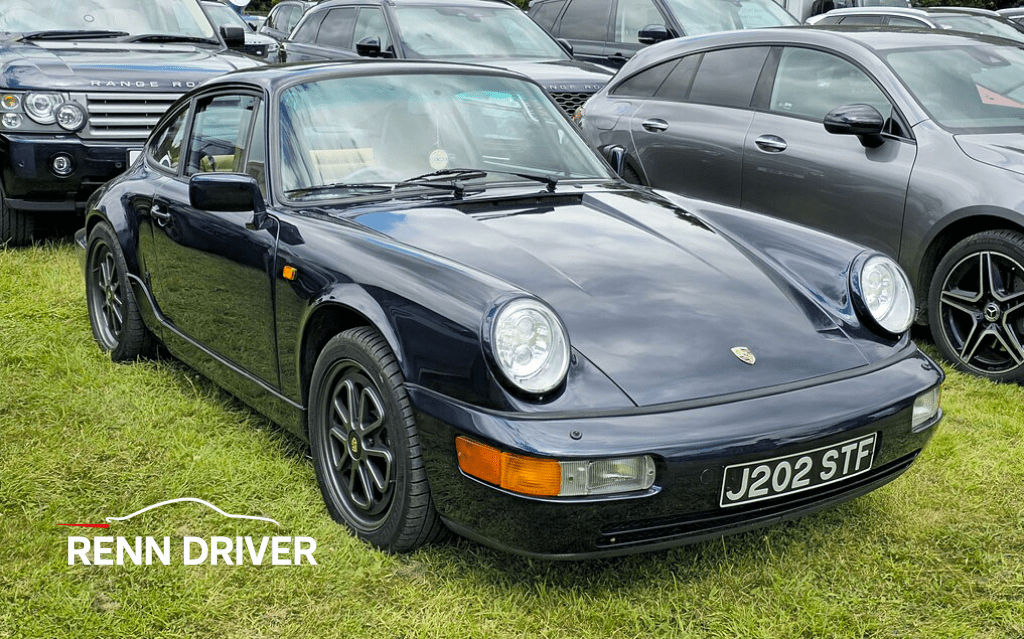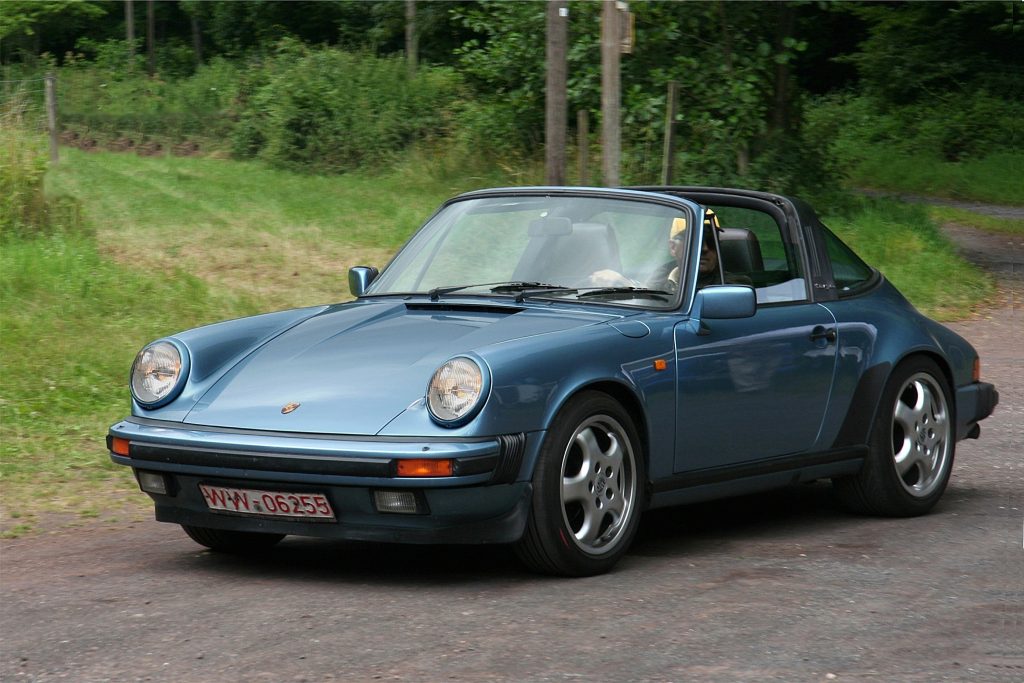
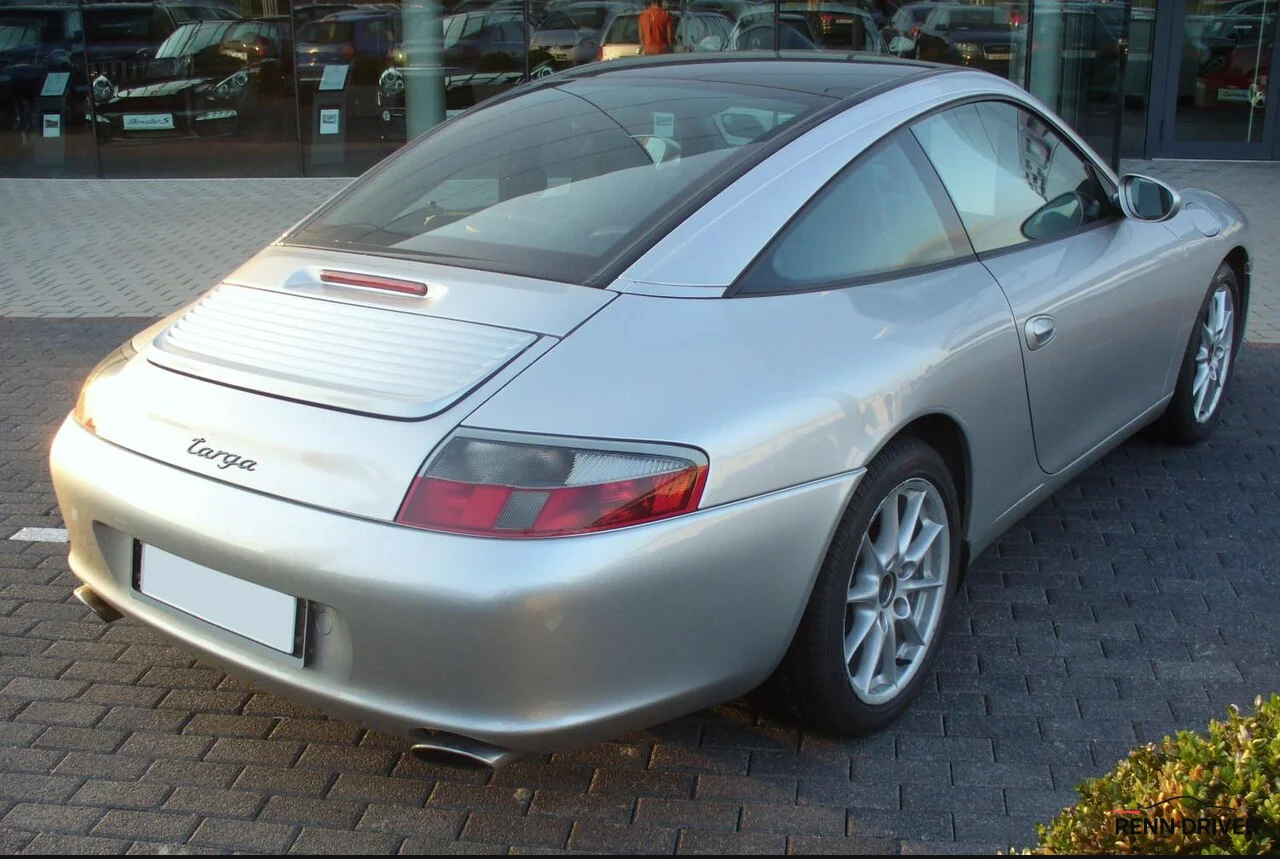
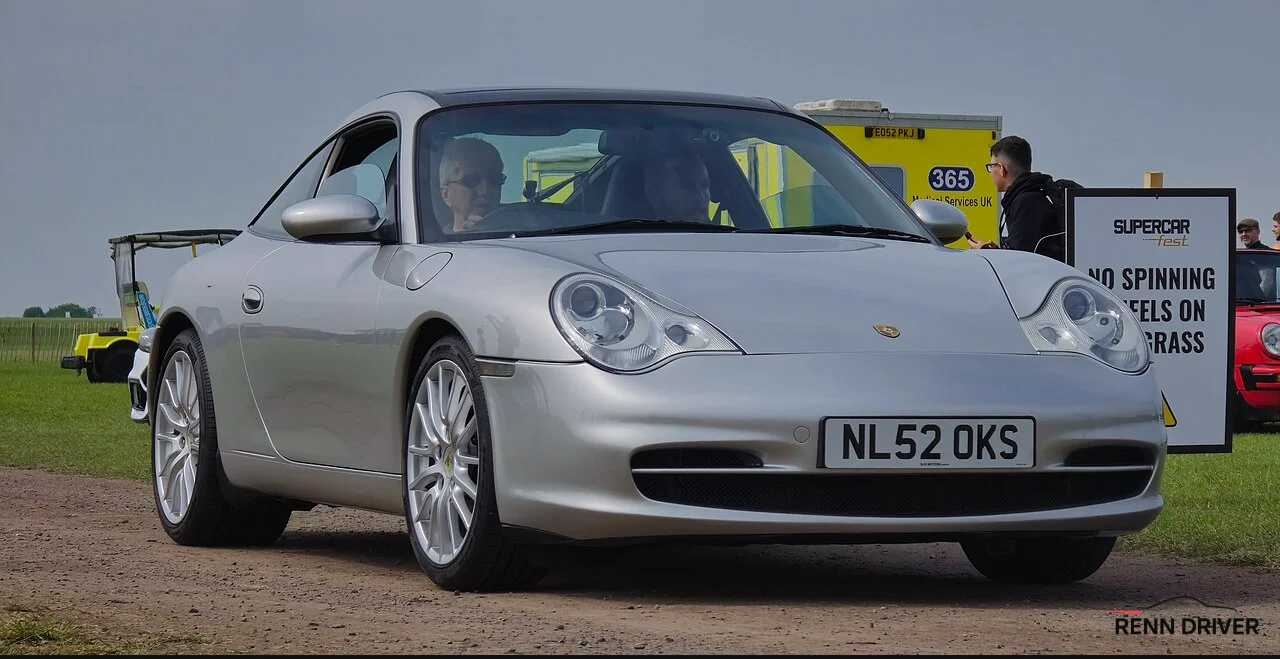
The Porsche 996 Targa (2001 to 2005) was the first 911 to abandon the traditional Targa bar in favor of a full glass roof panel that slides under the rear window. Powered by the same 3.6L flat-six as the 996 Carrera, it produces 320 hp. The 996 Targa shares the M96 engine with its known IMS bearing concern. It is the most affordable entry into Targa ownership.
Contents
- 1 Quick Summary
- 2 The Design Change
- 3 Specifications
- 4 The Glass Roof System
- 5 Driving Experience
- 6 IMS Bearing and M96 Engine
- 7 Maintenance Considerations
- 8 Buying a Used 996 Targa
- 9 996 Targa vs. 997 Targa
- 10 Renn Driver's Take
- 11 FAQs
- 12 Final Thoughts
The full guide below covers all the details.
Quick Summary
- Production years: 2001 to 2005
- Engine: 3.6L flat-six (M96), 320 hp, 273 lb-ft of torque
- Transmission: 6-speed manual or 5-speed Tiptronic
- Drive: Rear-wheel drive (no AWD option on the 996 Targa)
- Roof type: Full glass panel that slides under the rear window
- Key concern: IMS bearing failure risk (M96 engine)
- Used prices: $25,000 to $45,000
The Design Change
The 996 Targa represents a radical departure from every Targa that came before it. From 1967 through the 993 generation, every 911 Targa featured a removable roof panel and the signature Targa bar arching over the cabin. The first water-cooled generation threw that design away entirely.
In its place, Porsche engineered a large tinted glass roof panel that extends from the windshield header to the rear window. The glass slides backward at the touch of a button, tucking under the fixed rear window to create an opening above the cabin. When closed, the glass fills the interior with natural light. When open, it provides a sunroof-like experience rather than the full open-air feel of the original Targa design.
The reaction at the time was mixed. The glass roof was undeniably clever from an engineering standpoint: no visible seams, no removable panels to store, and no compromise to the roofline's shape. But it did not look like a Targa, and it did not feel like one either. The iconic bar was gone, replaced by a smooth glass surface that could have belonged to any car.
Porsche continued the glass-roof approach for the 997 Targa before bringing back the traditional bar design with the 991 generation in 2014.
Specifications
The 996 Targa uses the same powertrain as the standard coupe.
| Specification | Detail |
|---|---|
| Engine | 3.6L flat-six (M96.03) |
| Power | 320 hp at 6,800 rpm |
| Torque | 273 lb-ft at 4,250 rpm |
| 0 to 60 mph | ~5.0 seconds (manual) |
| Top Speed | 174 mph |
| Transmission | 6-speed manual or 5-speed Tiptronic |
| Drive | Rear-wheel drive |
| Weight | ~3,175 lbs (1,440 kg) |
| Wheelbase | 92.5 inches (2,350 mm) |
The 996 Targa is rear-wheel drive only, unlike the later 997, 991, and 992 Targas which are all AWD. This makes the 996 Targa unique among modern Targas and gives it a different driving character than its successors.
The Glass Roof System
The 996 Targa's glass roof is a single large panel made of tinted, heat-absorbing glass. It spans nearly the entire roof area from the windshield to the rear window.
The opening mechanism is electric. Press the button and the glass panel slides backward, nesting under the fixed rear window. The operation takes several seconds and is smooth and quiet when the system is well maintained. A retractable wind deflector pops up at the front edge of the opening to manage airflow.
When closed, the glass roof creates a bright, airy cabin. Porsche included a manual sunshade that slides along tracks on the inside of the glass to block light and heat when needed. In hot climates, the sunshade is essential. Without it, the cabin heats up quickly under direct sun.
The roof seals are the most important maintenance item specific to the 996 Targa. Over time, the rubber seals that keep the sliding glass panel weatherproof can dry out, crack, or compress. Water leaks around the glass panel are not uncommon on older, poorly maintained examples. Replacing the seals is straightforward but should be done at the first sign of any moisture intrusion.
Driving Experience
With the glass closed, the 996 Targa drives almost identically to a standard Carrera coupe. The additional weight of the glass panel and sliding mechanism is modest, and the chassis stiffness is maintained well enough that there is no noticeable flex or shake.
With the roof open, the experience is pleasant but not as dramatic as a traditional Targa or a cabriolet. You get fresh air and some exhaust note from behind, but the opening is not large enough to feel truly exposed to the elements. It is closer to a panoramic sunroof than a convertible experience.
The 3.6L flat-six is the star of the driving experience. It pulls cleanly through the rev range, sounds characteristically flat-six, and pairs beautifully with the 6-speed manual gearbox. The manual shift action on the 996 is one of the better cable-operated gearboxes in the 911 lineage. It is not as precise as a more modern 911, but it has a satisfying mechanical weight to each gate.
The rear-wheel-drive layout gives the 996 Targa a more playful character than the AWD Targas that followed. The rear end communicates clearly through the steering wheel, and the car rewards smooth, progressive inputs. In wet conditions, you need to be more attentive than in an AWD Targa, but that is part of the rear-drive 911 experience.
IMS Bearing and M96 Engine
The M96 engine in the 996 Targa is subject to the intermediate shaft (IMS) bearing failure that affects all 996 and early 997 models. The IMS bearing supports the intermediate shaft that drives the camshafts. If the bearing fails, metal debris contaminates the engine oil and can cause catastrophic engine damage.
The failure rate is debated, with estimates ranging from 1% to 10% of all M96 engines. Regardless of the exact percentage, the consequences of failure are severe enough that preventive replacement is widely recommended.
An IMS bearing upgrade typically costs $2,000 to $3,000 when performed during a routine clutch replacement (since the transmission must be removed to access the bearing). If the bearing fails and takes the engine with it, a rebuild or replacement can cost $15,000 to $25,000.
Beyond the IMS bearing, the M96 engine is also known for occasional bore scoring (cylinder wall deterioration) and rear main seal (RMS) oil leaks. Neither is as catastrophic as IMS failure, but both should be inspected during a pre-purchase evaluation.
These engine concerns are real but manageable. Thousands of 996 owners drive their cars daily without issues. The key is buying a well-maintained example and addressing the IMS bearing proactively.
Maintenance Considerations
Beyond the IMS bearing, the 996 Targa has a few specific maintenance items to watch:
- Roof seals: Inspect annually. Replace at the first sign of deterioration. Water intrusion can damage interior electronics and carpet.
- Sunshade mechanism: The manual sunshade runs on plastic tracks that can wear or break. Replacement parts are available but sourcing can take time.
- Coolant pipes: The 996 uses plastic coolant pipes that become brittle with age and heat. Replace them with updated aluminum or silicone alternatives.
- Window regulators: Power window regulators can fail. This is common across the entire 996 range, not specific to the Targa.
- AOS (Air Oil Separator): The AOS can fail and allow oil to enter the intake manifold. Replacement is a known service item.
Routine maintenance costs for the 996 Targa are comparable to any 996 Carrera. Budget $2,000 to $4,000 per year for regular service, and more in years that require major items like the clutch or IMS bearing.
Buying a Used 996 Targa
The 996 Targa is one of the most affordable ways to own a 911. Prices have been rising gradually as the 996 generation gains appreciation, but they remain accessible.
- 996 Targa (manual): $30,000 to $45,000
- 996 Targa (Tiptronic): $25,000 to $35,000
Manual transmission cars hold their value better and are more desirable to enthusiasts. Tiptronic cars are fine for casual driving but the 5-speed automatic feels dated by modern standards.
What to look for:
- IMS bearing status: Has it been upgraded? If not, budget for the replacement.
- Bore scope inspection: Check the cylinder walls for scoring. This is a visual inspection through the spark plug holes.
- Roof operation: Test the glass roof multiple times. Listen for any grinding, hesitation, or irregular movement. Check all seals for water damage.
- Service records: Complete records from a Porsche dealer or independent specialist are essential. Walk away from cars with no documentation.
- RMS leak: Look for oil at the junction of the engine and transmission. A small weep is common; active dripping needs attention.
996 Targa vs. 997 Targa
Both the 996 and 997 Targa use the same glass-roof concept, but the 997 improves on the formula in several ways:
- Engine: The 997.2 eliminates the IMS bearing concern with its DFI engine. The 997.1 still has the concern but at lower failure rates than the 996.
- Interior: The 997 interior is a significant step up in quality and design over the 996.
- Transmission: The 997.2 offers PDK, which is a dramatic improvement over the 996's Tiptronic.
- Drive: The 996 Targa is rear-wheel drive. The 997 Targa is all-wheel drive. This is a fundamental difference in character and capability.
- Price: The 996 Targa costs roughly half what a comparable 997 Targa costs on the used market.
The 996 Targa is the budget choice. The 997 Targa is the refined choice. Both deliver the 911 driving experience with an open-roof option.
Renn Driver's Take
I have not driven this car yet, but I will update this section once I do.
Frequently Asked Questions
Does the 996 Targa have the classic Targa bar?
No. The Porsche 996 Targa does not have the classic Targa bar. It was the first 911 Targa to use a full glass roof panel that slides under the rear window. The traditional bar design returned with the 991 generation in 2014.
Is the 996 Targa rear-wheel drive or all-wheel drive?
It is rear-wheel drive only. The Porsche 996 Targa is the only modern Targa without all-wheel drive. The 997, 991, and 992 Targas are all AWD.
Does the 996 Targa have the IMS bearing issue?
Yes. The Porsche 996 Targa uses the M96 engine, which is subject to the IMS bearing failure concern. Preventive IMS bearing replacement is recommended and costs approximately $2,000 to $3,000.
How much does a used 996 Targa cost?
A used Porsche 996 Targa costs approximately $25,000 to $45,000 depending on transmission, mileage, and condition. Manual transmission cars are more expensive than Tiptronic cars.
Is the 996 Targa waterproof?
Yes, the Porsche 996 Targa is waterproof when the glass roof seals are in good condition. Over time, the rubber seals can deteriorate and allow water intrusion. Regular inspection and replacement of worn seals prevents leaks.
What is the difference between the 996 Targa and the 996 Cabriolet?
The Porsche 996 Targa has a glass roof that slides open. The 996 Cabriolet has a fully folding soft top. The Targa provides a sunroof-like experience with more structural rigidity. The Cabriolet provides full open-air driving. The Targa is rear-wheel drive only, while the Cabriolet is available in both RWD and AWD (Carrera 4 Cabriolet).
Final Thoughts
The 996 Targa is the most affordable modern 911 with an open-roof option. The glass roof design did not win over Targa purists, and the IMS bearing concern gives some buyers pause. But underneath those headlines is a genuine 911 with a flat-six engine, a manual gearbox option, rear-wheel drive, and the handling balance that makes every 911 special.
If you can accept the glass roof for what it is (a clever engineering solution rather than a traditional Targa) and address the M96 engine's known issues proactively, the 996 Targa is a capable and rewarding car. It is a lot of 911 for the money.
For more on the 996 generation, read our complete complete 996 overview and our the Carrera model.
Images: Wikimedia Commons, licensed under CC BY-SA 4.0