
The Porsche 997 is more than just the sixth generation of the 911, it’s a turning point. Built from 2004 to 2013, it marked the end of an era: The last generation before the 911 became fully digital.
But despite that milestone, the 997 never felt outdated. It hit a rare sweet spot: analog steering and mechanical feedback paired with just enough modern tech to make it easy to live with day-to-day. It also combined timeless interior and exterior styling that kept it looking fresh years later.
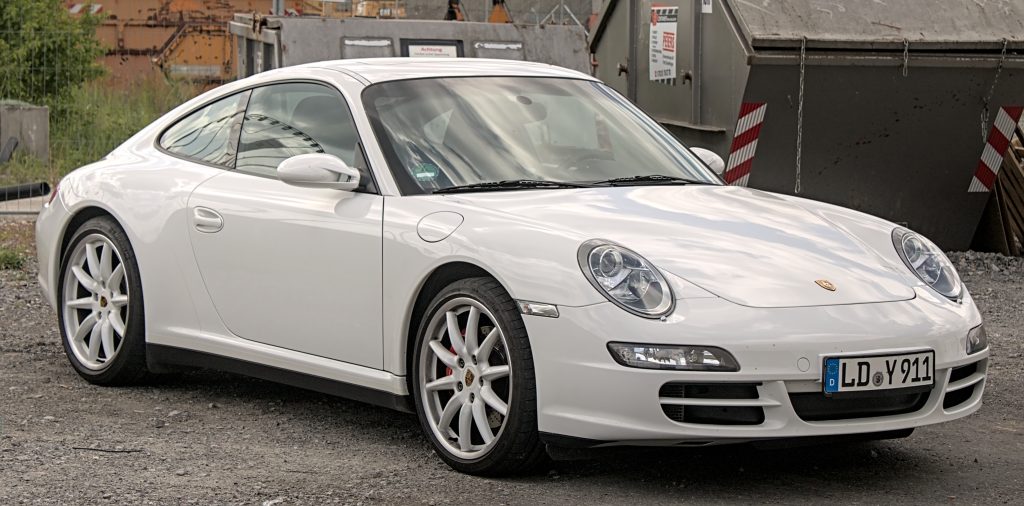
(opens in a new So why does the 997 matter? It brought back the classic round headlights, smoothed out nearly everything that felt off in the 996, and preserved the core of what makes a 911 special.
That means lightweight design, rear-engine balance, and driving purity—without getting lost in modern digital overkill.
Whether you’re researching your first 911, eyeing one for weekend drives, or just want to understand why it’s become a modern classic, this guide covers everything you need to know.
Contents
Quick Summary
- Production Years: 2004 to 2013
- Notable Models: Carrera, Carrera S, Targa 4/4S, Turbo, GT3, GT3 RS, Turbo S, GT2 RS
- Key Features: PASM (Porsche Active Suspension Management), direct fuel injection, PDK dual-clutch (from 997.2), Sport Chrono Package, and variable turbine geometry on the Turbo
- Legacy: The 997 offers a near-perfect balance of classic 911 feel and modern performance. Many enthusiasts consider it the last truly analog-feeling 911 you can drive every day.
A Tale of Two Halves: 997.1 vs. 997.2
Before diving into all the trims and variants, it’s important to understand the split between the early and later models.
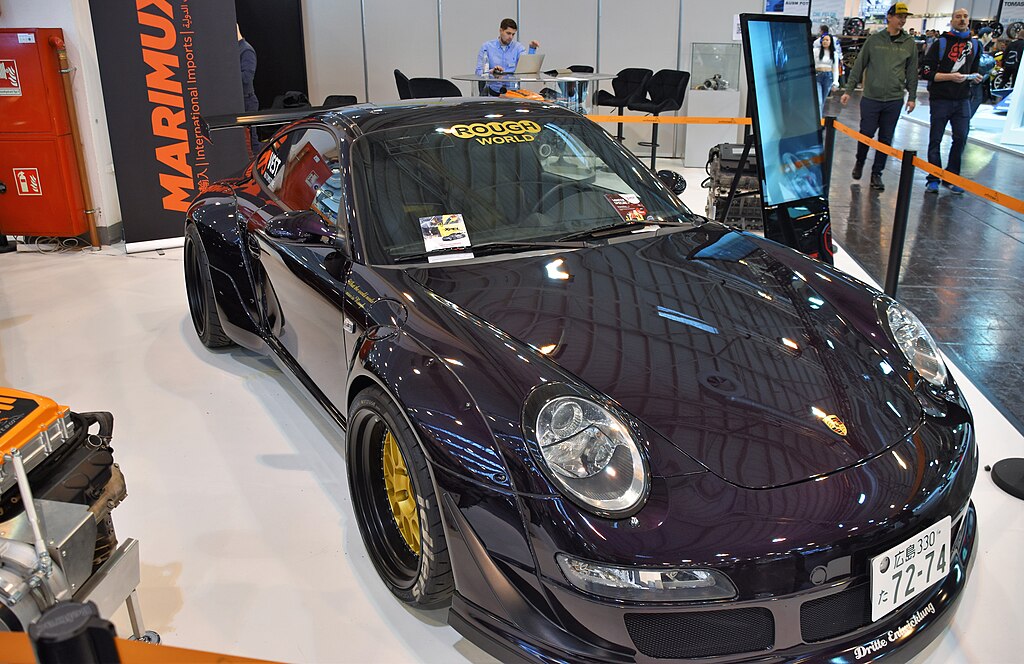
Porsche 997.1 (2004-2008)
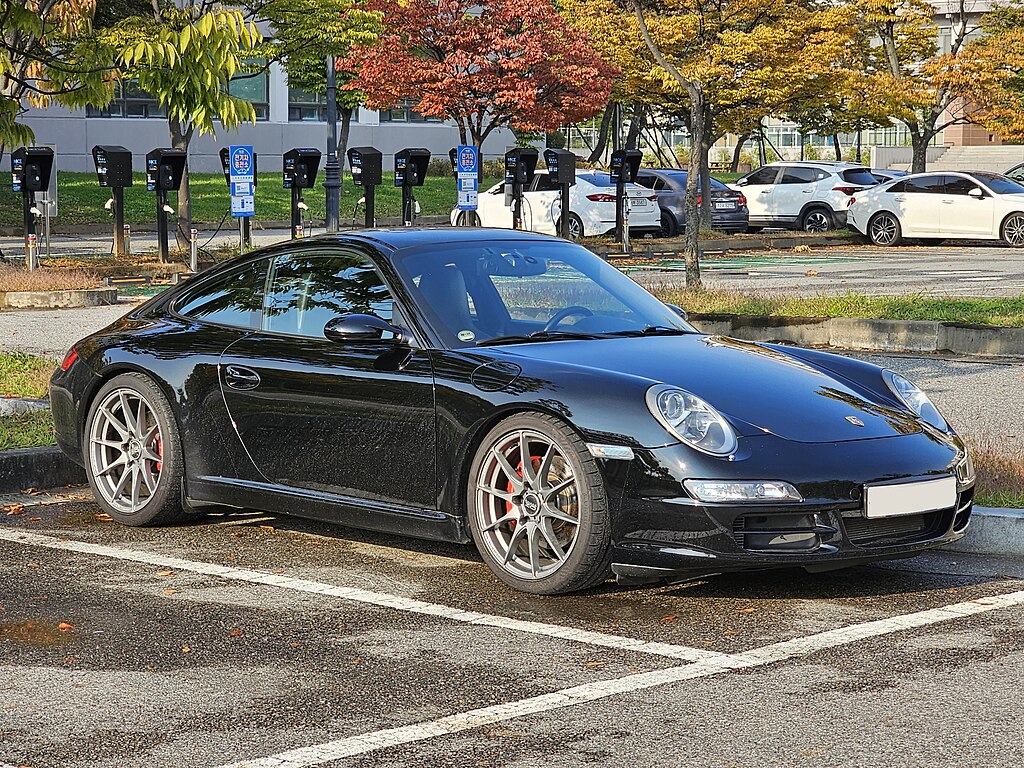
The first phase of the 997 brought back Porsche’s iconic round headlights, after the 996’s controversial “fried egg” design. These cars came with naturally aspirated flat-six engines: 325 horsepower in the base Carrera and up to 381 horsepower in the Carrera S. Transmission options included a 6-speed manual or a 5-speed Tiptronic automatic.
While Porsche improved the notorious IMS bearing from the 996, it was still present in the 997.1, and remains a known issue for potential buyers.
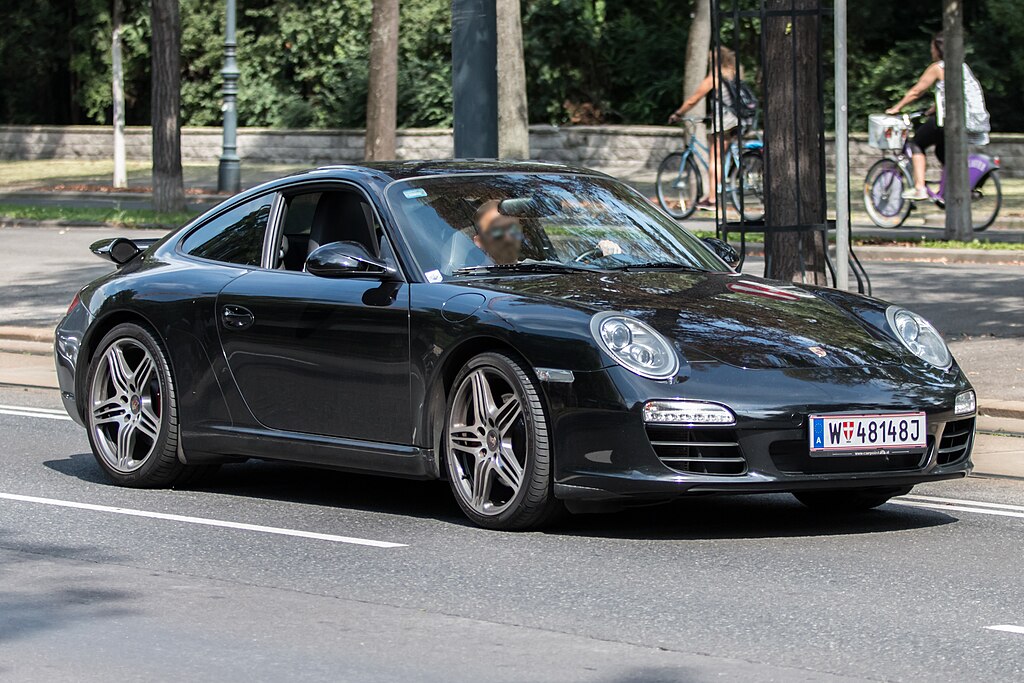
Porsche 997.2 (2009-2013)
The mid-cycle refresh added real substance, not just surface changes. Porsche introduced:
- Direct fuel injection engines (more power, better efficiency)
- A new dual-clutch PDK transmission
- Updated Porsche Communication Management infotainment system
- LED daytime running lights and LED taillights
- Subtle tweaks to exterior mirrors and the rear bumper
Horsepower increased as well, up to 385 hp in the Carrera S. More importantly, the 997.2 dropped the IMS bearing design entirely, improving reliability across the board. With its higher engine power output, lower fuel consumption, and cleaner styling, it remains the smarter buy.
Horsepower increased as well-up to 385 hp in the Carrera S. More importantly, the 997.2 dropped the IMS bearing design entirely, improving reliability across the board. If you’re looking for a low-maintenance 997, the 997.2 is usually the smarter buy.
Porsche 997 Model Breakdown
Carrera & Carrera S
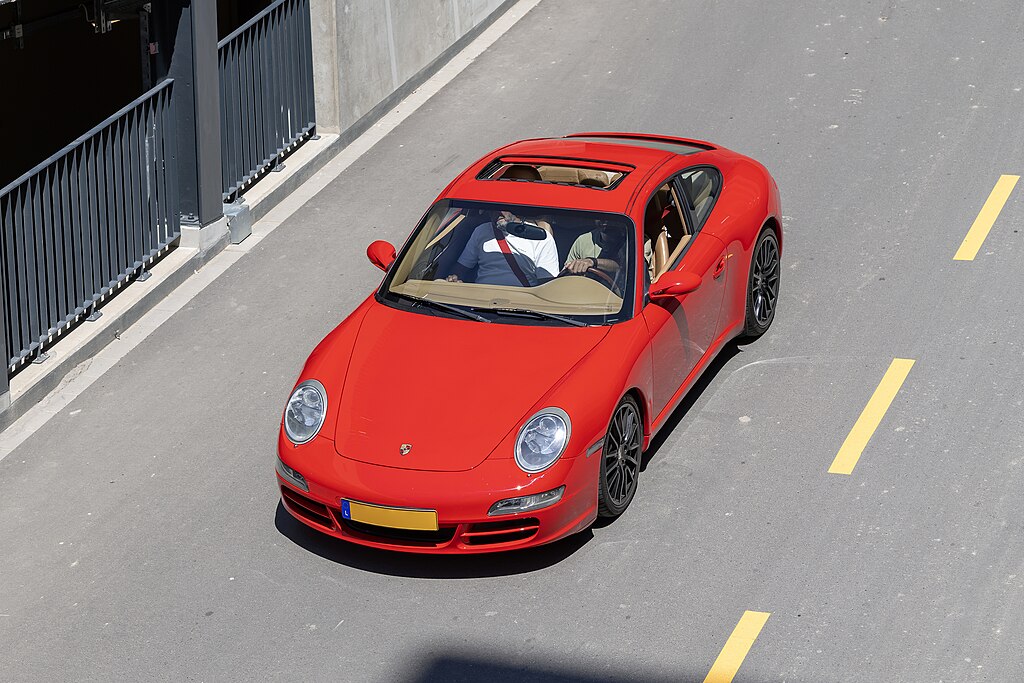
The entry-level Carreras were anything but basic. The base Carrera came in coupé and cabriolet versions, plus the Targa, producing 325 hp in the 997.1 and 345 hp in the 997.2. The S models stepped things up with larger brakes, PASM adaptive suspension, and more engine power: 355 hp (997.1) and 385 hp (997.2).
These models were practical, well-balanced sports cars that delivered everyday usability without losing their performance edge. Today, well-maintained examples can still be found under $50k-though that window may not stay open forever.
Carrera 4 & 4S
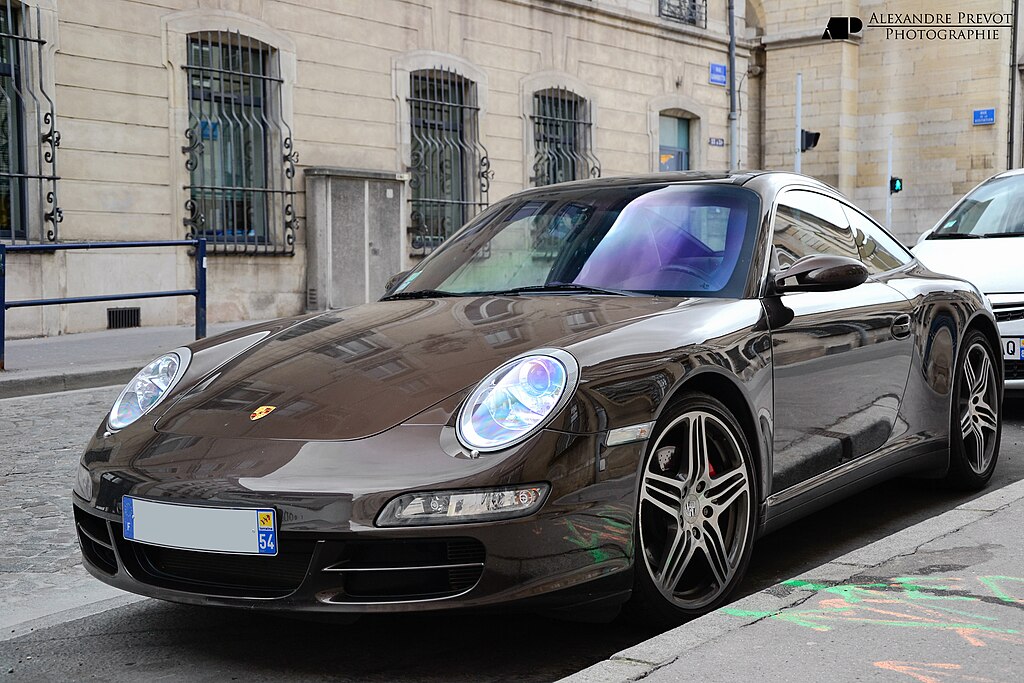
These all-wheel drive system versions widened the rear fenders and added a layer of year-round usability. The 4S, in particular, strikes a nice balance between grip, comfort, and performance.
Targa Models
Only offered in AWD, the Targa 4 and 4S featured a unique glass roof that slid back like a giant sunroof. It’s a clever design, but it adds weight and complexity. For many purists, it’s less desirable than the coupe, but for open-air fans, it’s a standout option.
997 Turbo & Turbo S
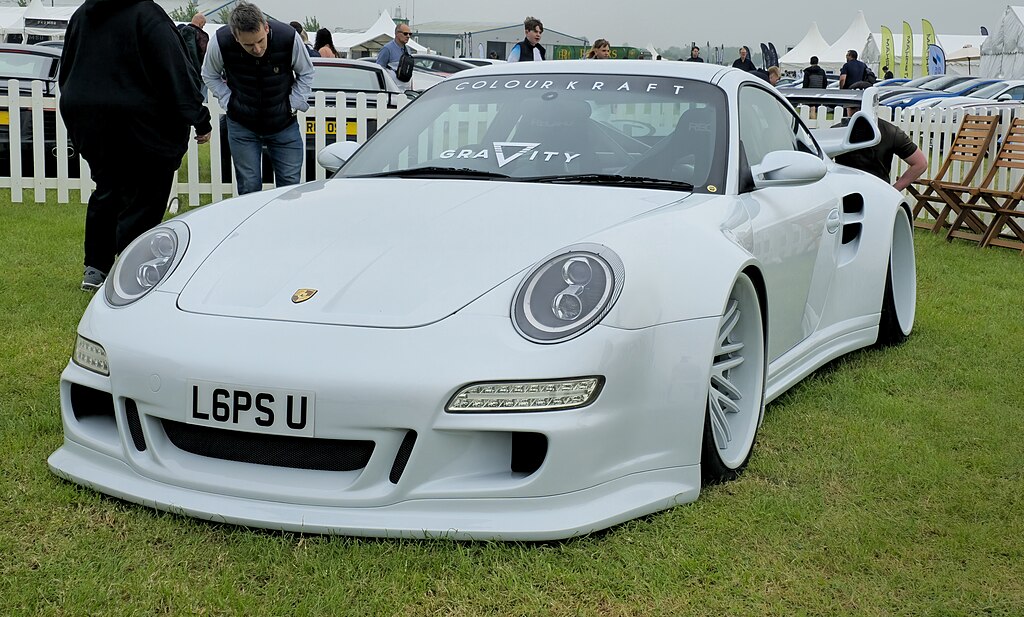
This is where performance really ramps up. The 997.1 Turbo used a 3.6L Mezger engine, directly derived from Porsche’s Le Mans race cars. It produced 480 hp, or 500 with the optional Sport Chrono overboost. These turbo models defined an era of everyday supercars.
The 997.2 Turbo switched to a slightly larger engine (3.8L DFI) and introduced the PDK dual-clutch transmission. Power increased to 500 hp—and up to 530 in the Turbo S.
GT3 & GT3 RS
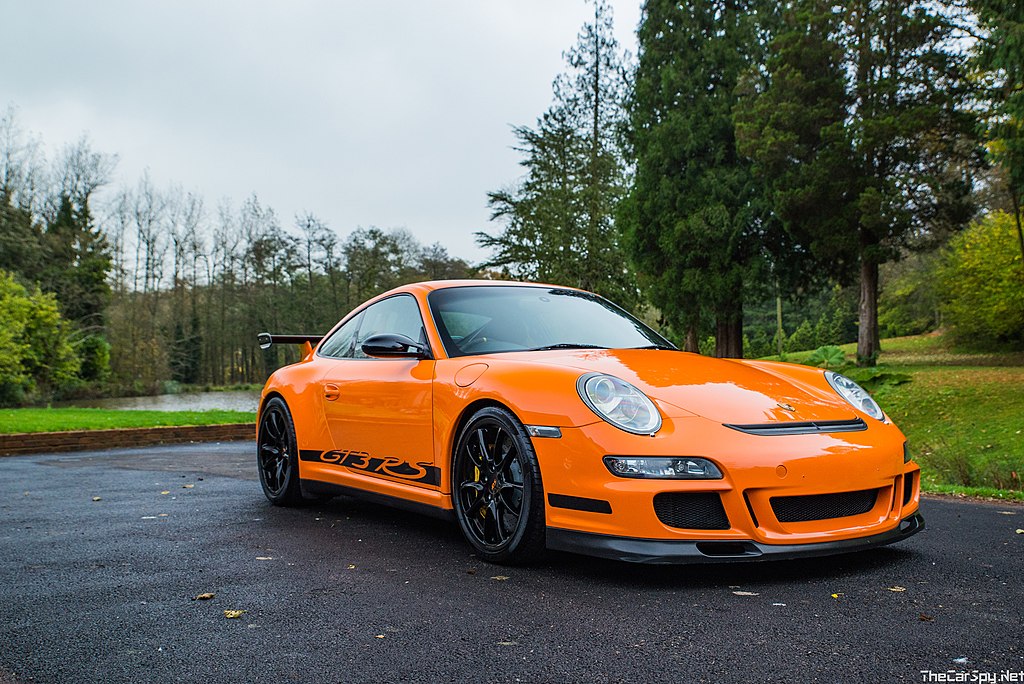
These are Porsche’s track weapons, and they’re some of the most sought-after 911s of any era. They came only with a manual transmission, naturally aspirated engines, and lightweight construction. No fluff, no shortcuts, just a driving experience focused entirely on feel and precision. The GT3’s flat-six reached a maximum engine speed of more than 8,000 rpm, making it one of the most thrilling naturally aspirated engines of its time.
- GT3 997.1: 415 hp
- GT3 997.2: 435 hp
- GT3 RS 4.0: 500 hp, just 600 units made, and now commands well over $400,000 on the market
If you want maximum driver engagement, the GT3 lineup delivers like nothing else.
GT2 & GT2 RS
Built for hardcore drivers, the GT2 models took the Turbo’s engine and stripped away the AWD safety net. The result? Rear-wheel drive, turbocharged madness. The GT2 used the same engine as the Turbo but pushed it to wilder limits.
- 997 GT2: 530 hp
- 997 GT2 RS: 620 hp, 0-60 mph in 3.3 seconds, top speed over 205 mph
These models are rare and aggressive, built for skilled drivers who want the most extreme 997 experience.
Performance Highlights
- Chassis: The 997 feels light on its feet, especially compared to newer generations. It’s nimble, with less electronic interference and a balanced rear axle.
- Brakes: Optional Porsche Ceramic Composite Brakes (PCCB) deliver incredible stopping power with virtually no fade.
- Steering: The hydraulic setup and classic three-spoke steering wheel offer some of the best road feel in any modern 911.
- Handling: With PASM, a limited-slip diff, lightweight body and suspension components, and balanced weight distribution, the 997 remains composed and confident in fast corners.
- Engines: The 997.2 models benefited from a newly developed resonance intake that smoothed airflow and improved throttle response.
What Makes the 997 Special?
- It balances classic and modern: You get heated seats, nav, simple analog dials, traditional air vents, and real steering feel.
- It’s the perfect size: Smaller and lighter than the 991 and 992. Easier to place on the road, and it just feels more connected.
- It looks timeless: The return to round headlights and sleek lines makes it feel classic but not dated.
- It’s the last of its kind: It still had hydraulic steering, a mix of naturally aspirated and turbo engines, and a relatively low curb weight. The 997 marks the end of the old-school 911 driving experience.
Lesser-Known Facts
- The GT3 RS 4.0 came with a lightweight carbon roof, one of Porsche’s first production uses of the material. Collectors often compare it to the legendary Carrera RS models of the past.
- The 997.2 Turbo was the first Porsche Turbo to feature a PDK dual-clutch transmission.
- Some 997s came with optional factory aero kits for extra downforce and more aggressive looks.
- The Sport Chrono Package Plus enabled real launch control on PDK-equipped 997.2 cars.
- Porsche built over 213,000 997s, making it one of the best-selling 911 generations to date.
Frequently Asked Questions (FAQs)
What years was the Porsche 997 made?
From 2004 to 2013. The 997.1 covers 2004–2008, and the 997.2 spans 2009–2013.
Is the Porsche 997 reliable?
Yes, the 997.2 is generally very reliable. The 997.1 has known issues like IMS bearing failure and bore scoring, so a pre-purchase inspection is crucial.
Manual or PDK?
Enthusiasts love the 6-speed manual for its engagement. The 997.2’s PDK is faster and easier in traffic but less visceral.
How much is a Porsche 997?
Prices range from $35k for an early Carrera to over $500k for rare models like the GT2 RS or GT3 RS 4.0. Most Carrera S or 4S models fall between $45k and $75k.
Which 997 is the best to buy?
For daily driving, the 997.2 Carrera S or 4S is hard to beat. For weekend thrills, go for a GT3. If you’re collecting, look for low-mile GT3 RS or GT2 RS models.
How does the 997 compare to the 991?
The 991 is more refined but also more isolated. It’s bigger, heavier, and uses electric steering. The 997 feels more focused and tactile.
Are 997 values going up?
Yes, especially for GT models. Even base 997.2 Carreras are beginning to appreciate.
Can you daily drive a 997?
Absolutely. Especially the Carrera or Carrera S. They’re practical, reliable, and surprisingly comfortable.
Does the 997 have Bluetooth?
Yes, the 997.2 added Bluetooth support. However, earlier models may require an aftermarket kit.
What’s the rarest 997?
Likely the GT3 RS 4.0 or GT2 RS. Limited production, extreme performance, and high collector interest make them standout models.
Final Thoughts
If you want a 911 that still feels alive in your hands, the Porsche 997 should be at the top of your list. It’s modern enough to use every day yet raw enough to reconnect you with the joy of driving.
Whether you’re carving up mountain roads or joining a Porsche Club event, the 997 remains one of the most engaging Porsches ever built.
Images by: Alexander-93, all licensed under CC BY-SA 4.0, via Wikimedia Commons, Alexandre Prevot, CC BY-SA 4.0, via Wikimedia Commons, Charles from Port Chester, New York, CC BY 2.0, via Wikimedia Commons, Damian B Oh, CC BY-SA 4.0, via Wikimedia Commons, The Car Spy on Flickr : https://www.flickr.com/photos/thecarspy/, CC BY 2.0, via Wikimedia Commons, Johannes Maximilian, CC BY-SA 4.0, via Wikimedia Commons, Calreyn88, CC BY-SA 4.0, via Wikimedia Commons, Alexandre Prévot from Nancy, France, CC BY-SA 2.0, via Wikimedia Commons