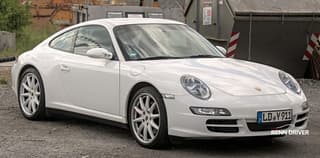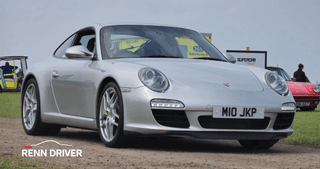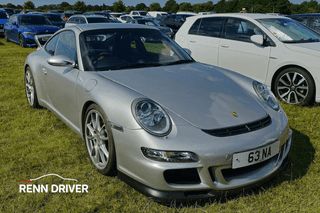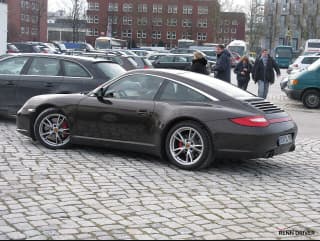
The Porsche 997 Turbo is a dual-purpose sports car: fast enough to embarrass nearly anything on the road, and engineered with enough headroom to become genuinely quick with the right modifications. Porsche produced the 997 generation from 2006 through 2012, split into two distinct variants. The 997.1 Turbo ran from 2006 to 2009 with the legendary 3.6-litre Mezger flat-six, producing 480 hp and 620 Nm of torque, available with a 6-speed manual or Tiptronic automatic. When Porsche replaced it with the 997.2 Turbo in 2010, a new 3.8-litre direct-injection unit pushing 500 hp and 660 Nm replaced the Mezger, paired with the 6-speed manual or the new PDK dual-clutch. The Turbo S arrived alongside the 997.2 producing 530 hp with standard ceramic brakes and Sport Chrono. Understanding which model year you own or are buying shapes every decision that follows.
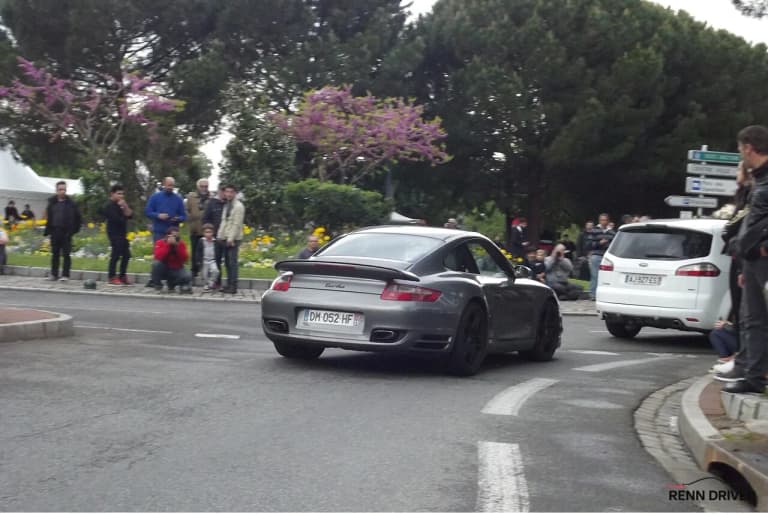
The 911 Turbo came in two body styles: the Turbo Coupe and the Turbo Cabriolet. The Turbo Coupe is the purist choice and its fixed roof contributes to chassis rigidity, paying dividends on track and when the suspension is modified. The Turbo Cabriolet trades some of that structural advantage for open-air driving that the 911 Turbo AWD system makes genuinely usable across more conditions. Both body styles shared the same AWD platform and powertrain options across all model years. The two-door layout of both keeps the car focused around the driver and one passenger.
What makes the 997 Turbo such a rewarding platform for upgrades is the structural solidity, a well-understood engine family, and the fact that the factory left significant power on the table. Used prices for a 997 Turbo range from around $80,000 for a 997.1 manual to over $200,000 for a Turbo S. The 911 Turbo AWD system tames additional output in ways a rear-drive sports car cannot. The sections below cover every major upgrade category in the order most owners approach them.
Contents
Quick Summary
- Engine & Transmission: Turbo upgrades are common for purists, and for those with the Tiptronic transmission, a manual conversion is a common path. Some highly specialized shops offer a PDK swap, though this is a complex and costly process.
- Suspension & Brakes: Porsche Ceramic Composite Brakes, adaptive dampers, Sport Chrono Package, for elevated handling and stopping ability
- Wheels & Tires: Lightweight forged aluminium wheels, high-grip tires for sharper response and traction
- Aerodynamics: Front splitters, rear wings, body kits for high-speed stability
- Interior/Exterior: Sport seats, lightweight parts for a driver-focused, lighter feel
- Tech & Safety: Infotainment updates, performance logging for modern usability and confidence
- Output & Torque: Upgraded turbochargers and ECU tuning regularly push builds past 700 hp and 750 Nm.
- Top Speed: Modified 997 Turbos can surpass 200 mph.
- Availability: Sought-after in both Turbo Coupe and Turbo Cabriolet versions in the U.S. market. Prices start around $65,000 for Tiptronic 997.1 cars and rise to $200,000+ for Turbo S examples.
997.1 vs. 997.2 Turbo: Which Should You Buy?
Both generations share the same AWD platform and VTG turbocharger setup, but the engine and transmission story differs enough to push buyers firmly into one camp. The 997.1 Turbo runs the 3.6-litre Mezger flat-six producing 480 hp and 620 Nm, available with a 6-speed manual or Tiptronic automatic. The 997.2 swaps in a 3.8-litre direct fuel injection engine pushing 500 hp and 660 Nm, pairing it with the 6-speed manual or the PDK dual-clutch that replaced the old Tiptronic. For model years 2006 through 2009 you are buying an engine with a true motorsport lineage; for model years 2010 through 2012 you are buying a more refined and more modern machine.
- Engine: The 997.1 Turbo uses the 3.6L Mezger, a design shared with the GT3 RS and GT2. The 997.2 moves to a 3.8L direct fuel injection engine that is more efficient but lacks the Mezger cult status.
- Power: 997.1 delivers 480 hp and 620 Nm. The 997.2 delivers 500 hp and 660 Nm. The 997.2 Turbo S pushes that to 530 hp with standard PCCB and Sport Chrono included.
- Transmission: The 997.1 offers a 6-speed manual or Tiptronic. The 997.2 replaces the Tiptronic with PDK, which shifts considerably faster, while the 6-speed manual carries over on both.
- Acceleration: 0 to 62 mph takes 3.4 seconds in the 997.1 Turbo, 3.3 seconds in the 997.2 Turbo, and 3.1 seconds in the Turbo S.
- Top speed: 193 mph for the 997.1, 194 mph for the 997.2, and 197 mph for the Turbo S.
Buyers who prioritise the Mezger engine and plan to keep the car as a collector piece or track weapon should target a 997.1 Turbo with the 6-speed manual. Buyers who want a more modern engine with PDK and 20 additional horsepower from the factory will find the 997.2 worth the price difference.
What Is the Porsche 997 Turbo S?
The Turbo S is the factory-built top variant of the 997 Turbo lineup, produced exclusively in the 997.2 generation from 2010 to 2012. Porsche extracted an additional 30 hp from the 3.8-litre flat-six to reach 530 hp and 660 Nm of torque. That extra output drops the 0 to 62 mph sprint to 3.1 seconds and raises the top speed to 197 mph, making it quicker than the standard 997.2 Turbo at every point on the tachometer.
The Turbo S also comes loaded with equipment that costs serious money as individual options on the base Turbo. Porsche Ceramic Composite Brake (PCCB) rotors are standard fitment, as is Sport Chrono with dynamic engine mounts and the active rear spoiler that deploys automatically above 75 mph. The active rear spoiler is larger and more aggressive than the standard unit, contributing to the top speed and high-speed composure. Both the Turbo S Coupe and Turbo S Cabriolet were available, so buyers who wanted open-air driving at near-200 mph had a factory answer. The 6-speed manual was offered alongside PDK on the Turbo S, so manual transmission buyers are not locked out of this variant. Used Turbo S examples now trade between $140,000 and $200,000 or more depending on mileage and specification.
Turbo Coupe or Turbo Cabriolet?
The Turbo Coupe is the purist pick. Its fixed roof provides a stiffer platform, and that chassis rigidity pays off in cornering precision and a more connected feel when the suspension is upgraded. The Turbo Cabriolet adds approximately 75 kg over the Turbo Coupe, which shows up mainly in the sprint times rather than outright top speed. Both body styles share the same two-door layout, the same AWD drivetrain, and the same VTG turbocharger setup, so the performance gap is real but not dramatic. For buyers who plan aggressive track or suspension modifications, the Turbo Coupe is the better foundation. For buyers who plan daily road driving in warm climates, the Turbo Cabriolet gives back very little in capability and adds considerably in experience.
What Does a Porsche 997 Turbo Cost?
Used prices for the 997 Turbo vary significantly by generation, transmission, and specification. Manual gearbox cars command a premium over automatics at every level, and Turbo S examples sit in a different tier entirely. Here are the realistic prices for clean examples sold through specialist dealers in the current market:
- 997.1 Turbo with Tiptronic: $65,000 to $95,000
- 997.1 Turbo with 6-speed manual: $80,000 to $120,000
- 997.2 Turbo (PDK or manual): $110,000 to $160,000
- 997.2 Turbo S: $140,000 to $200,000+
High-mileage or Tiptronic 997.1 cars occasionally appear for sale below $60,000 and represent strong value for buyers who plan to upgrade anyway. Low-mileage Turbo S coupes in rare colours have sold above $250,000 at specialist auction. The manual transmission premium is consistent across all model years. Prices for manual cars run $10,000 to $20,000 above equivalent automatic examples, and those prices have held steady as collector interest increases.
Engine & Transmission Upgrades
The heart of any serious 997 Turbo build is the 911 Turbo engine and transmission. Upgrading to larger hybrid turbochargers significantly boosts power and boost response. Modern tuners often fit new turbo assemblies for quicker spool and better top-end performance.
While the 997.1 Turbo came with the robust Mezger engine using port injection, the 997.2 generation introduced the more modern direct fuel injection (DFI) engine. This is not a conversion option for the 997.1. The production variable turbine geometry (VTG) turbos were cutting-edge for their time, and modern cores can spool even quicker.

While early 997.1 Turbos came with the more traditional Tiptronic automatic, a much more popular option for enthusiasts seeking a faster transmission is to sell the car and buy a 997.2 Turbo, which came with the factory PDK.
A handful of highly specialized tuners offer a PDK conversion service for the 997.1, but this is a very complex and costly procedure, not a common upgrade.
If you’re driving a manual transmission model, reinforcing the clutch and transmission internals is a must for any 911 Turbo to handle the increased output and torque. Thoughtful engineering ensures these upgrades work in harmony, boosting output without sacrificing reliability.
Braking & Suspension Upgrades
More power demands equally capable control. The Porsche Ceramic Composite Brakes (PCCB) system, an optional factory feature, offers fade-free performance and cuts unsprung weight. It's ideal for track or racing use. Pair this with the enhanced mapping from the Sport Chrono Package, and the car feels sharper and more agile. With Porsche Traction Management working alongside the all-wheel-drive system, grip and stability are maximized even under heavy throttle.
Aftermarket coilovers give you full adjustability for the height, rebound, and compression. This allows you to tune the ride for street or circuit. Meanwhile, upgrades to alignment components like control arms enhance precision. Porsche Stability Management fine-tunes the balance, ensuring the car remains composed during rapid direction changes.
These upgrades move the 911 Turbo feel closer to a Porsche GT3 RS in how confidently it attacks corners. For reference, the Turbo S featured carbon-ceramic brakes and minor software updates that pushed it even further.
Wheels & Tires
Few upgrades transform a car like the right wheels and tires. Lightweight forged aluminium wheels reduce rotational mass, enabling better acceleration and steering feel. When wrapped in ultra-high-performance rubber such as the Michelin Pilot Sport Cup or Pirelli P-Zero Corsa, you unlock staggering grip levels.
Maintaining a staggered setup, with wider rear wheels, is crucial to managing the AWD vehicle’s powerful rear grip. These parts not only look cool, but they also deliver tangible performance gains.

Aerodynamics & Downforce
At speed, aero becomes essential. Front splitters and GT2 RS–inspired rear wings tame lift and provide stability. Full-body kits improve airflow and cooling, while the active factory aerodynamic surfaces on the 997 Turbo can be reprogrammed to deploy earlier. Many owners also retrofit bi xenon headlights for better visibility and a more modern appearance. This brings greater confidence on the highway.
For Turbo Cabriolet drivers, a well-implemented rear lip spoiler offers a sleek balance of style and downforce. These details ensure that whether you're in a coupé or cabriolet, high-speed composure is never compromised.

Interior & Exterior Upgrades
Performance isn’t just about how fast you go—you should feel every moment. Lightweight carbon-backed sport seats save weight and enhance cockpit focus. Alcantara steering wheels and shifter knobs elevate tactile engagement, giving a more motorsport feel.

Exterior upgrades like carbon-fiber decklids and mirrors shed pounds and sharpen aesthetics. Many of these upgrades, such as carbon-fiber parts and sport seats, are inspired by racing models like the GT2 RS and GT3 RS.
While they enhance the car's aesthetic and driver feel, they can sometimes come at the cost of daily comfort and convenience.
Electronics & Technology
Melding analog driving with 21st-century technology makes the experience richer. Upgrading to a touchscreen infotainment system with Apple CarPlay or Android Auto elevates convenience.
Data loggers let you watch every lap in real-time, providing insight to refine your setup. Safety upgrades like backup cameras make daily driving smoother without diluting the sport experience. These enhancements are about modern comfort while still preserving the driving character of the 997.
Fun Facts About the Porsche 997 Turbo
- It was the first Porsche to use variable turbine geometry on a production Porsche 911 Turbo.
- Launched in June 2006 during full production of the 997 generation, it heavily influenced every 911 Turbo generation that followed.
- It made its public debut at the Frankfurt Motor Show to global acclaim.
- The standard car could sprint from 0–62 mph in just 3.4 seconds, powered by 480 hp.
- Sales in America remained strong, especially in the Turbo Cabriolet.
- Enthusiasts are proud that this was the last Turbo with the legendary Mezger engine (found in the 997.1 model), a hallmark of Porsche engineering.
Frequently Asked Questions (FAQs)
What upgrades add the most horsepower?
Hybrid turbochargers paired with ECU tuning can achieve gains of 100+ hp, especially when combined with supporting mods like an intercooler, exhaust, and fuel system.
Is converting to PDK worth it?
Yes, if rapid lap times and shift response matter. But for purists, the 6-speed manual keeps the classic Porsche 911 charm.
Are ceramic brakes suitable for daily use?
PCCB are phenomenal, but costly to replace. Upgraded steel brakes often offer a practical balance for street-focused builds.
What’s the cost of a full performance build?
Mild upgrades starting at around $10k are common, while fully outfitted track builds can exceed $40k, depending on parts, labor, and ambition. Prices for used 997 Turbos range from $65k for a Tiptronic 997.1 to $200k+ for a clean Turbo S.
Do upgrades affect resale value?
Stock cars retain value best regardless of model year. Modified cars command strong prices when the work is documented and of high quality. But high-quality builds with carefully chosen parts are increasingly seen as desirable by knowledgeable buyers.
Conclusion
The Porsche 997 Turbo remains among the most capable Porsche 911 models built. It offers enduring heritage, advanced engineering, and enviable upgrade potential. With the right scope of work on engine, suspension, brakes, aero, and tech, you can craft a car that looks, feels, and performs like it belongs at the top of the 911 bloodline.
Whether in Turbo Coupe or Turbo Cabriolet guise, the 997 continues to exemplify that famous Porsche balance: analog feel with cutting-edge output. It is a sports car that rewards ownership at every level of modification. Thanks to its Mezger heart and endless mod potential, it's a vehicle you’ll be proud to drive, for now and far into the future.
Photo credit: Alexandre Prévot from Nancy, France, CC BY-SA 2.0, via Wikimedia Commons, The Car Spy, CC BY 2.0, via Wikimedia Commons