Thailand has five circuits that run regular track days for cars and motorcycles. No racing license is required. A full day session costs 3,000 to 8,000 THB ($85 to $225), and all you need is your own vehicle, a helmet, and closed toe shoes.
In this article, we'll plan a track day in Thailand. We'll cover active circuits, event costs, and first-day preparation.
Contents
What Is a Track Day in Thailand?
A track day is an open session where you drive your own car or motorcycle on a racing circuit. Thailand's track day scene is smaller than Japan's or Australia's, but it is growing fast. Sessions run at circuits across the country, from Bira near Pattaya to Chang International Circuit in Buriram.
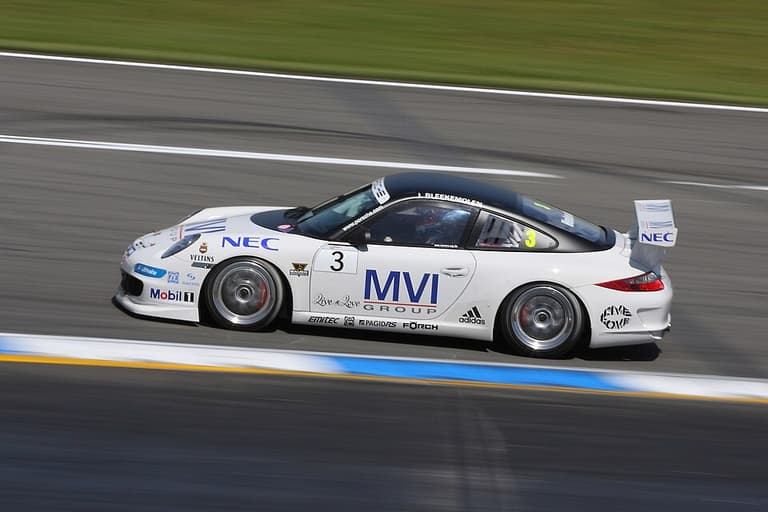
The format is straightforward. You pay a fee, sign a waiver, attend a safety briefing, and then get multiple sessions of track time throughout the day. Drivers are grouped by experience level, passing rules are enforced, and there is no door to door racing. The goal is seat time and improving your driving, not competing.
What makes Thailand stand out is the low barrier to entry. No racing license, no club membership, and no expensive safety equipment beyond a helmet. The costs are a fraction of what you would pay in Europe or the US. For anyone living in or visiting Thailand with access to a car, whether you bought locally or shipped one in, a track day is one of the best ways to experience what your car can actually do.
Which Circuits Run Track Days?
Thailand has five permanent circuits, and four of them run regular open track day sessions.
Bira International Circuit (Pattaya)
Bira International Circuit is a 2.41 km FIA certified track with 11 turns, located about 15 km northeast of Pattaya and roughly 90 minutes from Bangkok. It opened in 1986, making it Thailand's oldest permanent racing circuit. The layout is technical, with elevation changes, two chicanes, and a fast downhill double apex corner that punishes mistakes. The facility includes 30 pit boxes, a control tower, and a medical center.
Bira runs the most frequent track days of any circuit in Thailand. Sessions happen every one to two weeks, organized by a mix of car clubs and independent promoters. The grandstand area can hold up to 30,000 spectators, though track days are much quieter affairs. This is the circuit most Bangkok based enthusiasts use as their home track.
Thailand Circuit (Nakhon Pathom)
Thailand Circuit, also known as Nakhonchaisri Motor Sport Complex, is a 2.5 km track with 13 turns including two chicanes. It sits about 50 km west of Bangkok, making it the closest circuit to the capital. The facility was established in 1989 and meets FIM international standards for road racing.
The track is 12 to 15 meters wide, which gives plenty of room for passing. Thailand Circuit runs track days, time attacks, drift sessions, and driver training programs throughout the year. The atmosphere is more relaxed than Bira, and it is often the first track experience for new enthusiasts. Booking is done through their website or Facebook page.
Kaeng Krachan Circuit (Phetchaburi)
Kaeng Krachan Circuit is the second longest race track in Thailand at 2.912 km, with a medium course option at 2.4 km and a short course at 1.0 km. The full layout has 11 turns with 18 meters of elevation change, making it the most topographically varied circuit in the country. It opened in 2010 in Phetchaburi Province, about two hours south of Bangkok.
The elevation changes create blind crests and limited forward visibility, which demands concentration. The circuit sits in a valley, so spectators can see the entire track from multiple vantage points. Kaeng Krachan runs club level events, track days, and racing schools for both cars and motorcycles. McLaren Club Thailand and other supercar groups have held private track days here.
Chang International Circuit (Buriram)
Chang International Circuit is Thailand's flagship. Designed by Hermann Tilke, the 4.554 km layout has 12 turns and holds both FIA Grade 1 and FIM Grade A certification. It hosts MotoGP, World Superbike Championship, and GT World Challenge Asia. The facility opened in 2014 and cost 2 billion THB to build.
Chang occasionally opens for track days, though its location in Buriram (roughly six hours by car from Bangkok or a one hour flight) means most participants make a weekend of it. The experience of driving a full Tilke layout is worth the trip. The Thailand motorsport guide covers the racing series that run here.
Bangkok Drag Avenue (Lat Krabang)
Bangkok Drag Avenue is not a circuit but a dedicated quarter mile drag strip near Suvarnabhumi Airport. It runs regular drag nights and test and tune sessions. If your idea of a track day involves straight line speed rather than corners, BDA is where the action happens.
How Much Does a Track Day Cost?
Track day pricing in Thailand varies by circuit and organizer, but it is consistently affordable compared to other countries.
| Circuit | Full Day Cost | Notes |
|---|---|---|
| Bira International Circuit | 3,000 to 5,000 THB | Most frequent sessions |
| Thailand Circuit | 3,000 to 5,000 THB | Closest to Bangkok |
| Kaeng Krachan Circuit | 4,000 to 6,000 THB | Full and short course options |
| Chang International Circuit | 5,000 to 8,000 THB | Less frequent, premium facility |
| Bangkok Drag Avenue | 500 to 1,500 THB | Per run or per session |
Those prices translate to roughly $85 to $225 for a full day of circuit driving. In the UK, a comparable track day at Brands Hatch or Donington costs 200 to 400 GBP ($250 to $500). In Japan, Fuji Speedway charges around 30,000 JPY ($200+) for limited sessions. Thailand is one of the most affordable places in the world to get on a real racing circuit.
Some organizers offer half day rates or discounted packages if you book multiple sessions in advance. Private group bookings are also available at most circuits for car clubs or corporate events.
What Do You Need to Bring?
The equipment requirements for a Thailand track day are minimal compared to formal racing.
Required by most organizers:
- Your own car or motorcycle in safe, roadworthy condition
- A helmet (Snell SA2015 or newer is ideal, but most organizers accept any full face helmet in good condition)
- Closed toe shoes (no sandals or flip flops)
- Long pants (some organizers require this, others do not)
- Valid driver's license
Recommended but not required:
- Driving gloves for grip and comfort
- Sunscreen and a hat for pit time between sessions
- A portable canopy or sun shade (pits can be brutally hot)
- Extra water (at least 3 liters, dehydration is a real issue in Thai heat)
- A tire pressure gauge
- Brake fluid rated for high temperatures (DOT 4 or DOT 5.1)
- Blue painter's tape for marking reference points on the windshield
- A GoPro or similar camera if you want to review your laps
Some circuits offer helmet rental for 200 to 500 THB. Do not count on this. Bring your own if possible. The quality of rental helmets varies widely.
How to Book a Track Day
Booking a track day in Thailand is less formal than in many countries. There is no single centralized platform. Instead, bookings happen through a mix of channels.
Circuit websites and Facebook pages. Bira, Thailand Circuit, and Kaeng Krachan all post upcoming track day dates on their official Facebook pages. Thailand Circuit also takes bookings through their website at thailandcircuit.racing. Facebook is the primary communication channel in Thailand, so follow each circuit's page for announcements.
Car clubs and organizers. Many track days are organized by car clubs rather than the circuits themselves. Porsche Club Thailand, the various BMW and Mercedes groups, and independent track day companies book circuit time and sell slots. These club events often include instruction, lead follow sessions, and social activities. The Bangkok car culture scene is the best entry point for connecting with these groups.
Direct contact. For smaller circuits, calling or messaging on LINE (Thailand's dominant messaging app) works well. Thailand Circuit's booking email is booking@thailandcircuit.racing and their phone number is +66 94 746 3639.
Most track days fill up one to two weeks before the event. Do not wait until the last minute, especially for Bira sessions, which tend to sell out.
What to Expect on the Day
A typical Thailand track day follows a predictable routine. Arrive early. Registration usually opens at 7:30 or 8:00 AM, with the first session starting around 9:00 AM. You will sign a waiver, get a wristband or sticker, and have your car visually inspected. The inspection is basic: they check for loose items in the cabin, secure battery, no fluid leaks, and adequate brake pad life.
After registration, there is a mandatory driver briefing. The briefing covers the circuit layout, flag signals, passing rules, and pit entry procedures. Even if you have been to the circuit before, you attend the briefing. It takes about 15 minutes.
Driving sessions typically run 20 to 30 minutes each, with breaks in between for cooling and tire checks. A full day usually includes four to six sessions, giving you roughly two to three hours of total track time. Drivers are grouped by experience: beginners in one group, intermediates in another, and advanced drivers in a third. Passing is only allowed in designated zones, usually on the straights.
Lunch breaks are usually 60 to 90 minutes. Some circuits have on site food vendors. Others are in remote areas where you should bring your own food or eat before arriving.
The day wraps up by 4:00 or 5:00 PM. By that point the afternoon heat and tired drivers make conditions less ideal. Most experienced regulars prefer the morning sessions when the track is cooler and they are sharpest.
Car Preparation
You do not need a race car to do a track day. A stock road car in good condition is perfectly fine. That said, there are a few things worth checking before you go.
Brakes. This is the most important item. Track driving is harder on brakes than any amount of road driving. Check that your pads have at least 50% life remaining. If you are driving anything with performance brakes (Porsche PCCB, BMW M compound), you are fine on stock pads. For standard road cars, consider upgrading to a track oriented pad compound if you plan to do track days regularly. Flush the brake fluid with DOT 4 or 5.1 rated fluid before your first session.
Tires are the second priority. Check tread depth and inflation pressure. Most drivers start with their road pressures and adjust after the first session based on temperature readings. Bring a tire pressure gauge and check pressures when the tires are hot after each session. Expect pressures to increase by 3 to 5 PSI from the heat.
Fluids. Top up engine oil, coolant, and windshield washer fluid. A fresh oil change before a track day is good practice, especially if your car is turbocharged. Check for any fluid leaks under the car. Organizers will pull you off the track immediately if you drop oil.
Interior. Remove loose items from the cabin and trunk. Water bottles, sunglasses, floor mats, and anything else that could fly around under hard braking or cornering needs to come out. Tighten any aftermarket accessories.
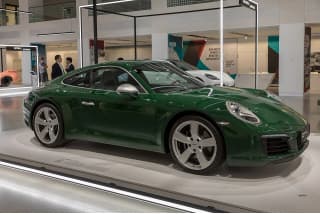
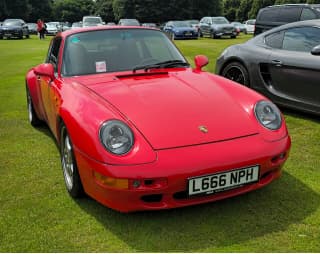
For Porsche owners, the 911 is one of the most track capable sports cars you can buy in stock form. The PASM suspension, carbon ceramic brakes (if equipped), and rear engine traction make it confidence inspiring on track from the first lap.
Track Day Tips for First Timers
If you have never done a track day before, Thailand is a great place to start. The costs are low, the atmosphere is welcoming, and the circuits are technical enough to be interesting without being intimidating.
Start slow and build up. Use the first two sessions to learn the circuit layout, find braking markers, and get comfortable with the car at speed. Do not try to set a lap record on your first outing. Smooth is fast, and fast comes with familiarity.
Use the mirrors. Faster cars will catch you. When you see someone closing in your mirrors, hold your line and point them past on the straight. Do not suddenly slow down or move off line. The driver behind is responsible for the pass, but you are responsible for being predictable.
Stay hydrated. The cockpit temperature on a Thai track day easily exceeds 40 degrees Celsius with no air conditioning running. Drink water between every session. If you feel dizzy or fatigued, sit out a session. Nobody will judge you for it.
Watch other drivers. Between your sessions, watch from the pit wall or spectator areas. You can learn a lot about lines, braking points, and car placement by observing faster drivers. Many experienced regulars are happy to share advice if you ask.
Consider getting instruction. Some track day organizers offer lead follow sessions where an experienced driver leads you around the circuit at progressively faster speeds. This is the fastest way to learn a new track. Driving a Porsche in Thailand covers additional practical tips for getting on track.
Motorcycle Track Days
Thailand's track day scene is not limited to cars. All five circuits run motorcycle track days, and the motorcycle community is arguably more active than the car side.
Bira International Circuit and Thailand Circuit run the most frequent motorcycle sessions. RTT (Ride Track Thailand) organizes premium motorcycle track day packages that include hotel pickup from Bangkok or Hua Hin, circuit registration, four track sessions of up to 10 laps each, and lunch. These packages often include bike rental if you do not have your own motorcycle in Thailand.
Ducati runs their official Riding Experience (DRE) program at Chang International Circuit, using current Panigale models. The DRE courses range from beginner to advanced and include professional instruction from Ducati's coaching team. Pricing starts significantly higher than standard track days, but the instruction quality and the bikes are top tier.
Gear requirements for motorcycle track days are stricter than for cars. Full leathers (one piece or two piece zipped together), back protector, gauntlet gloves, and race boots are standard requirements. Most organizers will not let you on track in textile gear.
FAQ
Do you need a racing license for a track day in Thailand?
No. Open track days at Bira, Thailand Circuit, Kaeng Krachan, and Chang do not require a racing license. You need a valid driver's license, a helmet, and a roadworthy car. Racing licenses are only required for competitive events through the Royal Automobile Association of Thailand (RAAT).
How much does a track day cost in Thailand?
A full day of track time costs 3,000 to 8,000 THB ($85 to $225) depending on the circuit and organizer. Bira and Thailand Circuit are at the lower end. Chang International Circuit charges more due to its premium facilities. Drag runs at Bangkok Drag Avenue cost 500 to 1,500 THB per session.
Which is the best circuit for a first track day?
Thailand Circuit in Nakhon Pathom is the most beginner friendly. It is the closest circuit to Bangkok, has a wide track (12 to 15 meters), and runs a more relaxed atmosphere than Bira. Bira is the better circuit overall but its technical layout and elevation changes are more challenging for new drivers.
Can you rent a car for a track day in Thailand?
Standard rental cars cannot be used on track because rental agreements prohibit it and insurance will not cover damage. You need your own car or access to a track day rental program. Some motorcycle track day organizers like RTT include bike rental in their packages. For cars, you need to own or borrow one.
What is the best time of year for track days in Thailand?
November through February is ideal. The weather is cooler (25 to 30 degrees Celsius during the day versus 35 to 40 in April), there is less rain, and track conditions are more consistent. The hot season (March through May) is manageable but dehydration and brake overheating become bigger concerns. Avoid the peak monsoon months (September and October) when heavy rain can cancel sessions.