Contents
- What Is the JDM Scene in Thailand?
- Why Is JDM Culture So Strong in Thailand?
- What JDM Cars Are Popular in Thailand?
- Where Do JDM Enthusiasts Meet in Thailand?
- Can You Import a JDM Car to Thailand?
- What About the Aftermarket and Tuning Scene?
- How Does JDM Culture Compare to the European Scene?
- Renn Driver's Take
- FAQ
What Is the JDM Scene in Thailand?
JDM culture in Thailand revolves around Japanese performance cars, aftermarket modification, and a community that gathers at weekly meets, track days, and drag events. The scene draws from the same roots as JDM culture in Japan, but Thailand's unique tax structure and local manufacturing base give it a character of its own.
Thailand is the largest car market in Southeast Asia and the region's biggest auto manufacturing hub. Toyota, Honda, Isuzu, Mitsubishi, Nissan, Mazda, and Suzuki all operate factories here. That deep Japanese automotive presence means parts availability is exceptional. You can walk into aftermarket shops in Bangkok and find B series and K series Honda engine parts, Nissan SR20DET turbo kits, and Toyota 2JZ components without placing a single international order.
The community itself ranges from budget builds on Honda Civics and Toyota Corollas to full competition cars running at Bira International Circuit and Bangkok Drag Avenue. Social media groups on Facebook and LINE (Thailand's dominant messaging app) connect thousands of enthusiasts across the country.
Why Is JDM Culture So Strong in Thailand?
Three factors explain why JDM culture thrives in Thailand more than almost anywhere else in Southeast Asia.
First, Japan's automotive industry has been embedded in Thailand since the 1960s. Toyota started manufacturing here in 1964. Honda, Nissan, and Mitsubishi followed in the 1970s and 1980s. That 60 year history means generations of Thai mechanics, engineers, and enthusiasts grew up around Japanese cars. The knowledge base runs deep.
Second, Thailand's car tax structure heavily favors locally assembled vehicles. Japanese brands that manufacture in Thailand pay far lower import duties than European or American cars shipped in as complete units. A new Honda Civic costs a fraction of what a comparable European hatchback costs after taxes. That affordability makes Japanese platforms the default choice for enthusiasts on a budget.
Third, proximity to Japan itself matters. Japan is a five to six hour flight from Bangkok. Used JDM parts flow into Thailand through established import channels. Complete engines, transmissions, body panels, and suspension components arrive regularly from Japanese auction houses and dismantlers. The supply chain for a 2JZ swap or an RB26 rebuild is well established here.
What JDM Cars Are Popular in Thailand?
The JDM scene in Thailand centers on a handful of platforms that have strong aftermarket support and active communities.
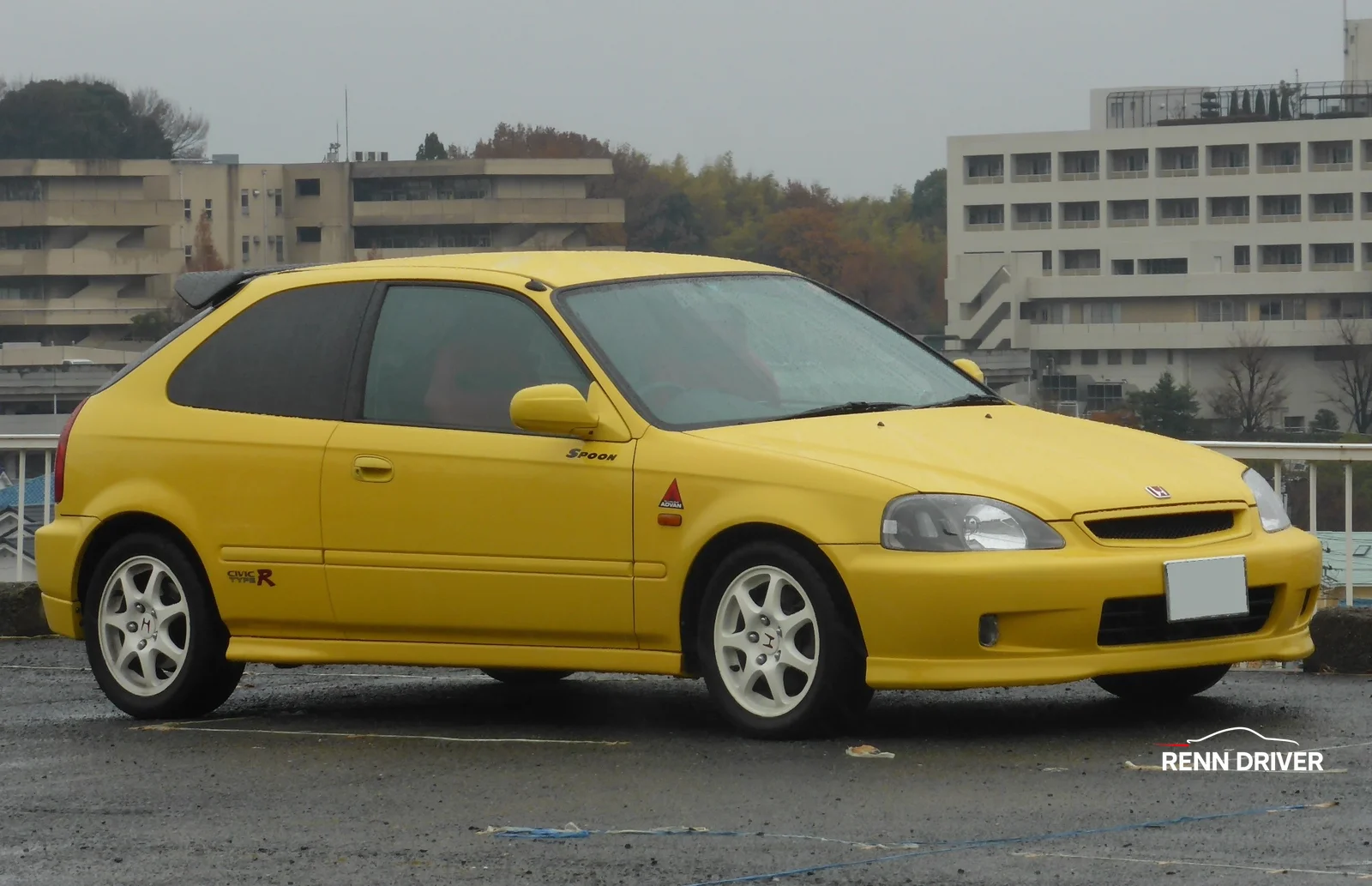
Honda Civic (EG, EK, FD, FK). The Civic is the backbone of the Thai tuning scene. B series and K series engine swaps are the most common performance upgrade path. EG and EK hatches are popular for time attack and drag racing. The newer FK8 and FL5 Type R models have growing followings at track days.
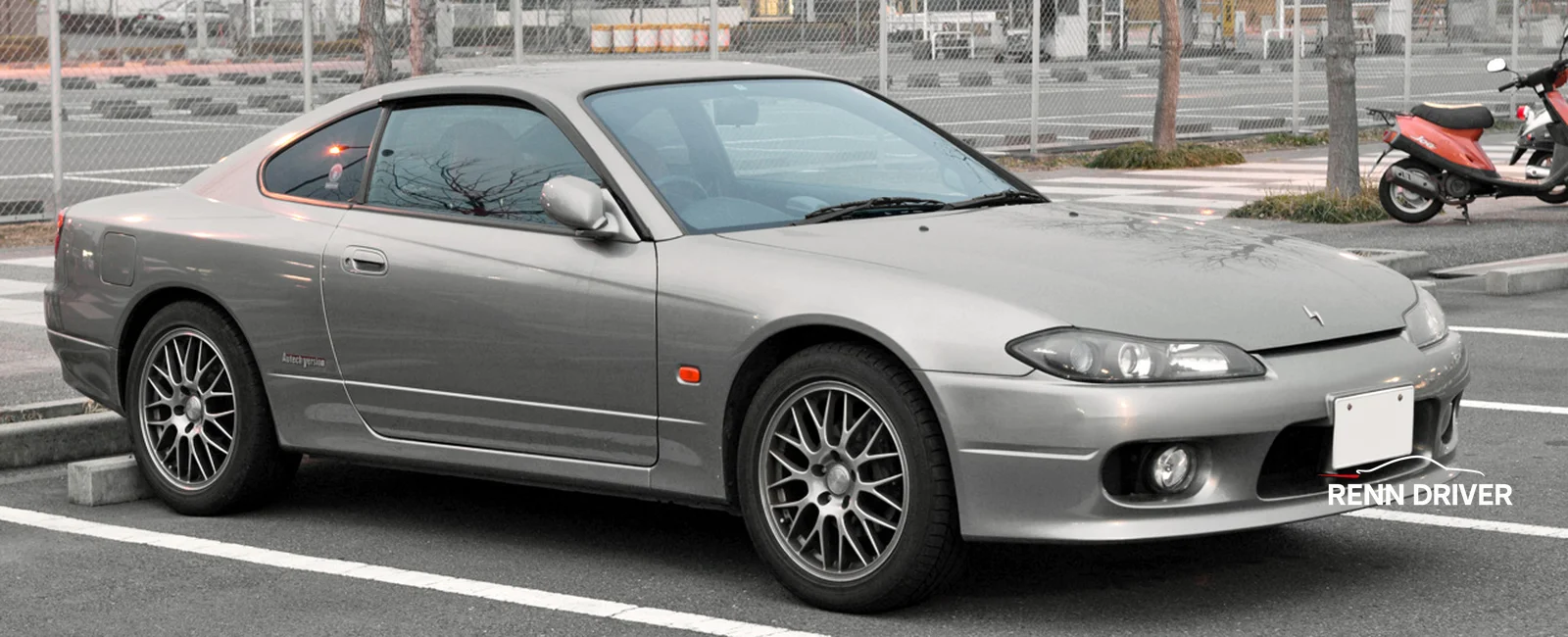 Nissan Silvia (S13, S14, S15). Silvias are the drift car of choice. Thailand has a small but committed drift community, and the S chassis is the default platform. SR20DET swaps are standard. Finding clean examples is getting harder as prices climb globally, but Thailand still has more affordable S chassis cars than most markets.
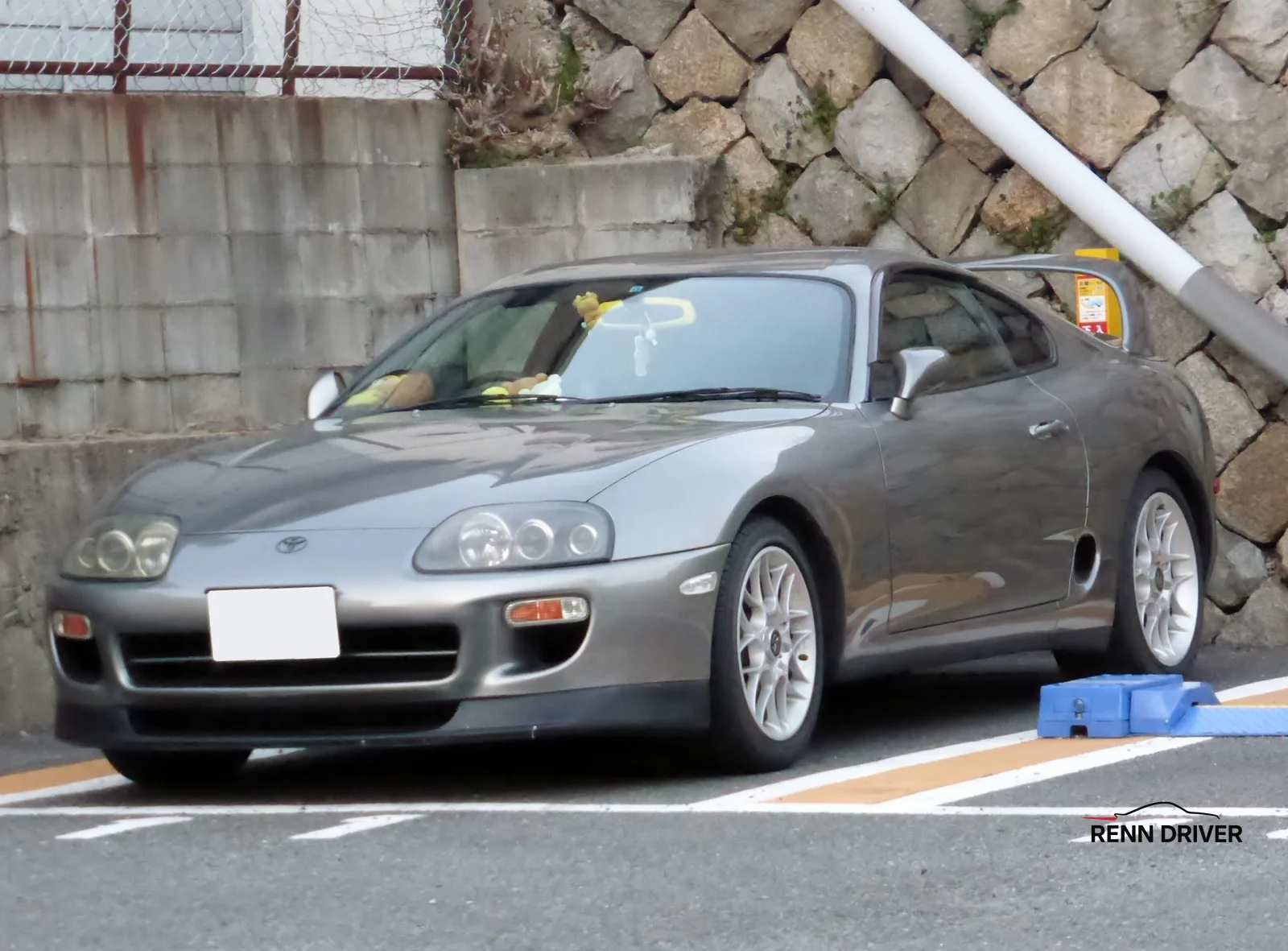 Toyota Supra (A80, A90). The MK4 Supra with a 2JZ-GTE is an icon here as it is everywhere. Big power builds exceeding 700 horsepower show up at drag events. The A90 GR Supra has attracted a new generation, though its BMW sourced B58 engine draws mixed reactions from purists.
Mazda RX-7 (FC, FD). Rotary enthusiasts exist in Thailand, though the community is smaller than the Honda and Nissan crowds. The FD RX-7 in particular holds strong value. Finding a rotary specialist mechanic takes more effort than finding a Honda shop, but dedicated builders exist in Bangkok and Chonburi.
Mitsubishi Lancer Evolution (VII through X). The Evo has a loyal following. Mitsubishi's local manufacturing presence helps with parts availability. Evo VIIs and VIIIs are the most commonly modified generations for track and rally use.
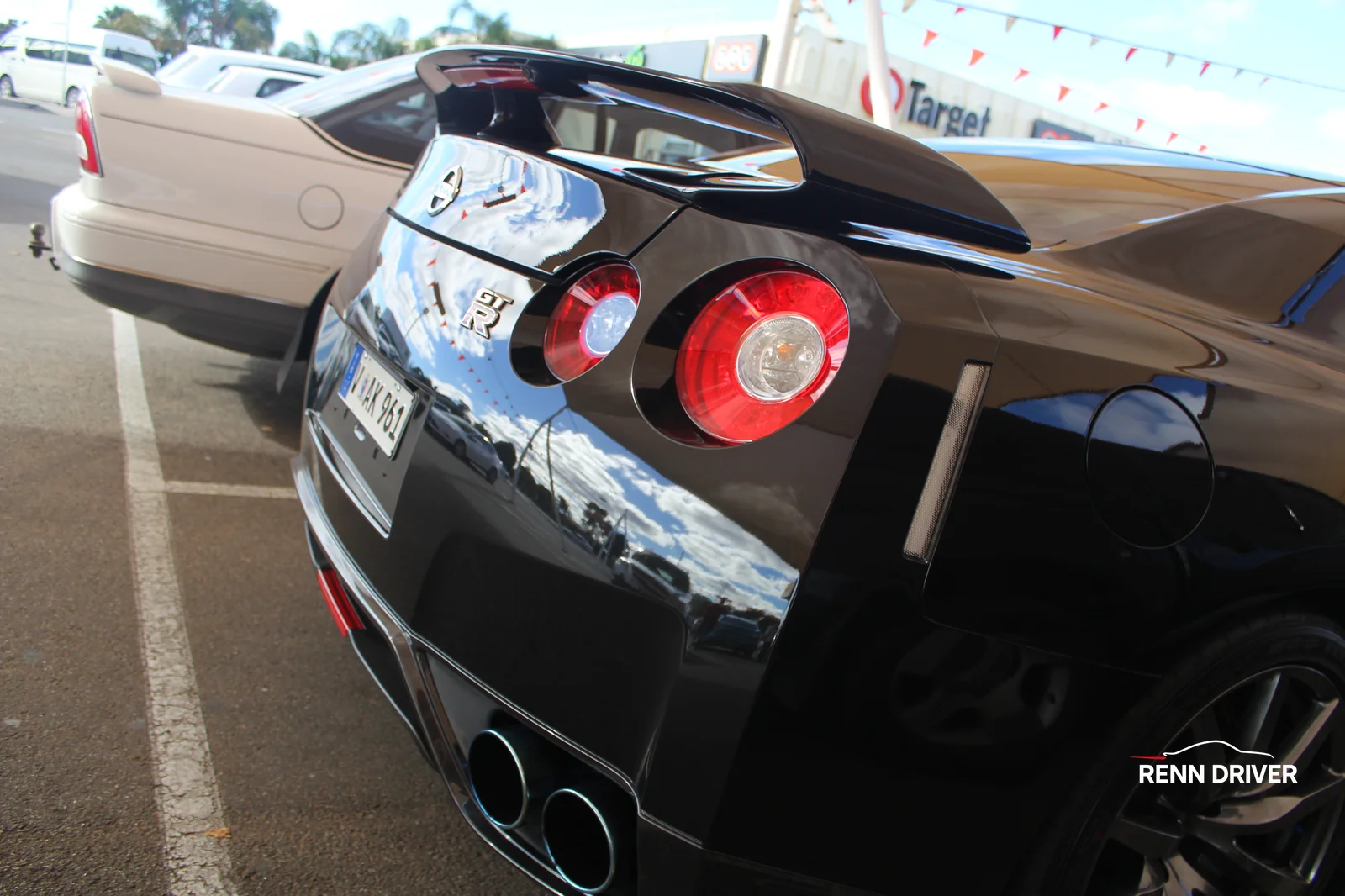 Nissan GT-R (R32, R33, R34, R35). The Skyline GT-R lineage commands respect across the Thai car scene. R35 GT-Rs show up at meets and occasionally at the drag strip. Older models are increasingly rare and expensive.
Where Do JDM Enthusiasts Meet in Thailand?
JDM enthusiasts in Thailand gather at general car meets, dedicated events, and track days across the country.
Rising Sunday in Bangkok draws JDM builds alongside supercars and European cars every session. Only Octane attracts a mixed crowd that regularly includes modified Civics, GT-Rs, and widebody Japanese platforms. XO Autosport is one of the largest automotive exhibitions in Thailand and features a major tuning and modification showcase.
For track driving, Thailand Circuit in Nakhon Pathom runs regular open track days popular with the JDM crowd. Bira International Circuit near Pattaya hosts time attack events. Bangkok Drag Avenue in Lat Krabang is the go to spot for straight line competition, drawing turbo Civics, GT-Rs, and Supras on drag nights.
The Bangkok Auto Salon runs annually in June or July at IMPACT Muang Thong Thani and is modeled on the Tokyo Auto Salon. It is the single biggest event of the year for the JDM modification scene in Thailand, featuring hundreds of built cars, aftermarket vendors, and tuning demonstrations.
Can You Import a JDM Car to Thailand?
Importing a JDM car to Thailand is possible but expensive. Thailand charges an 80% import duty on fully built vehicles, plus excise tax (30% to 50% depending on engine size and emissions), interior tax, and 7% VAT. These taxes compound on each other, pushing the landed cost to roughly three times the car's value before shipping.
A Nissan Silvia S15 that costs $25,000 to buy and ship from Japan could end up costing $65,000 to $75,000 once all duties and taxes are paid. That math has cooled the private import market significantly. Most JDM cars in Thailand were either brought in before tax rates climbed or entered through gray market channels that have since tightened.
The alternative is buying locally. JDM cars that are already registered in Thailand trade at a premium, but they avoid the import process entirely. Facebook groups and specialized dealers in Bangkok handle most of the used JDM market. For the full breakdown on importing cars to Thailand, including the tax calculation, see our guide. The same tax structure applies to JDM and European imports.
What About the Aftermarket and Tuning Scene?
Thailand's aftermarket and tuning industry is large, well established, and surprisingly affordable compared to Western markets.
Bangkok has entire neighborhoods dedicated to car modification. Soi Inthamara in the Ratchadaphisek area is famous for aftermarket shops. Bangna and Lat Krabang also have clusters of performance workshops. You can get a full turbo kit fabricated, an engine built, or a widebody kit fitted and painted at prices well below what the same work costs in the US, UK, or Australia.
Popular modification styles include time attack builds (aero focused, lightweight), drag builds (maximum power, reinforced drivetrain), VIP style (lowered sedans with aggressive camber and luxury interiors), and itasha (anime themed wraps and liveries, which have a niche but vocal following in Thailand).
Aftermarket brands like HKS, GReddy, Blitz, Cusco, and TEIN have distribution in Thailand. Some have official dealers in Bangkok. Thai fabricators also produce their own turbo manifolds, intercooler piping, and exhaust systems at a fraction of the cost of imported name brand parts.
How Does JDM Culture Compare to the European Scene?
The JDM and European car scenes in Thailand overlap at meets and events but differ in character. The JDM community tends to be younger, more modification focused, and more active at drag meets and time attack events. European car owners, particularly in the Porsche and BMW communities, lean toward track days, cruises, and cafe meets.
The price gap is significant. A built Civic can be a competitive track car for under 500,000 THB ($14,000). A base Porsche 911 starts at roughly 7 million THB ($200,000) before any modifications. That cost difference means the JDM scene is far more accessible and has a larger active participant base.
Where the two scenes meet is at events like Only Octane, Rising Sunday, and track days at Bira and Thailand Circuit. A widebody 964 parked next to an SR20 swapped Silvia is a common sight. The Bangkok car culture guide covers the full scene across both communities.
Renn Driver's Take
I have not driven this car yet. When I do, this section will have my honest take on what it is actually like to live with and drive.
FAQ
Is JDM culture popular in Thailand?
JDM culture is a major automotive subculture in Thailand. Japanese manufacturers have operated factories in the country since the 1960s, parts are widely available, and active communities gather at meets, tracks, and drag events every week.
What JDM cars are most common in Thailand?
Honda Civics (EG, EK, FD, FK), Nissan Silvias (S13 through S15), Toyota Supras (A80 and A90), Mazda RX-7s, and Mitsubishi Evos are the most popular JDM platforms in Thailand. The Civic is the most common thanks to affordable parts and strong local manufacturing support.
Can you import a JDM car to Thailand?
Yes, but the combined tax burden of 80% import duty, 30% to 50% excise tax, interior tax, and 7% VAT pushes the landed cost to roughly three times the car's pre-shipping value. Most enthusiasts buy JDM cars that are already registered in Thailand to avoid the import process.
Where are the best JDM meets in Thailand?
Rising Sunday and Only Octane in Bangkok draw JDM builds regularly. Bangkok Auto Salon is the largest annual event for the modification scene. Bangkok Drag Avenue hosts drag nights popular with turbo Civic and GT-R owners.
Is it cheaper to modify a car in Thailand than in the US or Europe?
Labor and fabrication costs in Thailand are significantly lower than in Western markets. A full turbo kit installation or engine build can cost 30% to 50% less in Bangkok than the same work done in the US. Japanese aftermarket parts from HKS, GReddy, and TEIN are also readily available through local distributors.