
The Porsche 991 isn’t just the seventh-generation 911. It’s the generation that took the analog heart of the 911 and gave it a digital exoskeleton. Sleeker, longer, more refined, but still unmistakably 911, it represents a key pivot point for Porsche.
Defined by a new design concept and advanced technological philosophy, the 991 set a benchmark for innovation while respecting tradition. For many enthusiasts, it’s the last model that balances heritage and modernity without tilting too far in either direction.
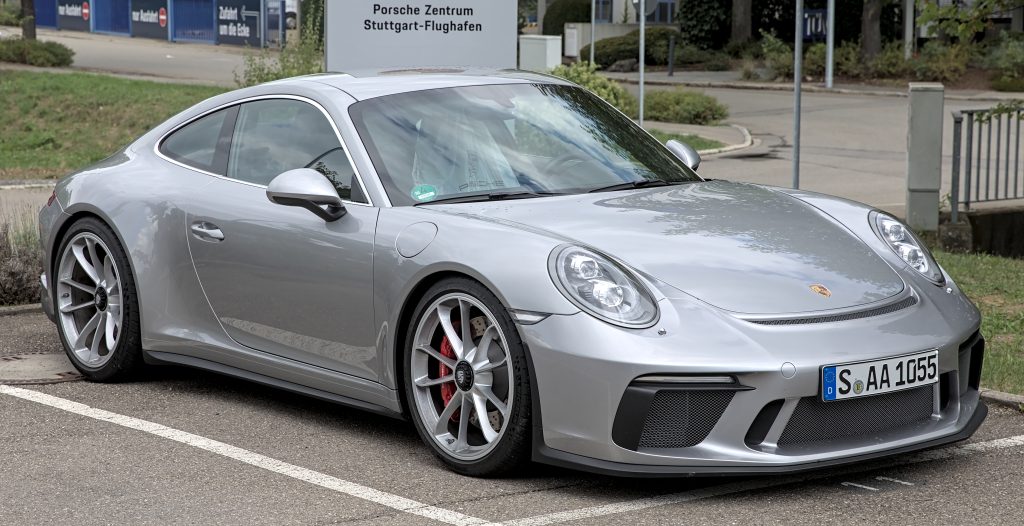
Built from 2011 to 2019, the 991 took over from the much-loved 997 and laid the groundwork for the future. As part of the ongoing evolution through different generations of the 911, the 991 stands out for its blend of performance, technology, and design.
From everyday Carreras to fire-breathing GT cars, the 991 made sure Porsche’s core model stayed relevant, even as regulations tightened and tastes shifted. Let’s dig into what makes the 991 generation so compelling.
Contents
- 1 Quick Summary
- 2 A New Platform, A New Era
- 3 Phases of the 991 Generation: 991.1 vs 991.2
- 4 911 Models: Something for Everyone
- 5 Engine and Transmission: Flat-Six Evolution
- 6 Suspension, Steering, and Handling
- 7 Brakes and Safety Tech
- 8 Interior and Technology
- 9 Aerodynamics and Exterior Design
- 10 Noteworthy Special Editions
- 11 Performance Upgrades: Factory and Beyond
- 12 Living with a 991
- 13 Final Verdict: Why the 991 Matters
Quick Summary
- Production Years: 2011 to 2019
- Notable Models: Carrera, Carrera S, GTS, Turbo, Turbo S, GT3, GT3 RS, GT2 RS, 911 R, Speedster
- Engine: 3.4L–3.8L NA flat-six (991.1) displacement, 3.0L twin-turbo flat-six (991.2) displacement, 4.0L NA displacement in GT models
- Transmission: 7-speed manual or 7-speed PDK dual-clutch
- Platform: All-new, longer wheelbase, wider track
- Dimensions: Length: 4,491 mm, Width: 1,808 mm, Wheelbase: 2,450 mm
- Tech: PASM, PDCC, rear-axle steering, Sport Chrono
- Legacy: The model that balanced modern tech with classic 911 feel
A New Platform, A New Era
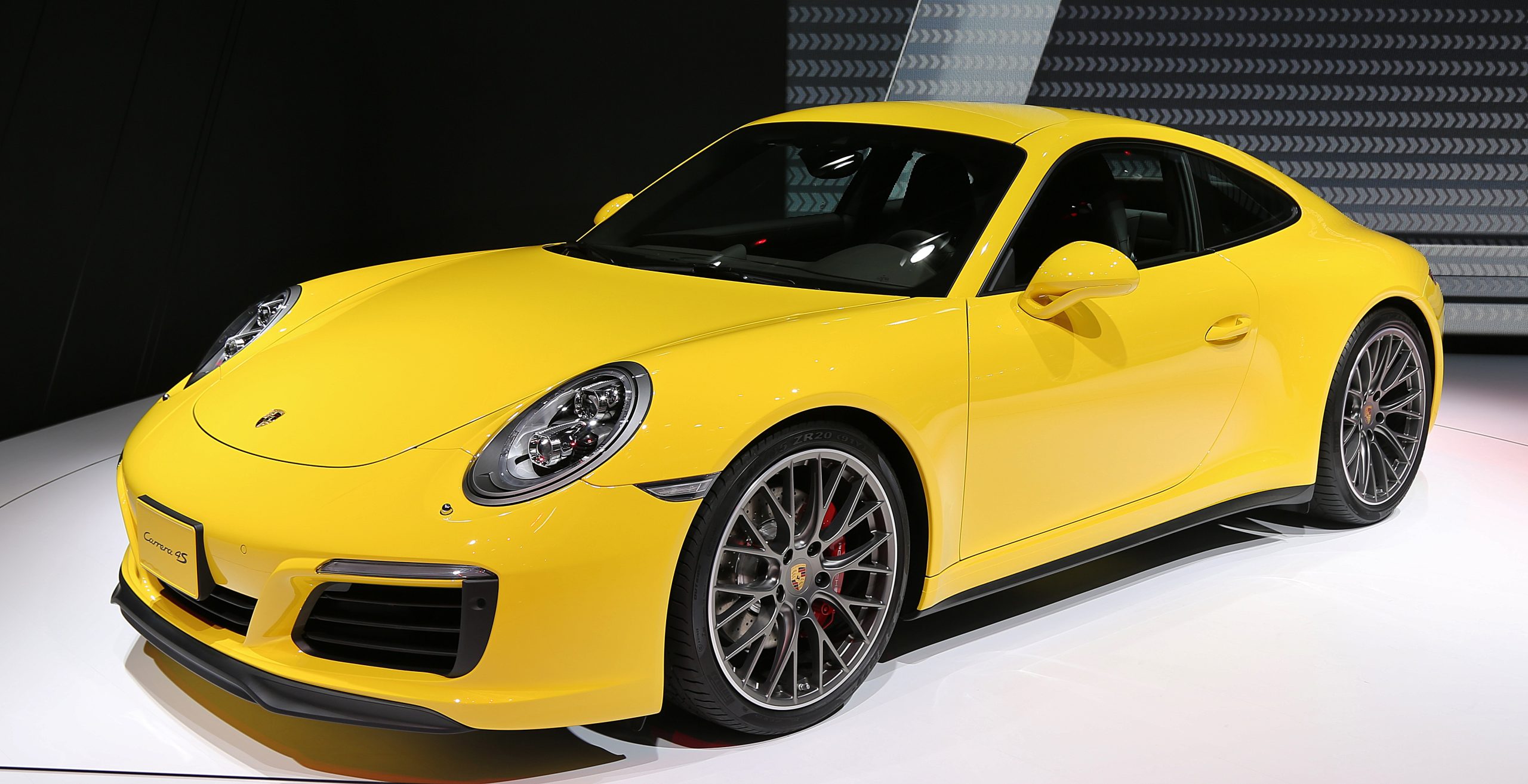
The 991 was the first 911 to ride on an entirely new platform since the original 996. The result? A car that was 56mm longer with a 100mm longer wheelbase, giving it a more planted feel and better cabin packaging. Wider tracks front and rear gave it serious grip. And the use of lightweight materials, like aluminum in the chassis, helped cut weight despite all the added tech.
The 991 debuted at the 2011 Frankfurt Motor Show, replacing the 997 with a bang. And Porsche didn’t play it safe. This generation introduced electric power steering, a redesigned PDK transmission, and adaptive aerodynamics. All potentially controversial changes, but all ultimately made the car faster, more stable, and easier to drive hard.
More than 233,000 units were sold worldwide over its run, and the counting continues as the 911 legacy grows with each new model. It didn’t just win over the critics; it won the market.
The 991 even earned recognition as a World Performance Car, showing how far the 911 had come as a global benchmark.
Phases of the 991 Generation: 991.1 vs 991.2
The seventh generation of the Porsche 911, known as the 991, is split into two distinct phases: the 991.1 and the 991.2.
The 991.1, produced from 2011 to 2016, marked the introduction of a brand-new platform for Porsche, featuring a wider track and a longer wheelbase that pushed the boundaries of stability and handling for the iconic model. This phase set the stage for a new era, with Porsche AG focusing on refining the driving experience while keeping the car’s athletic DNA intact.
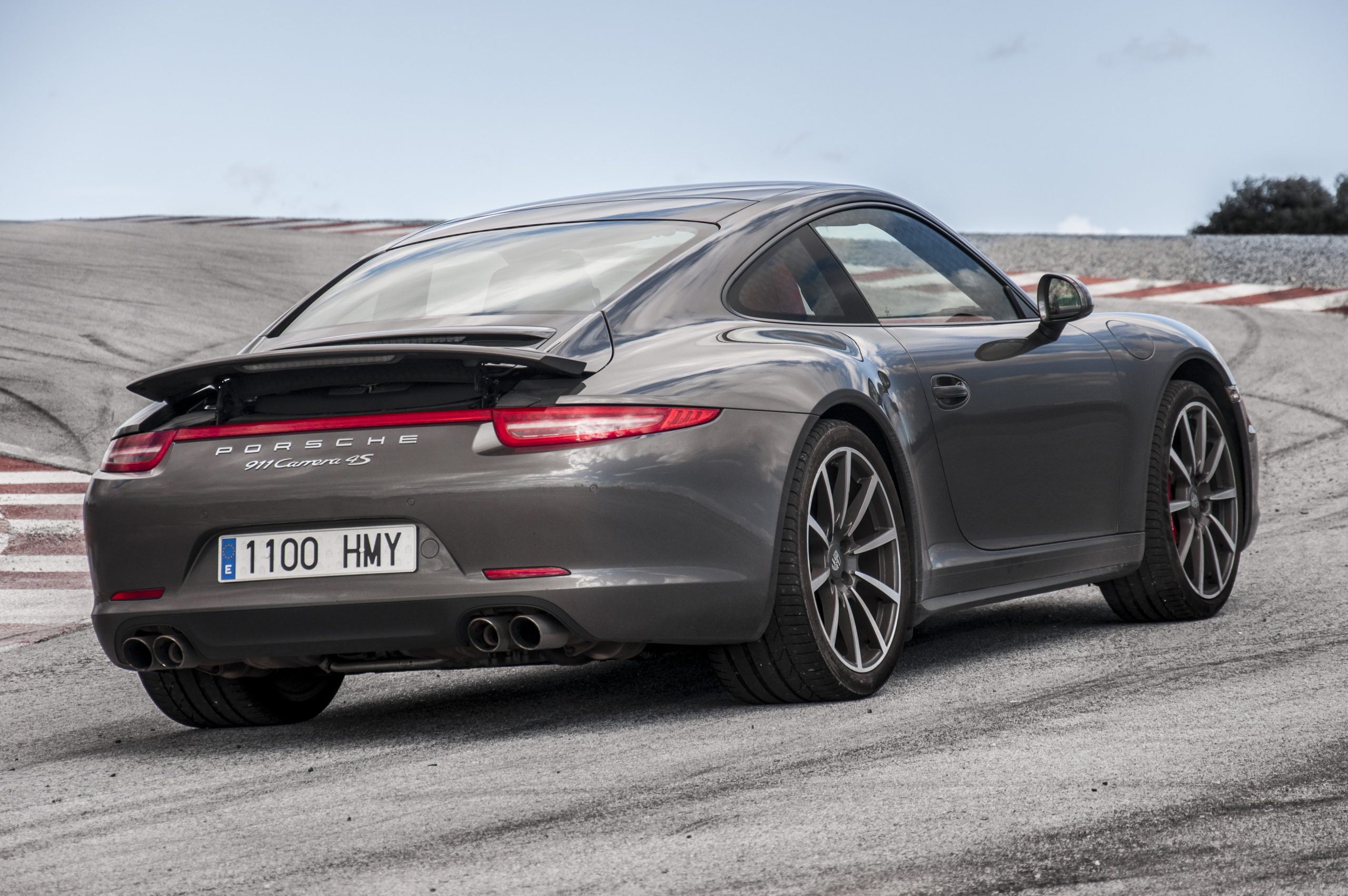
In 2015, the 991.2 arrived, bringing a wave of technological and performance enhancements. Visually, the facelift stood out with redesigned rear bumpers and new dual exhaust pipes, setting the 991.2 apart from the earlier cars.
The most significant change was the introduction of turbocharged engines across the Carrera range, a move that improved fuel consumption and reduced emissions without sacrificing the signature 911 punch. This shift to turbo power was a major milestone in the 911’s history, allowing the car to deliver more torque and flexibility on both road and track.
The 991.2 phase also saw the debut of standout models like the 911 GT3 RS, which combined a naturally aspirated engine with a host of performance upgrades, cementing its reputation as a track legend. Adaptive aerodynamics became a key feature, with systems designed to reduce drag and increase downforce as needed, further enhancing the car’s capabilities at speed.
Throughout both phases, the 991 generation retained its unmistakable silhouette, but with each update, Porsche AG pushed the envelope in terms of engineering and design. For a deeper dive into the evolution between 991.1 and 991.2, the Porsche Newsroom and official Porsche AG resources offer a wealth of information on how this generation was developed, produced, and introduced to the world.
911 Models: Something for Everyone
Porsche didn’t hold back with the 991 lineup. You had:
- 911 Carrera / Carrera S / Carrera 4 / 4S / GTS: The bread and butter of the lineup. The 911 Carrera and its variants offered rear or all-wheel drive, available in coupe, cabriolet, and Targa forms.
- Turbo / Turbo S: All-wheel drive monsters with ballistic acceleration. The Turbo Cabriolet delivered the same brutal pace but with open-air thrills.
- GT3 / GT3 RS / GT2 RS: Naturally aspirated or turbocharged track weapons.
- Special Editions: Including the retro-themed 50th Anniversary, the manual-only 911 R, and the ultra-rare Speedster.
Other highlights of the 991 lineup include advanced driver assistance systems, improved chassis dynamics, and the introduction of turbocharged engines across more models. These features helped the 991 generation stand out as a significant evolution in the 911’s history.
Each model offered a unique take on what a 911 could be. Whether you were after daily drivability, autobahn supremacy, or track-day savagery, there was a 991 for you.
Engine and Transmission: Flat-Six Evolution
Early 991.1 Carreras stuck with naturally aspirated engines: 3.4L in the base Carrera, 3.8L in the S and GTS. These rev-happy flat-sixes had character in spades, offering a raw and linear powerband.
Then came the mid-cycle refresh, the 991.2. Porsche downsized the engines but added twin turbos. The new 3.0L turbocharged flat-six brought more torque lower in the rev range, quicker acceleration, and better fuel economy. Some enthusiasts mourned the loss of high-revving NA engines, but there’s no denying the numbers improved across the board.
Transmissions:
- 7-speed manual: A novelty when it launched, but not loved by all. Some found the shift action notchy, but purists appreciated the option.
- 7-speed PDK: One of the best dual-clutch systems in the world. Lightning-fast shifts, smooth in traffic, devastating on track.
The optional Sport Chrono Package added launch control, dynamic engine mounts, and a sharper throttle response. In short, it turned a sports car into a near-supercar.
Suspension, Steering, and Handling
The 991 changed the game here, too. It was the first 911 with electric power steering, a controversial move, but Porsche dialed it in better than most. The feedback wasn’t quite as pure as the hydraulic setup in the 997, but it still communicated more than most cars on the road.
Key suspension tech:
- PASM (Porsche Active Suspension Management): Electronically adjusts the damping on the fly.
- PDCC (Porsche Dynamic Chassis Control): Helps reduce body roll during hard cornering.
- Rear-axle steering (991.2 GT3 and Turbo): Turns the rear wheels in or opposite to the front depending on speed, improving both low-speed agility and high-speed stability.
Throw in stiffer bushings, better tires, and a wider track, and the 991 felt planted yet alive. Models equipped with AWD also benefited from Porsche Traction Management, optimizing grip on any surface. Especially in the GT3 and RS variants, those cars felt razor-sharp and confidence-inspiring on both track and road.
Brakes and Safety Tech
Braking power has always been a Porsche strength, and the 991 was no exception. Standard models came with large ventilated steel discs, while higher trims got upgraded rotors and multi-piston calipers.
You could also option PCCB (Porsche Ceramic Composite Brakes), massive, fade-resistant, and expensive. They weren’t just for track days. They improved everyday drivability thanks to reduced unsprung weight.
Safety features:
- Airbags galore (including side and knee airbags)
- ABS and ESC systems tuned for performance
- Tire pressure monitoring
- Adaptive cruise control, lane departure warning (on later models)
It’s a car that doesn’t compromise safety for speed.
Interior and Technology
Inside, the 991 moved the 911 into luxury territory. The cabin felt more Panamera than raw sports car, but in a good way. The materials were higher-grade, the design was cleaner, and the ergonomics finally made sense.
Notable features:
- Porsche Communication Management (PCM) with touchscreen interface
- Navigation, Bluetooth, and USB connectivity
- Optional Bose or Burmester sound systems
- Multi-function steering wheel with driving mode selector (in later models)
Note: Some technology features, such as the Burmester sound system or adaptive cruise control, may only be available on certain trims or require additional packages.
You could spec everything from heated and ventilated seats to adaptive cruise control. But even fully loaded, the 991 never lost its focus; it still felt like a driver’s car.
Aerodynamics and Exterior Design
The 991 was a clear evolution of the 997 but added some muscle and modernity. The proportions changed thanks to the longer wheelbase, but it still looked like a 911, compact, low-slung, and purposeful. This is a vehicle that can make heads turn on the street, and even leave drivers scratching their head in awe of its striking design.
Key design features:
- Sleeker headlights, available with full LED tech. Buyers could also spec the Porsche Dynamic Lighting System, with adaptive beams and distinctive light signatures.
- Adaptive rear spoiler that changed angle depending on speed and driving mode
- Wider hips and more pronounced rear fenders
The main highlights of the 991’s exterior design include its modernized silhouette, advanced lighting technology, and the bold stance created by its wider fenders. Integrated dual exhaust pipes completed the aggressive stance. Distinctive LED daytime running lights became a trademark feature of the front fascia.
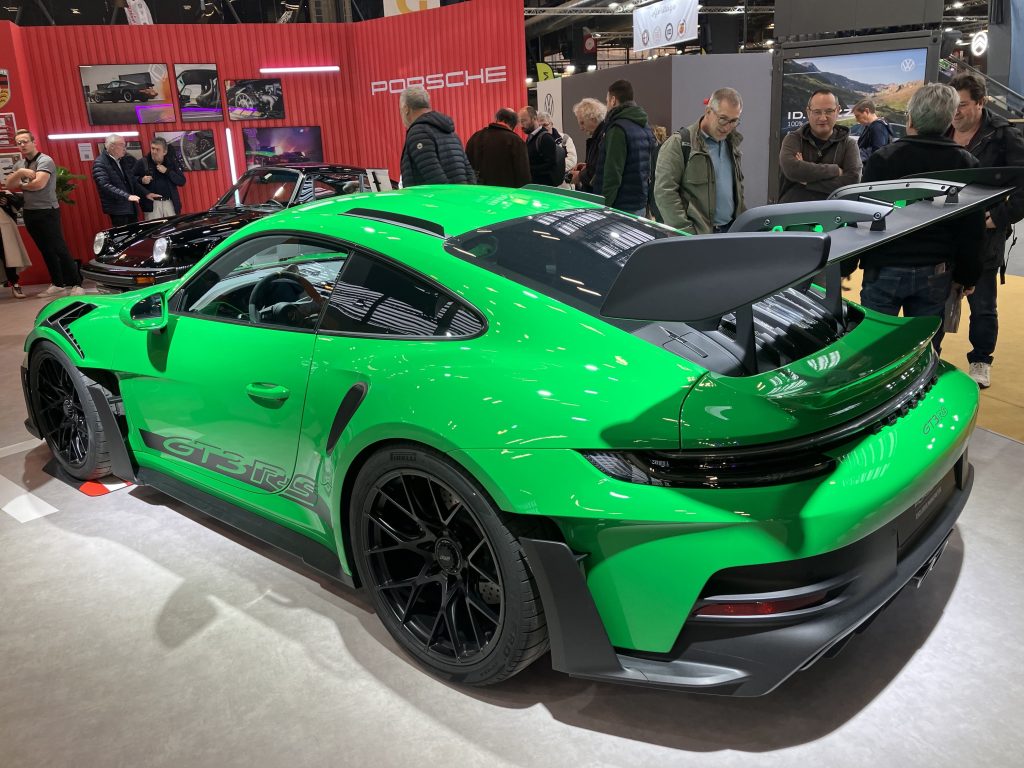
GT models like the GT3 RS went all-in with aggressive splitters, huge rear wings, and lightweight body panels. The 911 R toned it down, same body, less aero, pure experience.
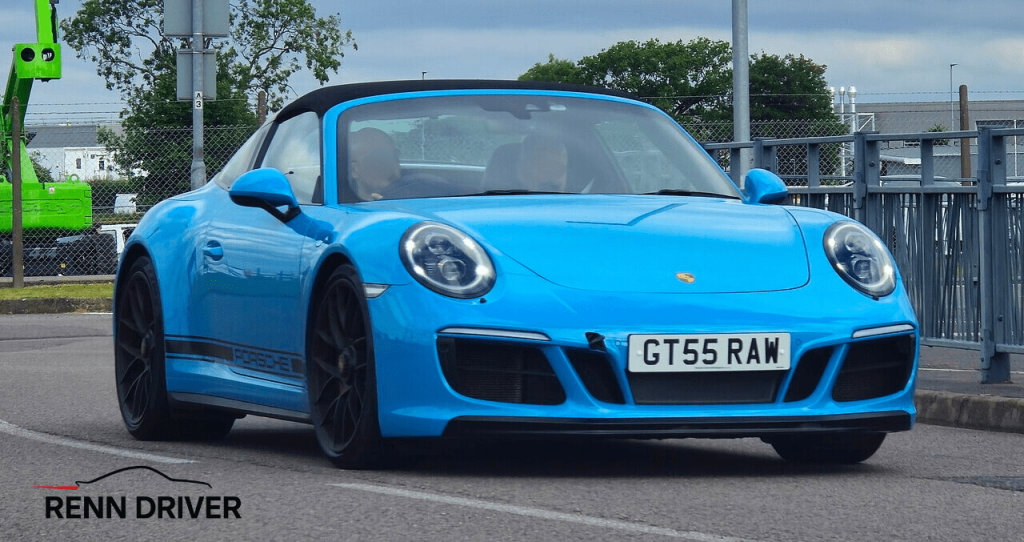
Don’t forget special paint codes like Geyser Grey (50th Anniversary model) and Miami Blue (GT3 RS). Porsche’s color game was strong in this generation.
Targa models returned with a modern twist, fully electric roof that retained the classic Targa bar. Convertible fans weren’t left out either, the Cabrio version was stiff, quiet, and surprisingly practical.
Noteworthy Special Editions
The 991 generation had more than a few special edition unicorns:
- 911 R (2016): GT3 RS drivetrain. No wing. Manual only. Lightened interior. Instant collector.
- 911 GT3 RS (2016): Naturally aspirated, track-focused, huge rear wing, lightweight panels, and it could even be optioned with a factory roll cage for safety on track.
- 50th Anniversary Edition (2013): Created to celebrate a major milestone in 911 history, this special edition was based on the Carrera S with retro styling and wide body. Limited to 1,963 units. It stands out among similar collectible or investment-worthy cars for its exclusivity and historical significance.
- 911 Speedster (2019): Farewell to the 991. Manual only. Based on the GT3 with unique bodywork.
- GT2 RS (2018): 700 horsepower, rear-wheel drive, Nürburgring lap record holder.
These weren’t just paint-and-badge jobs. They had unique tuning, materials, and features that set them apart.
Performance Upgrades: Factory and Beyond
For those who crave even more from their Porsche 911, the 991 generation offers a playground of performance upgrades, both from the factory and the aftermarket.
One of the most popular options is the Sport Chrono Package, which transforms the car’s character with features like a sharper engine management system, dynamic transmission tuning, and a sport-tuned suspension. This package is a must-have for drivers who want to unlock the full potential of their 911 on the track or the open road.
Another favorite was the sport exhaust system, giving the flat-six a deeper, throatier note. Many owners agree the optional sports exhaust transformed the 991’s personality, both in sound and feel.
Inside, the Porsche Communication Management (PCM) system elevates the driving experience with a high-resolution touchscreen, real-time traffic updates, and seamless connectivity, making every journey as intuitive as it is thrilling. For those who want to push their car even further, there’s a world of performance upgrades available. Think engine tuning, advanced suspension setups, and aerodynamic enhancements that take cues from Porsche’s motorsport heritage.
The 911 GT3 RS stands as the ultimate expression of track-ready performance in the 991 range. With its naturally aspirated engine, manual transmission option, and rear-wheel steering system, the GT3 RS is engineered for speed and precision. Its top speed north of 190 mph and distinctive Geyser Grey paint scheme make it a true standout, whether you’re carving up a circuit or turning heads on the street.
No matter your ambitions, be it dominating the track, enhancing your daily drive, or simply making your Porsche 911 uniquely yours, there’s a vast range of upgrades to explore. The 991 generation proves that with the right combination of factory options and aftermarket enhancements, this car can be tailored to deliver an exhilarating driving experience that’s as individual as its owner.
Living with a 991
The 991 is shockingly livable for a sports car. It even offered usable rear seats, a rarity in this class. Having bought a 991 myself, I can say the satisfaction of ownership is real. The car feels special every day. The cabin is quiet enough for daily driving, and the ride, especially with PASM, is more forgiving than you’d expect.
For any driver, the first time behind the wheel of a 991 is memorable; the car immediately impresses with its balance and feedback. The role of the driver is central to enjoying the 991’s capabilities, as it rewards skill and confidence. Owners often joked that the startup felt like a digital ritual, “verification successful, waiting,” before unleashing the flat-six. Even after half a journey or a long drive, the 991 remains comfortable and engaging, never feeling tiring or dull.
Reliability is generally strong, especially for 991.2 models. PDK transmissions are nearly bulletproof. Manuals are stout but less common. The turbocharged engines in the 991.2 are more fuel-efficient and less temperamental than earlier NA versions.
Running costs can add up; this is still a Porsche, but it’s not absurd. Oil changes, tires, and brake pads are relatively manageable. The biggest costs come if you track it hard or go for PCCB replacements.
Final Verdict: Why the 991 Matters
The 991 is the bridge between the old and the new. It was the last to offer a naturally aspirated GT3. The first to go turbo across the Carrera lineup. The first to use electric steering. And yet, it still feels like a proper 911.
For drivers who want a car that blends modern tech with a traditional feel, the 991 is hard to beat. You get:
- Real-world usability
- Serious performance
- Classic design
- And enough variants to fit any taste or budget
Whether you’re daily driving a Carrera, chasing lap times in a GT3 RS, or collecting a 911 R, there’s a 991 worth caring about. Across the globe, the 991 remains a highlight at Porsche Club events, celebrated by enthusiasts of all kinds. It’s not the purest, the rawest, or the flashiest 911, but it just might be the best all-rounder Porsche has ever built.
The 991 isn’t the rawest 911, or the flashiest, but it might be the smartest. It modernized everything that needed it and left the good stuff alone.
If you want a 911 you can actually use and still feel something, this is the one.
Image: Alexander Migl, CC BY-SA 4.0, David Villarreal Fernández, CC BY-SA 2.0, TTTNIS, CC0, Matti Blume, CC BY-SA 4.0, Alexander-93, CC BY-SA 4.0, all via Wikimedia Commons, Calreyn88, CC BY-SA 4.0, via Wikimedia Commons