
The Porsche 993 Carrera is one of the most important models in the history of the Porsche 911. Produced from 1994 to 1998, it was the fourth-generation 911 and the last to use an air-cooled flat-six. This single fact has made the car legendary among Porsche enthusiasts.
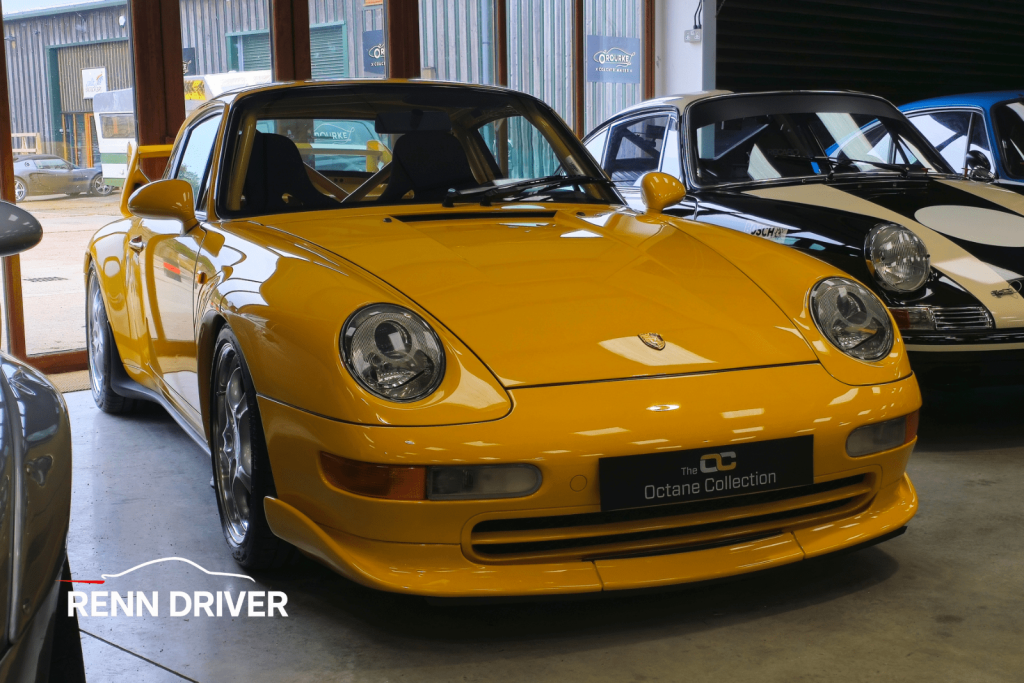
The 993 Carrera was offered in multiple body styles, including Coupé, Cabriolet, and Targa models. Buyers could choose between rear wheel drive Carrera versions or all wheel drive versions like the Carrera 4 and Carrera 4S. The mix of design, performance, and technical innovation made the Carrera the most civilized car Porsche had ever built, yet still thrilling to drive.
Contents
- 1 Quick Summary
- 2 Introduction to the Porsche 993 Carrera
- 3 Engine Options
- 4 Model Variants
- 5 Design and Features
- 6 Technical Specifications
- 7 Convertible and Targa Options
- 8 Collectibility and Value
- 9 Comparison to Other Models
- 10 Maintenance and Restoration
- 11 Fun Facts About the Porsche 993 Carrera
- 12 Frequently Asked Questions (FAQs)
- 13 Final Thoughts
Quick Summary
- Production Years: 1994–1998
- Model Range: Carrera, Carrera S, Carrera 4, Carrera 4S, and Targa version
- Engine Capacity: 3.6-liter flat-six
- Maximum Power Output: 272 hp (standard), 285 hp with VarioRam
- Transmission: Six-speed manual standard; four-speed Tiptronic automatic optional
- Performance: 0–60 mph in ~5 sec; top speed over 160 mph
- Design Highlights: Flared wheel arches on S and 4S models, smoother rear bumper moldings, subtle rear wing
- Legacy: The last air-cooled Porsche 911 Carrera, now highly collectible
Introduction to the Porsche 993 Carrera
When Porsche introduced the 993 in 1994, it represented a turning point. The standard Carrera models formed the backbone of the lineup. For the first time, Porsche used a multi-link suspension with an alloy subframe in the 911, which gave the car improved ride quality and sharper handling.
The Carrera was available as a rear wheel drive model for purists, or with all wheel drive system in the Carrera 4. Later, Porsche added the Carrera S and Carrera 4S, which borrowed the Turbo model’s bodyshell but kept naturally aspirated engines.
The 993 Carrera was also available in Targa models. These featured a large, sliding glass roof that retracted beneath the rear window, a design that was a major departure from the traditional removable Targa top.
Engine Options
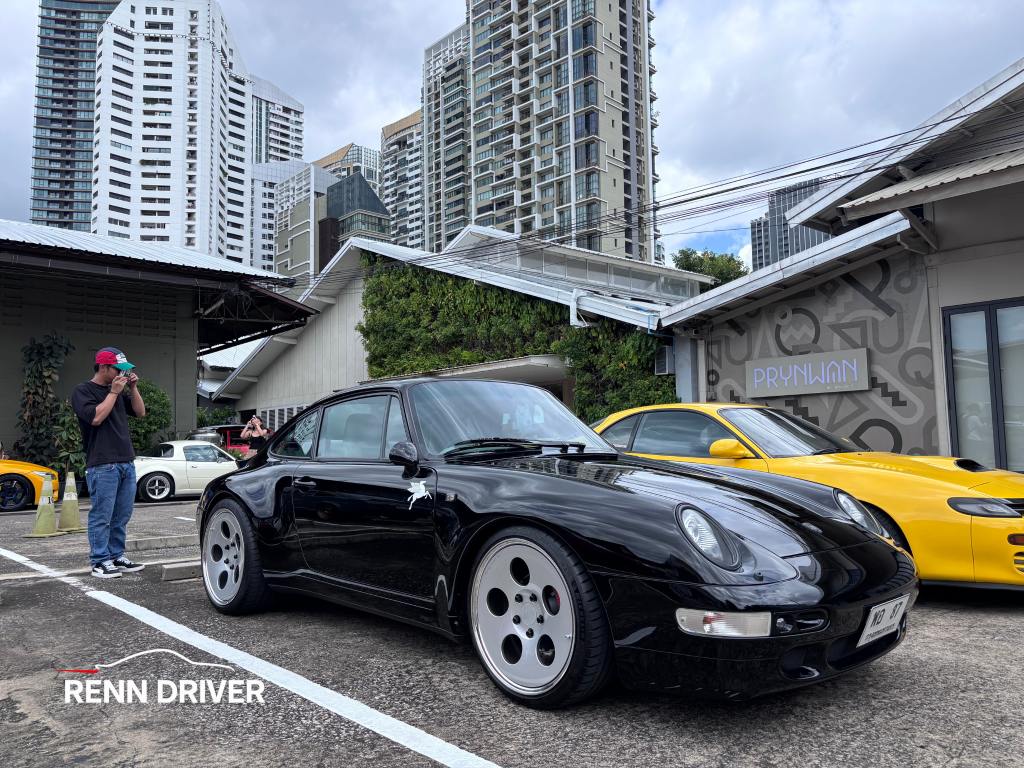
All 993 Carreras used a 3.6-liter air-cooled flat-six. Early cars produced 272 horsepower, while later models gained VarioRam for a higher maximum power output of 285 hp.
The 993 Carrera was the first 911 to feature a six-speed manual transmission as standard. The four-speed Tiptronic automatic was an optional extra, but manual transmission-equipped cars remain the most sought after.
The engine used a dual flow exhaust system, electronic engine management, and drilled discs for braking. A limited-slip differential was standard on many models, further enhancing control. These were among the first production cars where Porsche departed from traditional simplicity and embraced advanced electronics.
Manual transmission-equipped cars remain the most sought after. They provided a direct and rewarding experience. Tiptronic cars were offered, but Tiptronic-equipped cars suffer from lower values today, as collectors favor the engagement of the manual.
For those wanting more, Porsche offered factory engine upgrade options through Porsche Exclusive and Porsche Motorsport. The Porsche Exclusive Department could even build a car to order, with performance tweaks or unique trims.
Model Variants
The Carrera lineup was diverse. The rear wheel drive counterpart, the Carrera 2, was the lightest and most connected to the road. The all wheel drive Carrera 4 added confidence, and the system improved handling characteristics in poor weather.
The Carrera S and Carrera 4S used the wide-body shell from the Turbo model. This gave them distinctive flared wheel arches and a more aggressive stance. The Carrera 4S also adopted the Turbo’s “Big Red” brake calipers and lowered suspension, while the Carrera S retained the standard brakes. They quickly became favorites among collectors.
At the top sat the Carrera RS, a lightweight special with significant weight savings, a welded roll cage, and track-ready tuning. While not as extreme as a Turbo, it was the most powerful version of the Carrera spirit.
Design and Features
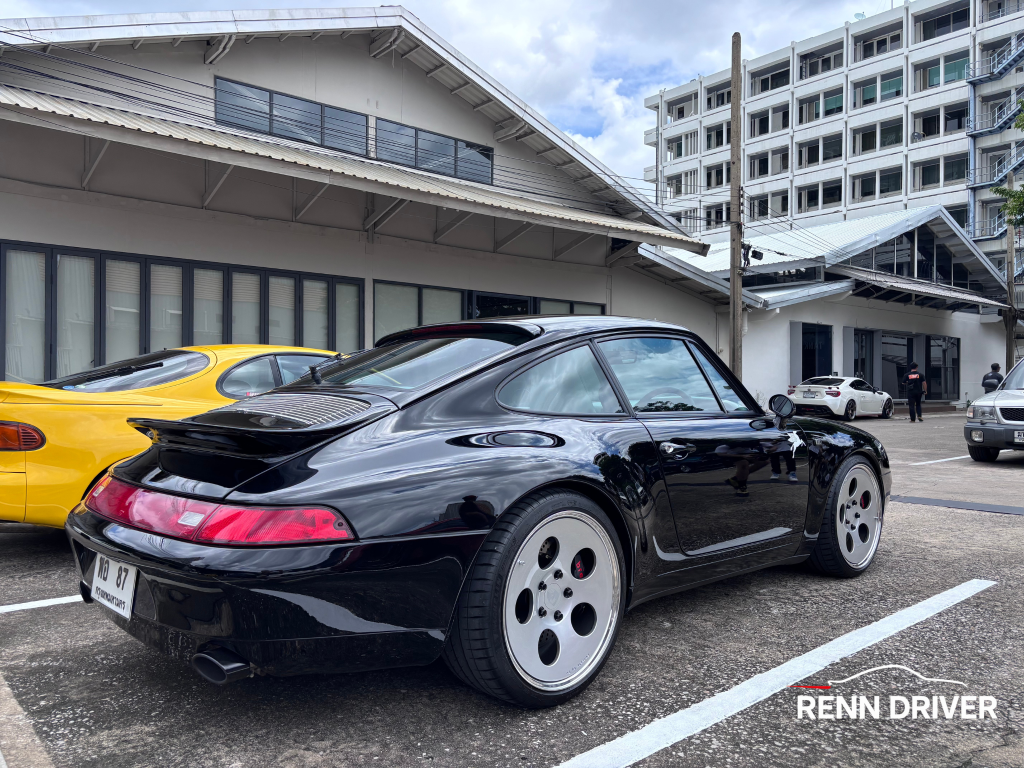
The design of the 993 Carrera was a major leap forward. It had wider rear wheel arches, smoother rear bumper moldings, and a cleaner overall look than the 964. A subtle rear wing or engine cover spoiler improved stability at high speeds.
Porsche refined the interior as well. The cabin had rear seats that folded down for practicality. A center console placed controls within easy reach, while insulation gave the car reduced interior noise, making it a more civilized car than earlier 911s.
Optional equipment included a deeper chin spoiler, sport trim, and special paint colors. Porsche Exclusive allowed custom interior finishes, while the Porsche Exclusiv Department offered rare one-off combinations.
Technical Specifications
The 993 Carrera was one of the most advanced sports cars of its time. Key features included:
- Naturally aspirated engines with VarioRam in later models.
- Manual transmission-equipped cars have six gears for tighter ratios.
- Automatic braking differential for improved stability.
- All wheel drive system in Carrera 4 and all wheel drive versions like the 4S.
- Multi-link suspension with an alloy subframe for sharper handling and improved ride quality.
Performance was strong. The Carrera accelerated from 0–60 mph in about five seconds and achieved a top speed over 160 mph. Later rear wheel drive Carreras with VarioRam had an especially strong torque range, making them flexible in real-world driving.
Convertible and Targa Options
The Targa version introduced a unique, electrically-operated sliding glass roof. This allowed for an open-air experience while maintaining the car’s roofline and eliminating the need to manually remove and store a roof section. The 911 Carrera Cabriolet had a power-folding fabric soft top.
These models gave the 993 Carrera lineup greater appeal. Whether Coupé, Cabriolet, or Targa, the Carrera always felt like a proper sports car.
Collectibility and Value
The Porsche 993 Carrera has become one of the most collectible production cars of the 1990s. It was the last air-cooled Porsche 911 Carrera, and values reflect that status.
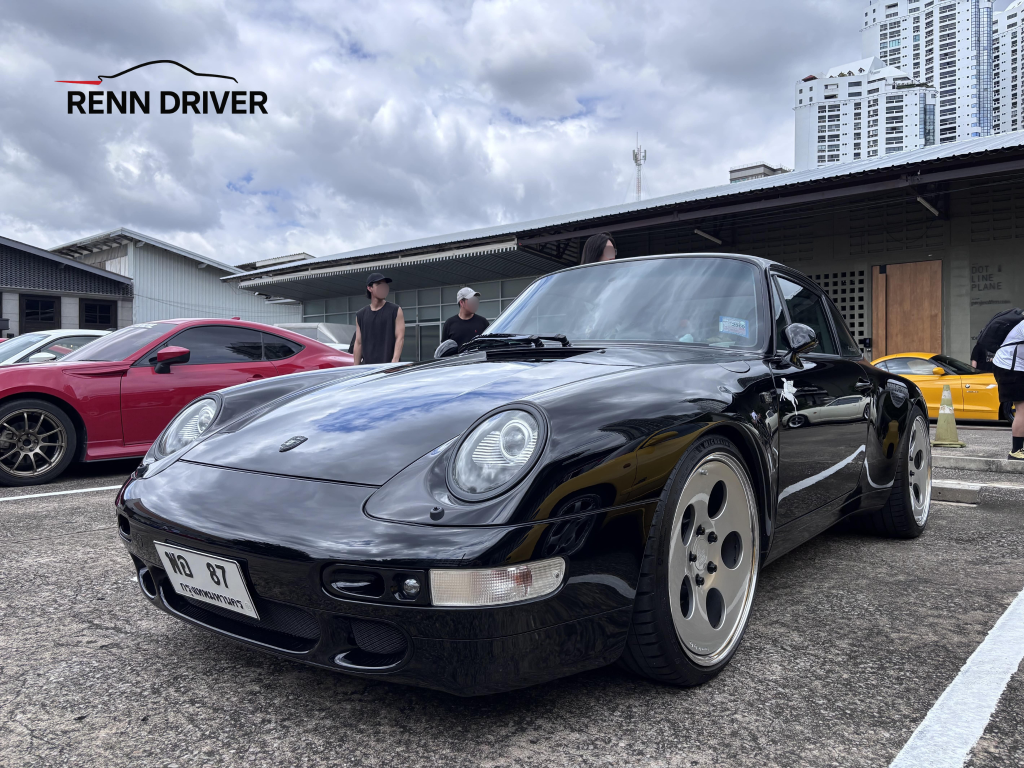
Standard Carreras remain the most accessible, while the Carrera S and Carrera 4S command premiums for their looks and rarity. Collectors especially prize manual transmission-equipped cars from later years with the VarioRam engine upgrade.
Comparison to Other Models
The 993 Carrera is often compared to its predecessor, the 964, and its successor, the 996. The 964 felt rawer, while the 996 was the first Porsche developed with a water-cooled engine. Many enthusiasts feel the 993 struck the perfect balance.
Compared to its rear wheel drive counterpart, the all wheel drive versions were heavier but easier to control. Against the Turbo S, the Carrera lacked power but offered a more connected, purist drive.
For some buyers, the 993 was even compared to a four-door sedan in terms of comfort. It was quieter, had better climate control, and created a civilized car for daily use — without losing its racing spirit.
Maintenance and Restoration
The 993 Carrera requires regular upkeep. Routine engine oil changes, brake servicing, and inspections keep it healthy. Common jobs include replacing worn suspension parts and maintaining the dual-flow exhaust system in top condition.
Restoration is now big business. Many cars receive attention from Porsche Motorsport specialists or official channels like the Porsche Museum. Collectors often use Porsche Exclusive services to maintain originality.
With care, the 993 Carrera remains one of the most reliable standard Carrera models. It offers the charm of a classic 911 with enough modern features to feel usable today.
Fun Facts About the Porsche 993 Carrera
- The 993 Carrera was the first 911 Carrera with a six-speed manual transmission standard.
- The Carrera 4S shared the Turbo model’s bodyshell but retained its naturally aspirated engine.
- Some Targa models used a unique sliding glass roof that was ahead of its time.
- Tiptronic-equipped cars were popular in the U.S., but they suffer lower resale values than manuals.
- The 993 was among the first production cars in which Porsche developed advanced electronics for a sports car.
Frequently Asked Questions (FAQs)
In what years was the Porsche 993 Carrera produced?
The Porsche 993 Carrera was produced from 1994 to 1998. It was the fourth-generation 911 and the last to feature an air-cooled engine.
What engine does the Porsche 993 Carrera use?
The 993 Carrera used a 3.6-liter flat-six with naturally aspirated engines. Early cars had 272 hp. Later cars with VarioRam achieved a higher maximum power output of 285 hp.
What is the difference between the Carrera, Carrera S, and Carrera 4S?
The Carrera was rear wheel drive. The Carrera S was a rear wheel drive Carrera with the Turbo model’s bodyshell and flared wheel arches. The Carrera 4S added an all wheel drive system and upgraded brakes.
Are manual transmission-equipped cars more valuable than Tiptronic cars?
Yes. Collectors prefer manual transmission-equipped cars. Tiptronic-equipped cars suffer in value, although they appeal to buyers who want a more relaxed drive.
Is the Porsche 993 Carrera collectible?
Yes. The 993 Carrera is highly collectible. Its status as the last air-cooled Porsche 911 makes it special, and rare models like the Carrera 4S or Carrera RS are especially sought after.
Final Thoughts
The Porsche 993 Carrera marked the end of an era. It was the last air-cooled Porsche 911 Carrera and a car that blended old-school charm with modern engineering.
With its mix of rear wheel drive Carrera purism and all wheel drive versions for stability, the 993 offered something for every driver. Features like multi link suspension, limited slip differential, and slightly lowered suspension made it feel sharp yet refined.
Today, the Carrera is more than just a used sports car. It’s a collectible, a driver’s car, and a piece of Porsche history. For many, it is the ultimate balance between classic feel and modern usability.
Photo credit: Calreyn88, CC BY-SA 4.0, via Wikimedia Commons