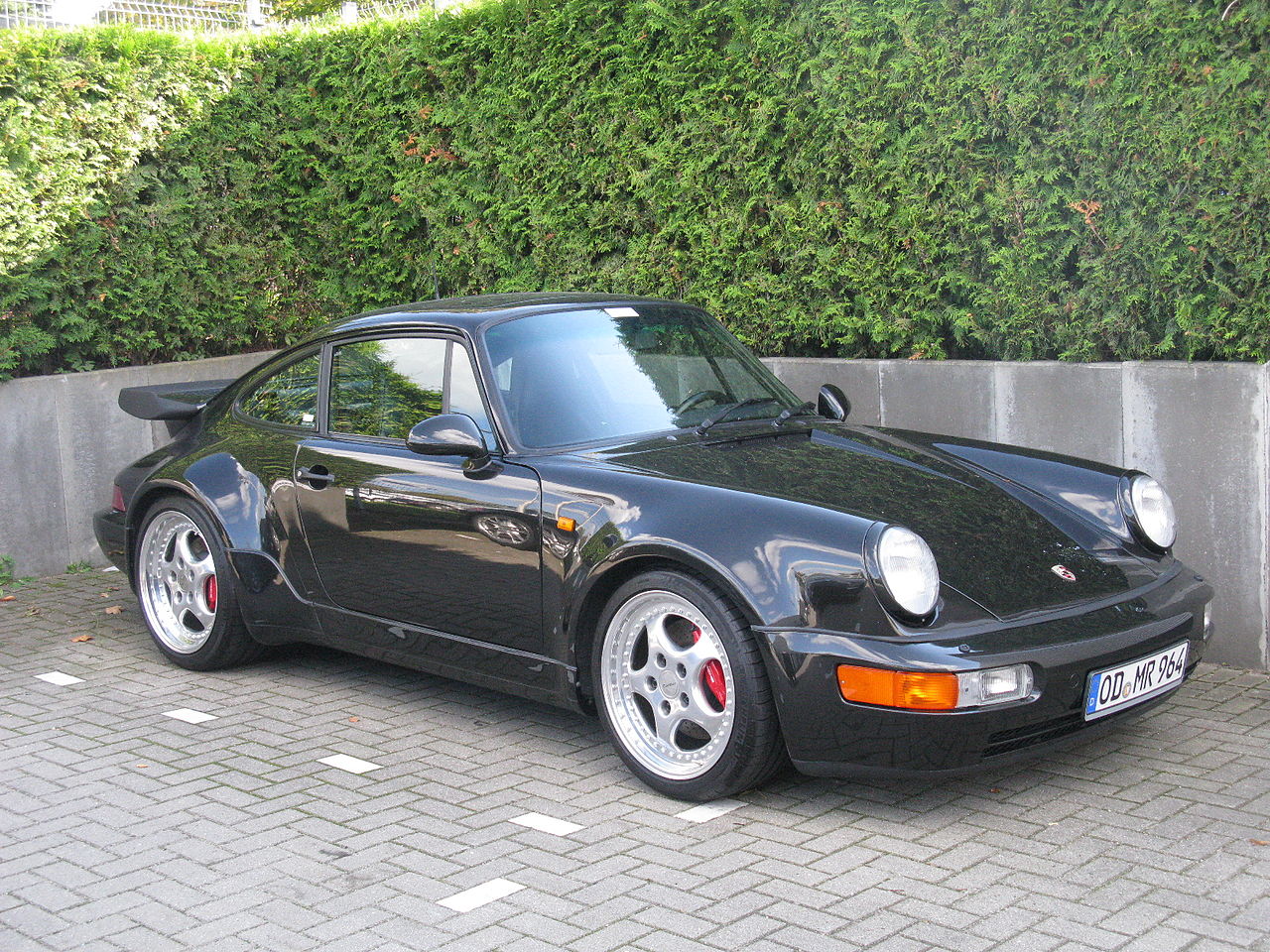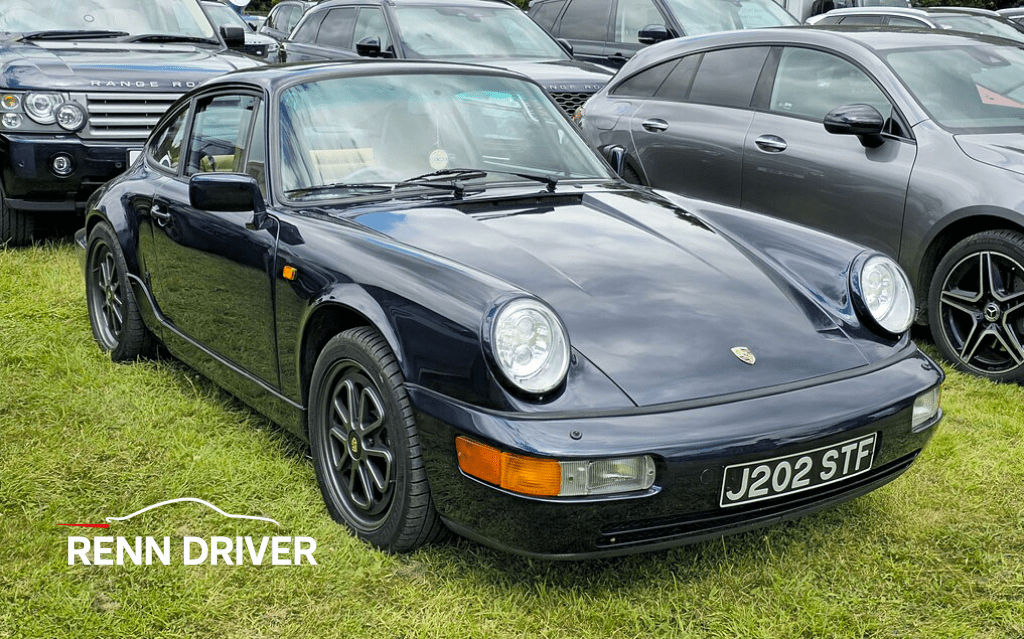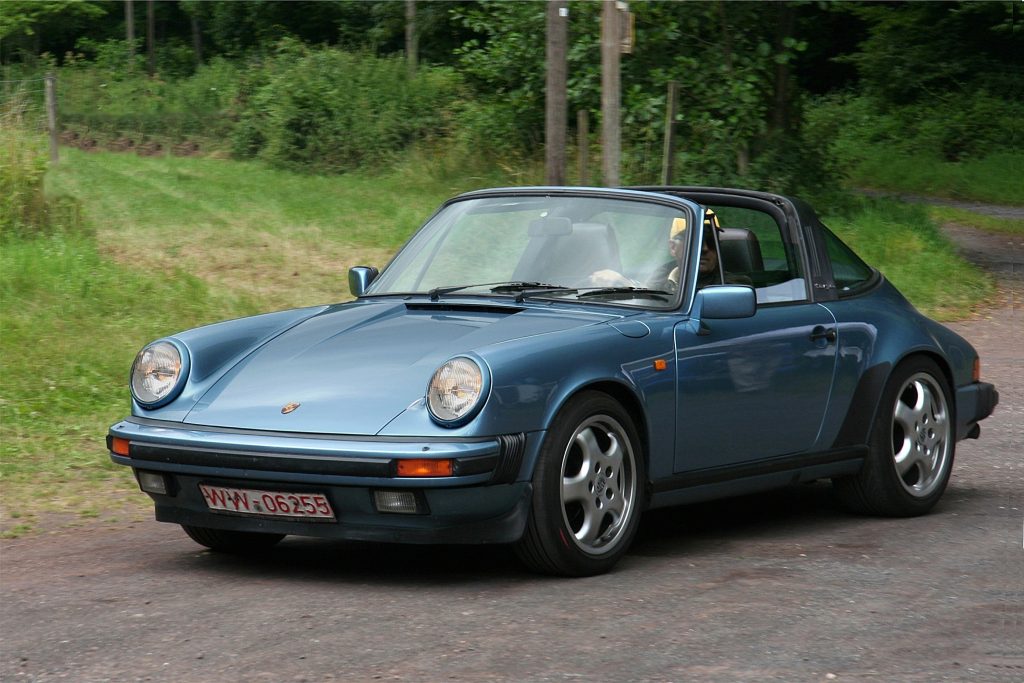
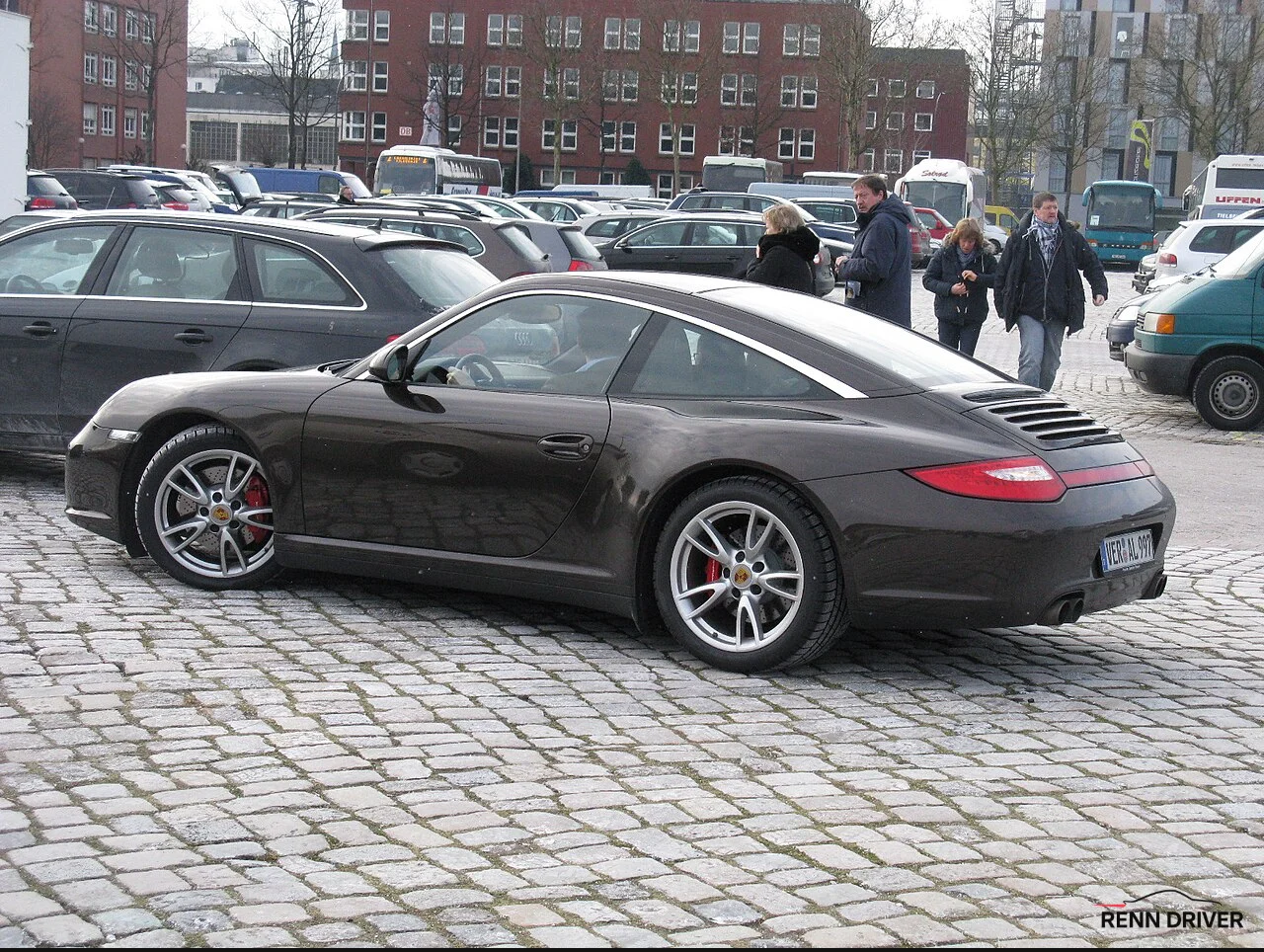
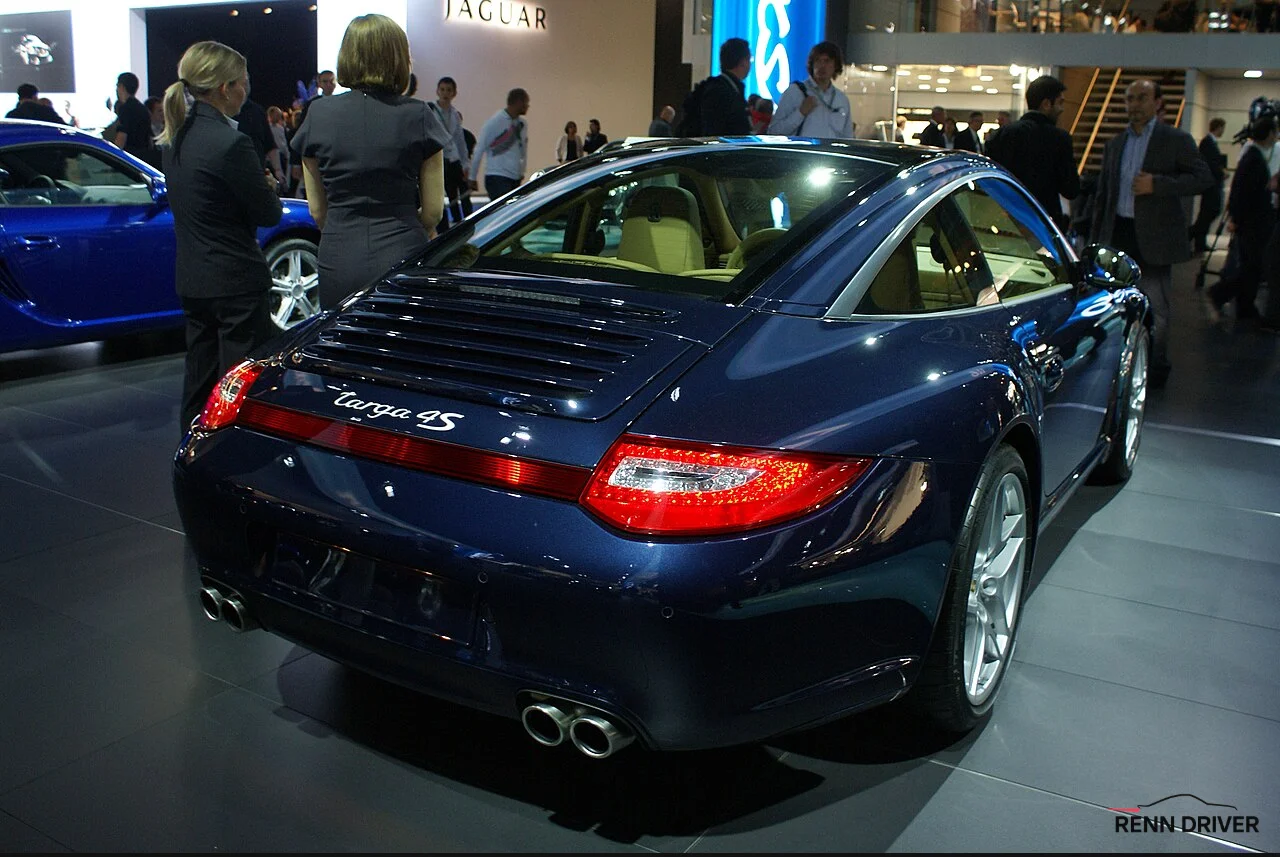
The Porsche 997 Targa (2006 to 2013) is the second generation of 911 to use a large sliding glass roof panel instead of the traditional Targa bar. Available as the Targa 4 and Targa 4S, it is powered by a 3.6L or 3.8L flat-six producing 325 to 385 hp. All models are all-wheel drive. The glass roof slides under the rear window at the touch of a button, creating an open-air experience without removing a roof panel.
Contents
- 1 Quick Summary
- 2 The Glass Roof Design
- 3 997.1 Targa (2006 to 2008)
- 4 997.2 Targa (2008 to 2013)
- 5 997 Targa Specifications
- 6 Driving Experience
- 7 997 Targa vs. 991 Targa
- 8 Buying a Used 997 Targa
- 9 Renn Driver's Take
- 10 FAQs
- 11 Final Thoughts
The full guide below covers all the details.
Quick Summary
- Production years: 2006 to 2013 (997.1: 2006 to 2008, 997.2: 2008 to 2013)
- Engine (997.1): 3.6L flat-six (Targa 4, 325 hp) or 3.8L flat-six (Targa 4S, 355 hp)
- Engine (997.2): 3.6L DFI flat-six (Targa 4, 345 hp) or 3.8L DFI flat-six (Targa 4S, 385 hp)
- Transmission: 6-speed manual or 5-speed Tiptronic (997.1) / 7-speed PDK (997.2)
- Drive: All-wheel drive standard
- Roof type: Sliding glass panel (not the traditional Targa bar)
The Glass Roof Design
The 997 Targa continues the glass-roof concept that Porsche introduced with the previous generation. Instead of the classic aluminum Targa bar and removable roof panel from the original 1967 design, the 997 Targa features a large tinted glass panel that extends from the windshield header to the rear window.
At the touch of a switch, the glass panel slides backward and tucks under the fixed rear glass. The operation is smooth and takes a few seconds. When open, the effect is similar to a very large sunroof rather than a true open-top experience. When closed, the glass floods the cabin with natural light and gives the car a distinctive greenhouse look from the outside.
This design was polarizing when it launched. Purists wanted the Targa bar back. Practical buyers appreciated the simplicity and all-weather capability of the glass roof. Porsche eventually sided with the purists, bringing back the bar design for the 991 generation. But the 997 Targa's glass roof remains a clever and functional piece of engineering.
The glass panel includes a retractable sunshade that blocks heat and glare when the roof is closed. In hot climates, this shade makes a significant difference in cabin comfort.
997.1 Targa (2006 to 2008)
The 997.1 Targa launched with the same naturally aspirated flat-six engines used across the Carrera range.
Targa 4: 3.6L flat-six producing 325 hp and 273 lb-ft of torque. 0 to 60 mph in approximately 5.0 seconds (manual). Top speed of 174 mph.
Targa 4S: 3.8L flat-six producing 355 hp and 295 lb-ft of torque. 0 to 60 mph in approximately 4.7 seconds (manual). Top speed of 179 mph.
Both models use the Mezger-derived M96/M97 engine family. The 997.1 engines are subject to the IMS bearing concern, though failure rates are lower than on the 996. A pre-purchase inspection should include an assessment of the IMS bearing condition, and an upgrade is recommended if it has not been done.
Transmission options are the 6-speed manual or the 5-speed Tiptronic automatic. The manual is the enthusiast's choice. The Tiptronic is adequate but slow by modern standards and lacks the refinement of the PDK that replaced it.
997.2 Targa (2008 to 2013)
The 997.2 facelift brought the new DFI (Direct Fuel Injection) engines, which resolved the IMS bearing issue entirely and improved both power and efficiency.
Targa 4: 3.6L DFI flat-six producing 345 hp and 288 lb-ft of torque. 0 to 60 mph in approximately 4.8 seconds (PDK). Top speed of 176 mph.
Targa 4S: 3.8L DFI flat-six producing 385 hp and 310 lb-ft of torque. 0 to 60 mph in approximately 4.4 seconds (PDK). Top speed of 182 mph.
The 997.2 also introduced the 7-speed PDK dual-clutch transmission, which transformed the automatic driving experience. The PDK is faster, smoother, and more engaging than the old Tiptronic. It remains one of the best dual-clutch units ever made. The 6-speed manual continued as an option.
The 997.2 Targa 4S with PDK is the sweet spot of the 997 Targa range. It combines the proven DFI engine (no IMS concern), the excellent PDK transmission, 385 hp, all-wheel drive, and the glass-roof design into a practical, fast, and enjoyable package.
997 Targa Specifications
| Targa 4 (997.1) | Targa 4S (997.1) | Targa 4 (997.2) | Targa 4S (997.2) | |
|---|---|---|---|---|
| Engine | 3.6L NA | 3.8L NA | 3.6L DFI | 3.8L DFI |
| Power | 325 hp | 355 hp | 345 hp | 385 hp |
| Torque | 273 lb-ft | 295 lb-ft | 288 lb-ft | 310 lb-ft |
| 0 to 60 mph | ~5.0 s | ~4.7 s | ~4.8 s | ~4.4 s |
| Top Speed | 174 mph | 179 mph | 176 mph | 182 mph |
| Transmission | 6MT / 5AT | 6MT / 5AT | 6MT / 7PDK | 6MT / 7PDK |
| IMS Concern | Yes | Yes | No | No |
Driving Experience
The 997 Targa drives like a Carrera 4 with a very large sunroof. The glass roof adds some weight compared to the coupe, but the difference is manageable and the car still feels like a proper 911.
With the roof open, wind management is better than you might expect. The glass panel slides cleanly under the rear window, and the resulting opening channels air into the cabin without excessive turbulence at moderate speeds. At highway speeds, wind noise increases noticeably, but it is not unpleasant.
The all-wheel-drive system provides confident handling in all conditions. The 997 AWD calibration is biased toward the rear, so the car still feels rear-driven most of the time. The front axle steps in progressively when the rear loses traction, creating a natural and predictable driving experience.
The flat-six engines, whether the 997.1 naturally aspirated units or the 997.2 DFI motors, sound excellent with the glass roof open. The exhaust note bounces off the glass and fills the cabin in a way that a coupe cannot replicate.
997 Targa vs. 991 Targa
The biggest difference between the 997 and 991 Targa is the roof design. The 997 uses a sliding glass panel. The 991 brought back the classic Targa bar with a folding fabric roof and wraparound glass rear window.
- Style: The 991 Targa is widely considered the better looking car because of the iconic bar design. The 997 Targa looks like a 911 with a glass roof, which is exactly what it is.
- Open-air feel: The 991 Targa provides more open-air exposure when the roof is retracted. The 997 Targa's sliding glass panel creates a large opening but still feels more enclosed.
- Simplicity: The 997 Targa's sliding glass mechanism is simpler than the 991's complex folding system. Fewer moving parts generally means fewer potential issues.
- Price: The 997 Targa is significantly less expensive on the used market, making it the entry point to Targa ownership.
- Driving dynamics: The 991 is a more refined and capable car overall, benefiting from a newer chassis, better steering, and more advanced electronics.
Buying a Used 997 Targa
The 997 Targa offers good value on the used market, particularly the 997.2 models with DFI engines.
- 997.1 Targa 4: $40,000 to $55,000
- 997.1 Targa 4S: $50,000 to $70,000
- 997.2 Targa 4: $55,000 to $75,000
- 997.2 Targa 4S: $65,000 to $90,000
What to check:
- IMS bearing (997.1 only): Confirm whether it has been upgraded. Budget $2,000 to $3,000 for the preventive replacement if not.
- Glass roof operation: Test the sliding mechanism multiple times. Listen for grinding or hesitation. Check the seals for wear or leaking.
- Bore scoring (997.1): Some 997.1 engines developed cylinder bore scoring. A borescope inspection is recommended during pre-purchase.
- Service history: Full Porsche dealer or specialist records are essential. The 997 rewards diligent maintenance.
Renn Driver's Take
I have not driven this car yet, but I will update this section once I do.
Frequently Asked Questions
Does the 997 Targa have the classic Targa bar?
No. The Porsche 997 Targa does not have the classic Targa bar. It uses a large sliding glass roof panel that retracts under the rear window. Porsche brought back the traditional Targa bar design with the 991 generation in 2014.
Is the 997 Targa all-wheel drive?
Yes. Every Porsche 997 Targa comes with all-wheel drive as standard equipment. There is no rear-wheel-drive 997 Targa.
Does the 997 Targa have the IMS bearing issue?
Yes, the 997.1 Targa (2006 to 2008) uses engines from the M96/M97 family that are subject to the IMS bearing concern. The 997.2 Targa (2008 to 2013) uses DFI engines that eliminated the IMS bearing entirely.
How much does a used 997 Targa cost?
A used Porsche 997 Targa ranges from approximately $40,000 for a 997.1 Targa 4 to around $90,000 for a well-maintained 997.2 Targa 4S. Manual transmission cars command a modest premium.
Is the 997 Targa a good daily driver?
Yes. The Porsche 997 Targa is an excellent daily driver. The all-wheel-drive system provides confidence in all weather conditions. The glass roof adds light and openness to the cabin. The flat-six engine is refined at cruising speeds and engaging when pushed.
What is the difference between the 997 Targa and the 996 Targa?
Both the 997 and 996 Targa use a sliding glass roof panel rather than the traditional Targa bar. The 997 improves on the 996 with more powerful engines, better interior quality, and available PDK transmission (997.2). The basic roof concept is the same.
Final Thoughts
The 997 Targa may not have the visual drama of the 991 Targa or the heritage appeal of the original, but it is a thoroughly capable and enjoyable 911. The glass roof design is practical, the all-wheel-drive system adds usability, and the flat-six engines are among the best Porsche has ever built.
The 997.2 Targa 4S is the pick of the range. No IMS bearing concern, PDK available, 385 hp, and used prices that represent genuine value compared to newer Targa models. For the full 997 overview, read our dedicated guide.
Images: Wikimedia Commons, licensed under CC BY-SA 4.0