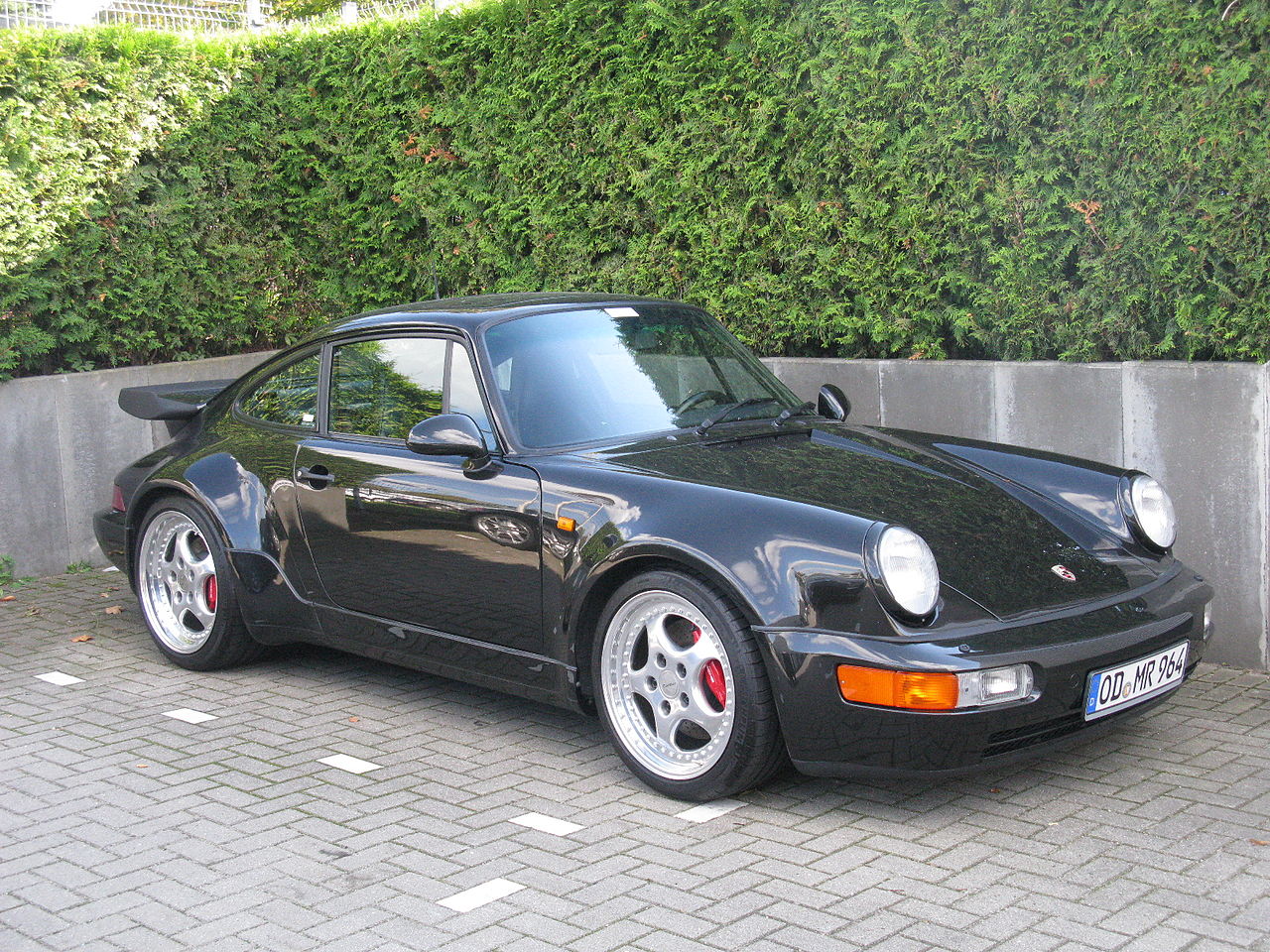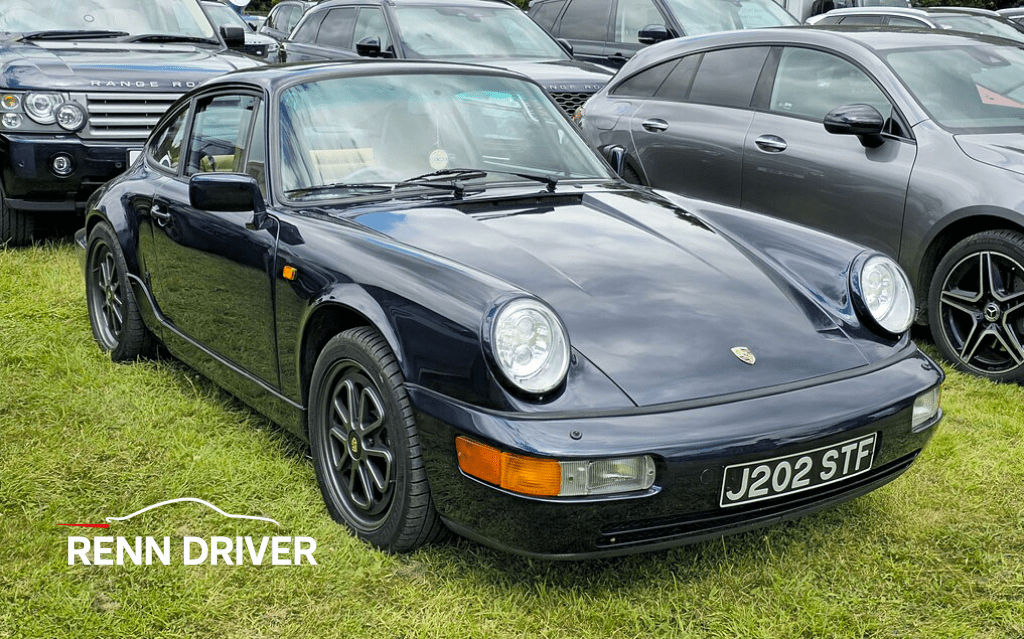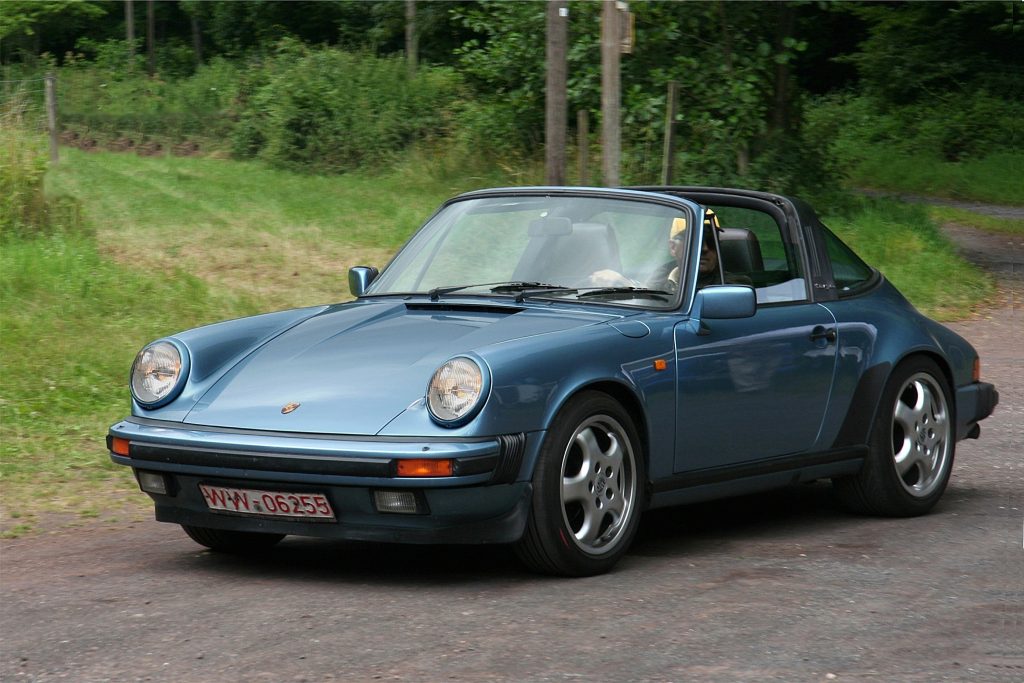
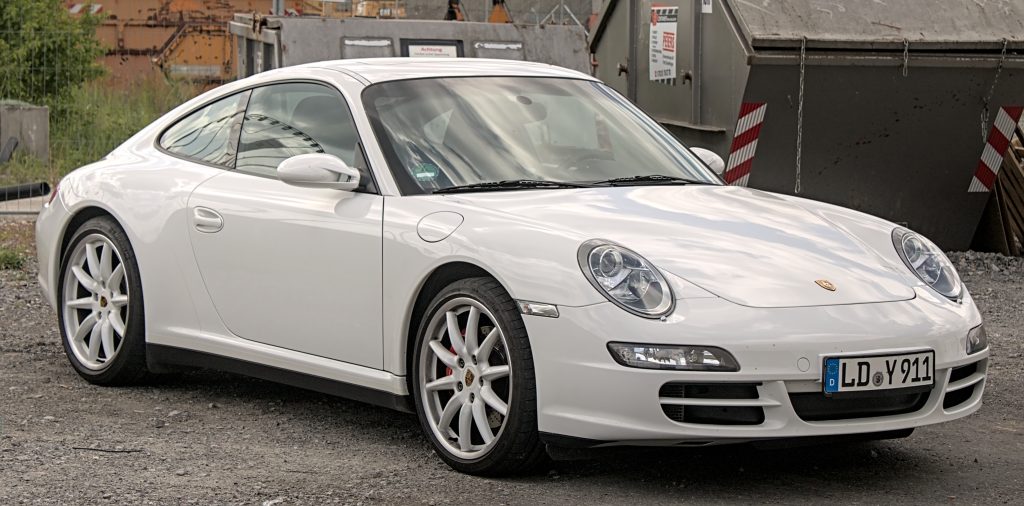
The 997-generation 911 (2004 to 2013) is the last 911 with hydraulic steering and a naturally aspirated base Carrera engine. The 991 that followed (2011 to 2019) is bigger, faster, more refined, and the first 911 with electric power steering. If you want raw driving feel, the 997 wins. If you want a more capable all-around sports car, the 991 is the better choice.
Contents
- 1 Quick Summary
- 2 Two Generations, Two Philosophies
- 3 Engine Comparison
- 4 Steering Feel
- 5 Size and Weight
- 6 Interior and Technology
- 7 Which Is Better to Drive?
- 8 Which Is Better Value?
- 9 IMS Bearing Concerns
- 10 Specs Comparison Table
- 11 Renn Driver's Take
- 12 FAQs
- 13 Final Thoughts
The full guide below covers all the details.
Quick Summary
- 997 production: 2004 to 2013 (997.1 and 997.2)
- 991 production: 2011 to 2019 (991.1 and 991.2)
- 997 base engine: Naturally aspirated flat-six (3.6L/3.8L)
- 991 base engine: NA flat-six (991.1) or twin-turbo flat-six (991.2)
- 997 steering: Hydraulic power steering
- 991 steering: Electric power steering
- Better driving feel: 997
- Better daily driver: 991
Two Generations, Two Philosophies
The 997 and 991 sit at a pivotal point in 911 history. The 997 represents the end of the old school: smaller, lighter, analog, and built around feel. The 991 represents the beginning of the modern era: bigger, faster, more technologically advanced, and built around capability.
There is a one-year production overlap (2011 to 2012) where both were sold simultaneously. That tells you something about how different they are. Porsche knew the 991 was a step change, not just a facelift.
Both are excellent sports cars. But they appeal to different types of drivers, and knowing which one suits you is the whole point of this comparison.

Engine Comparison
This is where the generational shift is most dramatic, especially when comparing the later versions of each car.
997 Carrera: Every Carrera variant of the 997 uses a naturally aspirated flat-six. The 997.1 has a 3.6L making 325 hp (345 hp in the S). The 997.2 upgraded to direct fuel injection, bumping output to 345 hp (385 hp in the S). These engines rev freely, sound incredible, and deliver power in a linear, predictable way.
991 Carrera: The 991.1 continued with naturally aspirated power. The base 991.1 uses a 3.4L making 350 hp, while the S gets a 3.8L making 400 hp. But the 991.2 changed everything. Porsche moved to a twin-turbocharged 3.0L flat-six for the base Carrera, producing 370 hp (420 hp in the S). More torque, better fuel economy, but a fundamentally different power delivery.
If naturally aspirated throttle response and sound matter to you, the 997 (any version) and the 991.1 are the ones to consider. The 991.2 turbo engine is faster on paper but feels less connected to the driver's right foot.
Steering Feel
This is the single biggest difference between the two generations, and it is the reason many enthusiasts still prefer the 997.
The 997 uses hydraulic power steering. The steering rack is assisted by a hydraulic pump driven off the engine. The result is constant, detailed feedback through the steering wheel. You feel the road surface, the tire load, the camber changes. The steering talks to you.
The 991 uses electric power steering (EPAS). An electric motor assists the rack instead of a hydraulic pump. This is lighter, more efficient, and allows Porsche to integrate variable assist and lane-keeping features. But the tradeoff is a reduction in natural feel. The 991's steering is accurate and well-weighted, but it communicates less about what the front tires are doing.
Porsche refined the 991's electric steering significantly in the 991.2, and the GT3 models have the best-tuned EPAS in the lineup. But even the best 991 steering does not match the organic feedback of a 997's hydraulic setup.
For track driving and spirited backroad use, the 997's steering is a clear advantage. For commuting and highway cruising, the 991's lighter, more consistent steering is arguably easier to live with.
Size and Weight
The 991 grew substantially over the 997. The wheelbase stretched by 100mm (about 4 inches), and the overall length increased by roughly 70mm. The 991 is also wider.
This growth made the 991 more stable at high speeds and more comfortable on long drives. The longer wheelbase also makes the car more predictable at the limit, which is why the 991 GT3 is so effective on track despite weighing more than a 997 GT3.
But the 997's smaller footprint makes it more agile in tight corners and easier to place on narrow roads. It feels more like a sports car and less like a grand tourer. In parking garages and on European mountain passes, the size difference is noticeable.
Curb weight went up too. A 997.2 Carrera S weighs about 1,420 kg (3,130 lbs). A 991.1 Carrera S weighs about 1,415 kg (3,120 lbs) thanks to aluminum construction, but a 991.2 Carrera S creeps back up to around 1,450 kg (3,197 lbs) with the turbo engine and associated hardware.

Interior and Technology
The 991's interior is a generation ahead of the 997. The dashboard layout is cleaner, the materials are higher quality, and the infotainment system actually works by modern standards.
The 997's interior feels dated. The PCM (Porsche Communication Management) system is slow, the screen is small, and the navigation is basic. Bluetooth support only came with the 997.2, and even then it is limited. The 997 does not support Apple CarPlay or Android Auto without aftermarket modifications.
The 991 offers a much larger touchscreen (especially the 991.2), Apple CarPlay compatibility (991.2 models from 2017 onward), and better sound system options. The gauge cluster is clearer, the seats are more supportive, and the overall cabin ambiance feels premium rather than functional.
That said, some drivers prefer the 997's simpler layout. Fewer screens, fewer menus, and more focus on the driving. It depends on what you value in a cockpit.
Which Is Better to Drive?
This depends entirely on what you mean by "better."
The 997 is more engaging. The hydraulic steering, the naturally aspirated engine, the lighter body, and the tighter dimensions combine to create a car that makes you work for speed. Driving a 997 well requires skill and attention. It rewards precision. On a twisty mountain road, the 997 makes you feel like a better driver.
The 991 is more capable. It is faster in a straight line, more stable at high speed, more composed over bumps, and more forgiving at the limit. The 991 GT3 is one of the greatest track cars ever built. In lap times and objective performance, the 991 beats the 997 across the board.
Most track instructors and professional drivers will tell you the same thing: the 997 is more fun, the 991 is faster. Pick which one matters more to you.
Which Is Better Value?
In 2026, the 997 generally represents better value for drivers who want a pure experience. The 991 represents better value for daily driving and long-term usability.
997 pricing (2026 market):
- 997.1 Carrera: $35,000 to $55,000
- 997.2 Carrera S: $55,000 to $80,000
- 997 GT3: $120,000 to $200,000+
991 pricing (2026 market):
- 991.1 Carrera: $55,000 to $75,000
- 991.2 Carrera S: $80,000 to $110,000
- 991 Turbo: $100,000 to $150,000
The 997.2 Carrera S is arguably the sweet spot of both generations. No IMS concerns, naturally aspirated, hydraulic steering, PDK or manual, and priced below a comparable 991. Values on the 997.2 have been rising steadily as enthusiasts recognize it as the last of its kind.

IMS Bearing Concerns
The IMS (Intermediate Shaft) bearing is a known failure point on 997.1 models (2005 to 2008). The bearing supports the intermediate shaft that drives the camshafts, and when it fails, it can destroy the engine. Failure rates are estimated between 5% and 10% on the most affected engines.
The 997.2 (2009 to 2013) eliminated this design entirely with a different engine architecture. No IMS bearing, no concern.
The 991 never had an IMS bearing in any version. If reliability concerns keep you up at night, the 991 or 997.2 are the safe choices.
If you are considering a 997.1, factor in the cost of an IMS bearing upgrade ($2,000 to $3,000) or only buy one that has already had the upgrade done.
Specs Comparison Table
| Spec | 997.2 Carrera S | 991.1 Carrera S | 991.2 Carrera S |
|---|---|---|---|
| Years | 2009 to 2012 | 2012 to 2016 | 2017 to 2019 |
| Engine | 3.8L NA flat-six | 3.8L NA flat-six | 3.0L twin-turbo flat-six |
| Power | 385 hp | 400 hp | 420 hp |
| Torque | 310 lb-ft | 325 lb-ft | 368 lb-ft |
| 0 to 60 mph | 4.3 sec (PDK) | 4.1 sec (PDK) | 3.7 sec (PDK) |
| Top Speed | 188 mph | 188 mph | 191 mph |
| Steering | Hydraulic | Electric (EPAS) | Electric (EPAS) |
| Wheelbase | 2,350 mm | 2,450 mm | 2,450 mm |
| Curb Weight | 1,420 kg (3,130 lbs) | 1,415 kg (3,120 lbs) | 1,450 kg (3,197 lbs) |
| Transmission | 6-speed manual / 7-speed PDK | 7-speed manual / 7-speed PDK | 7-speed manual / 7-speed PDK |
| IMS Bearing | No | No | No |
Renn Driver's Take
I will do some more research on this and give my updated thoughts soon.
Frequently Asked Questions
Is the Porsche 997 or 991 a better daily driver?
The 991 is a better daily driver. The 991 has a more comfortable ride, a more modern interior with Apple CarPlay support (991.2), better sound insulation, and a longer wheelbase that improves highway stability.
Does the Porsche 997 have better steering than the 991?
Yes, the Porsche 997 has better steering feel than the 991. The 997 uses hydraulic power steering, which provides more detailed road feedback through the steering wheel. The 991 uses electric power steering, which is accurate but less communicative.
Is the Porsche 991.2 Carrera turbocharged?
Yes, the Porsche 991.2 Carrera uses a twin-turbocharged 3.0L flat-six engine. This was the first time Porsche turbocharged the base Carrera model. The 991.1 Carrera used a naturally aspirated 3.4L flat-six.
Does the Porsche 997 have IMS bearing issues?
Yes, the 997.1 (2005 to 2008) has IMS bearing concerns, similar to the 996. The 997.2 (2009 to 2013) eliminated the IMS bearing entirely with a revised engine design. The 991 never had an IMS bearing.
Which is faster, the 997 or the 991?
The Porsche 991 is faster than the 997 in every measurable way. A 991.2 Carrera S with PDK does 0 to 60 mph in 3.7 seconds, compared to 4.3 seconds for a 997.2 Carrera S with PDK. The 991 also has a higher top speed and posts faster lap times.
Should I buy a 997.2 or a 991.1?
It depends on your priorities. If driving feel is your priority, buy the 997.2. It has hydraulic steering, a naturally aspirated engine, and a more connected driving experience. If you want more power, a more modern interior, and a bigger car, the 991.1 is the better choice. The 997.2 Carrera S and the 991.1 Carrera overlap in price around $65,000 to $80,000.
Final Thoughts
The 997 and 991 are both outstanding sports cars, but they deliver the 911 experience in fundamentally different ways.
The 997 is the car for drivers who want to feel everything. The steering, the engine note, the mechanical connection between driver and machine. It is the last 911 that prioritizes sensation over speed.
The 991 is the car for drivers who want the most complete package. It is faster, more comfortable, more technologically advanced, and more capable in every measurable way. It is also the car that proved electric steering and turbo engines could work in a 911, even if purists needed time to accept it.
Neither choice is wrong. But they are different, and knowing what you want before you buy will save you from second-guessing later.
Photo credits: Alexandre Prevot, CC BY-SA 2.0, via Wikimedia Commons. Alexandre Prevot, CC BY-SA 4.0, via Wikimedia Commons. Johannes Maximilian, CC BY-SA 4.0, via Wikimedia Commons.