Porsches are among the most reliable sports cars you can buy. The 911 consistently ranks at or near the top of reliability surveys, and models like the 997.2 and 991 are known for going 100,000+ miles with nothing beyond routine maintenance. The main exception is the IMS bearing issue on 996 and early 997 Carrera models, which affects 2% to 10% of engines. GT3, Turbo, and GT2 variants use the bulletproof Mezger engine and avoid that issue entirely. Maintenance costs are higher than a regular car but lower than most competitors from Ferrari, Lamborghini, or Aston Martin.
This guide goes through reliability by model, the most common issues, maintenance costs, and what to watch for if you are buying used.
Contents
Overall Reliability Rating
Porsche consistently ranks as one of the most reliable luxury and performance car brands. J.D. Power, Consumer Reports, and owner surveys all place Porsche near the top of their rankings, often above mainstream brands like Toyota and Honda in customer satisfaction and long-term dependability.
The reason is straightforward. Porsche builds sports cars in relatively small volumes compared to mass manufacturers, and the engineering tolerances are tight. The flat-six engine that powers the 911 has been refined over six decades. Each generation builds on proven architecture rather than reinventing it from scratch.
That said, "reliable" does not mean "maintenance free." Porsches require attentive ownership, quality fluids, and adherence to service intervals. An owner who skips oil changes or ignores minor leaks will end up with expensive problems. An owner who follows the maintenance schedule will likely get decades of trouble-free driving.
Most Reliable Porsche Models
Some Porsche models have earned reputations as near-bulletproof machines.
997.2 Carrera (2009 to 2012)
The 997.2 is widely considered the sweet spot of reliability in the modern 911 range. It uses the DFI (Direct Fuel Injection) version of the flat-six, which eliminated the IMS bearing issue entirely. The engine is robust, the PDK transmission is extremely durable, and the electronics are mature. These cars regularly exceed 150,000 miles without major mechanical issues.
991 Carrera (2012 to 2019)
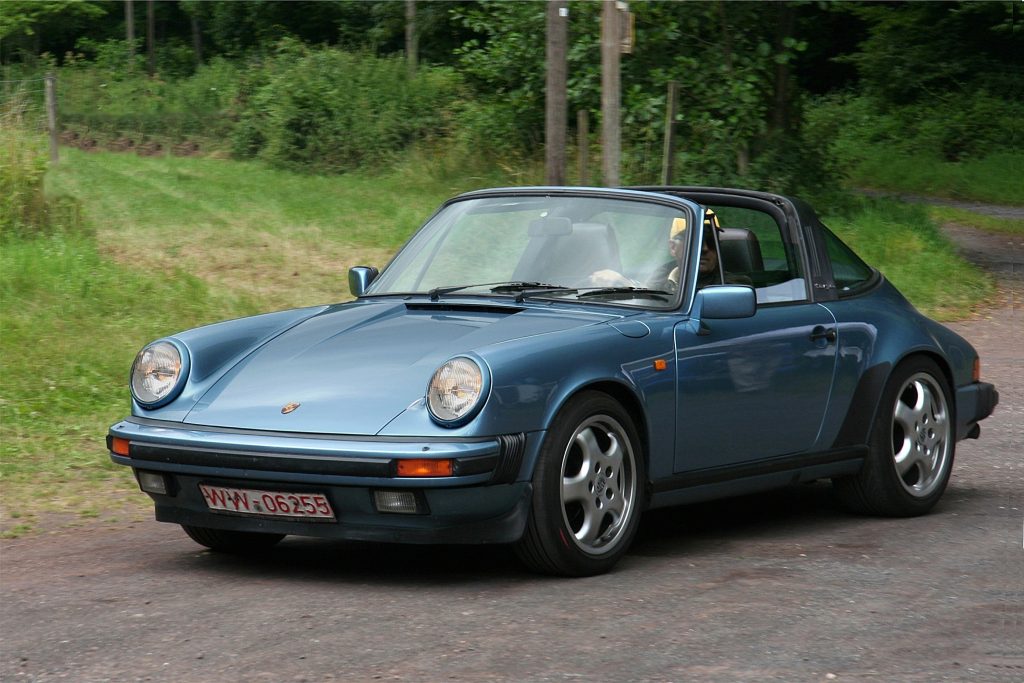
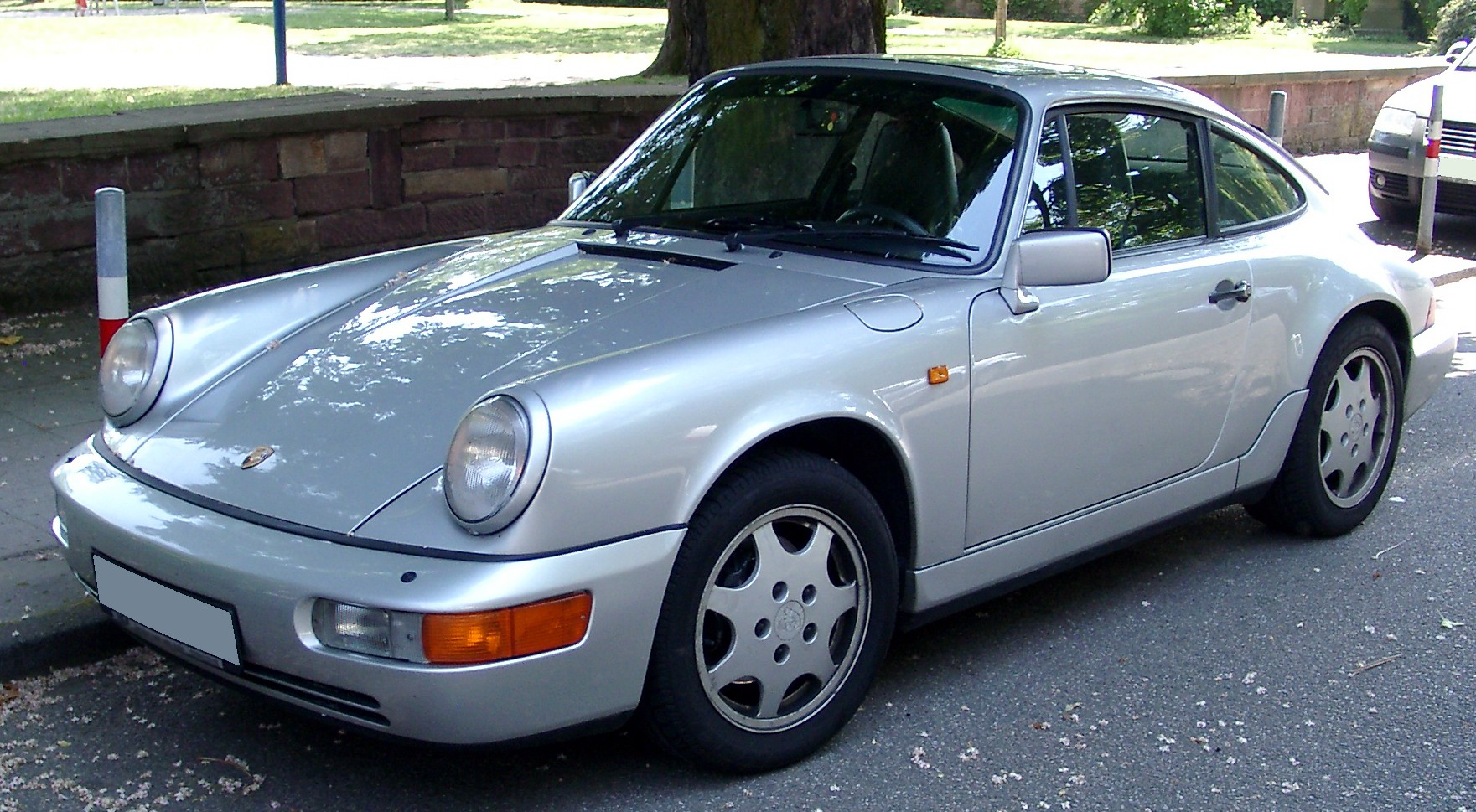
The 991 generation continued the 997.2's reliability trajectory. The naturally aspirated 991.1 (3.4L and 3.8L) engines are strong. The turbocharged 991.2 engines (3.0L twin-turbo) have proven durable across high mileage. Minor issues include occasional coolant pipe leaks and PDCC (dynamic chassis control) system faults on equipped cars, but nothing systemic.
996/997 GT3, Turbo, and GT2 (Mezger Engine)
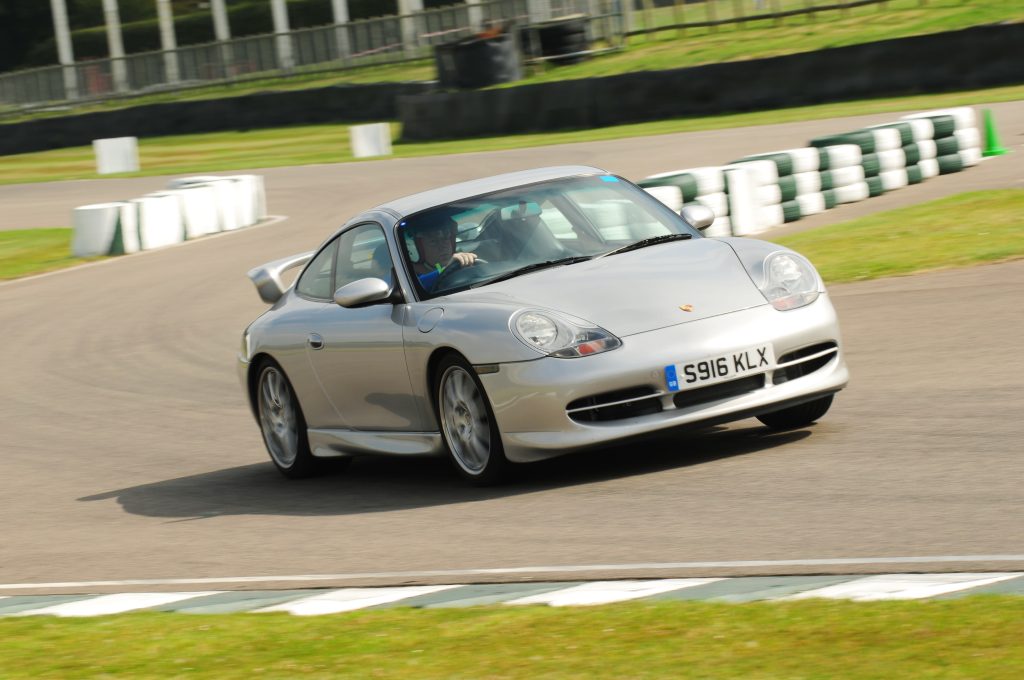
Any 911 from the 996 or 997 generation equipped with the Mezger engine is in a different reliability category. The GT3, GT3 RS, Turbo, and GT2 variants all use this race-derived engine. It has no IMS bearing concern, uses a dry-sump oiling system, and is designed to handle sustained high-rpm track use. These engines are among the most durable performance engines ever produced.
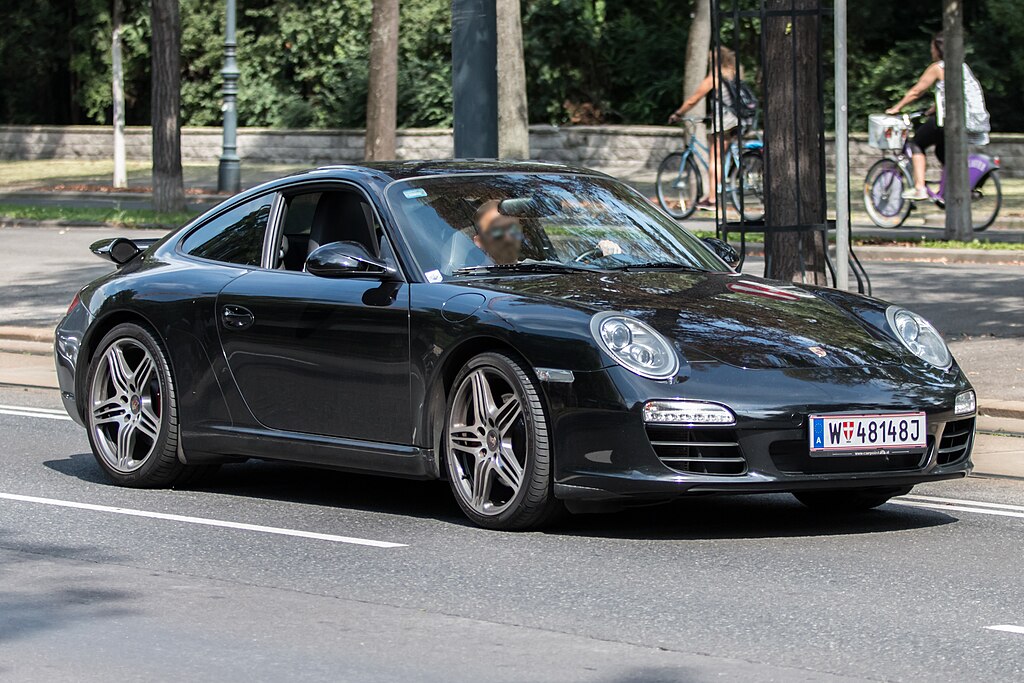
Air-Cooled 911s (964 and 993)
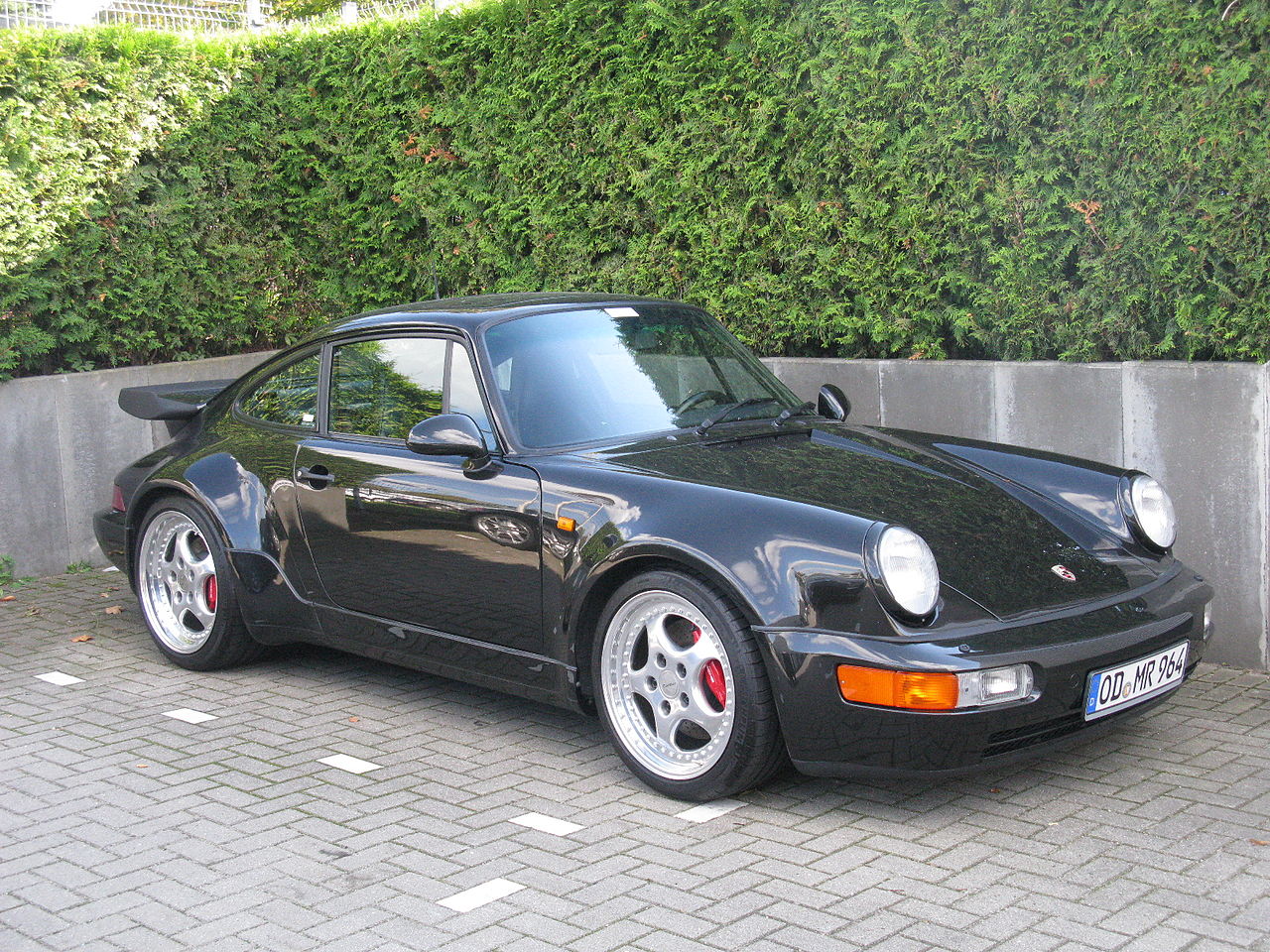
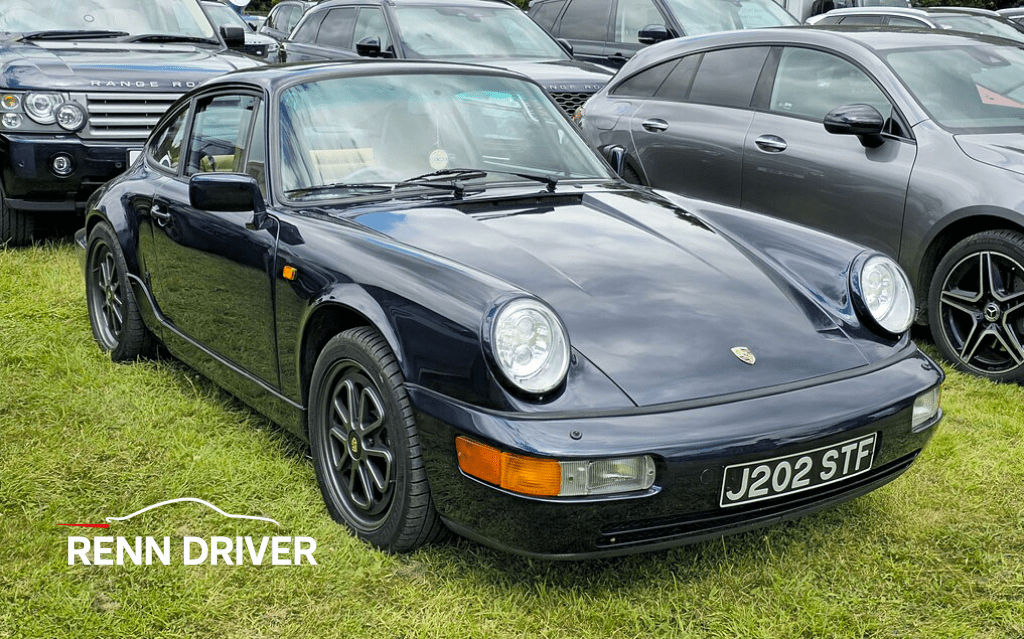
The air-cooled flat-six is mechanically simple and extremely tough. A well-maintained 964 or 993 engine can run for 200,000+ miles. The lack of a water cooling system eliminates an entire category of potential failures. Common wear items like valve guides and oil leaks are manageable with regular service.
Least Reliable Porsche Models
"Least reliable" is relative. Even the most problematic Porsche models are more dependable than many competitors. But some models do have specific weaknesses worth understanding.
996 Carrera (1999 to 2004)
The 996 carries the IMS bearing stigma. While the actual failure rate is debated (somewhere between 2% and 10%), an IMS bearing failure is catastrophic and typically totals the engine. The 996 also suffers from rear main seal (RMS) oil leaks, bore scoring in some engines, and the infamous "fried egg" headlights that crack with age. Despite these issues, a 996 with the IMS bearing upgraded is a perfectly reliable daily driver.
997.1 Carrera (2005 to 2008)
The early 997 shares the M97 engine with the 996, which means it carries the same IMS bearing risk. The single-row bearing used in 997.1 cars is actually considered slightly more failure-prone than the dual-row bearing in early 996 models. Like the 996, an IMS retrofit solves the problem permanently.
986 and 987 Boxster/Cayman
These mid-engine models share the M96 engine family with the 996 and carry the same IMS bearing risk. The 987.2 (2009 onward) switched to the DFI engine and eliminated the issue.
The IMS Bearing Issue
The IMS (Intermediate Shaft) bearing is the single most discussed reliability topic in the Porsche world. It affects the M96 and M97 flat-six engines found in:
- 996 Carrera (all Carrera models, 1999 to 2005)
- 997.1 Carrera and Carrera S (2005 to 2008)
- 986 Boxster and 987 Boxster/Cayman (up to 2008)
The intermediate shaft drives the camshafts via a chain. It uses a sealed ball bearing that receives no external lubrication. Over time, this bearing can deteriorate. When it fails, metal debris enters the oil system and the camshaft timing is lost, causing piston-to-valve contact and destroying the engine.
The fix is an IMS bearing retrofit using an upgraded bearing from companies like LN Engineering. This typically costs $2,000 to $4,000 when done during a clutch replacement (the transmission must be removed to access the bearing). Many owners and specialists consider this a mandatory upgrade.
Models that do NOT have the IMS bearing issue include all GT3, GT3 RS, Turbo, and GT2 variants from these generations. They use the Mezger engine, which has a gear-driven intermediate shaft.
The Mezger Engine Advantage
The Mezger engine, named after legendary Porsche engineer Hans Mezger, is used in the 996 and 997 GT3, GT3 RS, Turbo, and GT2 models. It is a fundamentally different engine from the M96/M97 used in the standard Carrera.
Key reliability advantages of the Mezger engine:
- No IMS bearing issue: The intermediate shaft uses a gear drive instead of a sealed bearing
- Dry-sump lubrication: Oil is stored in a separate tank, not in the oil pan. This ensures consistent oil pressure during hard cornering, braking, and acceleration
- Race-derived construction: The engine traces its lineage to the 962 Le Mans race engine. Internal components are built to withstand sustained high-rpm operation
- Proven track record: Thousands of these engines have been used in racing and track day applications without systemic failures
The Mezger engine is one of the primary reasons why 996 and 997 Turbo and GT3 models command significant premiums over their Carrera counterparts. You are paying for a fundamentally more robust powertrain.
Common Issues by Generation
Air-Cooled (964 and 993)
- Oil leaks from valve covers, pushrod tubes, and chain tensioner seals
- Valve guide wear on higher-mileage engines
- Heating system blower motor failures
- Brake caliper corrosion and sticking (especially on cars stored for long periods)
- Distributor rotor and cap wear
996 (1999 to 2005)
- IMS bearing failure (M96 engine only)
- Rear main seal oil leak
- Bore scoring on some cylinders
- Coolant pipe cracking
- Headlight lens cracking and yellowing
997 (2005 to 2012)
- IMS bearing (997.1 Carrera only, not 997.2)
- Bore scoring on some 997.1 engines
- Steering column lock failure (common on 997.1)
- Alternator and starter motor failures at higher mileage
991 (2012 to 2019)
- Coolant transfer pipe leaks (991.1)
- PDCC (Porsche Dynamic Chassis Control) hydraulic leaks
- Occasional turbo wastegate rattles (991.2 turbo engines)
- Sport Chrono clock battery depletion
992 (2019 onward)
- Early models had software bugs (largely resolved through updates)
- PASM (adaptive damper) occasional faults
- Overall very reliable with minimal reported mechanical issues
Maintenance Costs
Porsche maintenance is more expensive than a regular car but less expensive than most exotic alternatives. Here are approximate costs for common services in the US market:
| Service | Dealer Price | Independent Shop |
|---|---|---|
| Oil change (synthetic) | $350 to $500 | $150 to $300 |
| Brake pads (front) | $500 to $800 | $300 to $500 |
| Brake rotors and pads (all four) | $2,500 to $4,000 | $1,500 to $2,500 |
| Major service (60K/120K) | $2,000 to $4,000 | $1,200 to $2,500 |
| Clutch replacement | $3,500 to $5,000 | $2,500 to $3,500 |
| IMS bearing retrofit | N/A (dealer rarely does this) | $2,000 to $4,000 |
| PDK transmission service | $600 to $1,000 | $400 to $700 |
Annual maintenance costs for a modern 911 driven 10,000 to 15,000 miles per year typically run $1,500 to $3,000 if serviced at an independent specialist, or $2,500 to $5,000 at a Porsche dealer. This assumes no major repairs.
Tires are a significant cost. Performance tires for a 911 cost $1,200 to $2,000 for a set and may last 15,000 to 25,000 miles depending on driving style. Ceramic composite brakes (PCCB), if equipped, cost $8,000 to $15,000 to replace when worn, though they last significantly longer than standard iron rotors.
Dealer vs Independent Shops
One of the biggest decisions a Porsche owner makes is where to have the car serviced.
Porsche Dealer Service
Pros: Factory-trained technicians, genuine OEM parts, warranty-safe service, access to Porsche diagnostic software (PIWIS), detailed service records that support resale value.
Cons: Significantly higher labor rates ($180 to $250+ per hour in the US), tendency to recommend unnecessary services, and less specialized knowledge of older models.
Independent Porsche Specialists
Pros: Lower labor rates ($120 to $180 per hour typically), deeper expertise on specific generations, willingness to use quality aftermarket parts where appropriate, and more personalized service.
Cons: Quality varies dramatically between shops, may not have PIWIS diagnostic access, and service records may carry less weight with future buyers.
For most owners, the best approach is to use the dealer for warranty work and major scheduled services, and a trusted independent specialist for everything else. The independent shop will typically save 30% to 50% on labor costs, and an experienced specialist often knows a specific generation better than a dealer technician who works on every Porsche model.
The key is finding the right independent shop. Look for shops that specialize exclusively in Porsche (not general European repair). Ask what models they see most frequently, what diagnostic equipment they use, and whether they have experience with your specific generation. A good independent will have no problem letting you see their shop floor and meet their technicians.
Renn Driver's Take
I will do some more research on this and give my updated thoughts soon.
Frequently Asked Questions
Are Porsches expensive to maintain?
Yes, Porsches are more expensive to maintain than mainstream cars but lower than most exotic competitors. An annual maintenance budget of $1,500 to $3,000 at an independent specialist covers routine service for a modern 911. Major services and brake replacements add to costs in the years they are due.
What is the most reliable Porsche 911?
The most reliable Porsche 911 is generally considered to be the 997.2 Carrera (2009 to 2012). It uses the DFI engine without the IMS bearing issue, has mature electronics, and a proven track record of exceeding 150,000 miles with routine maintenance only.
Do all Porsches have the IMS bearing problem?
No, the IMS bearing issue only affects the M96 and M97 engines found in the 996 Carrera, 997.1 Carrera, and equivalent Boxster and Cayman models (up to 2008). All GT3, Turbo, and GT2 models use the Mezger engine and are not affected. The 997.2 and all later 911 generations use different engines that do not have this issue.
How many miles can a Porsche 911 last?
A Porsche 911 can last 200,000 miles or more with proper maintenance. Both air-cooled and water-cooled engines are designed for longevity. High-mileage examples with over 300,000 miles exist, though they typically require engine and transmission rebuilds at some point.
Is a used Porsche 911 reliable?
A used Porsche 911 is reliable if it has been properly maintained. A full service history, recent major service, and a pre-purchase inspection by a Porsche specialist are essential. For 996 and 997.1 models, confirming whether the IMS bearing has been upgraded is critical. A well-maintained used 911 can be more reliable than a new car from many other brands.
Are cheap Porsches unreliable?
Cheap Porsches are not inherently unreliable, but a low purchase price sometimes reflects deferred maintenance. A $25,000 996 Carrera with full service history and an IMS bearing upgrade can be extremely reliable. A $25,000 996 with no service records and unknown IMS bearing status is a gamble. The purchase price matters less than the maintenance history.
Final Thoughts
The honest answer to "are Porsches reliable" is yes, with a caveat. Porsche builds some of the most durable performance cars in the world, but they require informed ownership. Understanding which models have specific issues, maintaining the car on schedule, and finding a good specialist are the three pillars of trouble-free Porsche ownership.
The IMS bearing issue on the 996 and early 997 is real, but it is also solvable. Once addressed, those cars are perfectly reliable daily drivers. The later 997 models, 991, and current generation have been outstanding in terms of reliability. And the Mezger-powered GT3 and Turbo models are in a class of their own for durability.
Buy the right car, maintain it properly, and a Porsche will reward you with years of dependable performance.
Photo credit: Contributors, licensed under CC BY-SA 2.0, via Wikimedia Commons. Renn Driver.