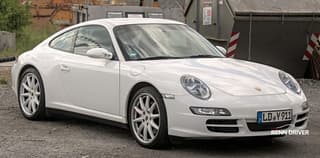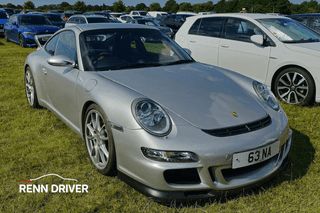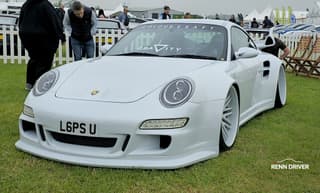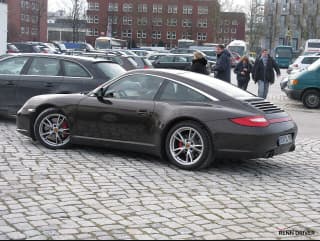
The Porsche 997 Carrera represents a turning point in the 911 story. Produced from 2004 to 2013, the 997 brought back the classic curves and added modern performance technology. Ultimately, it reminded enthusiasts why Porsche cars are the ultimate sports car that can still be driven every day.
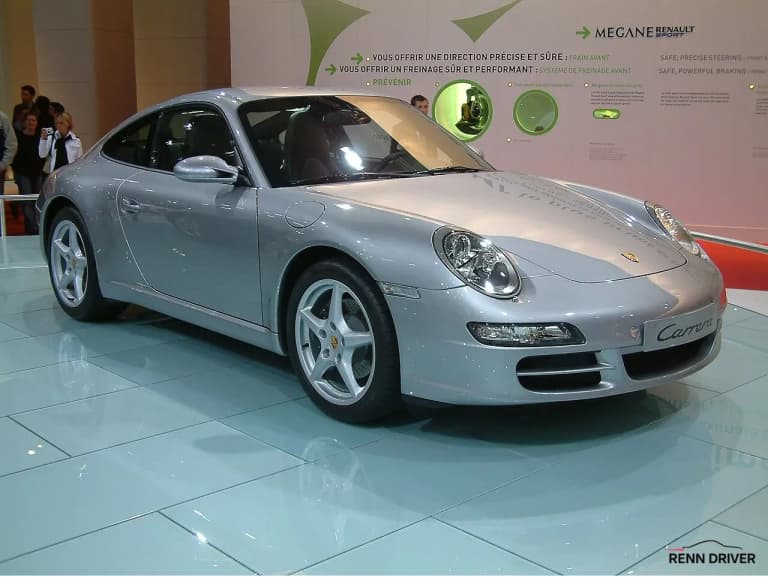
In this guide, we’ll explore the 997 Carrera’s history, models, design, performance, and what to know if you’re considering owning one.
Contents
- 1 Introduction to the Porsche 997
- 2 Porsche 911 Overview
- 3 All-Wheel Drive Models
- 4 High-Performance Variants
- 5 Convertible Models
- 6 Design and Aerodynamics
- 7 Porsche 911 Carrera Technical Specifications
- 8 Porsche 997 Buying Guide
- 9 Maintenance and Repair
- 10 Frequently Asked Questions (FAQs)
- 11 Final Thoughts
Quick Summary
- Production Years: 2004–2013 (997.1: 2004–2008; 997.2: 2009–2013)
- Notable Models: Carrera, Carrera S, Carrera 4S, GT3, GT3 RS, Turbo models
- Engines: 3.6L flat-six (325 hp in 997.1) to 3.8L flat-six (385 hp in Carrera S, 997.2; 408 hp in Carrera GTS, 997.2)
- Transmissions: 6-speed manual, 5-speed Tiptronic, 7-speed PD
- Key Features: Porsche Active Suspension Management (PASM), Sport Chrono Package, direct fuel injection (997.2), PCCB brakes
- Legacy: Modern tech meets classic 911 styling, often considered one of the most balanced generations
Introduction to the Porsche 997
When the 996 generation moved to water cooling in the late 1990s, Porsche purists weren’t happy. The headlights were “fried eggs,” and the car felt more like a business decision than a driver’s car. The 997 fixed that.
Unveiled in 2004, the 997 generation brought back the round “bug eye” headlamps and refined curves that fans loved. Underneath, Porsche improved handling, efficiency, and engine power with smarter mapping and hardware.
Later 997.2 updates (2009) added direct fuel injection, the PDK transmission, and subtle interior and exterior styling tweaks. These delivered higher engine power output, better fuel consumption and fuel economy, and a cleaner, more modern cockpit via updated Porsche Communication Management (PCM).

Porsche 911 Overview
The Porsche 911 legacy is more than a car; it’s an icon. Since 1963, it has evolved while sticking to its recipe: rear-mounted flat-six engine, 2+2 seating, and daily-drivable sports car usability.
The 997 stood out as the bridge between analog and digital. It carried the spirit of the air-cooled cars while introducing features that prepared Porsche for the future: active suspension, dual-clutch transmissions, and higher levels of comfort.
911 Carrera Models
The 997 Carrera lineup gave buyers a choice without diluting the brand.
- Carrera (Base): 3.6L flat-six with 325 hp. The purist’s entry point.
- Carrera S models: 3.8L flat-six with 355 hp (997.1) and 385 hp (997.2). It featured sportier suspension, 19-inch wheels, and distinctive styling cues.
- Carrera 4S: Wider rear track, all-wheel drive, and more stability.
- Carrera GTS (997.2): 408 hp, wide body, center-lock wheels, essentially a sweet spot between the Carrera S and GT3.
Optional extras included PCCB brakes, the Sport Chrono Package, adaptive sport seats, and a factory sport exhaust system.

All-Wheel Drive Models
The 997 offered AWD in the Carrera 4 and Carrera 4S, along with the Turbo.
The system used a multi-plate clutch to distribute torque, giving the 911 newfound stability in rain or snow.
Paired with a planted rear axle and PASM, these cars handled unpredictability with confidence. Aesthetically, AWD models were easy to spot with their wider rear arches and larger stance.
High-Performance Variants
Porsche didn’t forget its hardcore fans.
- 997 Turbo: The 997.1 Turbo was introduced with a 3.6L twin-turbo flat-six producing 480 hp (473 hp). It featured variable turbine geometry (VTG), a first in a production gasoline engine. The 997.2 Turbo and Turbo S models later adopted a 3.8L engine with over 500 hp.
- GT3: Naturally aspirated 3.6L (415 hp) tuned for track use. Lightweight, stripped back, manual only.
- GT3 RS: The most focused of the bunch, with more power, weight-saving measures, and a distinctive widebody with decals.
- GT2 RS (later): Twin-turbo rear-wheel drive monster with 620 hp, the most extreme 997.
These cars showed just how far Porsche could push the 911’s rear-engine layout.
Convertible Models
For those who wanted sun with their speed, the Cabriolet was available across most trim levels, from the Carrera to the Turbo.
The soft top retracted in seconds, with options like a wind deflector and even a glass roof system in some models. Despite the open-air setup, performance remained nearly identical to coupe versions.

Design and Aerodynamics
The 997’s design was widely praised for blending modern sharpness with classic 911 curves.
- Headlights: Round bi-xenons returned, complemented by LED daytime running lights.
- Bodywork: Smooth surfacing with functional air intakes up front; Turbos add side air intakes for intercooler feed. The updated rear bumper, cleaner exterior mirrors, crisper tail lights, and tidier cabin air vents finished the look.
- Interior: Leather, carbon fiber, or aluminum trim with modern ergonomics. A new sports steering wheel option was also introduced; some special editions even used a double bubble roof theme for a classic motorsport vibe.

The result was a 911 that looked timeless yet modern, and still turns heads today.
Porsche 911 Carrera Technical Specifications
- Engines:
- Carrera: 3.6L flat-six, 325 hp (997.1)
- Carrera S: 3.8L flat-six, 355 hp (997.1) and 385 hp (997.2)
- Transmissions:
- 6-speed manual
- 5-speed Tiptronic (997.1)
- 7-speed PDK (997.2)
- Performance Features: PASM, Sport Chrono, PCCB brakes
- 0–60 mph:
- Carrera: ~4.6 sec (manual)
- Carrera S: ~4.3 sec (manual), quicker with PDK launch control
- Top Speed: 177–188 mph, depending on model
Porsche 997 Buying Guide
Since the Porsche 997 is no longer in production, any car you find today will be a used model. If you're in the market for a pre-owned 997, a thorough and informed approach is essential.
The first and most critical step is to review the car's service history. Full documentation is invaluable, as it confirms that the high-performance flat-six engine has been properly maintained. While these cars are built to be driven and can rack up impressive mileage, any signs of neglect can lead to costly repairs.
A pre-purchase inspection (PPI) by a qualified Porsche specialist is highly recommended to uncover potential issues, from minor suspension wear to more significant engine concerns. When it comes to the engines, it's vital to understand how each 911 generation differs.
Early 997.1 models (pre-2009) can be susceptible to intermediate shaft (IMS) bearing failures. It's a known issue that, while not as widespread as some online forums suggest, can be catastrophic. Many owners of these cars have had the bearing addressed with an aftermarket solution for peace of mind.
The latter 997.2 models, however, are highly sought after because they feature a redesigned engine with direct fuel injection that completely eliminated the IMS bearing problem.
Finally, consider the car's options and your budget. While base Carrera models are relatively affordable and provide a pure driving experience, special editions like the GT3 and Turbo command a significant premium and have shown strong appreciation in the collector market. Desirable extras like the Sport Chrono Package and PCCB brakes can also boost a car’s value and appeal to a discerning buyer.
Maintenance and Repair
Owning a Porsche 997 requires a commitment to proactive maintenance, but the reward is a durable and reliable sports car. Routine fluid changes, including the engine oil, are paramount to keeping the flat-six engine healthy.
The PASM suspension, a key feature that provides both comfort and performance, will require attention as components like bushings and dampers wear over time. The braking system is another area to consider. While the standard steel brakes are manageable to maintain, models equipped with the optional Porsche Ceramic Composite Brakes (PCCB) boast incredible stopping power and longevity. However, they come with a high cost when it's time for replacement.
Beyond the mechanicals, paying attention to the interior and bodywork is crucial. Keeping the leather conditioned and the paint protected will preserve the car's aesthetic value and prevent premature aging. With proper care and a consistent service regimen, it is not uncommon for a well-maintained 997 to easily exceed 150,000 miles, a testament to its engineering and a clear sign of its durability.
Frequently Asked Questions (FAQs)
Is the Porsche 997 a good investment?
Yes, the Porsche 997 is a good investment. The 997 is gaining recognition as one of the most balanced modern 911s. While the Carrera models remain relatively affordable, special editions like the 997 Sport Classic, GT3, and Turbo S have shown strong appreciation in the collector market.
What is the difference between the 997.1 and 997.2?
The 997.1 (2004–2008) used early water-cooled engines and offered Tiptronic automatic transmissions. The 997.2 (2009–2013) introduced direct fuel injection, the PDK dual-clutch gearbox, and higher horsepower engines. The 997.2 is generally more reliable and desirable.
Does the 997 have IMS bearing issues?
Yes, the 997.1 Carrera models (non-Turbo, non-GT3) specifically can suffer from intermediate shaft (IMS) bearing failures, though it’s less common than in the 996. The 997.2 eliminated this problem entirely. Many owners of 997.1 cars upgrade the bearing for peace of mind.
How fast is the Porsche 997 Carrera?
The base Carrera reaches 0–60 mph in around 4.6 seconds, while the Carrera S cuts that to about 4.3 seconds. High-performance models like the Turbo and GT3 are even quicker, with the Turbo capable of sub-4-second runs.
Which Porsche 997 model is best for daily driving?
The Carrera or Carrera S models balance comfort and performance well. They offer usable rear seats, decent ride quality with PASM, PCM infotainment, and solid fuel economy for the class. The Carrera 4S’s wheel drive system is ideal if you see varied weather.
Is the Porsche 997 reliable?
Yes, the Porsche 997 is reliable with proper maintenance. The flat-six engines are durable, especially in the 997.2 generation. Regular servicing of the PASM suspension, brakes, and fluids will ensure long life. The biggest consideration is IMS issues in early models, which should be checked or addressed.
What makes the 997 special compared to other 911s?
The 997 blends the analog feel of older 911s with the modern refinements that define newer generations. It reintroduced classic styling after the controversial 996, while adding features like PASM, Sport Chrono, and PDK that paved the way for today’s models. Many enthusiasts call it the last “just right” 911.
Final Thoughts
The Porsche 997 Carrera is more than just a sixth-generation 911. It’s the car that brought Porsche back to its roots while embracing the future.
With its mix of classic design, modern tech, and thrilling performance, the 997 is often considered one of the best all-around 911s ever built. Whether you want a Carrera for daily enjoyment, a Turbo for speed, or a GT3 RS for the track, there’s a 997 for every taste.
For enthusiasts, it strikes the perfect balance: analog enough to feel pure, but modern enough to live with. With proper care, it’s a 911 that will keep giving back for years.
Photo credit: Calreyn88, CC BY-SA 4.0, via Wikimedia Commons, nakhon100, CC BY 2.0, via Wikimedia Commons, Alexandre Prévot from Nancy, France, CC BY-SA 2.0, via Wikimedia Commons, The Car Spy, CC BY 2.0, via Wikimedia Commons