A Thailand packing list for car enthusiasts stays light. Pack one carry-on and one checked bag with room to spare, since Thailand stays warm year round and clothing, toiletries, and snacks are easy to buy locally. Add sun gear, a swimsuit, a compact umbrella for rainy season, and the driving documents you actually need if you plan to get behind the wheel.
In this article, we’ll explain what car enthusiasts should pack for a Thailand trip built around cars. We’ll cover what to wear, driving documents, rainy season gear, and what to skip.
Contents
- 1 Quick Summary
- 2 Pack Light: One Carry-On, One Checked Bag, and Room to Spare
- 3 What to Wear in Thailand: Dressing for Consistent Heat
- 4 Sun, Pool, and Gym Kit for Car Meets and Outdoor Events
- 5 Rainy Season Realities and What to Pack for Wet Roads
- 6 Money in Thailand: ATM Cards and the Wise App
- 7 Power Adapters and Basic Electronics
- 8 The Driving Documents Every Car Enthusiast Should Carry
- 9 What to Wear Behind the Wheel
- 10 Compact Road Trip Kit for Bangkok to the Mountains
- 11 Dressing for Car Meets, Showrooms, and Motor Shows
- 12 What Not to Pack: The Overpacking Trap
- 13 Medication and Pharmacy Basics Before You Fly
- 14 Frequently Asked Questions
Quick Summary
- Luggage: one carry-on and one checked bag, packed with room to spare
- Climate: warm nationwide year round, roughly 18 to 38 degrees Celsius, so pack breathable clothing plus one hoodie
- Rainy Season: runs mid-May to mid-October, with the South staying wet into December; pack a compact umbrella
- Driving Documents: passport, home license, and an International Driving Permit for most non-ASEAN visitors
- Money: an ATM card and the Wise app cover most needs on the ground
- Power: 230 volts at 50 Hz with type A, B, C, and O sockets; a universal adapter covers them all
- Medication: non-controlled prescriptions are fine for up to a 30-day supply; controlled narcotics need a Thai FDA permit arranged 15+ days ahead
Pack Light: One Carry-On, One Checked Bag, and Room to Spare
One carry-on bag and one checked bag cover most trips to Thailand, even longer ones. Leave real spare room in both, rather than packing them full before you leave home.
Spare room earns its keep twice over. It leaves space for anything picked up locally, and it keeps the bag light enough to move through Bangkok traffic, elevators, and hotel stairs without a fight.
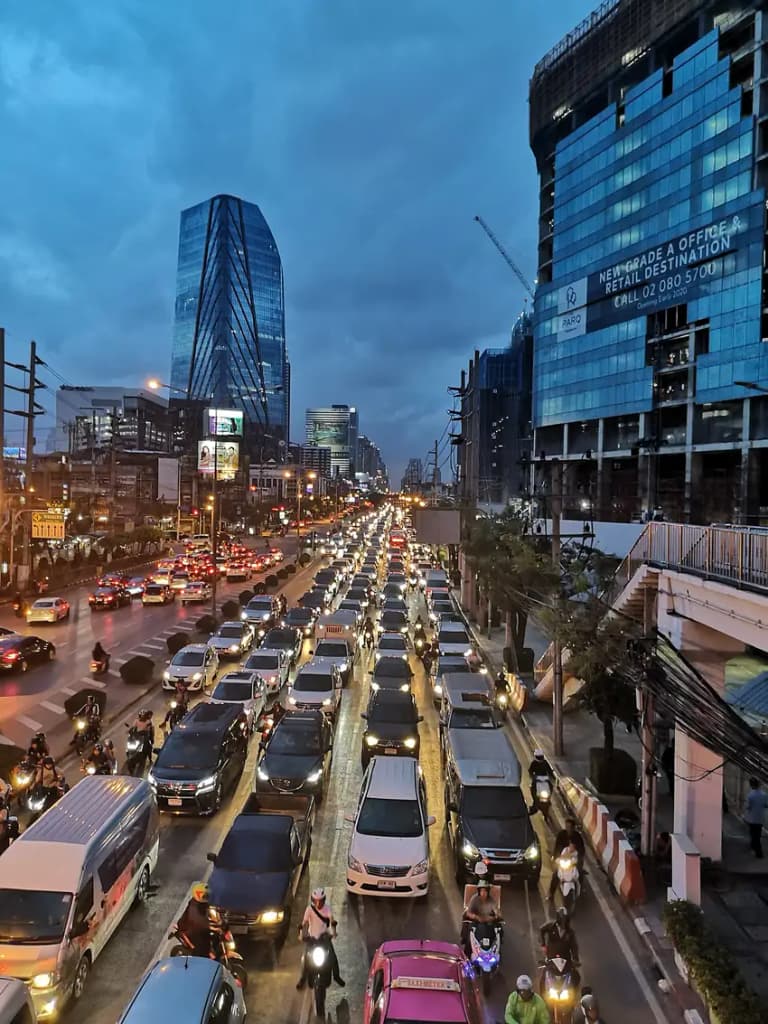
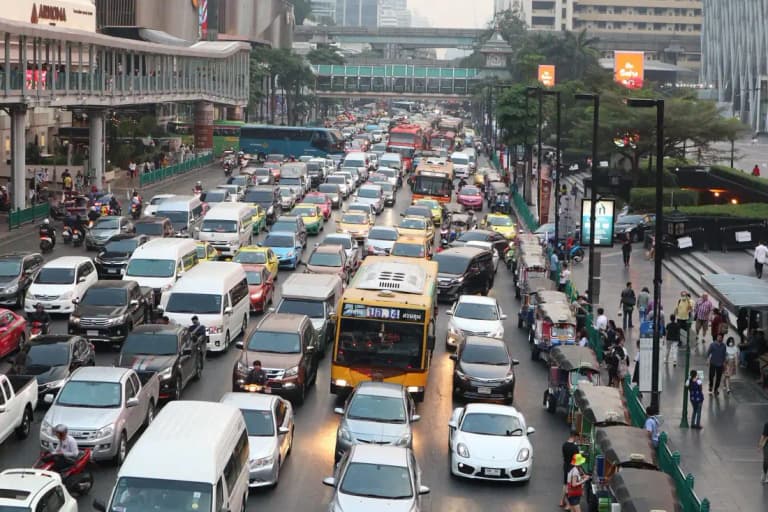
Bangkok is the practical base for most trips, even when the plan includes travel across the rest of the country. Evening traffic like this is part of everyday life here, and it is one more reason to travel light rather than wrestle a heavy bag through it.
Thailand stays warm across the whole country, from Bangkok to the beaches to the northern hills. That single fact drives most of the packing decisions below, since warm-weather clothing takes up far less space than a four-season wardrobe.
A packing list built around a car trip looks a little different from a standard vacation list. It still needs the everyday basics, but it also needs the paperwork and gear that let you actually drive, ride, or attend a car meet once you land.
What to Wear in Thailand: Dressing for Consistent Heat
Thailand runs warm in every region for most of the year, with a national temperature range of about 18 to 38 degrees Celsius, according to the Royal Thai Government. That consistency simplifies the wardrobe question more than almost anywhere else you might travel.
Warm-Weather Basics
Breathable, lightweight clothing is the default for nearly every day of a Thailand trip. Sandals work for most casual settings, from a hotel breakfast to a walk through a night market.
A swimsuit earns its space too, whether the plan includes a hotel pool, a coastal stop, or a resort day between driving legs. Pack a few days of clothes rather than a full trip’s worth, since laundry is easy to arrange almost anywhere.
The One-Hoodie Rule
One hooded sweatshirt is enough for the whole trip. It earns its place on the flight, in aggressively air conditioned malls and offices, and during the rare cool snap.
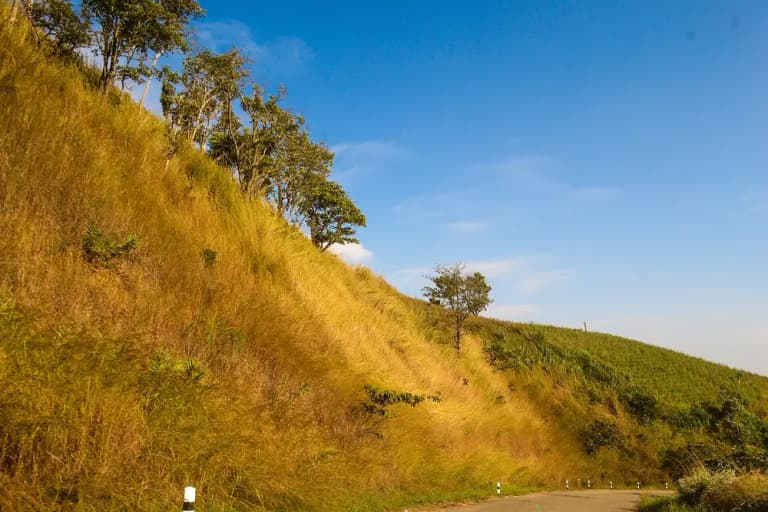
The clearest exception is a road trip into the northern hills. Mountain roads like the ones around Doi Inthanon run noticeably cooler than Bangkok, especially early in the morning. Our guide to driving a Porsche in Thailand covers more of these routes, and that single hoodie earns its keep on a drive north.
Sun, Pool, and Gym Kit for Car Meets and Outdoor Events
Car meets in Thailand often run outdoors in direct sun, whether at a mall car park, a cafe meet, or an outdoor show. Pack accordingly.
Sun Protection
Sunscreen, sunglasses, and a hat cover most of the sun exposure a car enthusiast runs into here. All three are worth packing rather than buying on day one, simply so you are covered from the first morning.
Fitness and Pool Gear
Fitness shorts, workout clothes, and a swimsuit round out the warm-weather kit. Many hotels and serviced apartments in Bangkok include a gym and a pool, so this gear gets used more than a typical city trip would suggest.
Rainy Season Realities and What to Pack for Wet Roads
Rainy season changes both the packing list and the driving conditions. Plan around it rather than being surprised by it.
When Rainy Season Hits
Thailand’s official season windows run from mid-February to mid-May for summer, mid-May to mid-October for the rainy season, and mid-October to mid-February for the cooler winter months, per the Royal Thai Government. The South stays wetter for longer, with rain continuing into December in many areas.
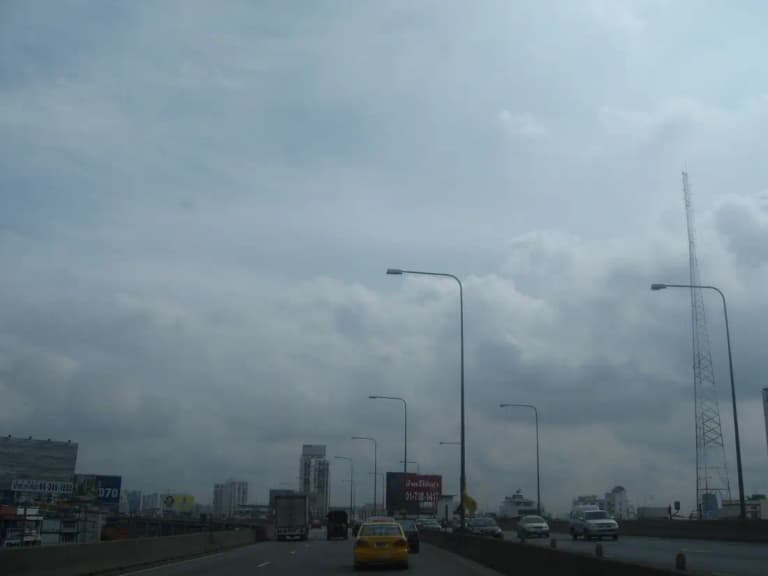
Heavy afternoon downpours are common during the wet months, and Bangkok streets can flood quickly during the worst of them. A road trip planned for July through September should build in buffer time for sudden rain, especially on routes off the main expressways.
A Compact Umbrella Earns Its Space
A small, packable umbrella is one of the few extra items worth carrying beyond the core warm-weather kit. It handles a sudden downpour on the walk to a car meet or between the car park and a restaurant, without the bulk of a full rain jacket.
Money in Thailand: ATM Cards and the Wise App
An ATM card and the Wise app cover most money needs on the ground. ATMs are widespread across Bangkok and the rest of the country, and Wise can hold and convert Thai baht. Check current exchange rates and fees yourself before relying on either for a large amount.
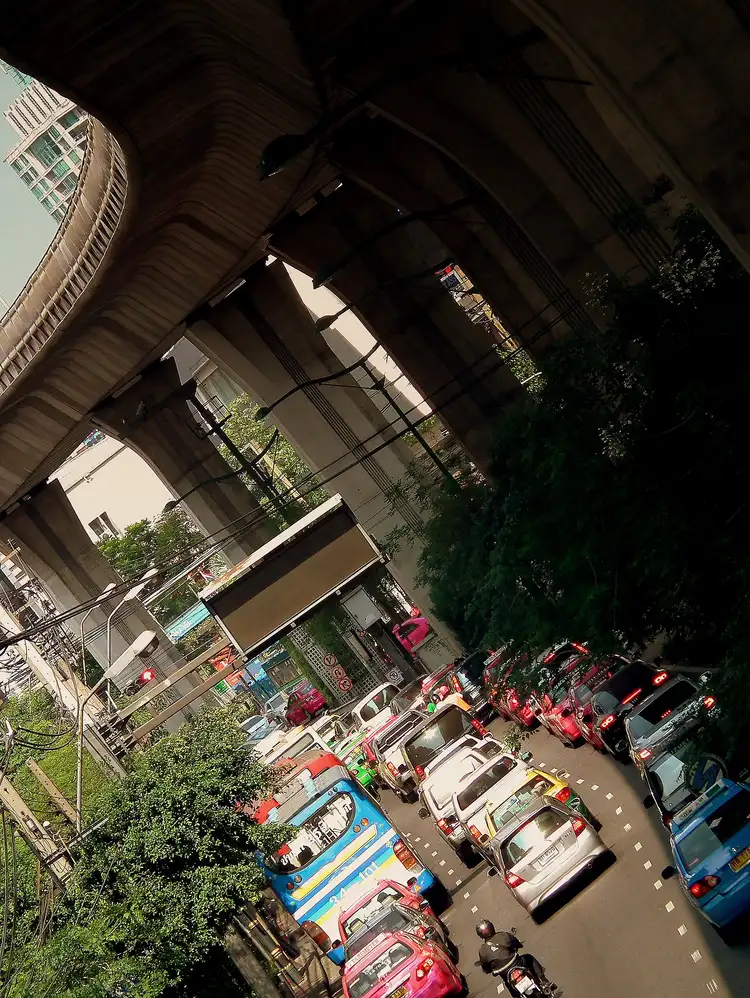
Bangkok’s BTS Skytrain, the MRT subway, taxis, and ride-hailing apps all provide alternatives when the car stays parked for the day. Payment methods vary by line and provider, so check what a specific trip accepts before you go.
Power Adapters and Basic Electronics
Thailand runs on 230 volts at 50 Hz, with type A, B, C, and O sockets all in common use, according to World Standards. Type O is the official Thai standard, but most modern outlets accept the other three shapes as well.
A universal travel adapter is worth packing, since it covers every socket shape you are likely to run into. Basic electronics like a spare phone cable, a portable battery, and a dash cam mount are all easy to find in Bangkok if you land without one.
The Driving Documents Every Car Enthusiast Should Carry
Anyone who plans to get behind the wheel in Thailand needs the right paperwork on top of cash and a good attitude. This is the one part of the packing list where getting it wrong has real consequences.
Your Home License and the International Driving Permit
Thailand’s government recognizes three routes to legally drive as a visitor. A valid Thai driving license, a valid International Driving Permit, or a license issued by another ASEAN member country all qualify, according to Thailand’s Public Relations Department. Most visitors from outside ASEAN will be relying on the IDP.
UK guidance is specific on this point. Travelers need to carry both the 1968 International Driving Permit and their UK driving license while driving in Thailand, per GOV.UK. The UK’s international driving permit guidance confirms Thailand accepts the 1968 convention permit. Arrange the IDP before departure, since it cannot be issued once you have already left home.
Motorcycles carry a stricter rule. It is illegal to ride a motorcycle in Thailand without a valid Thai motorcycle license or an International Driving Permit with a motorcycle endorsement, according to the Government of Canada’s Thailand travel advice. That same advisory notes that motorcyclists make up the large majority of the country’s road deaths. A standard car IDP does not cover riding a motorcycle or scooter.
Driving without the correct license or IDP is not just a legal risk. It can also void your travel insurance, according to GOV.UK, which means an accident while unlicensed could leave you covering the costs directly. Renn Driver’s editor holds Thai car and motorcycle licenses and still packs an IDP. Local advice has been to present one during document checks, and that is a personal practice, not a statement of legal necessity.
Rental and Insurance Paperwork
Compulsory Motor Insurance is required for every registered vehicle in Thailand and primarily covers bodily injury or death, not damage to either vehicle, according to insurer Roojai. Confirm the compulsory coverage and any optional vehicle-damage coverage directly with the rental company before driving. Keep the supplied documents in the car rather than buried in a suitcase.
| Document | Why You Need It |
|---|---|
| Passport | ID for rentals and checkpoints |
| Home license | Carry with an IDP when required |
| Int’l Driving Permit | Legal route for many non-ASEAN visitors |
| Rental agreement | Shows rental terms |
| Insurance documents | Show the coverage supplied or purchased |
Renting through an established company also means clearer paperwork if anything goes wrong. Our guide to renting a Porsche in Bangkok and our breakdown of Porsche insurance in Thailand both go deeper into what a rental contract and policy should actually cover.
What to Wear Behind the Wheel
Comfortable, closed-toe shoes make more sense than sandals once you are actually driving, especially on a spirited mountain road. A thin sole gives better pedal feel than a thick sandal ever will.
Loose, breathable clothing works better than anything tight or restrictive for hours behind the wheel in Thai heat. A light layer for the car’s air conditioning is worth keeping within reach, since cabin temperatures swing more than the outside air does.
Compact Road Trip Kit for Bangkok to the Mountains
A short list of extras makes a Bangkok-to-mountains road trip smoother without adding real bulk to your bag. None of it needs to take up more than a small pouch.
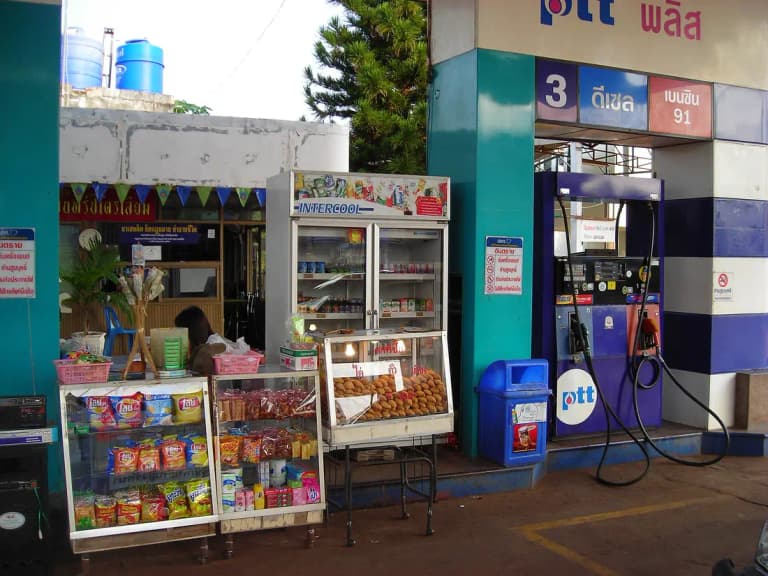
PTT and other major fuel station chains line every significant route out of Bangkok, most with a small shop for snacks, drinks, and basic supplies. That coverage means there is little reason to pack road trip snacks from home. A phone mount, offline maps downloaded in advance, and a bit of small cash for tolls round out the kit.
Plan the route with our guide to the best driving roads in Thailand, and see a full route breakdown in our Bangkok to Khao Yai road trip guide.

Khao Yai and the northern hill routes both run noticeably cooler and greener than Bangkok, which is exactly where that single hoodie and a light layer for the evening actually get used.
Dressing for Car Meets, Showrooms, and Motor Shows
Bangkok’s car scene runs across mall car parks, dealership showrooms, and events like the Thailand International Motor Expo. Casual, breathable clothing works for nearly all of it.
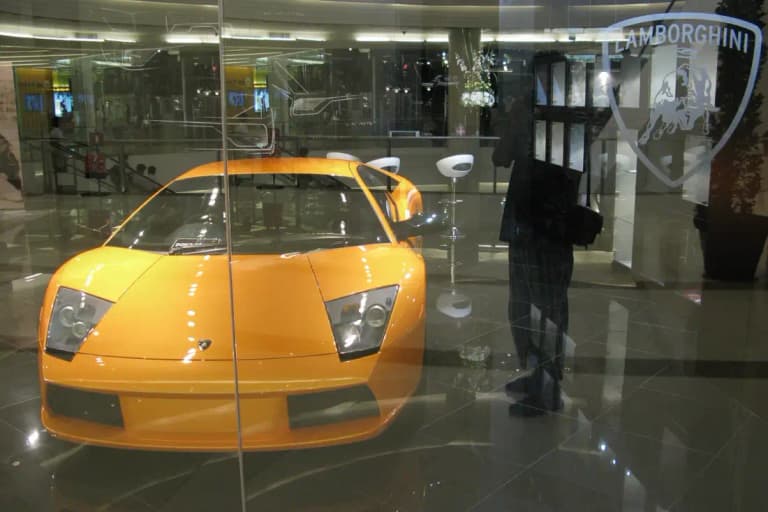
Mall showrooms and cafe meets are air conditioned indoors and often open air outdoors within the same visit, so a light layer helps more than a full change of clothes. The same sandals and fitness clothes packed for everyday wear cover most of these events without any special gear.
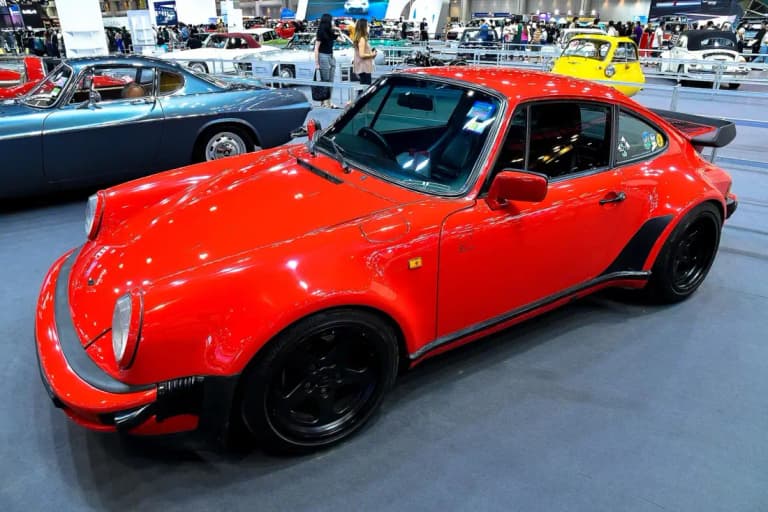
Motor shows like the Motor Expo pack classic and modern cars into a single hall, so a full day on your feet is normal. Comfortable, closed-toe shoes make more sense than sandals for a long day walking a show floor.
What Not to Pack: The Overpacking Trap
Overpacking is the single most common mistake visitors make before a Thailand trip. Clothes, shoes, toiletries, snacks, and entertainment all get packed in bulk and then barely get touched.
Clothes and Shoes You Do Not Need
A full week of outfits, a backup pair of every shoe, and cold-weather layers beyond the single hoodie all take up space without earning it. Thailand’s consistent warmth means a smaller, repeatable wardrobe works better than a large one.
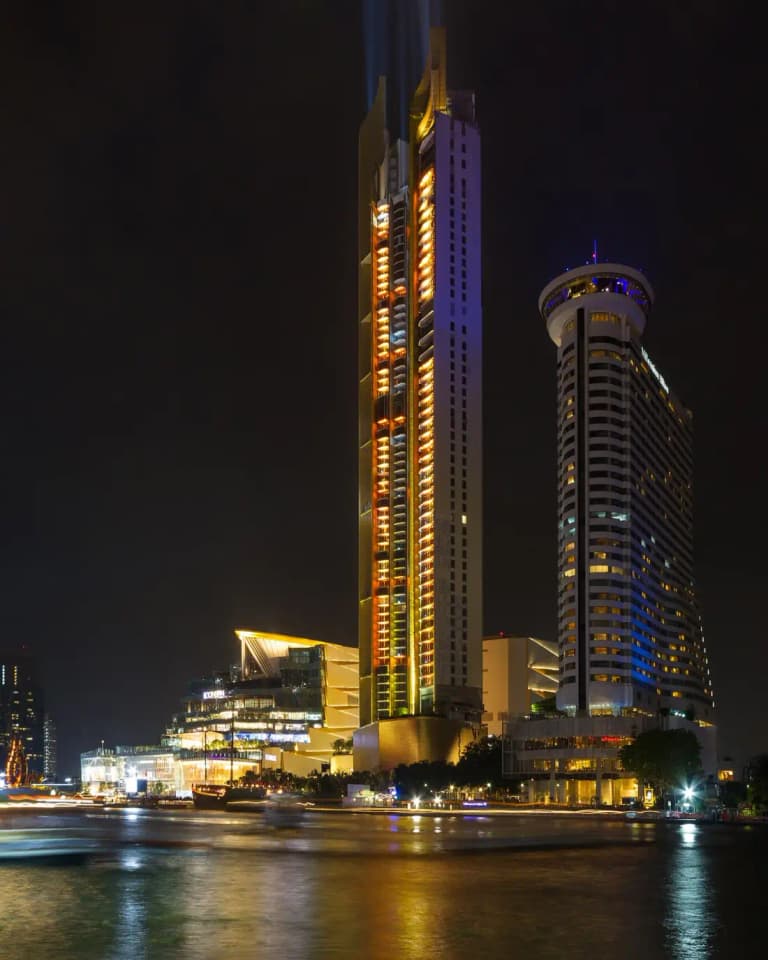
Malls like IconSiam and the countless shops across Bangkok sell everything from basic clothing to name brands, at a wide range of price points. Anything forgotten or worn out is a short taxi ride away.
Toiletries, Snacks, and Entertainment You Can Buy Locally
Full-size toiletries, a stash of snacks from home, and a bag full of books or gadgets for downtime all fall into the same trap. Convenience stores sit on nearly every block in Bangkok and stock the everyday basics at any hour.
Basic electronics, phone accessories, and simple entertainment are just as easy to pick up locally if something is missing. Packing light and buying what you actually need once you land tends to work out better than guessing in advance.
Medication and Pharmacy Basics Before You Fly
Pharmacies are common and convenient across Thailand, but a few medication rules are worth knowing before departure rather than after a problem at customs.
Non-controlled prescription medication is generally fine in a supply of up to 30 days. Keep it in its original packaging with a prescription or doctor’s letter, according to the Royal Thai Embassy in The Hague. Anything beyond that basic rule is worth checking directly with the embassy.
Controlled medications carry a stricter process. Schedule II and III narcotic medications require an official permit at least 15 days before travel, capped at a 90 day supply. Apply through the Thai FDA’s online system, according to Thailand’s Food and Drug Administration. Psychotropic medications need a permit only when the supply runs longer than 30 days.
For anything outside those non-controlled basics, pharmacies across Bangkok are well stocked for everyday needs like pain relief, cold medicine, and common over-the-counter items. The travel documents covered above take care of the rest of what a car-focused trip through Thailand actually needs.
Frequently Asked Questions
Do I need an international driving permit in Thailand?
Most visitors from outside ASEAN need an International Driving Permit alongside their home country license to drive legally in Thailand. Thailand’s government recognizes a Thai license, a valid IDP, or a license from another ASEAN country as the three legal options, according to Thailand’s Public Relations Department. Arrange the IDP before you leave home, since it cannot be issued after you arrive.
Can I rent a car in Thailand with just my home country license?
Most rental companies in Thailand ask for an International Driving Permit alongside your home country license, not the home license alone. Riding a motorcycle or scooter needs a motorcycle-specific license or IDP endorsement, and driving without the correct documents can also void your travel insurance.
When is rainy season in Thailand?
Thailand’s rainy season officially runs from mid-May to mid-October, according to the Royal Thai Government. The South stays wetter for longer, with rain continuing into December in many areas, so build extra time into any road trip planned during those months.
Can I bring my medication into Thailand?
Most non-controlled prescription medication is fine in a supply of up to 30 days, kept in original packaging with a prescription or doctor’s letter. Controlled narcotic medications need an official Thai FDA permit arranged at least 15 days before travel, so check your specific medication well before departure.
What should I pack for driving in Thailand?
Carry your passport, home country license, International Driving Permit, and the rental agreement and insurance card once you have a car. Closed-toe shoes, a phone mount, and offline maps round out a practical kit for anyone planning to drive during the trip.
Images: Hero and Bangkok traffic by TomaszSwatowski, CC BY-SA 4.0. Bangkok traffic jam by Sry85, CC BY-SA 4.0. Doi Inthanon road by Sanyaluckyeemou, CC BY-SA 3.0. Don Muang Tollway by Terence Ong, CC BY 2.5. Sukhumvit Road traffic by calflier001, CC BY-SA 2.0. PTT gas station by Mattes, public domain. Khao Yai National Park landscape by Mammalwatcher, CC0. Lamborghini showroom by Vyacheslav Argenberg, CC BY 4.0. Porsche 930 at Motor Expo by Tris T7, CC BY-SA 4.0. IconSiam at night by Supanut Arunoprayote, CC BY 4.0. Via Wikimedia Commons.