
Thailand car culture comes alive after dark. When the markets close and the tourists go home, the streets echo with the sound of tuned engines.
It's true that car culture is not the first thing most visitors think of when coming to Thailand. However, for those who know where to look, it becomes an unforgettable part of the country.
Contents
Quick Summary
- Best For: Enthusiasts curious about Southeast Asia’s unique blend of JDM, pickups, and nightlife car culture.
- Core Identity: Japanese tuner influence meets Thai creativity, with Porsche ownership as the ultimate status symbol.
- Industry Backbone: 10th-largest automotive industry in the world, producing 2⁺ million vehicles annually.
- Hotspots: Bangkok expressways, Chang International Circuit, Bang Saen Grand Prix, Hut Garage, Porsche Club Thailand.
- Why It’s Unique: Few countries mix underground drag strips, neon pickup audio battles, and Porsche 911s idling in gridlock with quite the same flair.
Thailand Car Culture Intro
The scene here is equal parts underground rebellion and high-end exclusivity. Japanese imports dominate the tuner culture.
Pickup trucks carry as much pride as any Civic. And supercars, especially Porsche 911s, cruise Bangkok’s nightlife strips at two or three times their overseas prices.
A strong auto industry, lively nightlife, and Porsche-loving elites drive the country’s vibrant car scene.
History of Cars in Thailand
Japanese Roots
Thailand’s love for Japanese cars goes back to the 1960s, when Toyota, Honda, and Isuzu set up manufacturing plants across the country. Japan saw Thailand as a strategic base for vehicle production in Southeast Asia. The resulting flood of affordable, reliable, and easy to modify vehicles became the foundation of the country’s tuner culture. Thai people took to Japanese cars naturally, and the street scene grew from there.
Pickup Capital of the World
Tax incentives and practicality turned pickup trucks into Thailand’s unofficial national vehicle. Isuzu D-Max and Toyota Hilux pickup trucks roll everywhere, often slammed, lifted, or fitted with outrageous sound systems. The manufacturing scale is staggering: Thailand now exports more pickup trucks than any other nation, producing hundreds of thousands of vehicles per year for markets across Australia, Europe, and the rest of Asia.
Industry Powerhouse
The auto sector contributes roughly 10–11% of GDP and produces more than 2 million vehicles annually, ranking Thailand 10th worldwide. The government is pushing hard into EVs, but for now, the gasoline-fueled culture of Supras, Civics, and Porsche 911s continues to thrive.
Street & Tuning Culture
Bangkok Expressway Racing
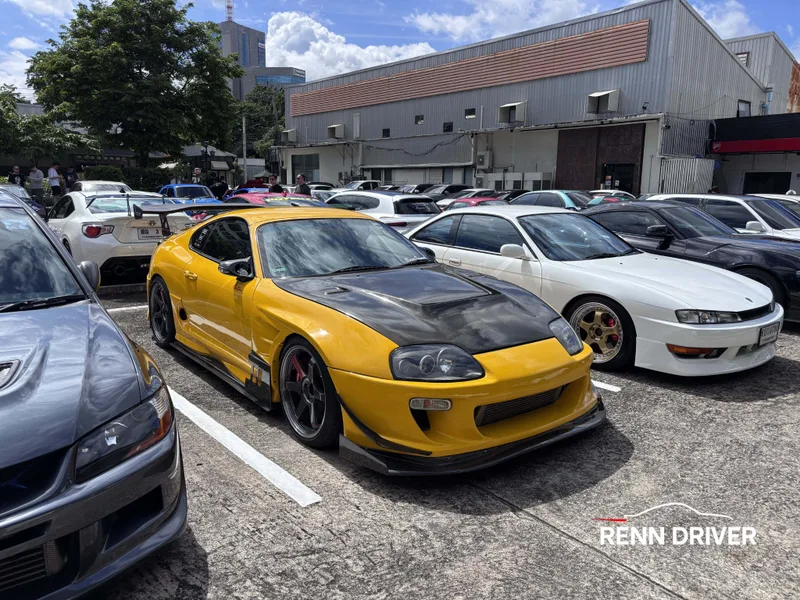
Bangkok’s elevated highways transform into racetracks at night. Thai “Conjo” crews channel Japanese Kanjozoku style, piloting stripped-out Hondas with neon liveries and turbo setups.
With speeding fines around $15 USD and minimal license impact, underground racing thrives. Crowds line bridges to watch Civics, Supras, and occasionally even a Porsche 911 Turbo join the action.
Sound System Trucks
Unique to Thailand are the audio pickup builds. Trucks loaded with towering speaker systems, neon lights, and LED choreography. They may not clock record times, but they dominate the senses.
Regional Hotspots
Beyond Bangkok, Chiang Mai favors drifting, Chonburi is a drag hub, and Nakhon Ratchasima has grassroots racing communities. Modified vehicles of every type appear at regional meets, from widebody Honda builds to fully built Toyota drag cars. Each region contributes a different note to the street scene, and Thai people travel between provinces to attend the biggest events.
Supercars & Luxury Scene
Sticker Shock and Status
For Thailand’s wealthy elite, supercars are more than machines; they’re social statements. Import duties can double or triple the price of an exotic. That’s why even seeing a Porsche 911 or Ferrari 488 on Sukhumvit Road is as much about signaling status as it is about speed.
Where to Spot Them
Weekends in Bangkok tell the story. On Thonglor and Sukhumvit Road, Aventadors and McLarens share curb space with Porsche 911s, Carrera Ts, and Turbos. They’re parked outside luxury lounges and rooftop bars, turning sidewalks into rolling auto shows.
A Concentrated Scene
Because of the high costs, Thailand’s exotic car community is compact but powerful. Clubs and gatherings are smaller in number but massive in impact. Every meet feels like a curated show.
Where Porsche Fits Into Thailand’s Car Culture
The Status Symbol Effect
Porsche in Thailand sits in a fascinating space. With import duties up to 200%, even a “standard” 911 Carrera becomes a symbol of wealth and exclusivity.
A base Carrera that sells for about $120K in the U.S. might push close to $300K or more in Bangkok. That kind of pricing reserves Porsche ownership for an ultra-select group: business magnates, celebrities, and the Bangkok elite.
In Japan, Porsches are popular across all income levels. In Thailand, they serve more as status symbols, similar to a Ferrari or a Lamborghini.
What sets them apart is the balance of luxury and usability. That makes them especially appealing to Thai owners who want both track-day thrills and weekend cruising comfort.
Porsche Club Thailand
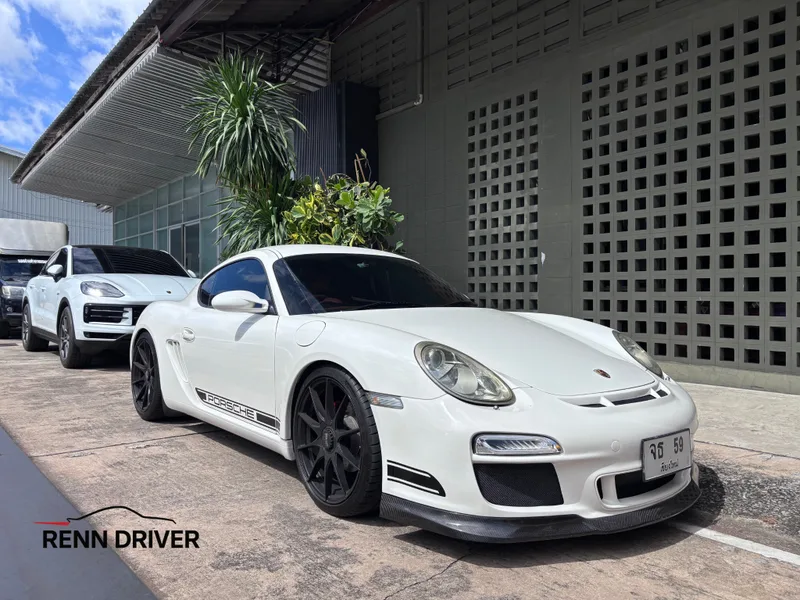
Thailand’s Porsche owners are tightly connected through Porsche Club Thailand, one of the country’s most active single-brand car clubs. They organize:
- Track days at Chang International Circuit, where Porsche owners can safely push cars like the Carrera S and GT3 to their full speed.
- Exclusive scenic drives outside Bangkok, often doubling as charity events.
- Showroom-style meets in the capital, where vintage 911 SCs sit alongside new 992 Turbos.
For enthusiasts, the club represents more than exclusivity. It’s about shared heritage and a direct connection to Stuttgart.
Porsche on the Track
At Thailand’s top motorsport venues, Porsches often dominate.
- Chang Circuit hosts Porsche Carrera Cup Asia, bringing in GT3 Cup cars and regional racing talent. For many Thai enthusiasts, it’s their first close-up of Porsche’s racing DNA.
- Bira Circuit hosts grassroots track days, during which 911 GT3s and Caymans regularly appear. This shows that Porsche isn’t just a garage ornament; it’s alive on Thai asphalt.
Porsche vs. the Gridlock Paradox
Bangkok’s infamous traffic makes Porsche ownership almost ironic. Cars built to cruise at 300 km/h often crawl at 10 km/h along Sukhumvit Road.
Many owners keep their 911s garaged until late-night expressway runs, joining convoys that blend Porsche Turbos with Supras and Lamborghinis. The paradox only adds to Porsche’s mystique.
The Collector Side
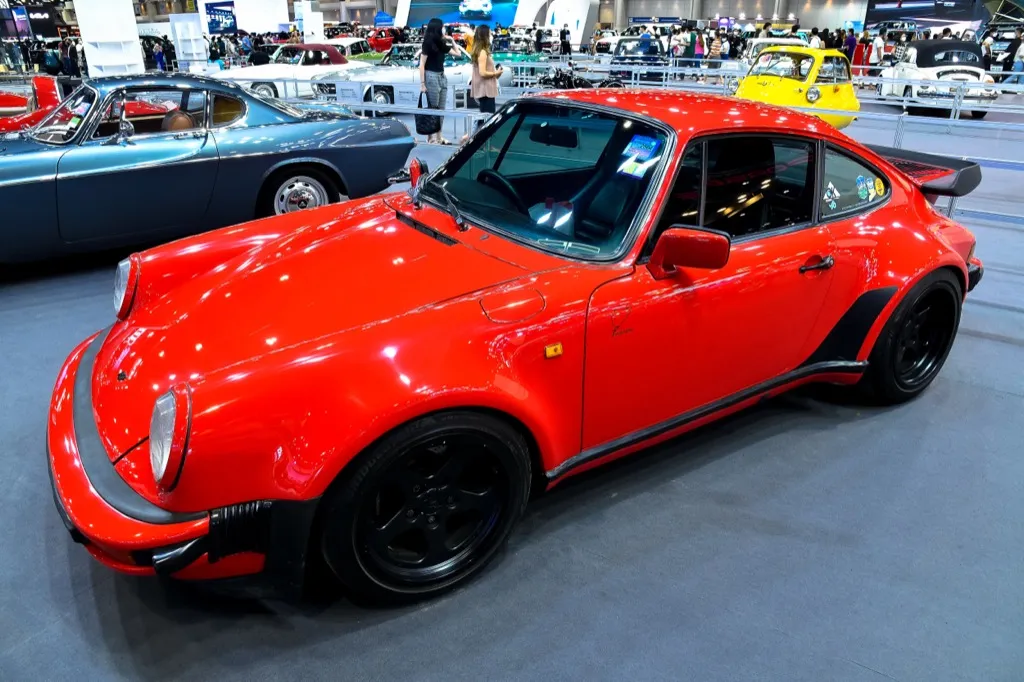
A small but growing collector culture is taking shape. Thai enthusiasts are beginning to import rare models: air-cooled 964s, 993s, early Carreras, and limited-run Turbos. These cars are investments as much as driving machines, adding heritage value to an already exclusive brand.
Porsche in Thailand’s Automotive Future
While Porsche isn’t built locally, it’s increasingly visible in Bangkok’s luxury districts. With the government pushing EV adoption, the Taycan is gaining traction among wealthy early adopters. For these buyers, Porsche represents both tradition and technology, bridging the future of mobility with Stuttgart prestige.
Motorsports in Thailand
Chang International Circuit (Buriram)
Thailand’s world-class Chang Circuit has become a global fixture, hosting MotoGP and Super GT. For Porsche fans, it’s also where Porsche Carrera Cup Asia brings GT3 Cup cars to Thai soil.
Bang Saen Grand Prix
Bang Saen is Thailand’s seaside street circuit, equal parts racing and carnival. Touring cars dominate, but Porsches occasionally slip into the lineup, stealing attention from beachfront crowds.
Bira Circuit (Chonburi)
Since the 1980s, Bira has been Thailand’s grassroots motorsport hub. Touring cars, drifters, and amateur racers fill the track, with Porsche 911 GT3s and Caymans often joining in.
Drag Strips and Night Racing
Drag culture is everywhere, especially at night. While Civics and RX-7s dominate, a Porsche 911 Turbo occasionally lines up. It usually reminds everyone why it’s still the benchmark for raw acceleration.
Car Clubs & Community
JDM Tribes
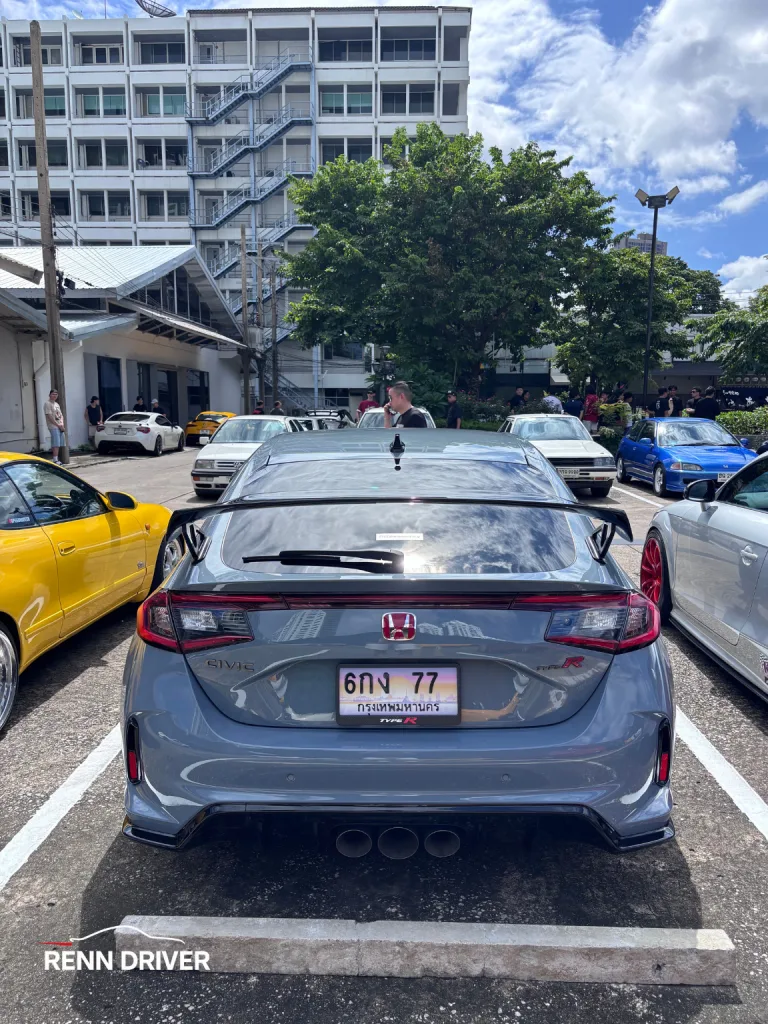
Honda Civic, Toyota Supra, and Nissan Skyline clubs dominate in sheer numbers, with thousands of members sharing runs and mods on social media and at street meets.
Porsche Club Thailand
As covered earlier, Porsche Club Thailand is one of the country’s most active car groups. Its events reinforce Porsche’s role not just as a luxury item, but as a vibrant part of Thai car life. Independent gatherings like Das Treffen have also become pillars of the community, drawing hundreds of owners to Bangkok for an annual celebration and monthly meetups.
Garage Culture
Garage culture in Thailand runs deep. Spaces like Hut Garage in Bangkok showcase curated collections of Supras and RX-7s, and more and more garage owners are adding Porsches to the mix. Air-cooled 911s and modern Turbos now sit alongside Japanese legends. Several YouTube channels document the Thai garage scene, taking viewers inside private collections and modified builds that rarely appear at public meets.
Liberty Walk Bangkok
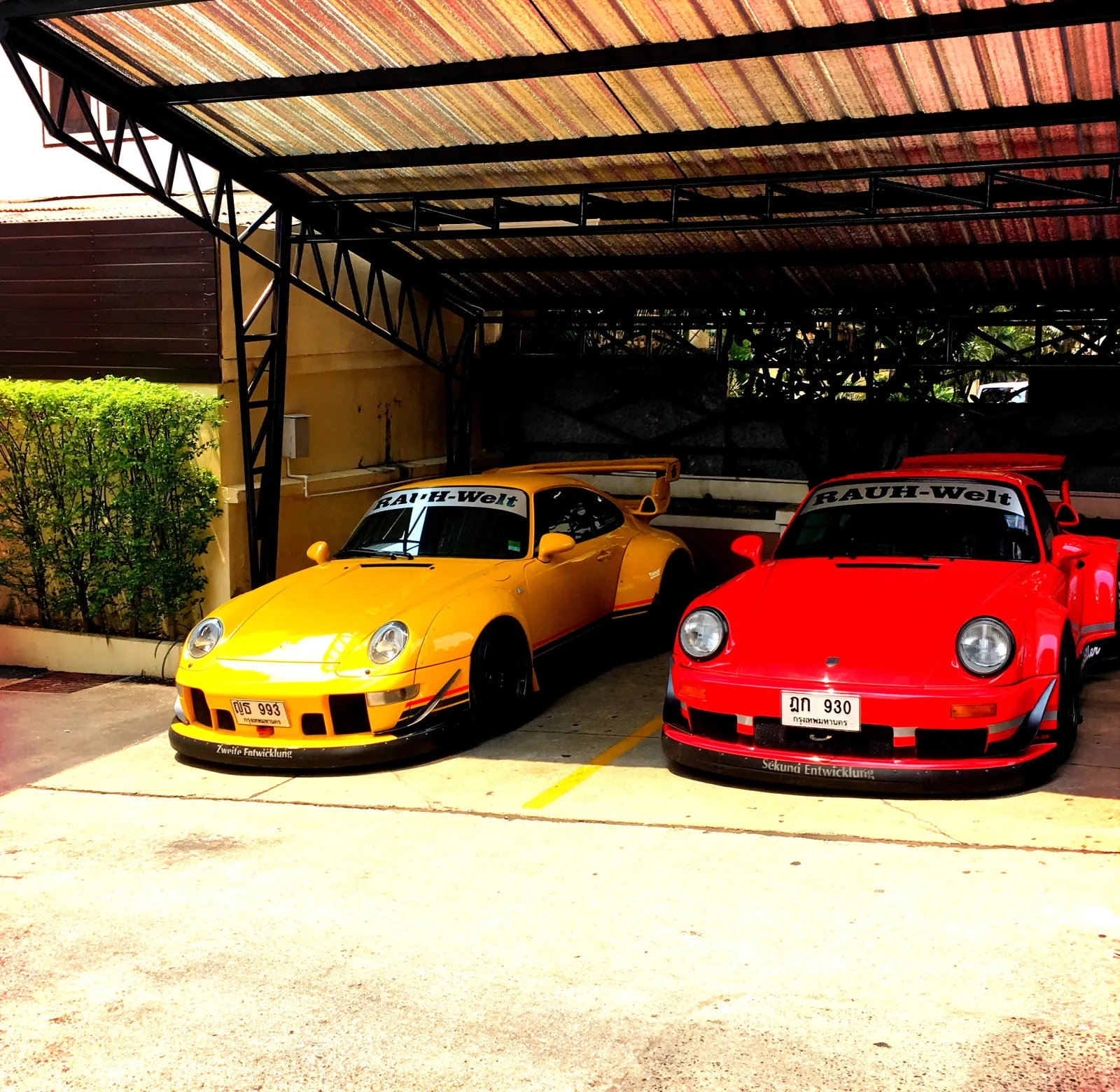
Even Liberty Walk’s Bangkok chapter features modified Porsches. Wide-body 911s with slammed stances highlight how Stuttgart blends into Thailand’s tuning aesthetic.
Challenges & Quirks
Gridlock Life
Bangkok’s congestion keeps performance cars crawling at 10 km/h by day. Most owners wait until midnight to unleash their machines on the expressways.
Import Duties
Because of high taxes, owning a Porsche is only for the very wealthy. Most car fans stick to modding Japanese cars and pickups.
The price gap all comes down to taxes. Bring in a Porsche 911, and the import duties can be so high that the cost easily triples compared to buying one overseas. That’s why spotting one in Bangkok feels like seeing a rolling status symbol.
Japanese cars, on the other hand, get a break thanks to local assembly and trade deals. They’re way more affordable. That is why most Thai car fans stick to modding Civics, Supras, and pickups instead of chasing million-baht exotics.
Climate and Roads
Heat, humidity, and rough rural roads influence mods. Cooling systems, rust-proofing, and suspension tweaks are essential for longevity.
EV Transition
The government’s EV push is bringing Porsche Taycans into Bangkok’s streets. This raises questions about how tuning culture will adapt to electric platforms.
Fun Facts
- Porsche ownership in Thailand is among the most expensive worldwide due to taxes.
- Thailand exports more pickups than any other country.
- Porsche Carrera Cup Asia races at Buriram, bringing factory-level Stuttgart racing to Thai fans.
- Car audio battles in Thailand can feature 30-foot speaker towers strapped to pickups.
- Civic EF “Conjo-style” racers and Porsche 911 SCs sometimes share the same garage.
Frequently Asked Questions (FAQs)
Why are Porsches so expensive in Thailand?
Porsches are expensive in Thailand because of import duties. These taxes can double or triple the price, making even base 911s cost over $300k.
Does Porsche have an active community in Thailand?
Yes, Porsche has an active community in Thailand. Porsche Club Thailand is highly active, with track days, charity drives, and exclusive Bangkok gatherings.
Do Porsches race in Thailand?
Yes, Porsches race in Thailand. The Porsche Carrera Cup Asia races at Chang Circuit, and GT3s and Caymans often run at Bira track days.
Which Porsche models are most popular in Thailand?
The most popular Porsche models in Thailand are the 911 Carrera, 911 Turbo, and GT3. While the Taycan is growing in popularity among EV adopters.
How do Porsches fit into Thai car culture?
Porsches fit into Thai car culture as the ultimate status symbol. While most fans mod Japanese cars or pickups, a Porsche is seen as the dream. It is rare, expensive, and powerful.
Final Thoughts
Thailand’s car culture is full of contrasts. On one side are JDM Civics and slammed pickups; on the other, Porsche 911s that stand as symbols of wealth and status. It’s a country where drag races light up backroads, supercars crawl through gridlock, and Porsche Carrera Cups share the track with local touring cars.
For Porsche fans, Thailand is fascinating. Here, Stuttgart’s finest are not just cars. They can be a status symbol, a collector’s prize, or a track weapon. The scene brings street culture and high society together.
Photo credit: Person-with-No Name, CC BY 2.0, via Wikimedia Commons, Tris T7, CC BY-SA 4.0, via Wikimedia Commons