Contents
- What Is the Classic Car Scene Like in Thailand?
- What Classic Cars Are Popular in Thailand?
- Where Can You See Classic Cars in Thailand?
- Can You Import a Classic Car to Thailand?
- What Is Classic Car Ownership Like in Thailand?
- Are There Classic Porsches in Thailand?
- Where Do You Service a Classic Car in Thailand?
- Renn Driver's Take
- FAQ
What Is the Classic Car Scene Like in Thailand?
The classic car scene in Thailand is small compared to the US or Europe but passionate and well organized. Bangkok is the center, with a handful of dedicated collectors who own multiple cars and a broader community of enthusiasts who drive classics on weekends and at events.
Thailand's tropical climate is a double edged factor for classic car ownership. The absence of road salt means that bodywork and undercarriages stay remarkably clean compared to cars in northern climates. A 1970s Mercedes that would be fighting terminal rust in Germany or the northern US can survive decades in Thailand with minimal corrosion. On the other hand, extreme heat and UV exposure degrade rubber seals, hoses, interior trim, and tires faster than temperate climates.
The community connects through Facebook groups, LINE chats, and a calendar of events that runs year round. The scene is welcoming to newcomers, and the barrier to entry is lower than many people assume. While certain models (air cooled Porsche 911s, first generation Ford Mustangs) command high prices, plenty of classic Japanese and European cars trade at accessible numbers.
What Classic Cars Are Popular in Thailand?
The classic car population in Thailand reflects the country's import history and the tastes of its collector community.
Mercedes Benz W123 and W124. These are probably the most common European classics in Thailand. The W123 (1976 to 1985) in particular is beloved for its indestructible reputation. Many were imported new during Thailand's economic boom in the 1980s. Finding parts is relatively easy through specialist dealers in Bangkok.
Volkswagen Beetle and Bus. Air cooled VWs have a dedicated following. The Beetle was assembled in Thailand during the 1960s and 1970s, which means a decent population survived. VW Bus enthusiasts hold regular meetups, and restored examples are popular at shows.
American muscle. Ford Mustangs, Chevrolet Camaros, and Dodge Challengers have collectors in Bangkok. These were never sold new in Thailand, so every example was privately imported. The community is small but committed, with some impressive restorations.
British roadsters. MG MGB, Triumph TR6, and Jaguar E-Type examples appear at events. The British car community is smaller than the German one but has its own meets and driving events.
Classic Japanese. Toyota 2000GT, Datsun 240Z, and first generation Honda Civic examples are prized. Classic Japanese cars have gained significant value globally in recent years, and the Thai market has followed that trend.
Where Can You See Classic Cars in Thailand?
Several events and venues bring classic cars together in Thailand throughout the year.
Impact Speed Classic is the largest classic car event in Thailand. Held at Impact Speed Park in the IMPACT Muang Thong Thani complex, it draws hundreds of classic vehicles from private collections across the country. The event includes a concours style display area, a swap meet for parts, and live entertainment.
Rising Sunday in Bangkok regularly attracts classic car owners alongside the supercar and modification crowds. Air cooled Porsches, vintage Mercedes, and the occasional classic American car show up alongside modern exotics.
Das Treffen is a Porsche and European car gathering at Das Haus BKK that draws air cooled 911s and vintage European cars. Curvistan Bangkok also hosts casual weekend meets where classics appear.
For the full calendar of shows and meets, see the Thailand car events directory.
Can You Import a Classic Car to Thailand?
Importing a classic car to Thailand follows the same tax structure as importing any other vehicle. There is no reduced duty or special exemption for vintage or antique cars. The Thailand car tax system applies the full 80% import duty, 30% to 50% excise tax, interior tax, and 7% VAT regardless of the car's age.
This means a classic Porsche 911 valued at $100,000 could cost $250,000 to $300,000 once all duties are paid. The tax structure is the single biggest barrier to growing the classic car scene in Thailand. Most classic cars currently in the country were either imported decades ago when duties were lower or brought in through diplomatic channels.
Some collectors have used the Board of Investment (BOI) promotional privileges or temporary import permits for show cars, but these are exceptions rather than a practical path for most buyers. The reality is that most classic car purchases in Thailand happen on the domestic secondhand market. For more detail on the import process, see our guide.
What Is Classic Car Ownership Like in Thailand?
Owning a classic car in Thailand presents unique challenges and advantages.
The heat. Bangkok regularly exceeds 35 degrees Celsius (95 degrees Fahrenheit) from March through May, with humidity above 80%. Air cooled engines run hotter, oil breaks down faster, and cooling systems are under constant stress. Many classic car owners in Thailand only drive in the cooler months (November through February) or restrict driving to mornings and evenings.
No rust. The absence of road salt is a genuine advantage. Classic cars in Thailand avoid the corrosion that destroys undercarriages, fenders, and floor pans in colder climates. A well maintained classic can hold its body condition for decades.
Rubber and seals. Heat and UV radiation accelerate the degradation of rubber components. Window seals, door gaskets, hoses, and suspension bushings need replacement more frequently than in temperate climates. Sourcing these parts can require international orders.
Storage. Climate controlled garages are not standard in Thailand but are essential for serious collectors. Heat and humidity damage leather interiors, wooden dashboards, and electrical components over time. Dehumidifiers and shade structures help, but dedicated air conditioned storage is the gold standard.
Insurance. Insurance for classic cars in Thailand is available but limited. Most standard auto insurers do not offer agreed value policies for classics. Some owners use international specialty insurers or self insure.
Are There Classic Porsches in Thailand?
Classic Porsches exist in Thailand, though they are rarer than in the US or Europe. The community is concentrated in Bangkok and connects through Porsche Club Thailand events, cafes like Curvistan Bangkok, and private gatherings.
Air cooled 911s from the 1970s and 1980s are the most prized. Long hood models (pre 1973) are extremely rare in Thailand. G body 911s (1974 to 1989) and 964s (1989 to 1994) are the most commonly seen classic 911 variants at events. A few 911 SC and Carrera RS 2.7 examples have surfaced at Thai shows over the years.
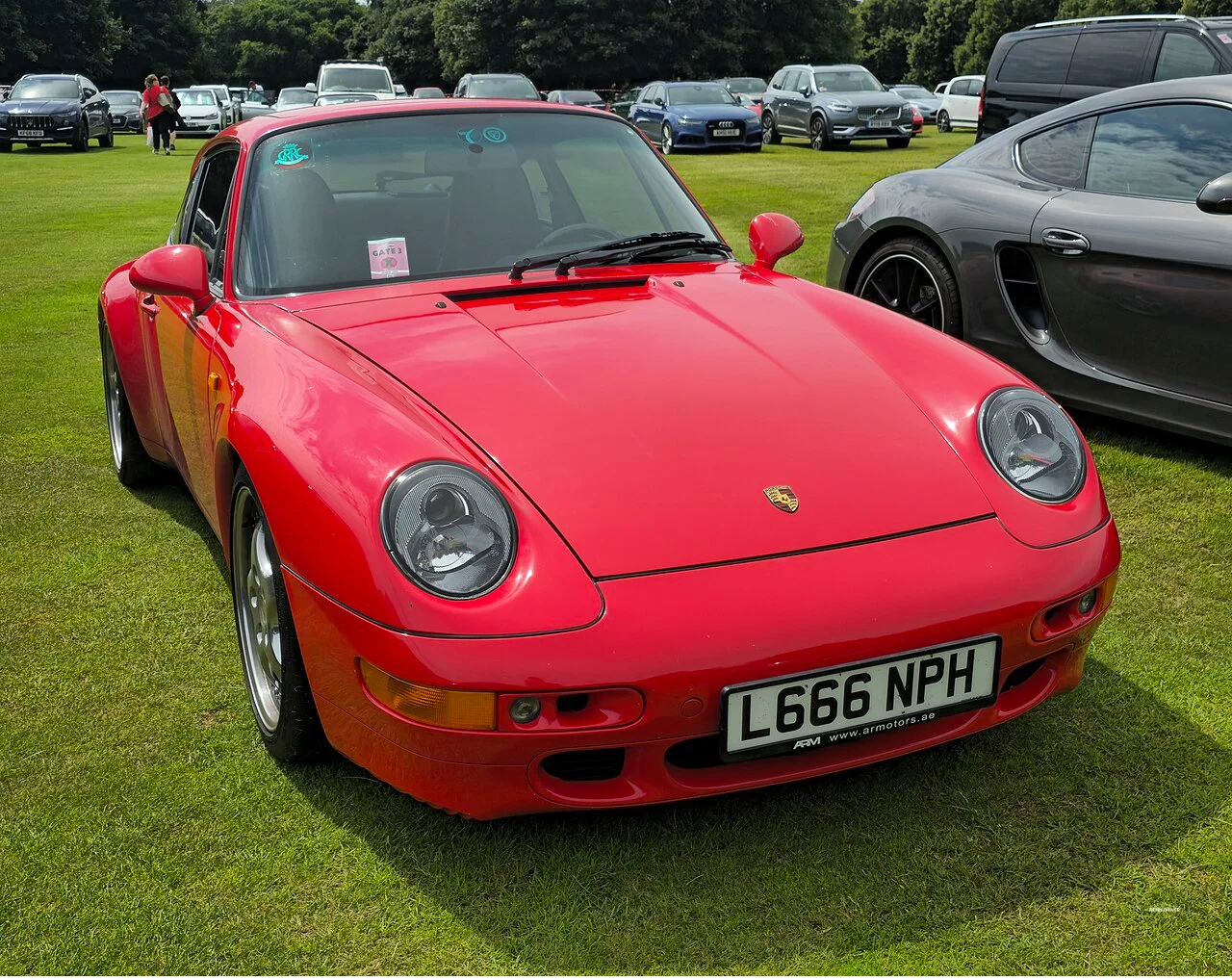
The 993 generation (1993 to 1998), the last air cooled 911, occupies a sweet spot in the Thai market. Prices have climbed globally but examples still trade in Thailand, often through private sales or the Porsche Club Thailand network. For the air cooled versus water cooled debate, see the comparison guide.
Where Do You Service a Classic Car in Thailand?
Bangkok has a small number of workshops capable of servicing and restoring classic cars. These range from general vintage car specialists to marque specific shops.
For Porsche specifically, the independent Porsche workshops guide covers shops that handle air cooled and water cooled models. Some of these specialists have experience with 911 engine rebuilds, gearbox overhauls, and electrical restoration work.
General classic car workshops in Bangkok handle Mercedes, VW, and British classics. Parts sourcing often requires international ordering from Germany, the UK, or the US. Lead times of two to four weeks for shipped parts are normal. Some shops maintain stock of common consumables (filters, belts, brake pads) for the most popular models.
Thai mechanics are known for their resourcefulness. Where a Western shop might replace an entire assembly, a Thai mechanic will often rebuild, fabricate, or adapt a solution at a fraction of the cost. This ingenuity is valuable for classic cars where parts are discontinued or prohibitively expensive.
Renn Driver's Take
I have not driven this car yet. When I do, this section will have my honest take on what it is actually like to live with and drive.
FAQ
Is there a classic car scene in Thailand?
Thailand has a growing classic car scene centered in Bangkok. Events like Impact Speed Classic draw hundreds of vintage vehicles. The community connects through Facebook groups, LINE chats, and regular meets at venues like Curvistan Bangkok and Das Haus BKK.
Can you import a classic car to Thailand?
Yes, but there is no tax break for vintage vehicles. Classic cars face the same 80% import duty, 30% to 50% excise tax, and 7% VAT as new imports. The combined tax burden can push the landed cost to three times the car's value.
Are classic cars expensive in Thailand?
Import taxes make any car brought into Thailand expensive. Classic cars already registered in the country trade at a premium because they avoid the import process. Air cooled Porsche 911s and first generation Ford Mustangs command the highest prices. Classic Mercedes W123s and VW Beetles are more accessible.
What classic Porsches exist in Thailand?
Air cooled Porsche 911s from the 1970s and 1980s are the most prized. G body 911s and 964s are the most commonly seen at events. Long hood models (pre 1973) are extremely rare. The 993, the last air cooled 911, also has a following in the Thai market.
Is the climate good for classic cars?
Thailand's tropical climate has pros and cons. No road salt means minimal rust, which is a major advantage for body preservation. The extreme heat (regularly above 35 degrees Celsius) accelerates rubber and seal degradation and stresses cooling systems. Climate controlled storage is essential for serious collectors.