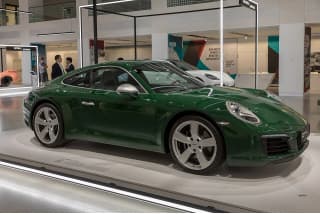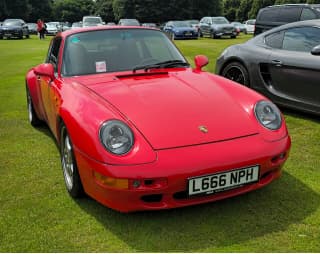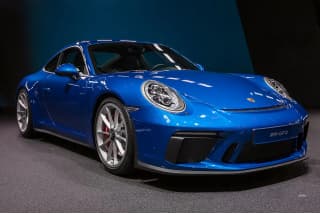
The Porsche 912 was Porsche’s entry-level sports car from 1965 to 1969. It wrapped the new 911 body around a 1.6-liter flat-four carried over from the 356. That kept it lighter and far cheaper than the six-cylinder 911. Porsche built roughly 32,000 of them, then revived the name once more with the fuel-injected 912E in 1976.
In this article, we’ll explain the Porsche 912, Porsche’s four-cylinder entry-level 911 sibling. We’ll cover its engine, body styles, the 912E, and current values.
Contents
- 1 Quick Summary
- 2 What Is the Porsche 912
- 3 Why Porsche Built a Four-Cylinder Model
- 4 Flat-Four Engine and Gearbox
- 5 Performance and Driving Character
- 6 Porsche 912 vs Porsche 911
- 7 Body Styles: Coupe and Targa
- 8 The 912E: The 1976 Revival
- 9 Owning and Buying a Porsche 912
- 10 Porsche 912 Values Today
- 11 Frequently Asked Questions
Quick Summary
- Production run: Built from 1965 to 1969, with about 32,000 examples made, including roughly 2,500 Targas.
- Engine: Type 616/36 air-cooled 1.6-liter flat-four carried over from the 356, rated around 90 hp (102 SAE hp at 5,800 rpm in US trim).
- Performance: Top speed near 114 mph with 0 to 62 mph in about 13.5 seconds.
- Weight: Curb weight of about 965 kg (2,127 lb), lighter than the six-cylinder 911.
- Fuel economy: Returns up to 30 miles per US gallon with the standard four-speed or optional five-speed gearbox.
- The 912E revival: A 1976 US-only version with a 2.0-liter fuel-injected flat-four shared with the 914; just 2,092 were built.
- Values today: Average sale price sits near $51,000, with tracked sales ranging from under $20,000 for drivers to six figures for the best examples.
- Buying advice: Rust in the floors, front trunk, battery box, and windscreen/headlight areas is the biggest risk to check before purchase.
What Is the Porsche 912
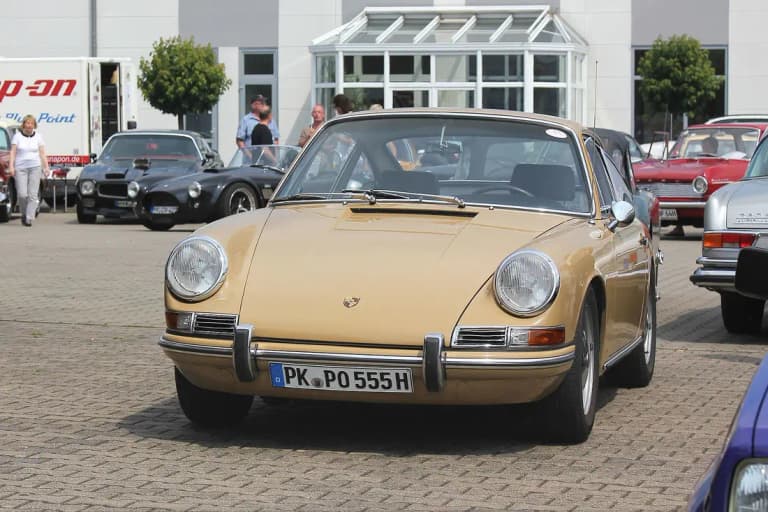
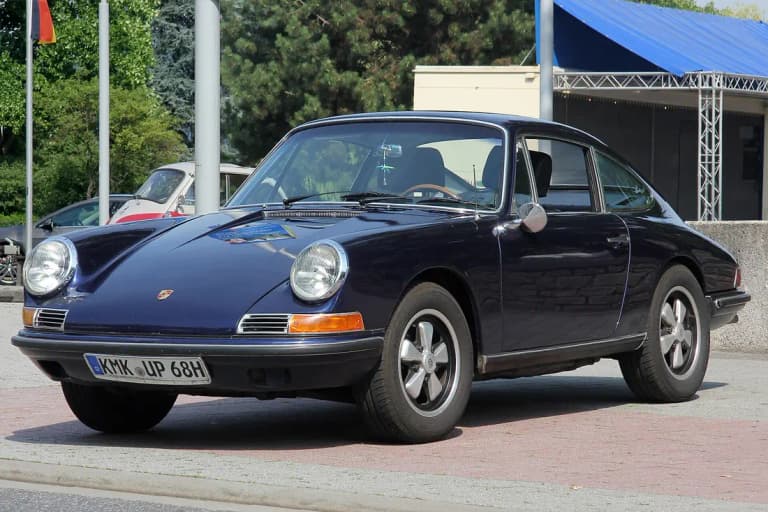
The Porsche 912 was the cheapest Porsche model of its day, built to keep customers in the showroom when the 911 launched at a much higher price. It looked almost exactly like the early 911, because it used the same body and the same chassis. The key difference sat behind the rear axle: a four-cylinder engine instead of the 911’s flat-six.
A 911 Body With a 356 Engine
Porsche took the shape of the new 911 and fitted the air-cooled flat-four from the outgoing 356 SC. The result was a genuine Porsche that cost less to buy and less to run. It kept the elegant lines and the balanced feel while trading two cylinders for a lower price.
The Entry Porsche of the 1960s
For many buyers, the 912 was their first Porsche. It offered the look and the badge of the 911 at a price closer to a well-equipped sedan. That accessibility made it a strong seller and gave a whole generation of drivers a way into the brand.
Why Porsche Built a Four-Cylinder Model
Porsche did not build the 912 as an afterthought. It filled a real hole in the lineup and kept the factory busy while the 911 found its feet.
Filling the Gap the 356 Left
When the 356 ended, Porsche needed an affordable model to keep loyal buyers. The 911 was a big step up in price, so the four-cylinder 912 slotted in underneath it. This preserved the classic car formula of the 356 while moving to the modern body.
The 912 That Outsold the 911
At first, the cheaper car sold better than the flagship. By the end of 1965, Porsche produced 6,401 examples of the 912, nearly double the 3,390 911s built that year, according to production records. Those sales funded the young 911 program during a fragile period. The 911T later took over as the entry six-cylinder model when the 912 was retired.
Flat-Four Engine and Gearbox
The engine is what sets the 912 apart from every other early Porsche. It is simple, tough, and closely tied to the 356 that came before it.
The Type 616/36 Engine
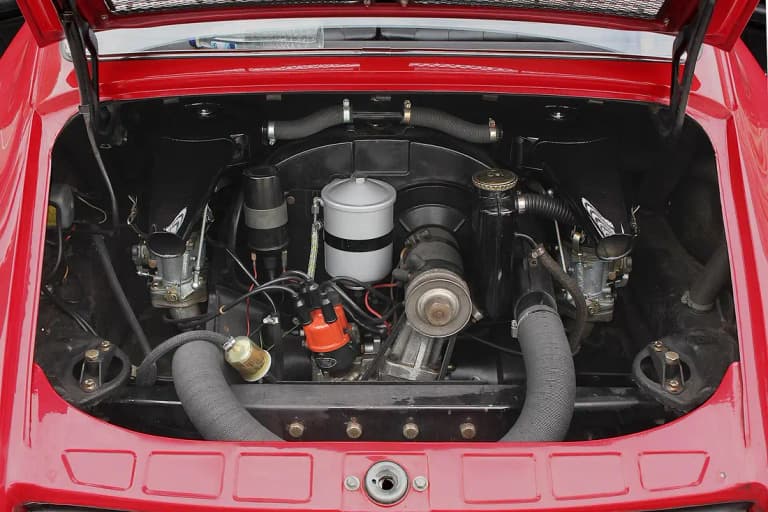
The 912 used the Type 616/36 air-cooled flat-four, a 1.6-liter unit with twin Solex carburetors. Porsche rated it at around 90 hp, or 102 SAE horsepower at 5,800 rpm in US trim, per Porsche’s own history of the model. That is modest power, but the engine is famously durable and shares much of its parts network with the 356.
Transmission and Fuel Economy
A four-speed manual was standard, and a five-speed gearbox was an option that many buyers chose. The light four cylinder sips fuel, returning up to 30 miles per US gallon. That frugality was a real selling point in the 1960s and still makes the 912 an easy classic to drive far.
Performance and Driving Character
The 912 is not fast in a straight line, and it was never meant to be. Its appeal is lightness, balance, and the way it flows down a road.
Weight, Balance, and Handling
The flat-four is lighter than the flat-six, so the 912 carries less weight over the rear axle. That gives it better balance than the early six-cylinder car, which could feel nervous at the limit. Many enthusiasts call the 912 the more nimble and forgiving car to drive hard. Curb weight is about 965 kg, or 2,127 lb.
Speed and Real-World Pace
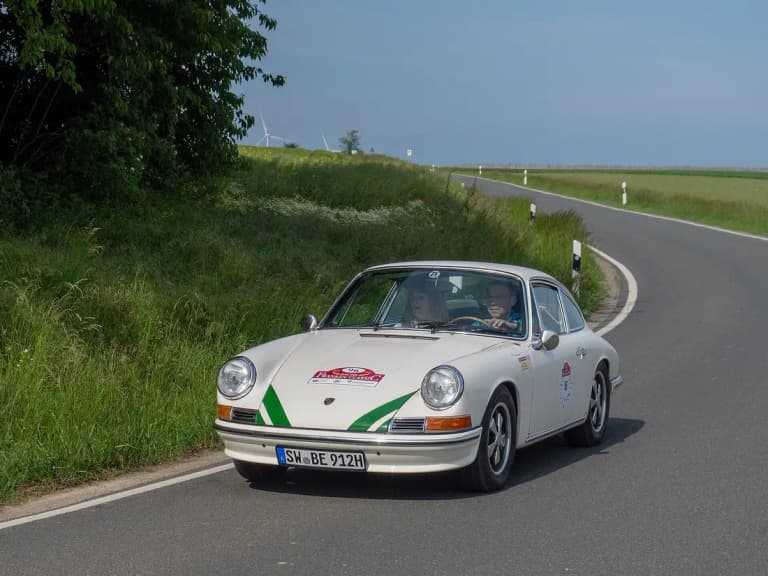
Porsche quotes a top speed near 114 mph and 0 to 62 mph in about 13.5 seconds, figures confirmed in period 912 specifications. On a twisty back road the vehicle feels quicker than those numbers suggest. A narrow body, unassisted steering, and an eager chassis reward smooth, committed driving.
Porsche 912 vs Porsche 911
The 912 and the 911 are close cousins. They look nearly identical, yet they drive and sell very differently.
Same Chassis, Less Weight
Both cars share the body, the cabin, and the suspension. The 912 simply swaps the six for a four, which cuts weight off the tail. That single change alters the balance and, for many drivers, improves the handling. The story sits at the heart of the early 911, which you can trace across the 911 generations.
Cheaper to Buy and Own
When new, the 912 was much cheaper than the 911, and that gap still shapes the market. Values remain lower than equivalent early 911s, though the difference keeps shrinking. Running costs are gentler too, since the flat-four is simpler and more economical.
Body Styles: Coupe and Targa
Porsche offered the 912 in two body styles. Both share the same mechanicals, so the choice comes down to the roof and the character you want.
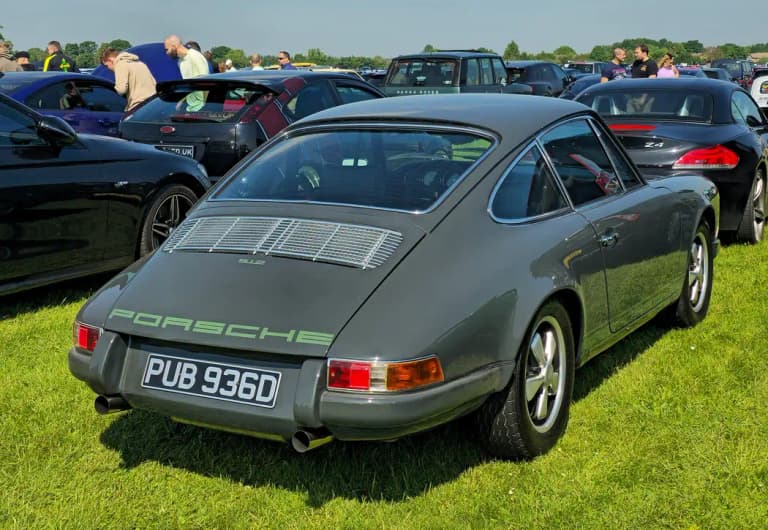
The 912 Coupe
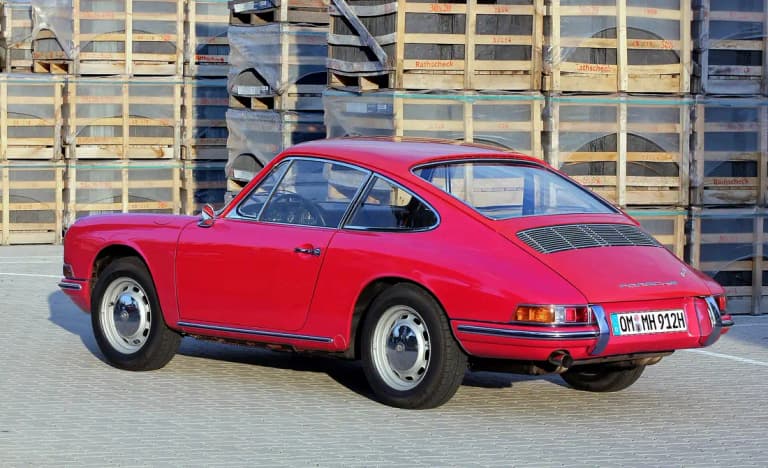
The coupe was the volume seller and the purest shape. It is the most weatherproof choice and the easiest to find today. A clean coupe is the classic way into 912 ownership and the body most buyers picture first.
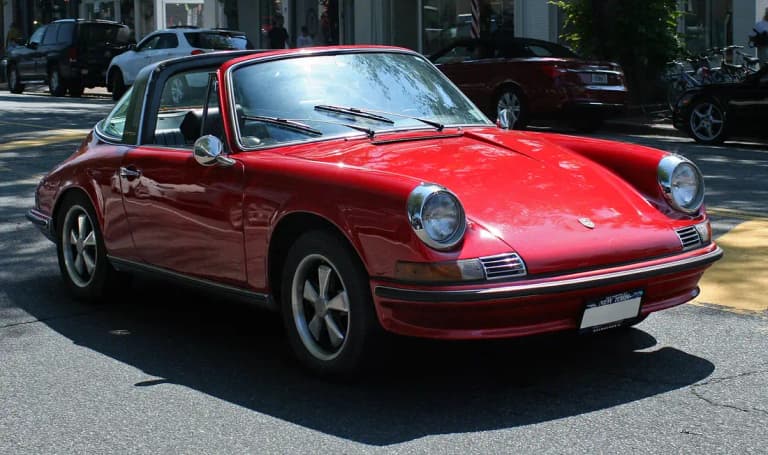
The 912 Targa
From 1967, Porsche added the 912 Targa, with its distinctive stainless steel roll bar and a removable roof panel. It gave open-air driving without a full convertible. Targas are rare next to the coupe. Only about 2,500 were built across the run, so they carry a premium, as the 912 model breakdown shows.
Dashboards and Trim Changes
Early cars used a simpler three-gauge dashboard, while a five-gauge layout matching the 911 became standard on later models. The interior is spare and honest, with clear dials and a thin-rimmed wheel. That simple cabin is a big part of the car’s charm.
The 912E: The 1976 Revival
Porsche brought the 912 name back one last time in the mid-1970s. This version, the 912E, is a very different and much rarer car.
A One-Year Bridge Model
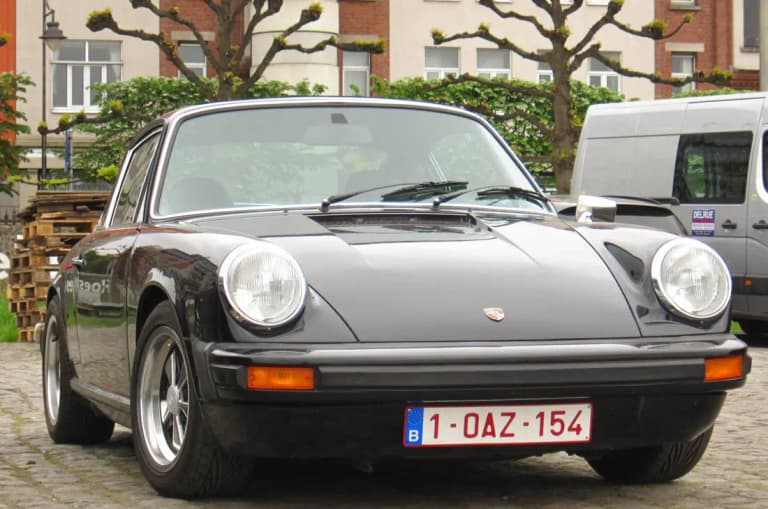
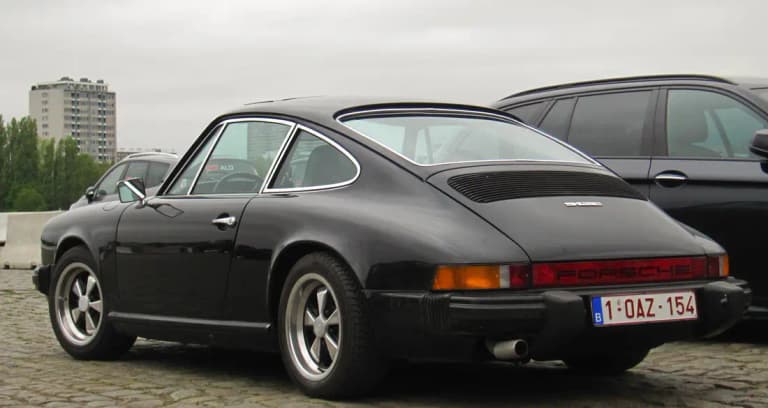
The 912E existed to bridge a gap in the US range. The 914 was ending and the 924 was not ready, so Porsche needed a cheaper model to sell alongside the 911. Just 2,092 units were built from May 1975 to July 1976, all for the United States, per the 912E production record. That short run makes it among the rarest air-cooled Porsches.
The Fuel-Injected Type 4 Engine
The E in 912E stands for Einspritzung, the German word for fuel injection. It used a 2.0-liter flat-four shared with the 914, fed by Bosch L-Jetronic injection and rated near 90 SAE horsepower. Its big fuel tank and long range suited the fuel-conscious mid-1970s market.
Owning and Buying a Porsche 912
A 912 is an approachable way into classic Porsche ownership. It still needs the usual careful checks before you buy.
Rust and Bodywork
Rust is the biggest risk on any early car. Check the floors, the front trunk, the battery box, and the areas around the windscreen and headlights. Sound, original metal is worth far more than heavy filler and patches. A pre-purchase inspection by a specialist is money well spent.
Mechanical Parts and Support
It is robust and well understood. Because the design descends from the 356, it shares a deep parts and specialist network with that earlier car. Any competent air-cooled mechanic can maintain it, which keeps the 912 usable and relatively affordable to run.
Porsche 912 Values Today
The 912 has moved from cheap 911 substitute to respected classic in its own right. Prices vary widely with body style, year, and condition.
Current Price Ranges
The average sale price of a 912 sits near $51,000, based on tracked auction and dealer data at Classic.com. Tracked sales there span from under $20,000 for rough drivers to six figures for the best restored examples. Targas carry a premium over coupes thanks to the smaller production run. The 912E generally trades below the 1960s cars, though clean survivors have been climbing.
Why Values Have Climbed
Many 912s stayed owned by long-term enthusiasts who rallied and even track-day drove them. Then, as air-cooled 911 prices exploded, buyers looked to the 912 for a cheaper way into the same body. That demand pulled 912 values up in its wake. The best cars now sell for money that would have looked absurd a decade ago, and clean originals stay in strong demand.
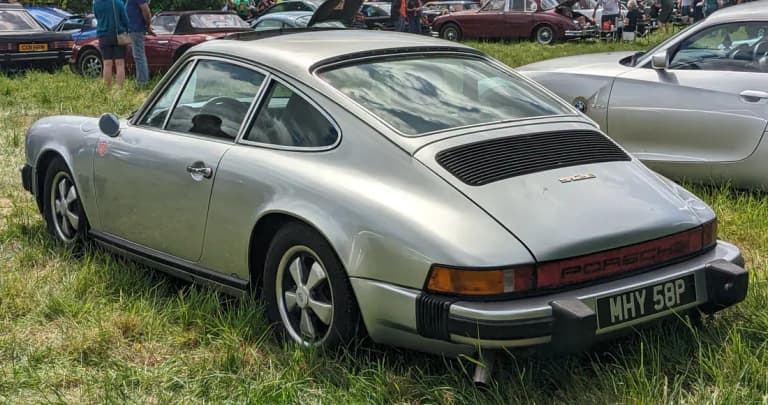
Placed against the wider early Porsche range, the 912 sits between the 356 that gave it an engine and the 911 that gave it a body. It remains one of the most honest and usable classics the brand ever built.
Frequently Asked Questions
What is a Porsche 912?
The Porsche 912 is a four-cylinder sports car built from 1965 to 1969. It used the 911 body and chassis but a 1.6-liter air-cooled flat-four from the 356, which made it cheaper than the six-cylinder 911.
How many Porsche 912s were made?
Porsche built about 32,000 912s between April 1965 and July 1969, including roughly 2,500 Targas. A second version, the fuel-injected 912E, added 2,092 more cars in 1976 for the US market.
Is a Porsche 912 a real Porsche?
Yes. The 912 was designed, built, and sold by Porsche as its entry model. It shares the body, chassis, and cabin with the early 911, and it outsold the 911 in its first years on the market.
What is the difference between a 912 and a 912E?
The 1965 to 1969 912 used a 1.6-liter carbureted flat-four from the 356. The 1976 912E used a 2.0-liter fuel-injected flat-four shared with the 914, and it was sold only in the United States.
Is the Porsche 912 a good investment?
The 912 has climbed steadily as early 911 values rose. Good driver-quality cars trade in the tens of thousands, and clean, original examples reach into six figures. Condition and matching numbers drive the price.
How fast is a Porsche 912?
The original 912 reaches about 114 mph and takes roughly 13.5 seconds to hit 62 mph. It is slow by modern standards, but light weight and sharp handling make it feel lively on a back road.
Images: Hero front view, flat-four engine bay, , blue coupe, and red coupe rear by Lothar Spurzem, CC BY-SA 2.0 DE. White coupe driving by Reinhold Möller, CC BY-SA 4.0. Grey coupe rear by Calreyn88, CC BY-SA 4.0. 912 Targa by Mr.choppers, CC BY-SA 3.0. 912E front and 912E rear by Rutger van der Maar, CC BY 2.0. Silver 912E by Calreyn88, CC BY-SA 4.0. Via Wikimedia Commons. Value figures are 2026 market estimates and vary with condition, originality, and provenance.