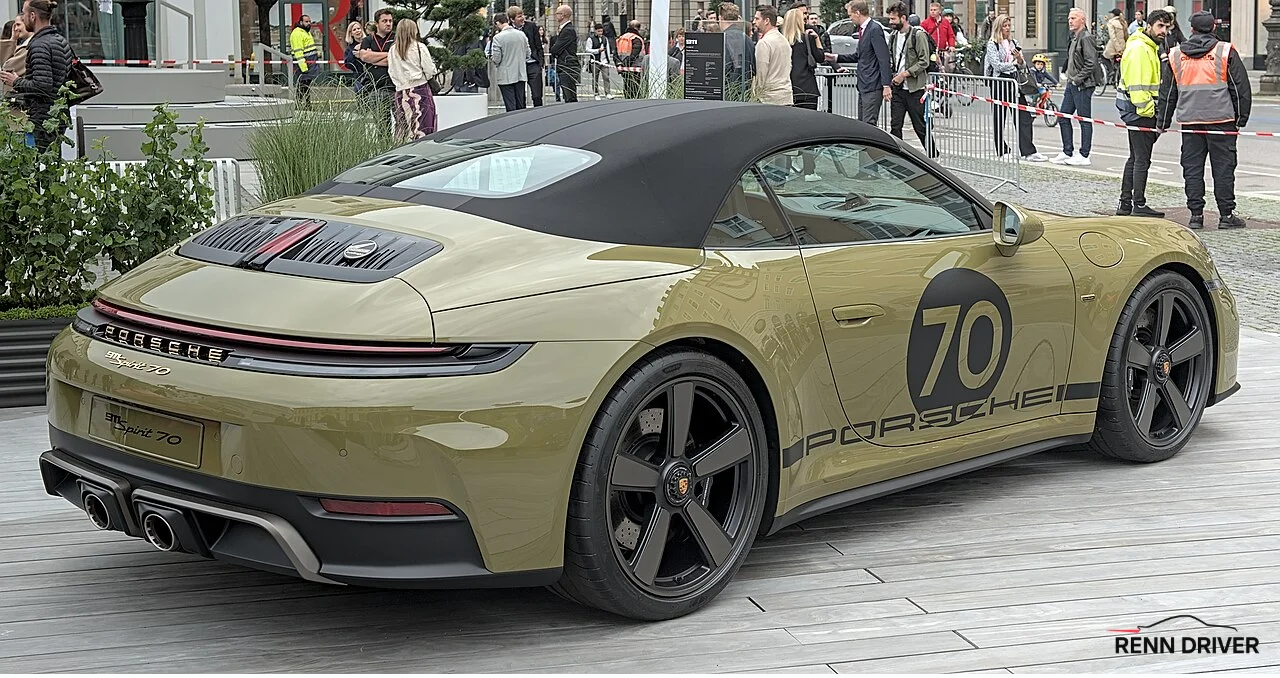
The Porsche 992.2 is the mid-cycle refresh of the eighth-generation 911, revealed in May 2024. It introduced the first hybrid powertrain in the 911's 60-year history through the GTS T-Hybrid, which pairs a new 3.6L flat-six with an integrated electric motor for 534 hp. Power across the lineup ranges from 389 hp in the base Carrera to 701 hp in the Turbo S, and all non-GT models now use a new 8-speed PDK.
This guide covers every 992.2 variant from the base Carrera to the Turbo S, how the T-Hybrid system works, what changed from the 992.1, and what it all costs.
Contents
Quick Summary
- Model years: 2025 (Carrera, GTS, GT3), 2026 (Turbo S)
- Engine range: 3.0L twin-turbo (Carrera/S) to 3.6L twin-turbo hybrid (Turbo S)
- Power range: 389 hp (Carrera) to 701 hp (Turbo S)
- Headline feature: First-ever hybrid 911 (GTS T-Hybrid, 534 hp)
- Transmission: New 8-speed PDK (Carrera/GTS/Turbo S), 6-speed manual or 7-speed PDK (GT3 only)
- Body styles: Coupe, Cabriolet, Targa across the lineup
- What defines it: The generation where the 911 went hybrid
The full guide below covers all the details.
What Is the 992.2?
The 992.2 is not a new generation. It is the mid-life facelift of the 992 that Porsche introduced in 2019, following the same pattern Porsche has used since the 997: release the base car, then update it halfway through the production cycle with revised styling, updated powertrains, and lessons learned from the first run.
Porsche revealed the 992.2 Carrera GTS on May 28, 2024, leading with the T-Hybrid as the flagship announcement. The base Carrera launched alongside it. The Carrera S followed in January 2025, the Carrera 4S and Targa 4S in July 2025, and the GT3 in October 2024. The Turbo S debuted at the 2025 Munich Auto Show as a 2026 model.
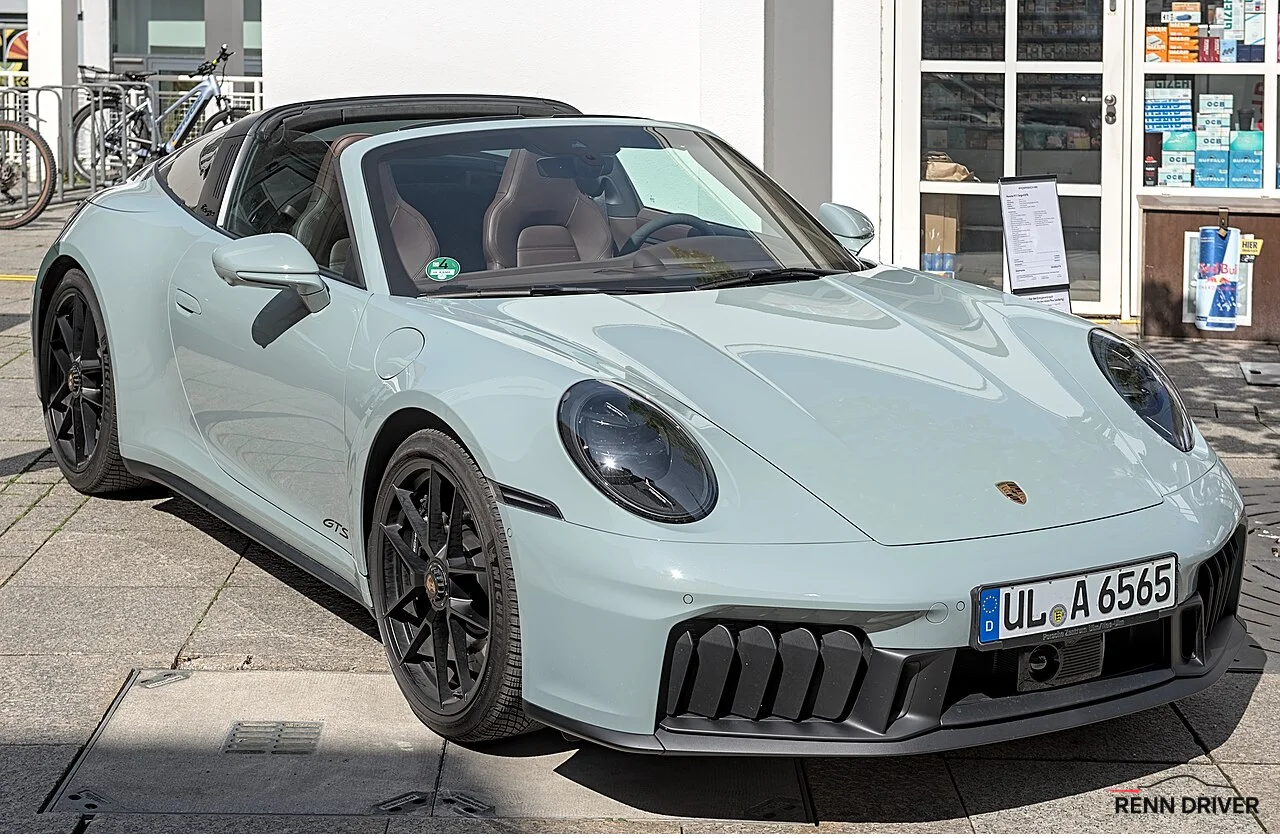
The 992.2 is significant for one reason above all others: it is the first production 911 with a hybrid powertrain. Every prior 911, across eight generations and 60 years, was purely combustion. The T-Hybrid changes that.
The T-Hybrid System
The GTS T-Hybrid is not a plug-in hybrid. It is a performance hybrid designed to add power and torque, not electric range.
How It Works in the GTS
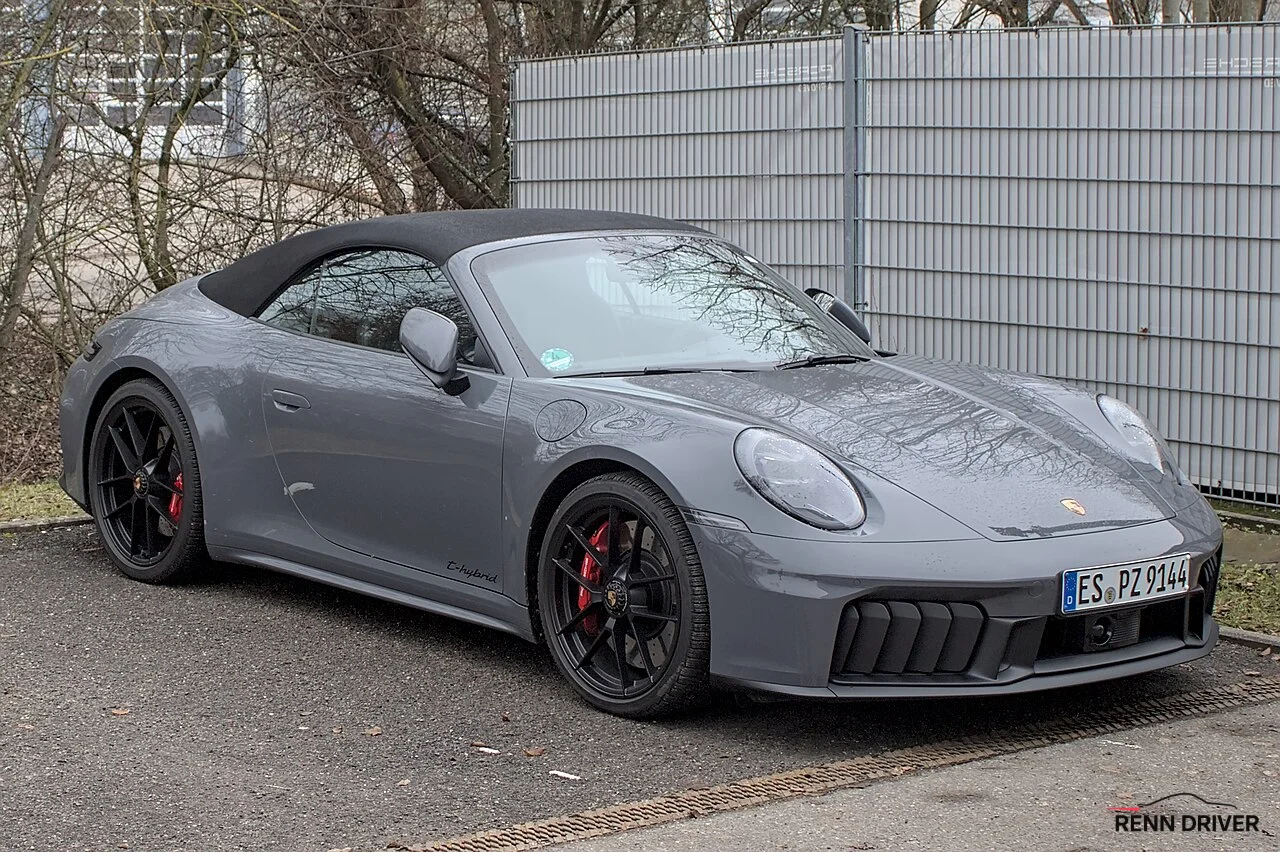
Porsche dropped the 992.1 GTS's 3.0L twin-turbo engine and replaced it with an entirely new 3.6L single-turbo flat-six. A permanent magnet electric motor sits integrated into the new 8-speed PDK transmission. A compact 1.9 kWh lithium-ion battery, liquid-cooled and 50 times smaller than the one in the electric Macan, powers the system.
Combined output is 534 hp and 450 lb-ft of torque. The engine contributes 420 lb-ft on its own, and the electric motor adds up to 111 lb-ft. Full torque is available from 1,500 rpm, which eliminates the low-end lag that twin-turbo flat-sixes are known for.
The weight penalty is 104 lbs over a comparable non-hybrid setup. Porsche argues the performance gains more than offset the added mass: the GTS Coupe hits 60 mph in 3.0 seconds and lapped the Nurburgring Nordschleife in 7:16.9, roughly 8.7 seconds faster than the 992.1 GTS despite being heavier.
How It Works in the Turbo S
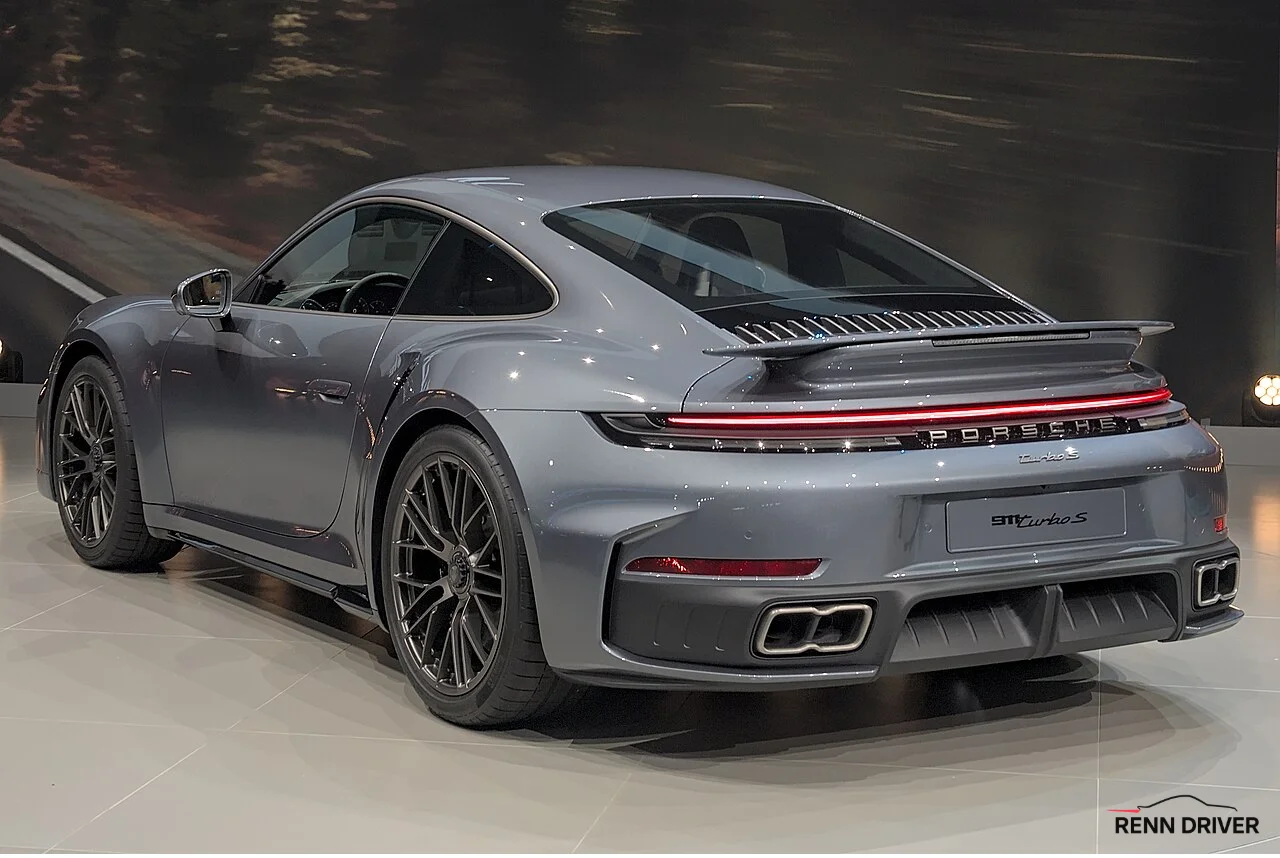
The Turbo S uses a different hybrid architecture. Instead of a single turbo with an e-motor in the transmission, the Turbo S keeps its twin-turbo layout but adds electrically assisted turbochargers (eTurbos). Each turbo has a small electric motor that spins the compressor wheel before exhaust gases take over, eliminating turbo lag almost entirely.
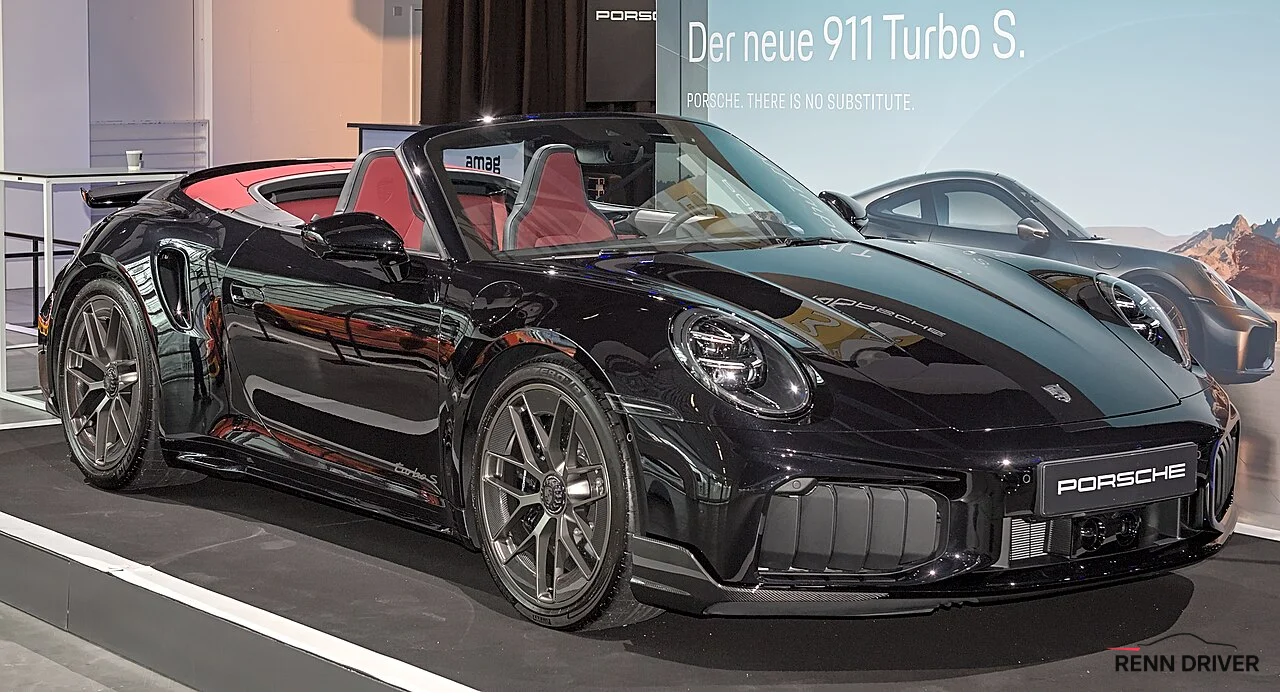
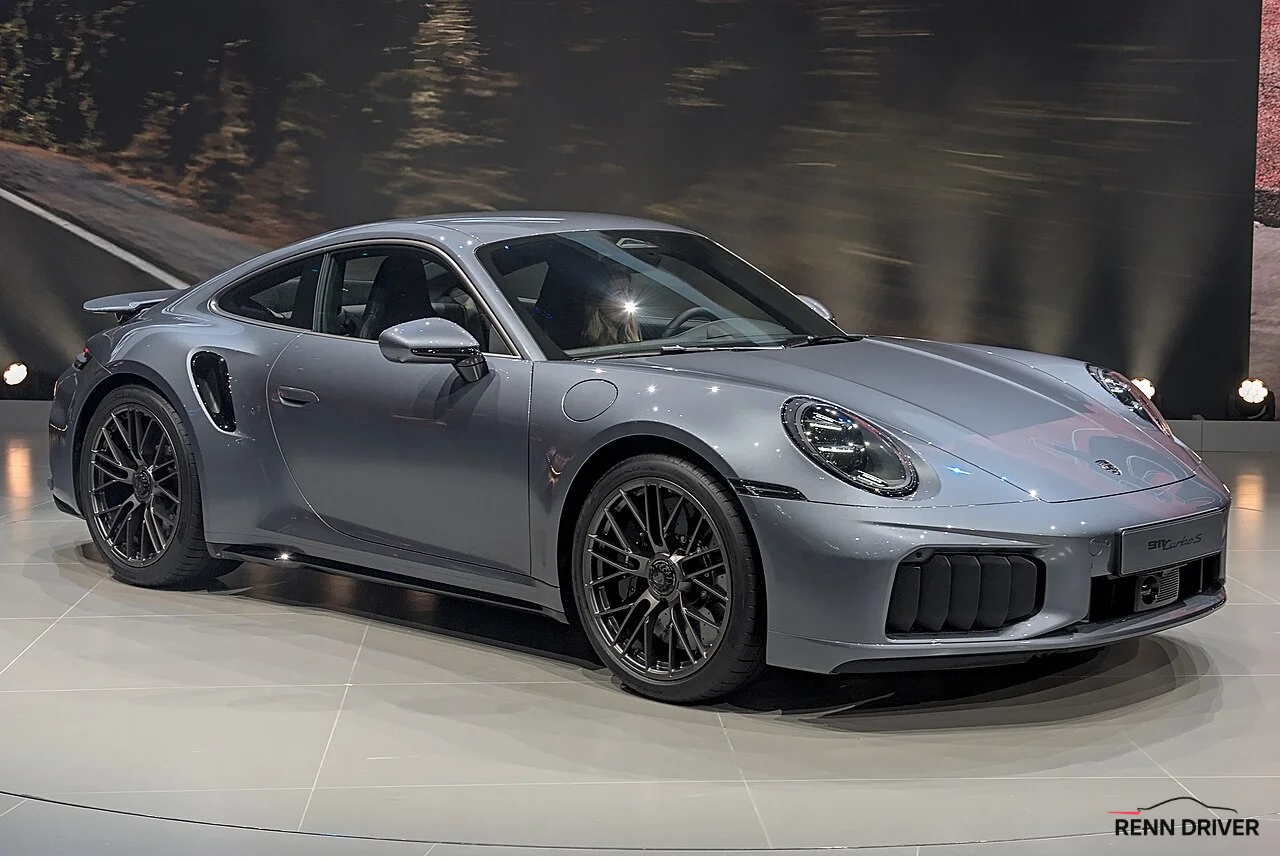
The system runs at 400 volts. Combined output is 701 hp and 590 lb-ft of torque, with an 85 lb weight penalty over the 992.1 Turbo S. The result is a 2.5-second 0-60 time and a 200 mph top speed. Around the Nurburgring, the 992.2 Turbo S ran a 7:03.9, 14 seconds faster than its predecessor.
Every 992.2 Model
| Model | Engine | Power | Torque | 0–60 | Top Speed | Transmission |
|---|---|---|---|---|---|---|
| Carrera | 3.0L twin-turbo | 389 hp | 331 lb-ft | 3.7s | 183 mph | 8-speed PDK |
| Carrera Cabriolet | 3.0L twin-turbo | 389 hp | 331 lb-ft | 3.9s | 181 mph | 8-speed PDK |
| Carrera S | 3.0L twin-turbo | 473 hp | 391 lb-ft | 3.3s | 191 mph | 8-speed PDK |
| Carrera 4S / Targa 4S | 3.0L twin-turbo | 473 hp | 391 lb-ft | 3.3s | 191 mph | 8-speed PDK |
| GTS Coupe | 3.6L hybrid | 534 hp | 450 lb-ft | 3.0s | 194 mph | 8-speed PDK |
| GTS Cabriolet | 3.6L hybrid | 534 hp | 450 lb-ft | 3.1s | 192 mph | 8-speed PDK |
| Targa 4 GTS | 3.6L hybrid | 534 hp | 450 lb-ft | 3.1s | 190 mph | 8-speed PDK |
| GT3 | 4.0L NA | 503 hp | 332 lb-ft | 3.2s | 193 mph | 7-speed PDK / 6-speed manual |
| GT3 Touring | 4.0L NA | 503 hp | 332 lb-ft | 3.2s | 194 mph | 7-speed PDK / 6-speed manual |
| Turbo S | 3.6L twin-turbo hybrid | 701 hp | 590 lb-ft | 2.5s | 200 mph | 8-speed PDK |
The GT3 and GT3 Touring are the only 992.2 models that offer a manual transmission. They are also the only models that retain the 7-speed PDK rather than switching to the new 8-speed unit. For the full GT3 breakdown, see the 992.2 GT3 guide.
Body style availability: the Carrera, Carrera S, and GTS come in Coupe and Cabriolet. The Targa is available as the 4S and 4 GTS. The Turbo S comes in Coupe and Cabriolet. The GT3 is Coupe only.
What Changed from the 992.1
| Area | 992.1 | 992.2 |
|---|---|---|
| GTS engine | 3.0L twin-turbo, 473 hp | 3.6L single-turbo hybrid, 534 hp |
| Turbo S engine | 3.8L twin-turbo, 640 hp | 3.6L twin-turbo + eTurbos, 701 hp |
| Carrera power | 379 hp | 389 hp |
| Carrera S power | 443 hp | 473 hp |
| PDK (non-GT) | 7-speed | 8-speed |
| Hybrid system | None | T-Hybrid (GTS), eTurbos (Turbo S) |
| GT3 power | 502 hp | 503 hp (unchanged) |
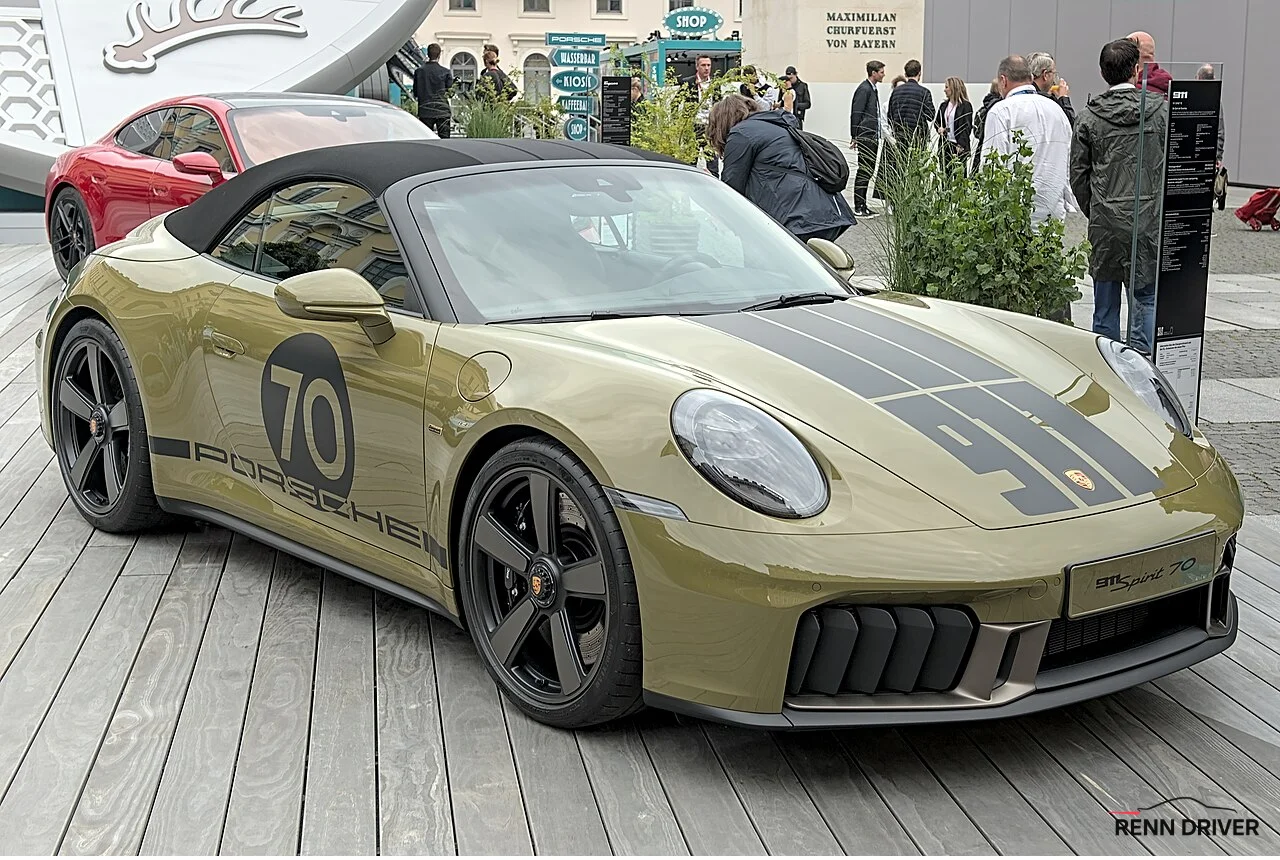
| Headlights | 992.1 design | Updated LED signature with integrated indicators |
The base Carrera gains 10 hp. The Carrera S jumps from 443 hp to 473 hp. The GTS makes the biggest leap, going from 473 hp to 534 hp with the hybrid system. The Turbo S gains 61 hp.
The GT3 is essentially unchanged mechanically. The same 4.0L naturally aspirated flat-six, the same manual and PDK options, the same rear-wheel drive layout. The main updates are GT3 RS aero bars, 10% stiffer front springs, and the availability of a Weissach Package for the first time. The full breakdown is in the 992.2 GT3 guide.
Models That Stayed 992.1
Not every 992 model received a facelift. These cars were produced exclusively as 992.1 variants:
- GT3 RS — No 992.2 version announced
- 911 Dakar — Limited to 2,500 units, all 992.1
- 911 S/T — Limited to 1,963 units, all 992.1
- Sport Classic — Limited to 1,250 units, all 992.1
- Carrera T — No 992.2 version confirmed
- Standard Turbo (non-S) — Not announced for 992.2
These were all limited production runs or niche variants. Porsche typically does not carry these forward into the facelift cycle.
Design and Interior
The 992.2 brings updated headlights with a new LED signature and front indicators integrated into the headlight housing rather than sitting in the bumper. The front bumper itself is revised across the lineup, with model-specific variations for the Carrera, GTS, and Turbo S.
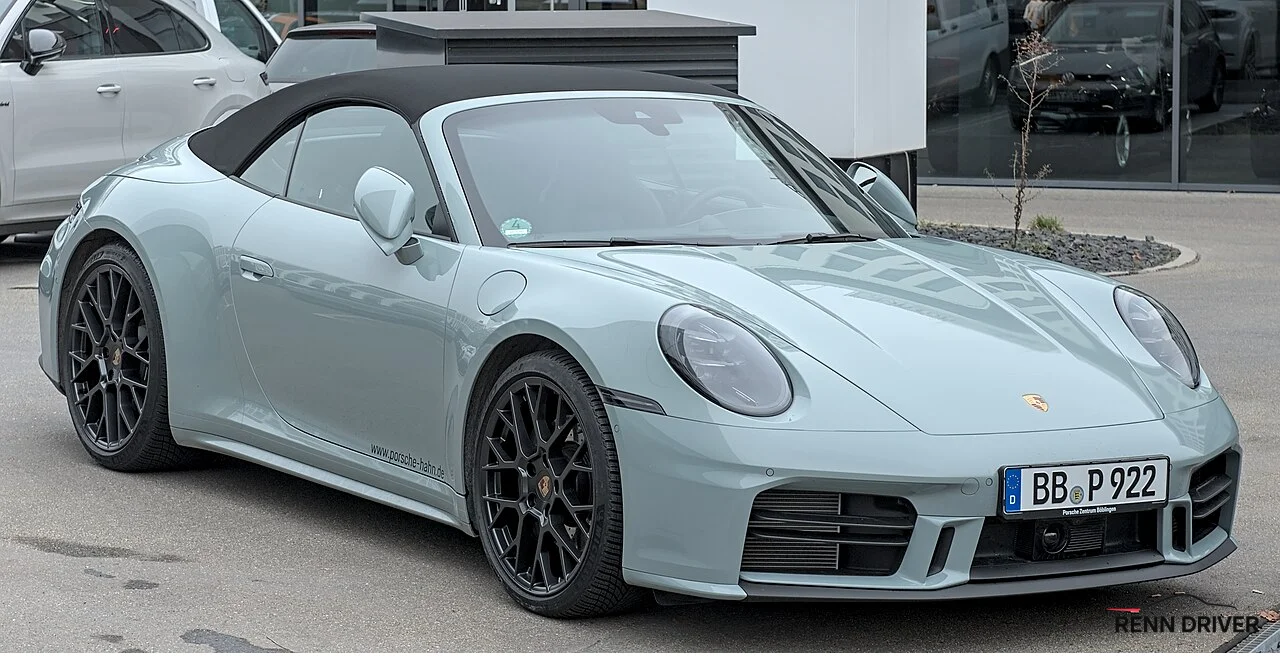
The overall silhouette is unchanged. From ten feet away, a 992.1 and 992.2 Carrera are difficult to tell apart. The differences are in the details: light graphics, intake shapes, and badge placement.
All non-GT models switched to the new 8-speed PDK, which required a redesigned transmission tunnel and center console. The GT3 and GT3 Touring retain the traditional ignition key on the left side of the steering column, while the rest of the lineup uses push-button start.
Pricing
| Model | MSRP (USD) |
|---|---|
| Carrera | From $120,100 |
| Carrera S | From $143,000 |
| GTS Coupe | From $176,300 |
| GT3 / GT3 Touring | From $235,800 |
| Turbo S | From $246,800 |
All prices exclude the $1,650 delivery fee. Cabriolet and Targa variants carry premiums over their Coupe equivalents.
Across the board, the 992.2 is more expensive than the 992.1 it replaces. The base Carrera went from roughly $107,000 to $120,000. The GTS jumped from approximately $140,000 to $176,000, though it now includes the hybrid system and 61 more horsepower. The GT3 climbed from roughly $175,000 to $235,800, the largest percentage increase in the lineup.
Renn Driver's Take
I have not driven this car yet, but I will update this section once I do.
Frequently Asked Questions
Is the 992.2 the first hybrid 911?
Yes, the 992.2 GTS T-Hybrid is the first production hybrid Porsche 911. Every 911 before it, across eight generations from 1963 to 2024, was purely combustion powered.
What does T-Hybrid mean?
T-Hybrid stands for turbo hybrid. In the GTS, it combines a 3.6L single-turbo flat-six with an electric motor integrated into the 8-speed PDK transmission and a compact 1.9 kWh battery. It adds power and torque, not electric range.
Can you get a manual transmission in the 992.2?
Yes, but only in the GT3 and GT3 Touring. The 6-speed manual is a no-cost option on both models. Every other 992.2 variant is PDK only.
Is the 992.2 GTS faster than the 992.1 GTS?
Yes, the 992.2 GTS is significantly faster. It lapped the Nurburgring Nordschleife in 7:16.9, roughly 8.7 seconds quicker than the 992.1 GTS. It produces 534 hp versus the 992.1's 473 hp, despite weighing 104 lbs more due to the hybrid system.
Will there be a 992.2 GT3 RS?
No 992.2 GT3 RS has been announced. The GT3 RS was produced exclusively as a 992.1 model. Porsche has not confirmed whether a successor will follow.
How much heavier is the 992.2 GTS because of the hybrid?
The 992.2 GTS T-Hybrid weighs approximately 104 lbs (47 kg) more than a comparable non-hybrid setup. The GTS Coupe has a curb weight of 3,516 lbs.
What is the fastest 992.2?
The fastest 992.2 is the Turbo S, with 701 hp, a 2.5-second 0-60 time, and a 200 mph top speed. It lapped the Nurburgring in 7:03.9.
How much does a Porsche 992.2 cost?
The Porsche 992.2 starts at $120,100 for the base Carrera and goes up to $246,800 for the Turbo S. The GTS T-Hybrid starts at $176,300 and the GT3 starts at $235,800. All prices exclude delivery.
Final Thoughts
The 992.2 is the 911 learning to live with electricity. Not replacing combustion with it, but adding it where it makes the car faster. The GTS T-Hybrid proved that a hybrid 911 can lap the Nurburgring nearly 9 seconds quicker than its predecessor. The Turbo S eTurbos proved that lag-free boost is possible without giving up the flat-six character.
For now, the GT3 remains untouched by electrification. The same 4.0L naturally aspirated engine, the same manual gearbox option, the same 9,000 rpm redline. Whether that continues into the next generation is the question every Porsche enthusiast is watching.
Images: Alexander Migl, Alexander-93, CC BY-SA 4.0, via Wikimedia Commons