
Made from 1994 to 1998, the Porsche 993 represents the end of an era: It’s the last air-cooled Porsche 911 ever made. The 993 Carrera marked a significant evolution in design, performance, and desirability within the Porsche 911 Carrera family.
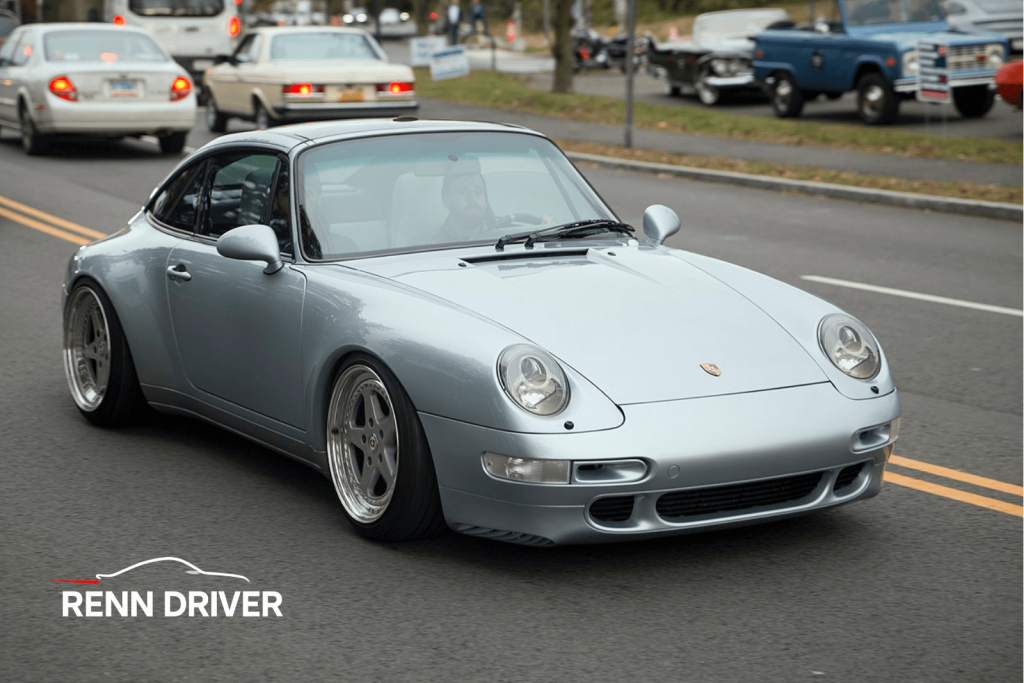
But it wasn’t just a farewell tour. The 993 introduced major improvements in handling, reliability, and build quality. Porsche completely redesigned the rear suspension, gave it a wider stance, and refined the engines.
This has created what many consider the perfect blend of old-school feel and daily usability. The 993 was available in several body styles, including coupé, cabriolet, and targa, so enthusiasts had different options to choose from.
Contents
- 1 Quick Summary
- 2 History and Development
- 3 A Major Redesign: Porsche 993 Overview
- 4 Porsche 993 vs Other 911 Generations
- 5 Carrera and Carrera 4 Models
- 6 993 Turbo and Turbo S
- 7 Transmission and Performance
- 8 Targa and Cabriolet Models
- 9 Reliability and Maintenance
- 10 Collector Value and Market Trends
- 11 Community and Support
- 12 Final Thoughts
Quick Summary
- Production Years: 1994–1998
- Key Models: Carrera, Carrera 4, Carrera S, Carrera 4S, Targa, Turbo, Turbo S
- Engine: 3.6L air-cooled flat-six (272–450 hp)
- Transmission: 6-speed manual or 4-speed Tiptronic
- Layout: Rear- or all-wheel drive
- Notable Features: Multi-link rear suspension, VarioRam intake, updated aerodynamics
- Legacy: Last air-cooled 911, rising in value, widely regarded as one of the best 911s ever built
History and Development
The Porsche 993 wasn’t just about carrying tradition forward. It was about finishing what the air-cooled 911 set out to do. The 993 coupe, in particular, showed just how far Porsche could refine the formula. With multiple body styles and serious engineering updates, it was the cleanest execution of the original 911 idea.
This generation replaced the 964 and ran from 1994 to 1998. It marked a turning point for the Porsche 911. Porsche had been evolving the 911 shape for decades, but with the 993, it finally nailed the balance of modern performance and old-school charm.
Today, the 993 Carrera is one of the most desirable classic Porsche cars. It offers the rare combination of heritage, usability, and timeless style.
Innovation with Purpose
When Porsche introduced the 993, it wasn’t just another model update. It was a full rethink. The brand was in a tough financial spot, and this car needed to do more than satisfy purists. It had to prove that the 911 still had room to grow.
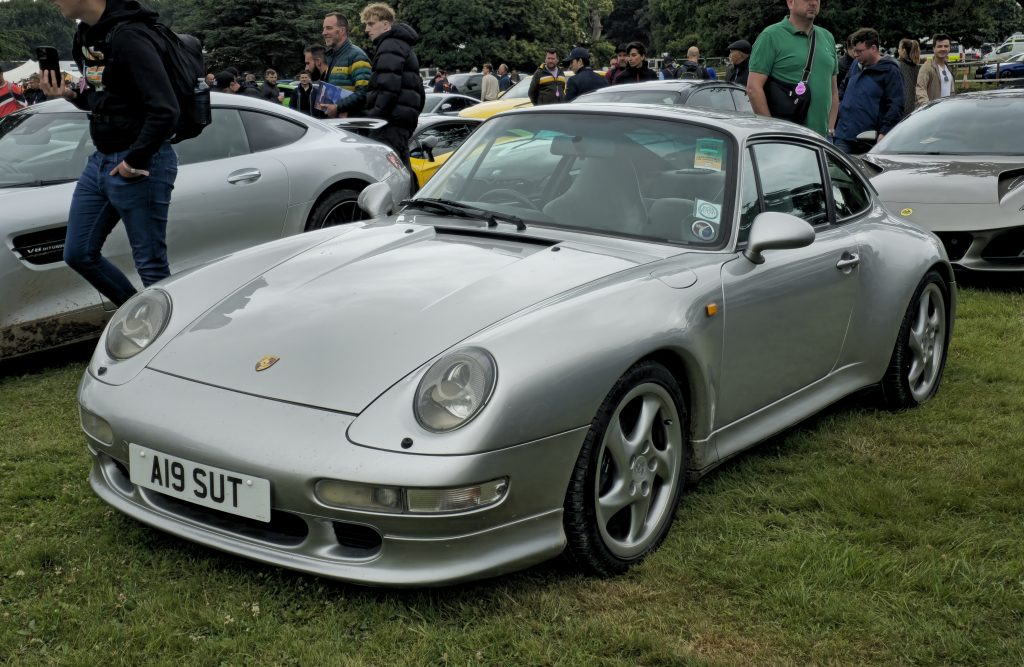
Visually, it kept the familiar 911 shape, but underneath, it was all new. Porsche engineers redesigned the chassis, added a light-alloy rear subframe, and introduced a multi-link rear suspension known as the Weissach axle.
It gave the car sharper handling and much more composure in corners. A limited slip differential helped put the power down with confidence, whether in the rear-wheel-drive Carrera or the all-wheel-drive Carrera 4S.
More Livable, More Capable
The 993 wasn’t just a weekend car. Porsche added air conditioning, cruise control, power windows, and a six-speed manual transmission to make it daily drivable. Tiptronic was optional, but the manual version is the enthusiast favorite.
Under the rear lid sat a 3.6-liter flat-six engine. Later versions came with VarioRam, a variable intake system that boosted torque and smoothed out power delivery. The sound alone is worth the price of entry.
A Cleaner Shape with Character
English designer Tony Hatter led the 993’s visual update. The body was smoother and wider, with tighter panel gaps and flared wheel arches. The integrated bumpers and revised rear window made the car look more modern without losing its classic lines.
Small details made a big difference. The Porsche crest on the wheel caps. Bolder colors like Arena Red Metallic and Midnight Blue Metallic. Every piece felt intentional.
Targa models featured a new sliding glass roof, a standout piece of engineering that replaced the old removable panel. The Carrera Cabriolet offered top-down fun without giving up the car’s core performance.
And then there was the Turbo S. It combined all-wheel drive with serious horsepower. Visual cues like yellow brake calipers, a fixed rear wing, and unique trim gave it instant presence. Some even came with a third braking light integrated into the wing, a detail that’s become iconic on its own.
Last of Its Kind
Only around 20 percent of the 993’s parts were carried over from the 964. Everything else was reworked or improved. Porsche put serious effort into making this generation stronger, faster, and easier to live with.
Over time, small changes rolled out to improve reliability and performance. Today, the 993 is still known for its mechanical toughness and emotional connection. You feel everything the car is doing, but it never overwhelms.
For many enthusiasts, the 993 is the perfect 911. It was the end of the air-cooled era, and it went out on a high note.
A Major Redesign: Porsche 993 Overview
The 993 replaced the 964 as the latest generation of the 911, marking a significant evolutionary step in Porsche’s lineup. Compared to the earlier G model, the 993 featured major design updates, including a more integrated rear bumper and a sleeker bodyshell connection.
This reflects the ongoing evolution of the 911’s iconic shape. Porsche made over 80% of the components new, focusing on improving handling and modernizing the platform while keeping the 911’s soul intact.
It introduced:
- A new multi-link rear suspension
- A stiffer chassis and wider rear track
- Improved aerodynamics and smoother bodywork, including a redesigned hood that contributed to the car’s modern look
- More refined interior and better climate control
- Updated wheels that enhanced both the visual appeal and performance
The base Carrera launched first, followed by the Carrera 4, Cabriolet, Targa, and eventually the widebody Carrera S and 4S. The Turbo and Turbo S models capped off the lineup, showcasing the limits of air-cooled performance.
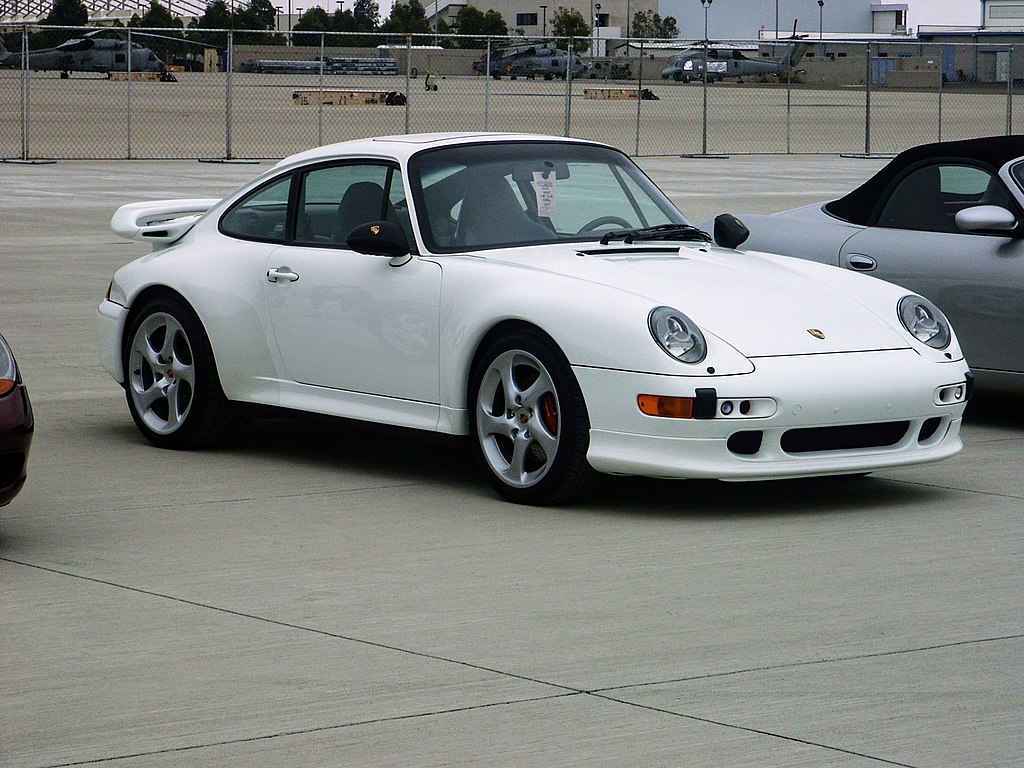
The 993 also adopted subtle but effective body changes. That includes flush-mounted windows, more integrated bumpers, and smoother panel gaps. These upgrades not only improved aerodynamics but gave the 993 its unmistakably modern classic silhouette.
Its development came during a critical time for Porsche, as the company was struggling financially. The 993’s success was a turning point. It kept the brand’s performance heritage alive while laying the groundwork for future water-cooled generations.
Porsche 993 vs Other 911 Generations
Each generation of the 911 brings its own flavor, but the 993 holds a special place. Among the various Porsche 911 Carrera models, the 993 Carrera stands out for its unique blend of classic air-cooled engineering and modern refinement.
Compared to the 964 911 Carrera:
- Better handling due to the redesigned suspension
- Smoother power delivery and more torque
- Far fewer maintenance issues
Compared to the 996 911 Carrera:
- More mechanical, analog driving feel
- Higher-quality interior fit and finish
- No IMS bearing to worry about
A great example of the 993 Carrera’s advantage is its multi-link rear suspension, which significantly improved ride quality and handling over previous generations.
A common mistake buyers make is underestimating the desirability and value appreciation potential of the 993 Carrera when comparing it to other Porsche 911 Carrera generations.
The 993 combines the best of both worlds, air-cooled purity with real-world livability. And it marks the point where Porsche finally nailed both comfort and performance in one package.
It’s also the generation where 911s became much more usable as daily drivers, thanks to better ergonomics and build quality. You can take a 993 across town or across a country and not feel like you’ve compromised.
Carrera and Carrera 4 Models
The 993 Carrera is the base model of the 993 generation and continues the legacy of the Porsche 911 Carrera lineage.
Although not sold in the U.S., the lightweight 993 Carrera RS featured track-focused upgrades like a larger rear wing, weight reduction, and stiffer suspension. Its design and performance philosophy influenced later widebody 993 variants, blending the racing version spirit with real-world usability.
The 993 Carrera models form the core of the 993 lineup, representing the most accessible entry into the world of air-cooled Porsche 911 Carrera ownership. Here’s a quick breakdown of the main styles and versions:
- Carrera (RWD): Lighter, more engaging, rear-wheel-drive handling
- Carrera 4 (AWD): All-weather capability, more planted in the corners
- Carrera S and 4S: Widebody versions with Turbo styling and improved stance. The 4S version adds Turbo brakes and AWD.
- Cabriolet and Targa styles: In addition to the coupé, the 993 Carrera was also available in cabriolet and targa styles, offering open-top and unique roof configurations.
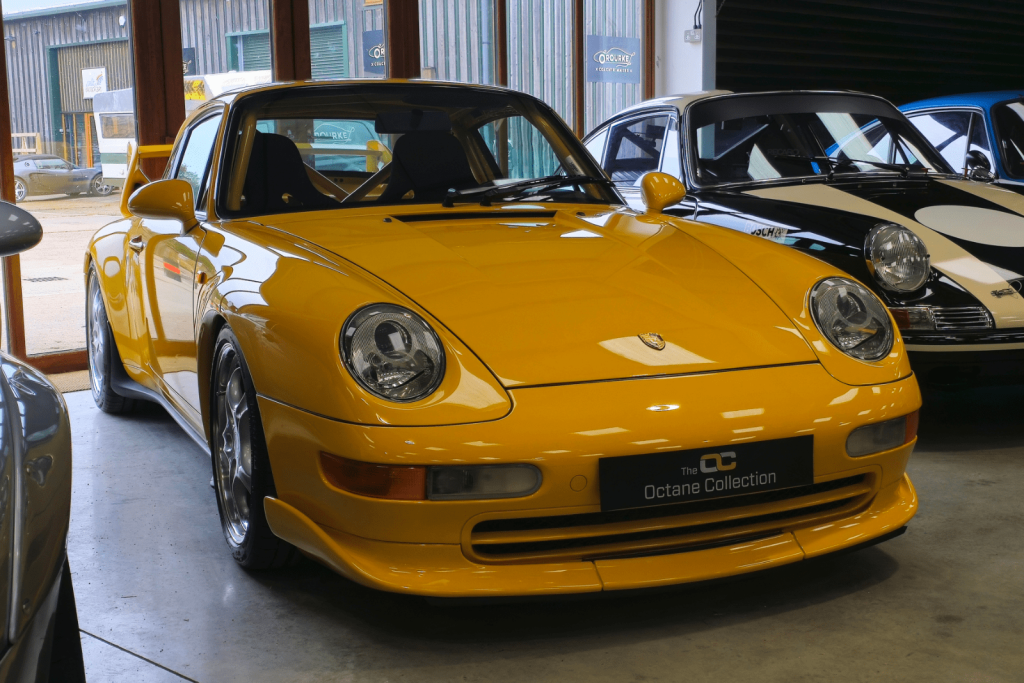
All Porsche 911 Carrera models in the 993 generation are powered by a 3.6L flat-six:
- 272 hp (1994–1995)
- 285 hp (1996–1998, with VarioRam intake)
Transmission options included a 6-speed manual or a 4-speed Tiptronic automatic. The manual is the enthusiast’s pick. It’s more engaging and valuable.
The 993 Carrera models are often praised for their balanced power delivery, solid road manners, and relatively simple maintenance needs. They offer an ideal entry point for collectors who want an authentic 911 Carrera experience without diving into the high-cost Turbo market.
With over 40,000 Porsche 911 Carrera units produced across all styles and versions, they’re also the most attainable 993s on the used market. That said, clean examples are rising in value fast, especially those with unique colors, low mileage, or factory options like sport seats or LSD.
993 Turbo and Turbo S
The 993 Turbo is legendary for a reason.
- Introduced in 1995
- Powered by a twin-turbocharged 3.6L flat-six
- 402 hp and 398 lb-ft of torque
- All-wheel drive standard
- 0–60 mph in 3.9 seconds
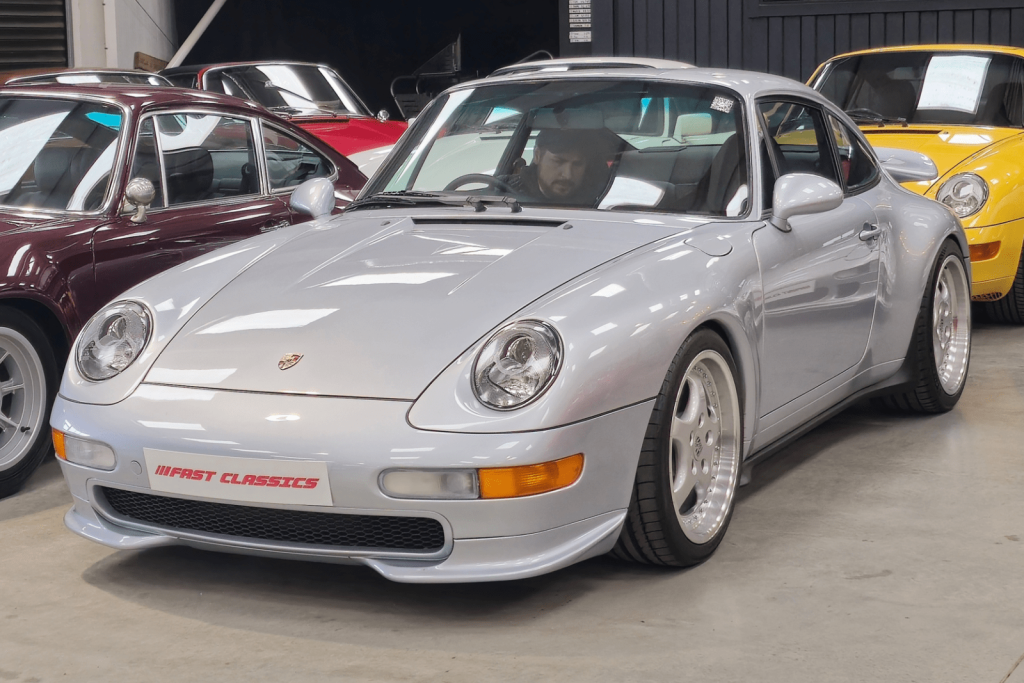
It was the first 911 Turbo to feature all-wheel drive, making it far more controllable at high speeds. The Turbo also got upgraded brakes, revised suspension tuning, and a distinct fixed wing. Performance upgrades often included special wheels, such as Hollow-Spoke 18″ Turbo Twist wheels, further enhancing the car’s sporty appeal and handling.
The Turbo S came in 1997 as a limited-run model:
- 450 hp
- Special carbon fiber interior accents
- Larger wing and extra intakes
- Only 345 units produced globally
Today, the Turbo S is one of the most valuable 911s ever made.
The turbos offer a massive leap in performance while still being composed and daily drivable. The power delivery is immediate, yet refined, which makes them as rewarding on a long drive as they are on a backroad sprint.
Some consider the 993 Turbo the last truly analog supercar. No driver aids, no stability control, just AWD, huge brakes, and raw turbocharged grunt.
Transmission and Performance
The 993 was the first 911 with a 6-speed manual across the lineup, available in both manual and automatic transmission versions. It’s a joy to use, with tight, short throws and perfectly matched gearing.
The optional 4-speed Tiptronic automatic version was smooth, but dulled the experience. It’s fine for cruising, but it doesn’t deliver the same thrill.
Performance by the numbers (all figures are accurate based on factory data and may vary depending on the engines offered in each version):
- Carrera 0–60 mph: ~5.4 seconds
- Turbo 0–60 mph: 3.9 seconds
- Top speed: Up to 180+ mph, depending on model and engine
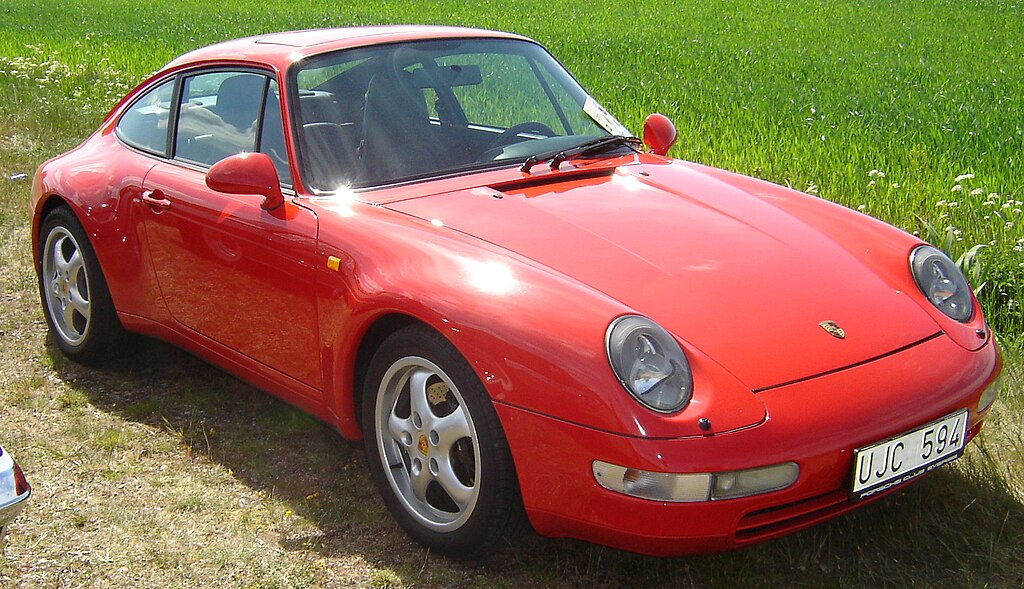
Despite being over 25 years old, the 993 still feels fast and capable on modern roads. It’s agile, responsive, and confidence-inspiring, especially in the manual version.
While the automatic version is less engaging, it does broaden the appeal for buyers who want a stylish cruiser or plan to use the car in traffic-heavy environments.
Many enthusiasts praise the 993’s gearbox as one of the best Porsche has ever made. It’s notchy in the right ways, and never vague.
Targa and Cabriolet Models
Looking for open-air driving? The 993 was available in several styles, including the Cabriolet and the Targa model.
The Targa model, introduced in 1996, featured a large, electrically adjustable sliding glass roof that replaced the traditional removable roof panel. Unlike the coupé, which had a fixed roof, the Targa model provided an open-air experience while maintaining the structural rigidity of the coupé.
Cabriolet
- Fully retractable soft top
- Cabriolet is one of the available styles and a version of the 993
- Available in Carrera and Carrera 4 trims
- Same mechanicals as the coupe
- Offers a more relaxed driving experience
Targa
- Introduced the Targa model as a new version of the 993 with a sliding glass roof design
- Preserved the coupe’s profile
- Heavier than the coupe and more complex
- Unique and collectible in its own right
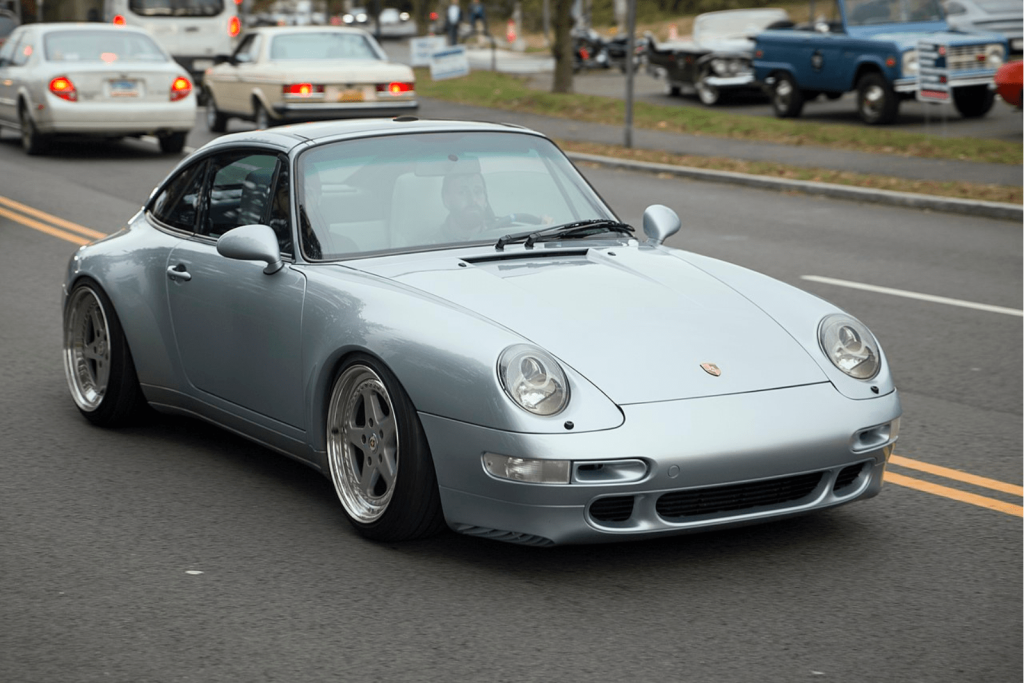
These versions made the 993 more usable. The Targa model’s glass roof system was a clever solution, though heavier than a fixed roof. The Cabriolet version, meanwhile, brought that classic wind-in-your-hair driving with no loss in mechanical performance.
In today’s market, Targa models and Cabriolet versions are increasingly sought after by enthusiasts who want rarity and comfort, without sacrificing the air-cooled essence.
Both versions offer a different flavor of 993 ownership and often attract buyers who already have a coupe or are looking for something to enjoy in warm climates.
Reliability and Maintenance
The 993 is often considered the most reliable air-cooled 911. It fixed many of the issues that plagued earlier models and requires fewer headaches to keep running. However, owners should be aware of common problems such as oil leaks, worn suspension bushings, and bolt‑on plastic pieces that may age more quickly than sheet‑metal body parts.
The owner’s manual is an essential resource for maintenance, providing accurate and reliable repair information, specifications, and technical data. Many enthusiasts also benefit from following a structured course or guide to better understand the intricacies of 993 maintenance.
A common mistake is neglecting regular inspection of wear items, which can lead to more costly repairs if not addressed promptly. When parts need to be swapped out, they should be properly replaced to ensure continued reliability.
Common issues to watch for:
- Valve cover leaks
- Aging suspension bushings
- Worn engine mounts
- Sticky climate control systems
- Power steering fluid leaks
These are some of the most common problems Porsche 993 owners encounter. Routine maintenance is straightforward. Oil changes, brake flushes, and valve adjustments are critical. Clutch life averages 60K–80K miles, depending on use.
When troubleshooting, a common mistake is overlooking early signs of wear, which can lead to more costly repairs down the line.
993 parts are still widely available, and there’s strong aftermarket and OEM support. Many owners report racking up high mileage with minimal trouble, a rarity in the classic car world.
For most issues, worn or faulty components can be replaced with new or upgraded parts, restoring performance and reliability. It’s a great platform for light restoration work, and DIYers will find no shortage of guides, parts suppliers, and forums to help tackle common projects.
It’s also one of the few classic cars where preventative maintenance pays off massively. Deferring issues can get expensive fast, especially with engine-out jobs.
Collector Value and Market Trends
The 993 has been appreciating for years, and it’s not slowing down. For example, a California-owned 1997 Carrera S version was recently sold at auction for a record price, highlighting the strong demand for well-documented provenance.
Another notable car was purchased new in Italy and later resold to a collector, demonstrating international interest and the appeal of region-specific histories. Different versions of the 993, such as the Carrera, Carrera S, and Turbo, show varying market values, with rarer versions commanding higher prices among enthusiasts and collectors.
Limited‑edition versions, especially those finished in rare colors like Midnight Blue Metallic, often attract premium pricing. Examples with a welded roll cage, or configured closer to a racing version, stand out to collectors and command even higher values.
Approximate market values (2025):
- Carrera Coupe (manual): $70K–$110K
- Carrera S / 4S: $110K–$180K
- Turbo: $200K–$300K
- Turbo S: $400K–$600K+
As an example, a 1997 Carrera S was purchased by its previous owner in 2015 and later sold at auction in March 2023 for $155K, highlighting the strong market value and demand for well-documented 993s.
Rarity, originality, and documentation matter. Widebody cars, Turbos, and low-mileage manuals command a premium.
Why the surge in value?
- Last air-cooled 911
- Excellent build quality
- Timeless design
- Strong enthusiast demand
For collectors, the 993 offers a rare blend of investment potential and drivability. Unlike many high-end classics, you can still use and enjoy it without tanking its value.
The market has also shown growing interest in well-kept Tiptronic cars and open-top variants, a sign that the 993’s broader appeal continues to grow.
Values tend to climb fastest for cars with rare paint codes, factory options like the Motor Sound Package, and limited-run editions. Get one before they’re all locked away.
Community and Support
The 993 community is strong, global, and deeply passionate. Members frequently share valuable resources such as comprehensive courses and the owner’s manual, helping each other learn more about the Porsche 993 and supporting both new and experienced owners.
Where to connect:
- Rennlist forums
- Pelican Parts community
- Porsche Club of America (PCA)
- Instagram and YouTube channels focused on air-cooled builds
Owners share tips on maintenance, restoration, and rare parts. Many of these communities also provide access to structured course materials and the Porsche 993 owners’ manual.
This makes them valuable resources for both learning and reference. There are also specialist shops around the world that know the 993 inside out. If you’re just getting started, these communities are goldmines.
Some regional clubs also host tech sessions and driving events specifically for 993 owners, adding even more value to the ownership experience.
There’s a camaraderie that comes with 993 ownership. You’re part of a global network of people who truly care about these cars. And if you show up at an air-cooled meet, you’ll never be the odd one out.
Final Thoughts
The Porsche 993 is more than just the last air-cooled 911; it’s the culmination of everything Porsche learned up to that point. It blends classic driving feel with real-world usability, and it’s only getting more desirable with time.
Whether you’re looking to drive it hard, park it in a collection, or just enjoy Sunday morning blasts down your favorite road, the 993 delivers.
It may be the end of an era, but it’s the kind of ending that still gives you goosebumps.
Image Credit: Calreyn88, CC BY-SA 4.0, via Wikimedia Commons, KevinRachel2010, CC BY 3.0, via Wikimedia Commons Frank and Myra Fan., CC BY 2.0, via Wikimedia Commons, nakhon100, CC BY 2.0, via Wikimedia Commons, IFCAR, Public domain, via Wikimedia Commons