Sensible Porsche 997 tuning starts with the car’s exact phase and model, not a parts list. Bring maintenance and diagnostics current before touching power. Start with tires, alignment, brakes, and suspension. Consider a tune or exhaust only after checking fitment, emissions status, and how you use that specific car.
In this article, we’ll explain how to tune a Porsche 997 without wasting money or compromising the car. We’ll cover sensible mod order, model-specific limits, and costly mistakes.
Contents
Identify Your 997 and Its Job First
Every useful modification decision on a 997 starts with the same short list. Before you compare a single part, know your car’s phase, model, transmission, options, and condition, plus what you actually plan to do with it.
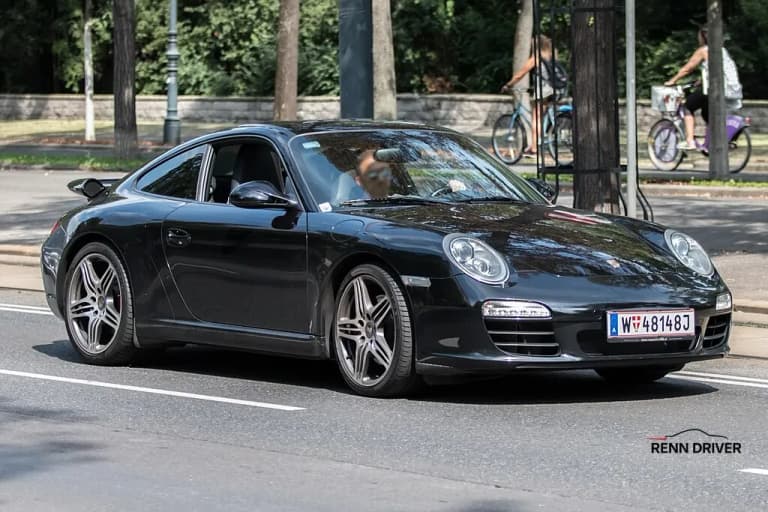
- Phase: 997.1 or 997.2. Porsche’s own history of the 997 describes 2008 as a thorough engine update that brought direct fuel injection and revised outputs to the later Carrera range. Software, some hardware, and diagnostic approach change across that line.
- Model: Carrera, Carrera S, Carrera 4 or 4S, GTS, Turbo or Turbo S, or GT3 or GT3 RS. See the full 997.1 vs 997.2 and model range guide if you’re still identifying the car.
- Transmission: manual, Tiptronic, or PDK. Porsche offered the optional seven-speed PDK on the Carrera and Carrera S from 2008, replacing Tiptronic. The manual stayed. Our PDK versus manual guide explains how the two gearboxes differ.
- Options: PASM, PCCB, Sport Chrono, and the factory wheel and brake package fitted to that VIN. Confirm from the options label or build sheet, not the seller’s memory.
- Use: daily street driving, occasional track days, or dedicated track use. Each one points to a different first spend.
- Condition: service records, current faults, tire and brake wear, and any prior modifications already on the car.
Write that list down before you open a parts catalog. A tune, exhaust, or suspension part that’s right for one 997 can be the wrong purchase for another car that looks identical in a listing photo.
The Sensible Order: Baseline, Tires, Brakes, Then Power
This is a decision order, not a shopping list. No two 997 variants are quite the same, so learn what your car needs before adding power.
- Baseline the car. Confirm phase, model, options, current faults, maintenance records, tires, brakes, fluids, suspension wear, and any prior work. A Porsche specialist inspection is worth paying for when records are thin, symptoms exist, or you’re planning a power change. Never use a modification to mask a noise, smoke, fault code, handling pull, or brake problem. It only hides the diagnosis.
- Define the job. Daily street driving, occasional track days, and dedicated track use call for different parts and different tolerances for noise and ride comfort. Decide this before you shop.
- Restore control and consumables. Correctly sized tires, a proper alignment, brake condition and fluid suited to the use, and healthy suspension components are the first real performance spend. They improve the car you already have. There’s no single correct tire, alignment spec, or suspension setup for every 997, so match the parts to your car and your job, not a forum recommendation.
- Make one small, reversible change if it answers the job you defined. A driver-interface upgrade, a maintenance item, or a cooling and monitoring addition can fit here. Each one still needs a fitment check, a legality check, and a note in your records for the next owner.
- Treat calibration or exhaust as the last step, behind a hard gate. That gate is covered in detail below. It requires exact fitment, an emissions review, a reputable installer, and a documented maintenance baseline first.
- Escalate major projects to a specialist. Forced-induction work, track safety builds, real suspension geometry changes, and irreversible engine work need a written scope from a Porsche specialist, not a weekend project. Keep every receipt, the original parts where practical, and any alignment or inspection paperwork.
What Changes by Model
The 997 name covers a wide range of cars. Porsche documented 24 variants across body styles and drivetrains over the generation. A modification plan that works for one line doesn’t transfer cleanly to another.
Carrera, Carrera S, 4, 4S, and GTS
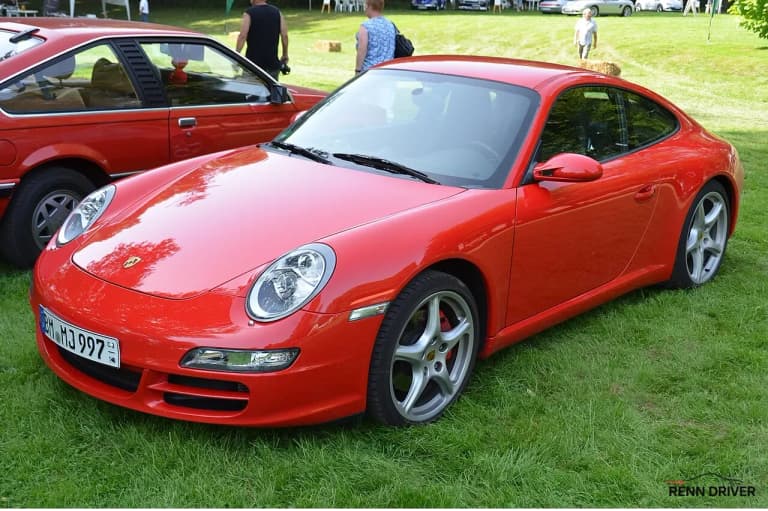
The naturally aspirated Carrera family is the default chassis-first case. Any engine, exhaust, or calibration discussion needs the exact engine, transmission, and emissions equipment on that car, plus your local inspection rules. Do not expect a promised horsepower number, fuel economy change, exhaust note, or reliability outcome from a software tune. Our 997 Carrera guide covers the model’s history and specifications in full.
Turbo and Turbo S
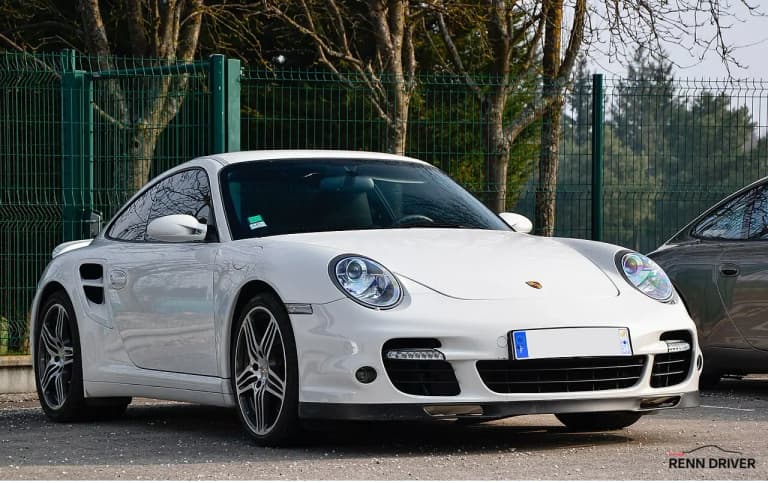
Forced-induction power work on a Turbo raises its own supporting-hardware, fuel-system, thermal, drivetrain, and calibration questions that a naturally aspirated car doesn’t face. This page won’t give boost targets, turbo stages, or output numbers, because that plan has to be built around the specific car with a Porsche specialist. Our 997 Turbo guide covers the platform in depth. Start there, then take the plan to a specialist instead of working from a generic 997 checklist.
GT3 and GT3 RS
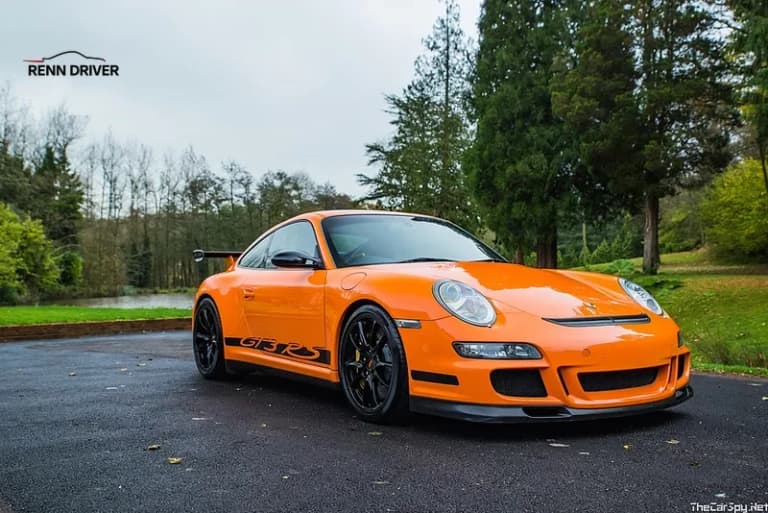
A GT3 or GT3 RS is a preservation decision before it’s a tuning decision. Originality, intended use, and a GT-car specialist come first. Don’t apply Carrera bolt-on advice to a GT3, and think hard before any irreversible power change on a car whose value depends heavily on staying stock. See the 997 GT3 guide for the model’s own history and specifications.
The option and fitment gate
PASM, brakes, wheels, tires, and transmission all vary across the 997 range, even within the same model line. Confirm the actual option code or part number fitted to your car before buying a brake kit, damper, wheel, or ECU calibration. A part advertised for a 997 may not fit every car wearing that badge.
ECU Tunes and Exhaust: The Questions First
An ECU tune or aftermarket exhaust sits at the end of the order above for a reason. Before you price either one, get real answers to these questions.
- Does it fit your exact car? Engine, model year, phase, and existing hardware all narrow which calibration or exhaust is even compatible. A listing for “997 Carrera” software isn’t specific enough on its own.
- What does it do to your emissions equipment? The EPA’s aftermarket defeat-device enforcement page states plainly that the Clean Air Act prohibits tampering with emissions controls, and prohibits manufacturing, selling, or installing aftermarket devices intended to defeat them. That applies to exhaust catalysts and engine calibration alike. Never install a product marketed to remove, disable, or bypass emissions equipment on a car you drive on public roads.
- Is it legal where you drive and register the car? State and local inspection rules, and California’s own approval process, sit outside federal law and change over time. Verify your current local requirements before you buy, not after the inspector flags the car.
- Is your maintenance baseline documented? A tuner or installer needs a healthy car to work from. Bring the service records and recent inspection findings to that conversation.
- Will the installer explain compatibility and stand behind the work? A reputable shop should walk you through exactly what changes, what it doesn’t change, and what support comes with it. Treat a vague “it just works” answer as a reason to keep looking.
On a naturally aspirated Carrera, treat any software gain as modest and specific to that vendor’s calibration, not a number you can plan around. A Turbo’s calibration path is a separate, higher-consequence project that needs its own hardware, fuel, and thermal review, covered above. Don’t expect a dyno number from any source unless it comes from a directly verifiable, like-for-like test with clear conditions stated.
What to Avoid
A few patterns cost 997 owners more than they save. Watch for these before you commit to anything.
- Using a modification to cover a symptom. A louder exhaust doesn’t fix a noise, and a tune doesn’t fix a fault code. Diagnose first.
- Buying a cheap or unverified calibration. A tune with no track record on your exact engine and phase is a gamble with your drivetrain, not a bargain.
- Treating “997” as one fitment. A part built for a 997.2 Carrera S doesn’t automatically fit a 997.1 Turbo or a GT3. Confirm before you buy.
- Any emissions-control workaround. Catalyst deletes, defeat-device software, and “off-road only” language don’t make tampering legal on a street car. The EPA’s boundary applies regardless of how a product is marketed.
- Stacking changes without a diagnosis in between. Adding suspension, power, and brakes all at once makes it much harder to isolate a new noise or handling issue if one shows up.
- Irreversible changes without a real use case. Permanent engine or body modifications on a car you drive occasionally, or plan to sell, rarely pay back what they cost. Keep the factory parts when you remove them.
Budget by Decision Band
There’s no single accurate price for “997 tuning.” Installed cost depends on the exact model, options, part quality, and local labor rates. Emissions or inspection work can add more. Those variables move too quickly to print one reliable number here. Instead, plan around three decision bands.
| Band | What it typically covers |
|---|---|
| Baseline service and consumables | Specialist inspection, catch-up maintenance, tires in the correct fitment, an alignment, and brake fluid or pads suited to the car’s use. |
| One system, installed and aligned | A single chassis, brake, or sound change such as dampers, springs, or an exhaust, done by a professional with a proper alignment afterward. |
| Specialist-engineered, multi-system project | Calibration paired with supporting hardware, a track-prepared suspension setup, or major work planned and documented by a Porsche specialist. |
When you ask a shop for a quote, give them the exact model, options, current part condition, and your local emissions or inspection requirements. That’s what turns a rough estimate into a number you can actually plan around.
Reversible, documented upgrades from reputable manufacturers are also easier for a future buyer or specialist to evaluate than an undocumented or irreversible change. Keep receipts and the original parts where you can.
Frequently Asked Questions
What’s the best first modification for a Porsche 997?
There isn’t one universal first mod. Bring maintenance and diagnostics current, then spend on tires, alignment, brake condition, and suspension health before any power change. Those items affect the car you already own and set up everything that comes after.
Is an ECU tune worth it on a Porsche 997?
It depends on the exact car. A naturally aspirated Carrera usually sees a modest, vendor-specific change from software alone. A Turbo needs its own hardware, fuel, thermal, and drivetrain review first. A GT3 is a preservation case before it’s a tuning case.
What changes between the 997.1 and 997.2?
Porsche’s own history of the 997 describes 2008 as a thorough engine update that introduced direct fuel injection and revised outputs in the later Carrera range. That split changes which parts, software, and diagnostic approach apply, so confirm the phase before shopping for anything engine-related.
Can modifying a Porsche 997 cause legal or emissions problems?
It can. The EPA says the Clean Air Act prohibits tampering with emissions controls and prohibits aftermarket devices intended to defeat them. Never remove, disable, or work around emissions equipment on a street car, and confirm state and local inspection rules before you calibrate or change the exhaust.
Before you price a tune or exhaust, write down the year, exact model, transmission, options, current maintenance, and whether the car is street, track, or mixed use. Take that list to a Porsche specialist. It will produce a better answer than a generic 997 parts list. For engine or health questions specific to this generation, the 997 model guide and Porsche reliability evidence are the right next reads.
Image Credits
Images: Porsche 911 Carrera S (997, 2008) by Charles from Port Chester, New York, CC BY 2.0, via Wikimedia Commons. Porsche 997.2 Wien 25 July 2020 JM by Johannes Maximilian, CC BY-SA 4.0, via Wikimedia Commons. Porsche 997 Carrera S by Alexandre Prévot, CC BY-SA 4.0, via Wikimedia Commons. 2006 Porsche 911 997 Turbo by Calreyn88, CC BY-SA 4.0, via Wikimedia Commons. Porsche 911 (997) GT3 RS 3.6, 3 quart avant by The Car Spy, CC BY 2.0, via Wikimedia Commons. Local copies were resized and converted to WebP. The CC BY-SA derivatives retain their ShareAlike license.