The Porsche Panamera 4 is the all-wheel-drive version of Porsche’s four-door hatchback. It has been the sensible way into the Panamera range since the first generation, with six-cylinder power, four driven wheels, and room for real trips.
In this article, we’ll explain the Porsche Panamera 4, from the first 970 to the current 972. We’ll cover each generation, the current specs, and what to check before buying.

Contents
Quick Summary
- What it is: It is the all-wheel-drive version of the regular Panamera.
- 970, 2010 to 2016: It uses a naturally aspirated 3.6-liter V6 with 300 hp.
- 971, 2017 to 2023: It is a cleaner, newer-looking car with a turbocharged V6 and eight-speed PDK.
- 972, 2024 onward: It is the current car, with 348 hp, 368 lb-ft, and a sharper digital cabin.
- The key difference: Panamera 4 means all-wheel drive, while a plain Panamera is rear-wheel drive.
- Buying tip: Check service history, warning lights, and all drivetrain functions before you negotiate.
What Panamera 4 Means
The badge is simple. A plain Panamera drives its rear wheels. A Panamera 4 sends power to all four. It is not a high-performance trim like the 4S, GTS, or Turbo.
That makes the 4 a good fit for someone who wants year-round traction and the regular Panamera’s softer character. It still has a PDK dual-clutch transmission and a front-engine layout. The extra driven axle adds parts and weight, so do not buy one just because the badge sounds better.
Porsche has changed the body, engine, and cabin around that idea three times. The badge has stayed familiar, but a 970 and a current 972 are very different cars. For the wider family tree, see our Porsche Panamera guide.
The First Panamera 4, 970
The first Panamera arrived as Porsche’s big four-door in 2009. The Panamera 4 became the all-wheel-drive six-cylinder choice. Porsche’s 2013 US technical sheet lists its 3.6-liter naturally aspirated V6 at 300 hp and 295 lb-ft.
It is the most old-school Panamera 4. The center console has buttons everywhere, and the shape still divides people. It also has a real hatchback and enough room to work as a long-distance car. The 970 feels smaller inside than newer cars, but it does not feel flimsy.
Age is the big factor now. A cheap 970 can need tires, brakes, suspension work, cooling-system repairs, and electrical diagnosis at the same time. A good record of repairs is worth more than a shiny detail job. If you want the V8 version of this generation, read our Panamera 4S guide first.
The Second Generation, 971
Porsche replaced the 970 with the 971 for 2017. The roofline looked lower, the rear gained a full-width light strip, and the cabin moved hard toward screens. This is the used Panamera 4 that still feels modern without being brand new.
Porsche’s 2017 launch material describes a new eight-speed PDK and all-wheel-drive system for the faster models. The regular Panamera 4 sat below the 4S, so do not assume every 971 with a 4 badge has the 4S engine or equipment.
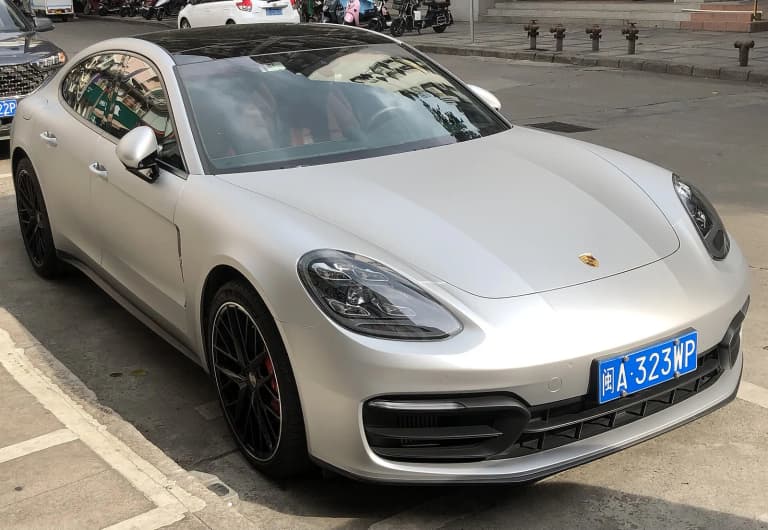
The 971 gives you the choice of regular hatchback, Executive long-wheelbase, and Sport Turismo body styles across the range. The Sport Turismo is the practical one if you need a longer roof and more useful rear cargo area. Check the exact VIN and option sticker because trim names alone do not tell the whole story.
A 971 is the sensible target for most used buyers. It has newer safety and cabin tech than a 970, yet you can still buy a gas-only car without the current generation’s hybrid complexity. Skip cars with patchy maintenance history or repeated electrical warnings. There will be another Panamera.
The Current Panamera 4, 972
The third-generation Panamera arrived for 2024. Porsche kept the familiar fastback shape but gave it a new front end, a broader digital dashboard, and more hybrid models. The regular Panamera 4 remains gas powered at launch, not a plug-in hybrid.
Porsche’s US launch announcement lists a 2.9-liter turbocharged V6 with 348 hp and 368 lb-ft. Porsche quotes 0 to 60 mph in 4.7 seconds and a 168 mph top track speed for the Panamera 4.
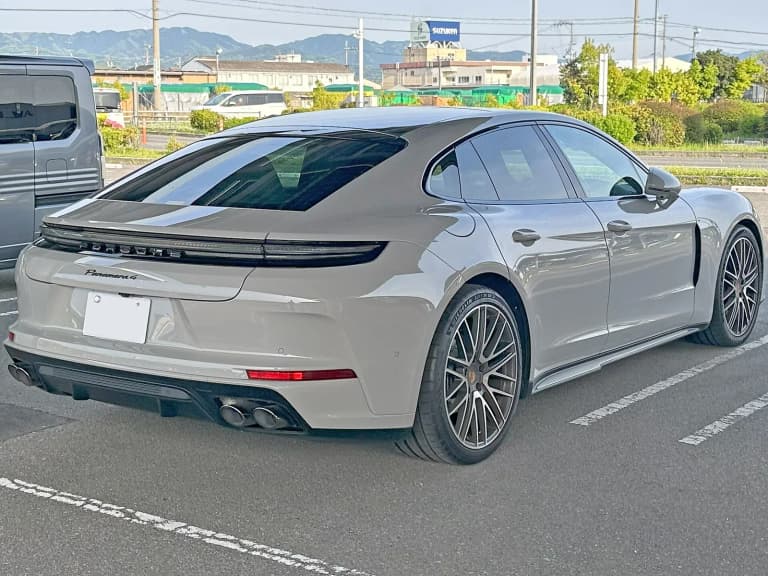
That is plenty of pace for a big four-door. The 972 is the pick if you want a warranty, current infotainment, and the least uncertainty. It is also the car to avoid if you prefer physical controls, because much of the interaction happens through screens and touch surfaces.
Panamera 4 Generations Compared
| Generation | Years | Engine | Character |
|---|---|---|---|
| 970 | 2010 to 2016 | 3.6-liter naturally aspirated V6, 300 hp | Cheapest entry, oldest tech, biggest repair risk |
| 971 | 2017 to 2023 | Turbocharged V6 | Best used-car balance for most buyers |
| 972 | 2024 onward | 2.9-liter turbocharged V6, 348 hp | Latest cabin and warranty-backed ownership |
The simple move is to choose by condition before generation. A well-documented 970 beats a neglected 971. A clean 971 still makes more sense than a newer car with missing history and warning lights.
Picking the Right Panamera 4
Buy a 970 if you want the original car and can keep a proper repair fund. It suits an owner who likes the older Porsche feel and will use a specialist.
Buy a 971 if you want the all-round used choice. It looks current, drives like a modern car, and gives you more body-style options. It is not a cheap car to fix, but it is easier to live with than the first generation.
Buy a 972 if you want the newest interior and warranty coverage. It makes sense for a daily driver, especially if you want all-wheel drive without moving into a higher trim. Compare it with the 4S if you want more power, but do not pay for horsepower you will not use.
Used Panamera 4 Checks
Confirm the exact car
Run the VIN, read the option list, and make sure the badge matches the paperwork. That confirms the year, body, drivetrain, and original equipment. Our Porsche VIN decoder guide explains the basics.
Check the service records first
Ask for dated invoices, not a verbal story. You want evidence of regular oil service, PDK service where required, brake fluid changes, tires, and repairs. A seller who cannot show the records is asking you to take the risk.
Scan it with a Porsche-capable tool
Have a Porsche specialist scan every control module before you buy. Drive it from cold, check that the PDK shifts cleanly, and test every screen, camera, window, and seat function. If it has air suspension, let it sit and check that it holds its ride height.
Also check open safety recalls with the NHTSA recall lookup in the US. For ownership planning, our Porsche maintenance costs guide gives a useful local starting point.
Frequently Asked Questions
Is the Porsche Panamera 4 all-wheel drive?
Yes. The 4 in Panamera 4 means all-wheel drive. It is the all-wheel-drive version of the regular Panamera, not a separate body style.
How much horsepower does the current Panamera 4 have?
The current Panamera 4 has a 2.9-liter turbocharged V6 with 348 hp and 368 lb-ft of torque in US specification. Porsche quotes 0 to 60 mph in 4.7 seconds.
What is the difference between a Panamera and a Panamera 4?
The regular Panamera sends power to the rear wheels. The Panamera 4 adds all-wheel drive. Both use the same basic engine in the current range.
Is a used Panamera 4 expensive to maintain?
It can be. A Panamera 4 has a complex drivetrain, air-suspension options, and a lot of electronics. Buy service records and a specialist inspection, not just a low asking price.
Which Panamera 4 generation should I buy?
The 971 is the sensible used choice for most people because it feels current without the newest-car price. The 970 is cheaper but needs a bigger repair reserve. The 972 is the pick for a warranty and the latest cabin.
Images: Porsche Panamera 4 Edition by 先従隗始, CC0. Porsche Panamera 4 971 by JamesYoung8167, CC BY-SA 4.0. Porsche Panamera 4, type 972 by Tokumeigakarinoaoshima, CC0. Via Wikimedia Commons.