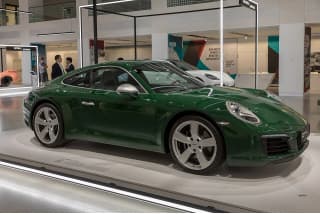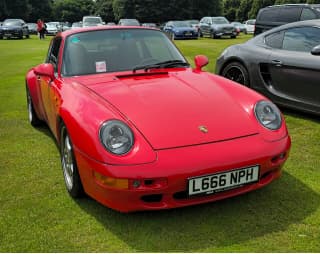
Porsche PDK (Doppelkupplungsgetriebe) is Porsche’s dual-clutch automatic transmission. It uses two separate clutches on concentric shafts to pre-select the next gear before you need it, so shifts happen in a fraction of a second with no interruption in power. Porsche developed the technology for racing in the 1980s, raced it in the 962C Group C prototype, and brought it to road cars in 2008. It is now the standard automatic across most of the Porsche lineup.
In this article, we’ll explain how Porsche’s PDK dual-clutch transmission works. We’ll cover its racing origins, gear counts, model availability, and reliability.
Contents
- 1 Quick Summary
- 2 PDK: The Abbreviation and What It Stands For
- 1.1 Pronouncing Doppelkupplungsgetriebe (and Why Nobody Bothers)
- 3 PDK Mechanics: How the Dual-Clutch System Works
- 2.1 Why Pre-Selecting the Next Gear Is the Key
- 2.2 How PDK Differs From a Regular Automatic Transmission
- 4 PDK’s Racing Origins: From Le Mans to Road Cars
- 3.1 The Porsche 956 and 962C: Where PDK Was Born
- 3.2 Why PDK Took 20 Years to Reach a Road Car
- 5 PDK Gear Count: 7-Speed and 8-Speed Versions
- 4.1 7-Speed vs 8-Speed PDK: Ratios, Torque Capacity, and Fitment
- 6 Porsche Models That Use PDK
- 5.1 Porsche Models Without PDK
- 7 PDK vs Manual: Speed, Lap Times, and Driver Feel
- 6.1 PDK vs Tiptronic: Clutch vs Torque Converter
- 8 Driving a PDK Porsche: Modes, Paddles, and Launch Control
- 7.1 Paddle Shifters and Manual Mode
- 7.2 Launch Control and the Sport Chrono Package
- 9 PDK Reliability and Long-Term Durability
- 8.1 PDK Maintenance: Fluid and Filter Service
- 8.2 Buying a Used PDK Car: What to Inspect
- 10 Frequently Asked Questions
Quick Summary
- What it is: Porsche’s dual-clutch automatic transmission, short for Doppelkupplungsgetriebe
- Shift speed: about 100 milliseconds per shift, with no interruption in power delivery
- Origin: developed for racing in the early 1980s and proven in the 956 and 962C Group C cars
- Road debut: arrived on the 997-generation 911, Cayman, and Boxster in 2008
- Gear counts: 7-speed on the 997/991 911 and 718 Cayman/Boxster, 8-speed on the 992 911 and Panamera
- Not used on: the Cayenne, which runs Tiptronic S, or the electric Taycan, which uses a two-speed unit
- Maintenance: fluid and filter change roughly every 40,000 miles
PDK: The Abbreviation and What It Stands For
PDK stands for Porsche Doppelkupplungsgetriebe, which is German for dual-clutch transmission. Break it down: Doppel means double, Kupplungs means clutch, and Getriebe means gearbox. Put it together and you get the literal mechanical description of what is inside the casing.
Porsche uses the PDK name across its entire lineup, and it has become one of the most recognized transmission names in the industry. When someone says their Porsche is a PDK car, they mean it has a dual-clutch automatic rather than a traditional manual or a torque-converter automatic. The abbreviation has stuck so completely that most buyers just call it PDK without thinking about what the letters mean.
The dual-clutch design is what separates the Porsche dual-clutch transmission from everything that came before it at the company. Earlier Porsches offered Tiptronic, a conventional automatic with a torque converter. PDK replaced it on sports cars because dual-clutch technology is fundamentally faster and more direct. The first road car with PDK was the 997-generation 911 in 2008, paired with the Cayman and Boxster at the same launch.
Pronouncing Doppelkupplungsgetriebe (and Why Nobody Bothers)
You say it: DOP-pel-KOOP-lungs-geh-TREE-beh. In practice, almost nobody says the full word outside of Germany. Every Porsche dealership, forum, and magazine shortens it to PDK, and that is exactly what Porsche intended when it coined the abbreviation. If you are buying or selling a used Porsche, PDK is all you need.
The abbreviation also avoids confusion with rival systems. Volkswagen Group brands use DSG (Direct Shift Gearbox) for their dual-clutch units. The technology is closely related, but the PDK in a 911 is a different, higher-capacity unit built to handle the power and heat of sports car use. They share an engineering family, not interchangeable parts.
PDK Mechanics: How the Dual-Clutch System Works
The Porsche PDK gearbox uses two separate clutches mounted on two concentric shafts. One shaft carries the odd-numbered gears: first, third, fifth, and seventh. The other shaft carries the even-numbered gears: second, fourth, sixth, and reverse. Each shaft has its own clutch, and only one clutch is engaged at any given moment.
While you are driving in one gear, the gearbox controller has already selected the most likely next gear on the other shaft and pre-engaged that shaft, holding the clutch open. The car uses throttle position, vehicle speed, and driving mode data to predict whether the next gear will be higher or lower. When the shift command arrives, one clutch opens as the other closes. The transition is nearly instantaneous.
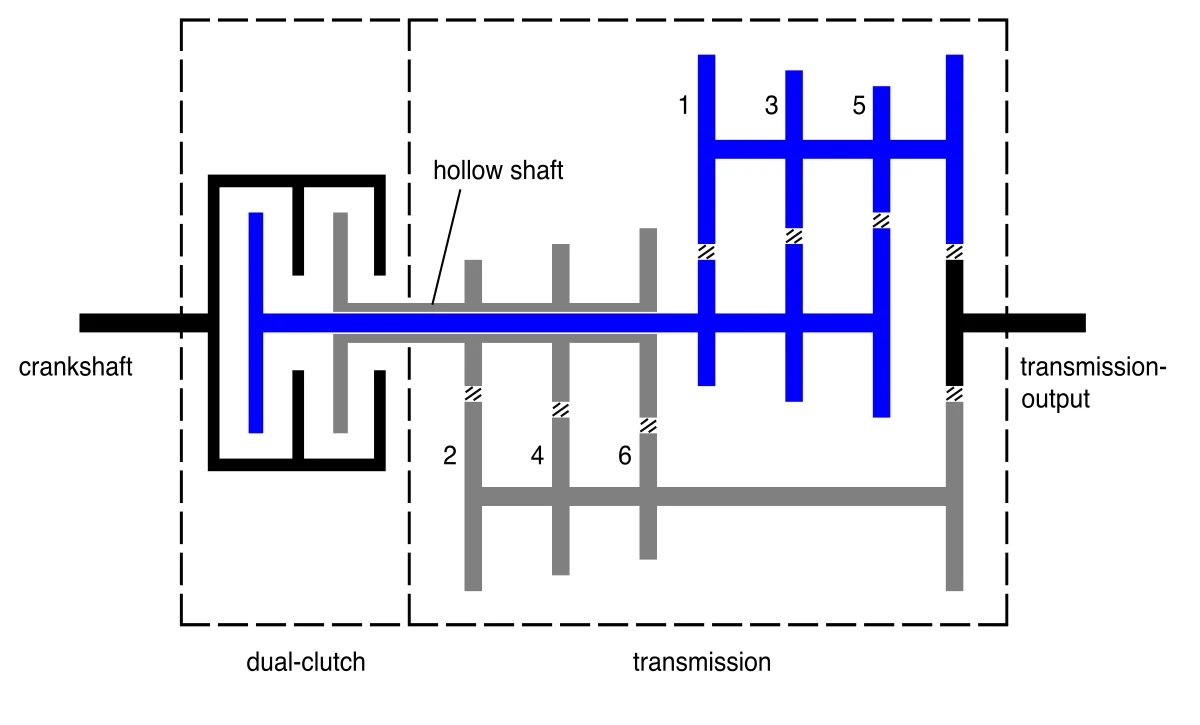
The result is acceleration that feels continuous rather than stepped. In a conventional manual gearbox you feel a brief pause as the clutch disengages, the lever moves, and the clutch re-engages. In PDK the shift is a single electronic event: one clutch closes as the other opens, and power delivery never stops. That is why every PDK car is quicker in a straight line than the manual version of the same model.
Why Pre-Selecting the Next Gear Is the Key
Pre-selection is the whole trick, and it is what separates a dual-clutch transmission from all the alternatives. A torque-converter automatic also shifts itself, but it has to disengage from one gear ratio completely before moving to the next, which takes more time and creates a momentary dip in power delivery.
A manual gearbox handled by even a very skilled driver still takes 200 to 400 milliseconds to complete a gear change from the moment the clutch is depressed to the moment it re-engages. PDK executes the same transition in roughly 100 milliseconds because the preparation work is already done before the shift command arrives. The gearbox is always a step ahead of the driver.
That gap compounds over a lap or a quarter mile. A dual-clutch car is not just faster on paper because of a lower number: it is faster in practice because every gear change carries less time penalty. On a circuit with many shifts per lap, the time savings from the PDK transmission add up significantly compared to a manual gearbox.
How PDK Differs From a Regular Automatic Transmission
A regular automatic transmission uses a torque converter instead of a clutch. The torque converter is a fluid coupling that sits between the engine and the gearbox. It allows the engine to stay running when the car is stopped without stalling, and it multiplies torque at low speeds. The trade-off is that it introduces a layer of fluid between the engine and the wheels, which softens the connection and slows the response.
PDK keeps the mechanical connection tight. Two friction clutches link the engine to the gears directly, with no fluid coupling in the normal drive path. The clutches slip a little at very low speeds to simulate the behavior of a torque converter, which is why a PDK car can creep in traffic and pull away from rest cleanly. But once the car is moving, the clutch is fully engaged and the connection is solid.
The practical difference you feel is directness. A torque-converter automatic feels smooth and slightly cushioned. PDK feels immediate, almost like a manual without the physical effort. When you press the accelerator in a PDK car the response is sharp, and when a shift happens it is crisp rather than soft. Porsche deliberately tuned it that way.
PDK’s Racing Origins: From Le Mans to Road Cars
PDK did not start as a comfort feature. Porsche developed the dual-clutch gearbox in the early 1980s purely to win races. The idea was simple: if a gearbox can shift without the driver lifting off the throttle, every shift is faster and every lap is quicker. That is a meaningful advantage when the car is already at the limit of mechanical grip.
The program began around 1982 under Porsche’s motorsport department. Engineering a dual-clutch system strong enough to handle race-car power levels, compact enough to fit in a prototype, and reliable enough to survive a 24-hour race was genuinely difficult. Early prototypes were heavy and complex, and the electronics of the era were not sophisticated enough to manage the shift logic quickly and consistently.
The Porsche 956 and 962C: Where PDK Was Born
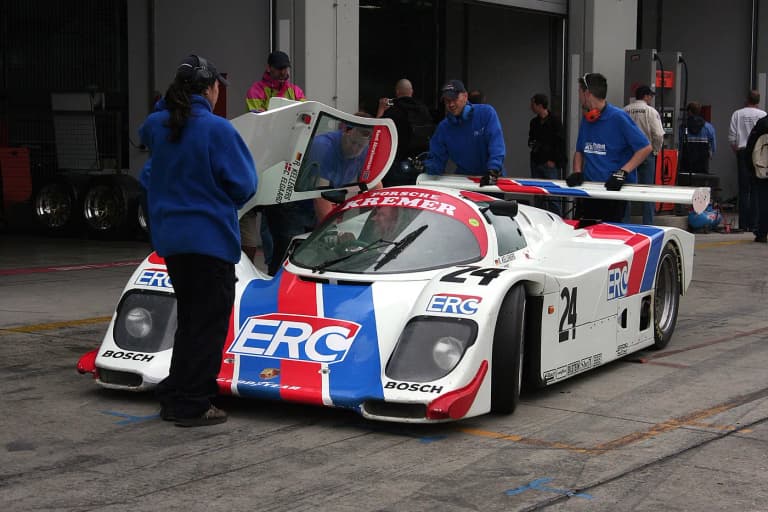
Porsche first tested the PDK concept in the 956 prototype, then refined it for the 962C, which was the dominant Group C car of the mid-1980s. The 962C was already a formidable machine with a twin-turbocharged flat-six engine producing over 600 horsepower in race trim. Adding a working dual-clutch gearbox made it faster still.
In 1986 the PDK-equipped 962C helped Derek Bell and his co-drivers win the World Sports-Prototype Championship. The technology was proven in the hardest possible conditions: endurance racing at full throttle over many hours. That validation mattered, because it showed PDK was not just a clever idea but a working system that could be trusted under extreme stress.
The 956 and 962C are also why Porsche’s marketing of PDK always emphasizes the motorsport lineage. When the gearbox arrived in road cars in 2008, Porsche could honestly say it came directly from a Le Mans prototype, not from a family sedan. That heritage is real, not a marketing invention.
Why PDK Took 20 Years to Reach a Road Car
The gap between the 1986 race victory and the 2008 road-car launch is not a story of Porsche sitting still. It is a story of the technology needing time to mature. A race car can tolerate complexity and weight penalties that a road car cannot. A dual-clutch gearbox designed for a 24-hour race does not need to survive 150,000 miles of daily driving, temperature extremes, and the full range of throttle inputs from cautious commuters to track-day drivers.
Porsche spent those two decades miniaturizing the system, improving shift quality at low speeds and temperatures, refining the clutch control algorithms, and bringing the cost down to a point where it made commercial sense. Electronic control units also had to become fast enough to manage the shift logic in real time, which was not possible with 1980s hardware.
By 2008 the technology was genuinely ready. The road-car PDK is not a detuned race unit; it is a fundamentally re-engineered gearbox that shares the dual-clutch architecture with its racing ancestor but is built to a completely different brief. The result is a gearbox that works well at 5 mph in a parking lot and equally well at 180 mph on a track.
PDK Gear Count: 7-Speed and 8-Speed Versions
Porsche PDK comes in two versions: a 7-speed and an 8-speed. Both work on the same dual-clutch principle, but they have different gear ratios, torque capacity, and packaging to suit different cars. Knowing which version is in a car matters if you are comparing models or buying used.
The number of gears matters because each step in the ratio stack affects both performance and economy. More gears mean each ratio covers a narrower band, so the engine stays closer to its power peak during acceleration. The extra gear on the 8-speed also means a taller overdrive for highway cruising, which lowers fuel consumption at steady speeds.
7-Speed vs 8-Speed PDK: Ratios, Torque Capacity, and Fitment
The 7-speed PDK debuted in the 997-generation 911 in 2008 and remained in the 991-generation 911, the 718 Cayman, and the 718 Boxster. It is engineered for the power outputs of those cars, with a torque capacity that suits naturally aspirated and turbocharged flat-six and flat-four engines up to around 500 Nm. Sixth gear is geared for top speed, and seventh is a long overdrive for economy.
The 8-speed PDK arrived with the 992-generation 911 and the current Panamera. It handles higher torque loads, which matters as engine outputs have grown and hybrid systems add electric torque to the equation. The packaging was also redesigned to work alongside the mild-hybrid and plug-in-hybrid drivetrains that Porsche uses in newer vehicles. The extra gear spreads the ratio stack further, improving both acceleration and fuel economy.
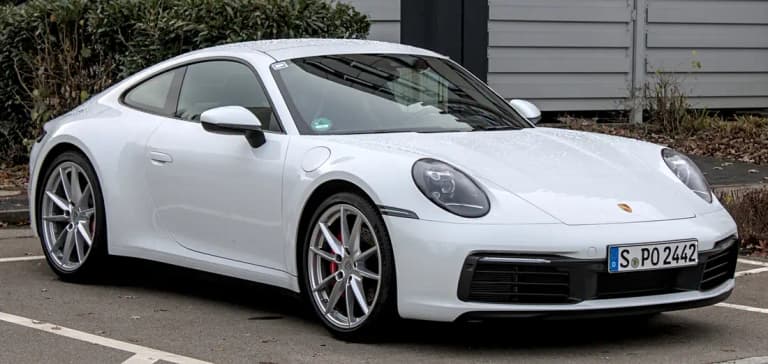
For the buyer, the practical difference between 7 and 8 speeds is small in everyday driving. Both feel quick and direct. The 8-speed is a better gearbox in absolute terms because it has wider spread and higher capacity, but the 7-speed in a well-sorted 991 or 718 is not a compromise. It is exactly the right gearbox for those cars.
Porsche Models That Use PDK
PDK is the automatic transmission across most of the Porsche sports car and sedan lineup. The 911 has offered it since the 997 generation in 2008, and every subsequent 911 with an automatic has used PDK. The 718 Cayman and 718 Boxster both use the 7-speed unit. The Panamera uses the 8-speed PDK on its petrol and hybrid variants. The Macan, in its petrol-engined generations, also uses PDK.
| Model | PDK Version | Introduced |
|---|---|---|
| 911 (997) | 7-speed | 2008 |
| 911 (991) | 7-speed | 2012 |
| 911 (992) | 8-speed | 2019 |
| 718 Cayman / Boxster | 7-speed | 2016 |
| Panamera (970, 971) | 7-speed / 8-speed | 2009 / 2017 |
| Macan (petrol) | 7-speed | 2014 |
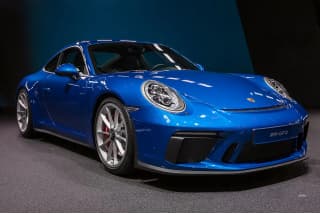
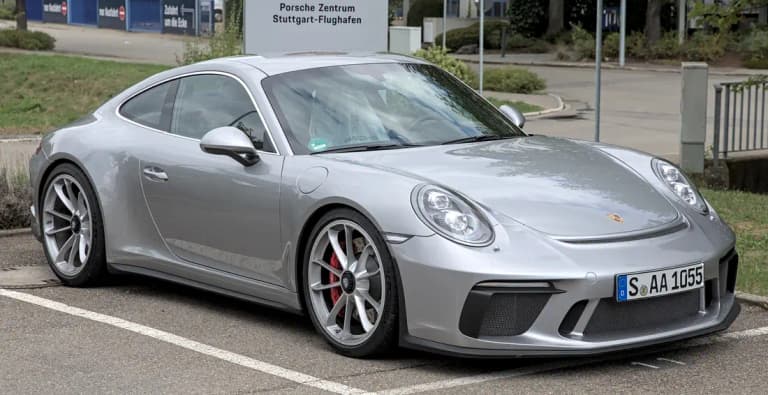
The 991 GT3 and GT3 RS were historically offered only with a manual, but Porsche later added a PDK option on the GT3 after strong customer demand. The PDK GT3 is not slower than the manual on track; Porsche’s own data shows the two are within tenths of a second at the Nurburgring. Whether you choose PDK or the manual in a GT3 comes down to preference, not lap times.
Porsche Models Without PDK
Two current Porsche models do not use PDK. The Cayenne uses a torque-converter automatic called Tiptronic S, because its heavier body and more relaxed driving character suit the smoother delivery of a conventional automatic better than the sharp responses of a dual-clutch unit. The Cayenne also tows, and torque-converter automatics handle sustained towing loads more gracefully than dual-clutch systems.
The all-electric Taycan uses a purpose-built two-speed transmission on its rear axle. An electric motor does not need a multi-gear gearbox the same way an internal combustion engine does, because it makes maximum torque from zero rpm. The Taycan’s two-speed unit exists to optimize efficiency across the speed range, not to manage power delivery the way PDK does in a 911.
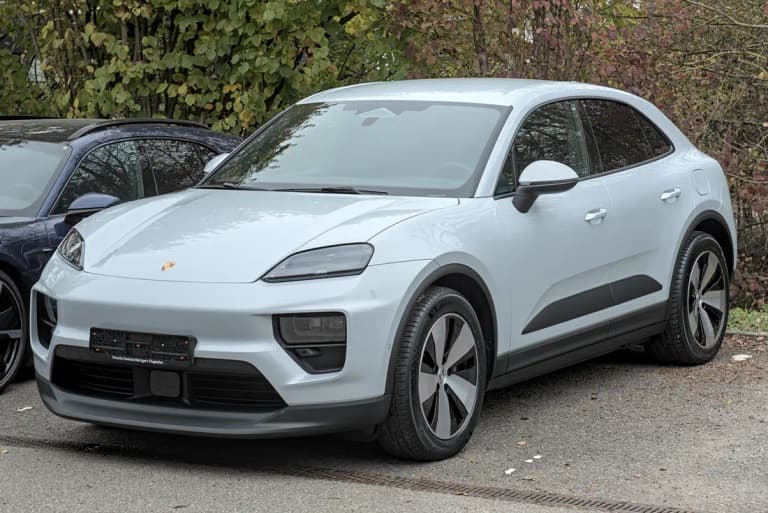
The all-electric Macan, introduced in 2024, also drops PDK in favor of a single-speed reduction drive like most electric vehicles. The petrol Macan before it used PDK, so if you are comparing old and new Macan generations, they are genuinely different gearbox architectures.
PDK vs Manual: Speed, Lap Times, and Driver Feel
On the numbers, yes. PDK shifts in roughly 100 milliseconds, which is faster than any human can operate a clutch pedal and gear lever. A skilled driver working a manual gearbox takes 200 to 400 milliseconds per shift, and the best race drivers with perfect heel-and-toe technique are at the fast end of that range. PDK is always faster, every time, without degrading under pressure or fatigue.
That speed advantage translates directly into 0-to-60 times. Run the same 911 in PDK and manual trim side by side. The PDK car is typically 0.2 to 0.4 seconds quicker to 60 mph, and the gap continues through the quarter mile. On a circuit with many shifts per lap, PDK accumulates that advantage at every gear change.
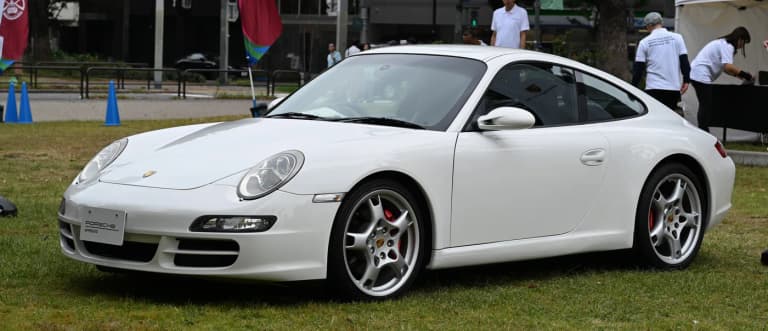
The manual wins on involvement. When you operate a manual gearbox you are actively participating in every gear change: feeling the clutch bite, timing the throttle, hearing the engine note shift as the revs drop and rise again. That connection is something a PDK cannot replicate, and it is the reason many enthusiasts still choose the manual even knowing it costs them time. For a guide that goes deep on this comparison, including how manual and PDK cars compare on the used market, see our Porsche PDK vs manual guide.
For everyday driving, PDK is simply easier. It never stalls, never misses a gear in traffic, and makes a 500-horsepower 911 tractable in a city. For track days where you want the fastest possible lap, PDK is the logical choice. Neither option is wrong: they are different experiences in the same car.
PDK vs Tiptronic: Clutch vs Torque Converter
Tiptronic was Porsche’s previous automatic transmission, first introduced in the 964-generation 911 in 1990. It is a conventional torque-converter automatic with a manual mode that lets you select gears by tapping the lever forward or back. Tiptronic shifted the 911 into the modern era of automatics, but it was always slower and less direct than PDK.
The core mechanical difference is the coupling between engine and gearbox. Tiptronic uses a torque converter, which is a fluid coupling that absorbs and multiplies torque but introduces a lag between engine input and wheel output. PDK uses two clutches that engage directly, so the connection is mechanical and the response is sharp.
In the Porsche lineup today, Tiptronic S survives only in the Cayenne. Every sports car uses PDK. On used Porsches, the simplest guide is generation. A 997 or later 911, a 987 or later Cayman or Boxster, or a 970 or later Panamera with an automatic: that is PDK. Earlier automatics in those body styles are Tiptronic.
Driving a PDK Porsche: Modes, Paddles, and Launch Control
In normal driving you do not need to think about PDK at all. Select D and the gearbox handles everything. It picks the right ratio for your speed and throttle input, slips the clutch gently at low speed for a smooth departure, and holds gears longer when you accelerate hard. It is a completely automatic experience when you want it to be.
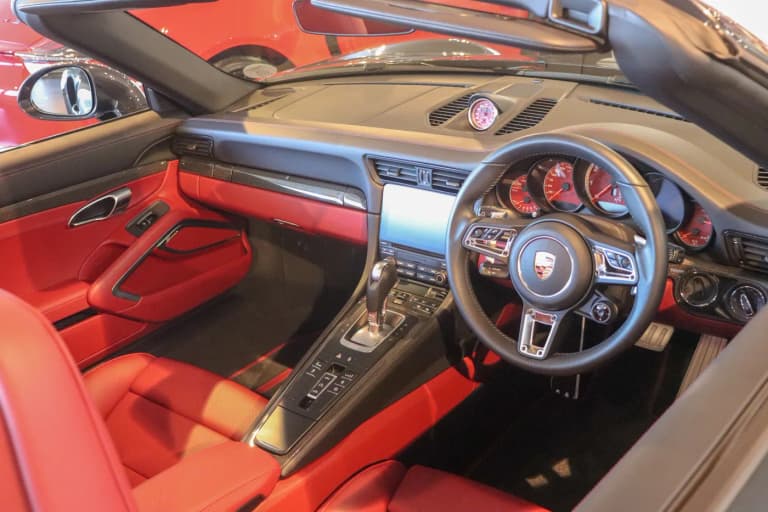
The gear selector in a PDK car is notably smaller and neater than an old automatic shifter. Porsche uses a compact joystick-style selector in the 992 and Panamera, and a conventional small lever in older models. In either case the positions are P, R, N, D, and Sport (on cars with the Sport Chrono package). There is no separate “2” or “L” range because PDK manages everything through its software modes.
Paddle Shifters and Manual Mode
The paddle shifters on the steering wheel let you take control of gear selection whenever you want. The right paddle shifts up and the left paddle shifts down. In D mode, pulling a paddle temporarily overrides the automatic selection. If you stop giving inputs, the gearbox returns to automatic after a few seconds of inactivity.
In Sport mode, the gearbox holds your manual selection for longer before stepping in. It also shifts more aggressively on its own, holding gears deeper into the rev range and blipping the throttle on downshifts to match engine speed. The result is a more urgent, louder, more engaging driving character without you having to do anything extra.
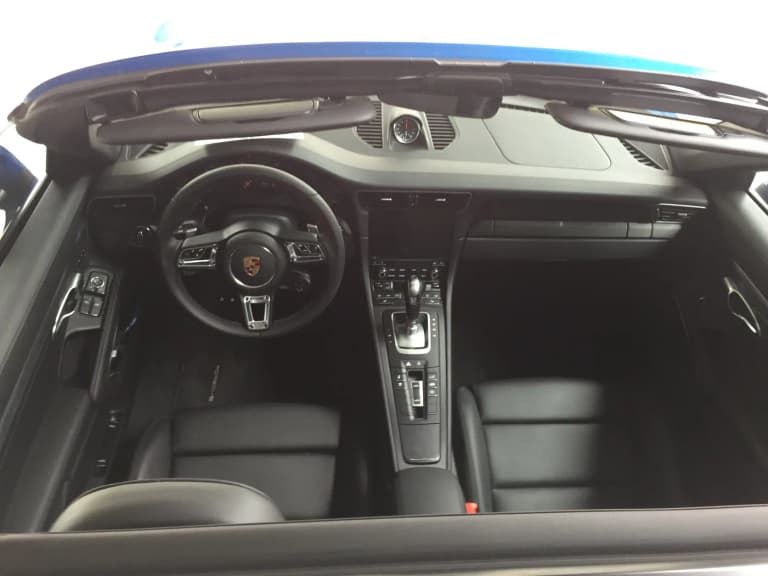
In manual mode, the gearbox holds whatever gear you choose until you shift again, within the limits of the engine’s protection system. It will not let you lug the engine below idle or over-rev it, but within that range it stays exactly where you put it. This is the mode to use on a circuit or a winding road where you want full control over which ratio you are in at every corner.
Launch Control and the Sport Chrono Package
The Sport Chrono package adds launch control to PDK cars. The procedure varies slightly by model and year. The general sequence: activate Sport Plus mode, hold the brake firmly with your left foot, floor the accelerator with your right to build revs, then release the brake. PDK manages the clutch slip and power delivery for the maximum possible acceleration off the line.
Launch control is how Porsche achieves its headline 0-to-60 times. The 992 Carrera S with PDK and Sport Chrono reaches 60 mph in 3.5 seconds, according to Porsche’s official figures. The 992 Turbo S does it in 2.6 seconds with all-wheel drive and the same system. Without launch control, a driver-managed standing start in the same car is measurably slower.
The system is designed to be repeatable. You can use it multiple times in a row without damaging the gearbox, though the clutches do generate heat under repeated use, and some cars limit launch control frequency as a protection measure. For occasional track use or a test of the car’s capability, it is there and it works as advertised. Porsche’s numbers are real.
PDK Reliability and Long-Term Durability
The Porsche PDK has earned a strong reliability record across more than 15 years of road use. It is generally more robust than many rival dual-clutch systems from other manufacturers, and Porsche engineered it to handle the power levels of the 911 Turbo and GT cars, not just the base Carrera. A well-maintained PDK in a normal road car should last the life of the vehicle without major issues.
The most common complaints from owners are not internal failures but calibration drift and shift quality changes over time. A PDK that has not had its fluid changed can develop slightly hesitant low-speed behavior, especially when pulling away from rest or in slow traffic. This is almost always resolved by a fluid and filter service, not by gearbox work.
True PDK failures, meaning internal mechanical damage requiring removal and rebuild, are rare on well-maintained cars. They do happen, and they are expensive when they do. But they are not a routine ownership concern the way some early dual-clutch systems from other brands were.
PDK Maintenance: Fluid and Filter Service
The main scheduled item for PDK is the transmission fluid and filter change. Porsche recommends this at roughly every 40,000 miles under normal use, though the exact interval depends on the model year and how the car is driven. A car used on track regularly should have the fluid changed more often, because heat cycles degrade the fluid faster than highway driving does.
The PDK uses a specific transmission fluid, and the grade matters. Do not use generic automatic transmission fluid in a PDK. Porsche specifies its own fluid or equivalent-grade products, and using the wrong type can cause shift quality issues and accelerated wear. Any Porsche-trained technician will know the correct specification.
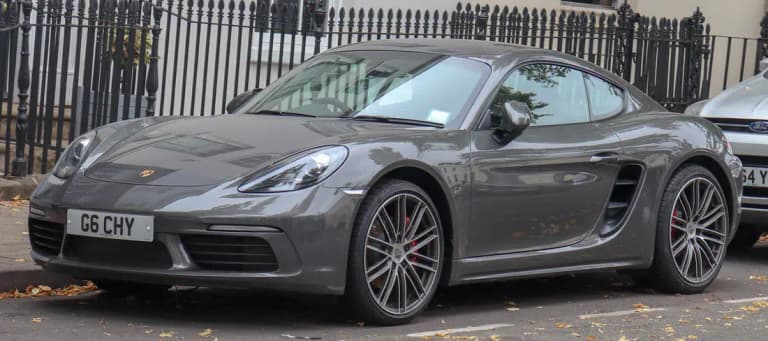
The filter sits inside the gearbox and is replaced together with the fluid. It is not a separate spin-on element like an engine oil filter. The job requires the fluid to be drained, the pan dropped, the filter removed, and everything reassembled before the new fluid goes in. It is more involved than an engine oil change but well within the capability of a dealer or specialist workshop.
Buying a Used PDK Car: What to Inspect
When buying a used Porsche with PDK, the first question to ask is whether the PDK fluid has been changed on schedule. Ask for the service record and check the mileage of the last transmission service. A car with 80,000 miles and no record of a fluid change is a risk, even if it shifts cleanly on a test drive.
On the test drive, pay attention to the low-speed behavior. A healthy PDK pulls away from rest smoothly and shifts cleanly at parking-lot speeds. Shuddering, hesitation, or clunking at low speeds can indicate worn clutch packs or dirty fluid. High-speed upshifts and full-throttle pulls should be crisp and decisive, with no slipping or lag.
Also check whether the car has been used on track regularly. A 911 with track use is not necessarily a problem, but a PDK that has seen many launch control cycles and hard track sessions needs closer inspection. The gearbox can handle it, but higher heat accumulation means the fluid should have been changed more frequently than a road-only car. If the service history shows long gaps between fluid changes on a known track car, treat that as a yellow flag.
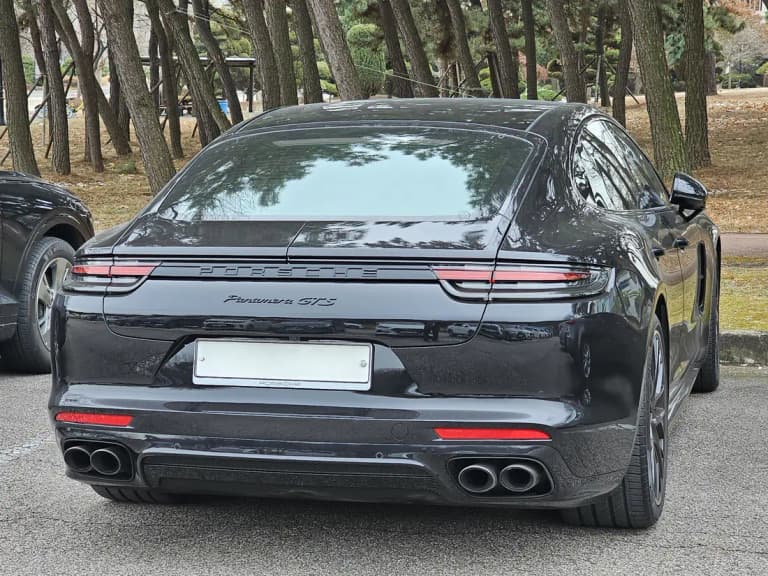
The good news is that PDK problems show up on a drive before they become catastrophic. A gearbox on its way to failure gives warning signs: hesitant shifts, unusual sounds, occasionally slipping out of a gear, or a check engine light related to transmission sensors. An independent pre-purchase inspection by a Porsche specialist will pick up all of these before you hand over money.
Frequently Asked Questions
What does PDK stand for?
PDK stands for Porsche Doppelkupplungsgetriebe, German for dual-clutch transmission. It uses two clutches on concentric shafts, one for odd gears and one for even gears, so the next gear is already engaged before the shift happens.
Is PDK an automatic transmission?
Functionally yes. PDK has no clutch pedal and shifts itself in normal driving. It differs from a conventional automatic in that it uses two friction clutches instead of a torque converter, which makes it shift faster and feel more direct. You can also take control with the steering-wheel paddles.
Is Porsche PDK faster than a manual?
Yes. PDK shifts in roughly 100 milliseconds with no power interruption, which is faster than any human can manage a clutch and lever. In back-to-back testing, PDK cars are typically 0.2 to 0.4 seconds quicker to 60 mph. Many drivers still prefer the manual for involvement and feel.
How many gears does a Porsche PDK have?
The 997 and 991 911, 718 Cayman, and 718 Boxster use a 7-speed PDK. The 992-generation 911, Panamera, and newer models use an 8-speed PDK that handles more torque and improves both acceleration and fuel economy.
Which Porsche models use PDK?
The 911 (from 997 onward), 718 Cayman, 718 Boxster, Panamera, and petrol Macan use PDK. The Cayenne uses a torque-converter automatic called Tiptronic S. The electric Taycan and electric Macan use purpose-built single or two-speed transmissions rather than PDK.
How often does Porsche PDK fluid need changing?
Porsche recommends changing the PDK transmission fluid and filter roughly every 40,000 miles under normal use. Track-driven cars should have it done more often because heat cycles degrade the fluid faster. Always ask for proof of this service when buying a used PDK car.
Images: 911 cockpit by Vauxford, CC BY-SA 4.0; dual-clutch diagram, public domain; 962C by Lothar Spurzem, CC BY-SA 2.0 DE; 992 Carrera S by Alexander Migl, CC BY-SA 4.0; 997 Carrera S by TTTNIS, CC0; 991 GT3 Touring by Alexander Migl, CC BY-SA 4.0; 991 interior by KarleHorn, CC BY 3.0; 718 Cayman S by Vauxford, CC BY-SA 4.0; Panamera GTS by Damian B Oh, CC BY-SA 4.0; Macan 4 by Alexander-93, CC BY-SA 4.0. Via Wikimedia Commons.