
The Porsche 911 has lasted over 60 years. If you’ve ever wondered why people love it so much and what makes it stand out from other sports cars, this article explains it all. No fluff. Just the facts, insights, and perspectives that actually matter.
We’ll cover what makes the 911 special, what to watch for if you’re buying one, how it compares to the competition, and where it’s headed next. If you’re into cars or thinking of becoming a 911 owner, this is for you.
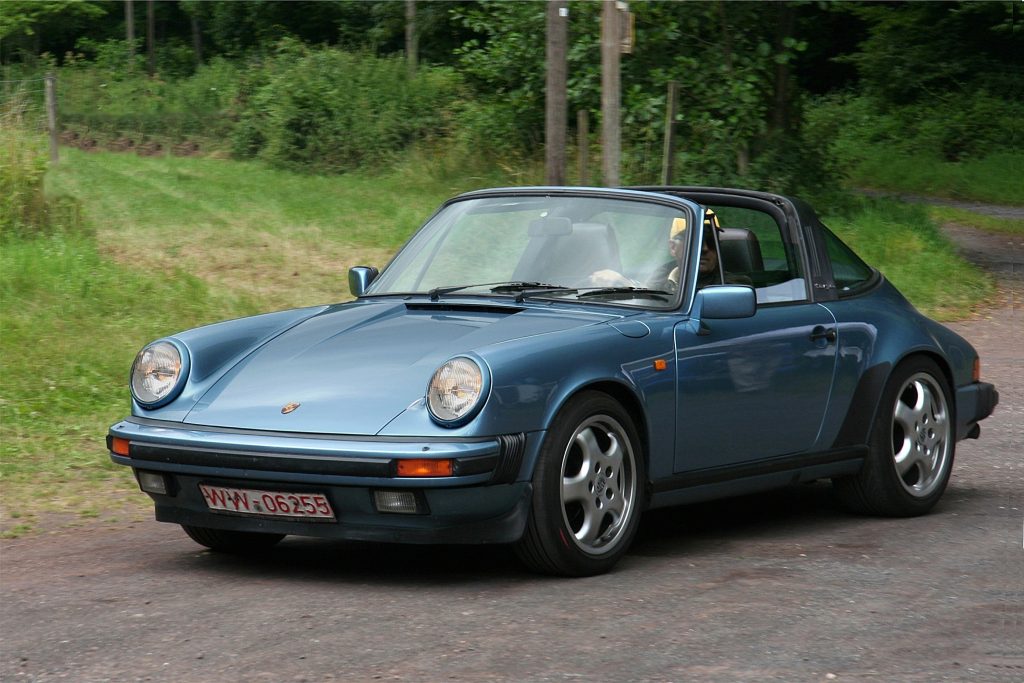
Quick Summary: Porsche 911 Specs at a Glance
- Production Start: 1964
- Production Status: Still in production (2024)
- Engine: Flat-6 (air-cooled until 1998, water-cooled since 996)
- Drivetrain: RWD or AWD, mostly 2+2 seating
- Current Model (992)
- Carrera: 379–473 hp
- Turbo/Turbo S: 572–640 hp, AWD, 0–100 km/h in as little as 2.7 seconds
- GT3/GT3 RS: 502–518 hp, naturally aspirated
- Transmission: Manual or PDK (dual-clutch) options are available, letting drivers choose between the engagement of a manual or the quick-shifting performance and convenience of an automatic (auto) transmission.
- Top Speed: Up to 312 km/h, depending on the model
The 911 is available in both coupe and cabriolet body styles, including the 911 Carrera Cabriolet and other 911 Carrera Cabriolet models. The cabriolet offers open-top driving excitement, while the coupe emphasizes classic sports car dynamics.
It’s one of the few sports cars where you can choose your style: a raw track weapon, a comfortable grand tourer, or a daily driver.
Contents
- 1 Quick Summary: Porsche 911 Specs at a Glance
- 2 What Makes the 911 Special?
- 3 A Brief History of the Porsche 911
- 4 The 911 Family: Carrera, Turbo, GT3, and More
- 5 Inside the 911: Interior and Features
- 6 The 911 Community: Ownership, Passion, and Lifestyle
- 7 911 as an Investment: Collectibility and Value
- 8 Racing Pedigree: The 911 on Track and in Competition
- 9 Frequently Asked Questions (FAQs)
- 10 Final Thoughts
What Makes the 911 Special?
1. The Rear-Engine Layout
Most carmakers gave up on rear-engine layouts decades ago. Porsche didn’t. Instead, they turned it into an advantage. Placing the engine behind the rear axle creates a very specific kind of handling. Understeer on entry, but excellent traction on corner exit. It’s not the easiest layout to master, but once you figure it out, it’s addictive.
2. Daily Usability
I’ve taken a 997 through Bangkok traffic and pushed it only on the open roads. Both felt completely at home. The 911 manages to be comfortable without giving up its edge. Rear seats are usable for short trips or extra cargo, and the front trunk gives you more than you’d expect.
You get heated seats, Bluetooth, adaptive suspension, and even a dual-clutch that’s smooth in stop-and-go traffic. And that usability isn’t just limited to modern models. Air-cooled 911s may be more analog, but they’re tough. A well-maintained G-body can still be a reliable daily with character.
3. Legacy + Evolution
What makes the 911 unique is how it’s evolved without losing its identity. From long-hood classics to the current 992, every generation builds on the last. Porsche refines, rather than reinvents. The 911 has always stayed true to its roots, maintaining its foundational character even as it evolves with modern advancements.
The shape hasn’t changed much in over six decades. That’s not stubbornness, it’s confidence. Sure, the 992 has variable geometry turbos and a high-tech interior, but it’s still a 911 through and through. The engine’s in the back, the headlights are round, and the feel is unmistakable.
4. Emotional Engineering
There’s something about the way a 911 is built that just feels right. Open the door, and the solid thunk gives you confidence. Steering, especially in the older hydraulic systems, is direct and alive. Every control feels like it was designed by someone who actually drives.
The pedals are positioned so you can heel-toe easily. The shifter is short and precise. Purists especially appreciate these traditional, engaging features. It all feels intentional, like everything in the car is working with you.
And then there’s the sound. Whether it’s the metallic bark of a 964 or the high-pitched wail of a GT3 at 9,000 rpm, it’s not just loud. It tells a story.
A Brief History of the Porsche 911
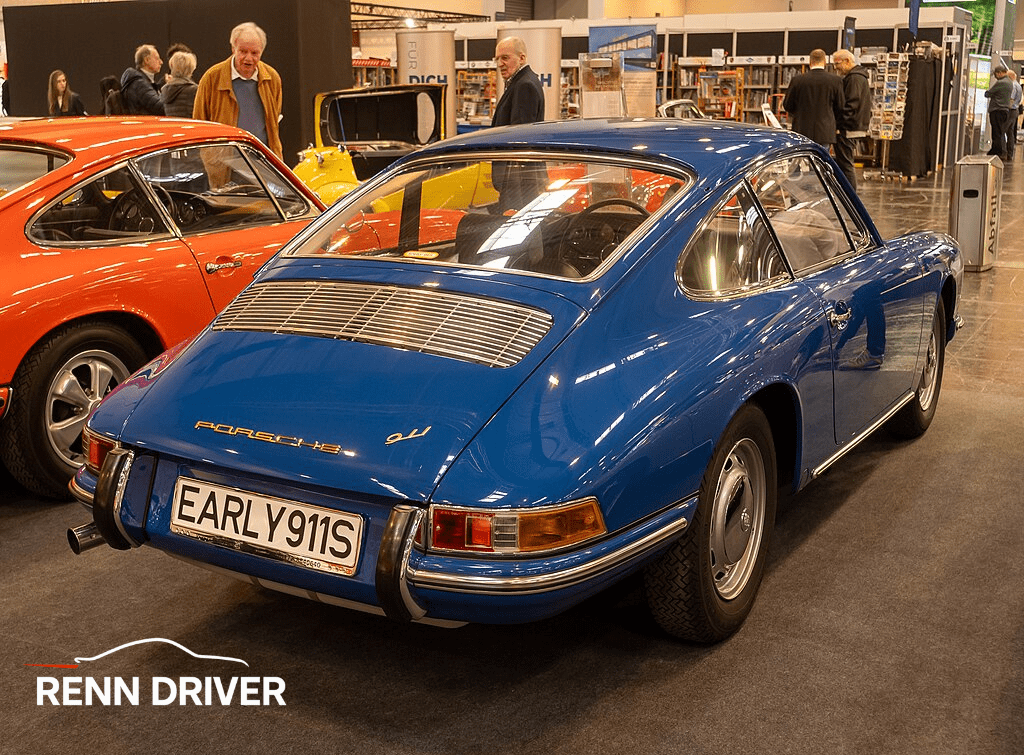
The Porsche 911 was introduced in 1964 as a successor to the 356. At first, it had a 2.0L flat-six engine and a shape that’s now instantly recognizable. That basic layout, with the engine in the back, 2+2 cabin, timeless curves, hasn’t changed.
But everything else has been steadily improved. Through each generation, Porsche has continuously developed new engines, improved materials, and cutting-edge technology, yet kept that 911 soul intact.
Why Are There “Two” Kinds of 911s?
If you’ve ever looked at classic 911s and wondered why a 1975 car is just called a “911,” while a 1997 one is called a “993,” here’s the deal.
Porsche uses internal model codes to distinguish different generations of the 911. These codes, like 964, 993, 996, 997, 991, and 992, represent major redesigns. So while every car is officially a “911,” enthusiasts and experts refer to the generation by these codes to be more specific.
For example:
- A 1975 model might just be called a “911” or a “G-body 911.”
- A 1997 model is part of the 993 generation.
- A 2005 model is a 997.
So yes, they’re all 911s. But just saying “911” isn’t always specific enough. These generation codes help keep the history clear.
The Air-Cooled Era (1964–1998)
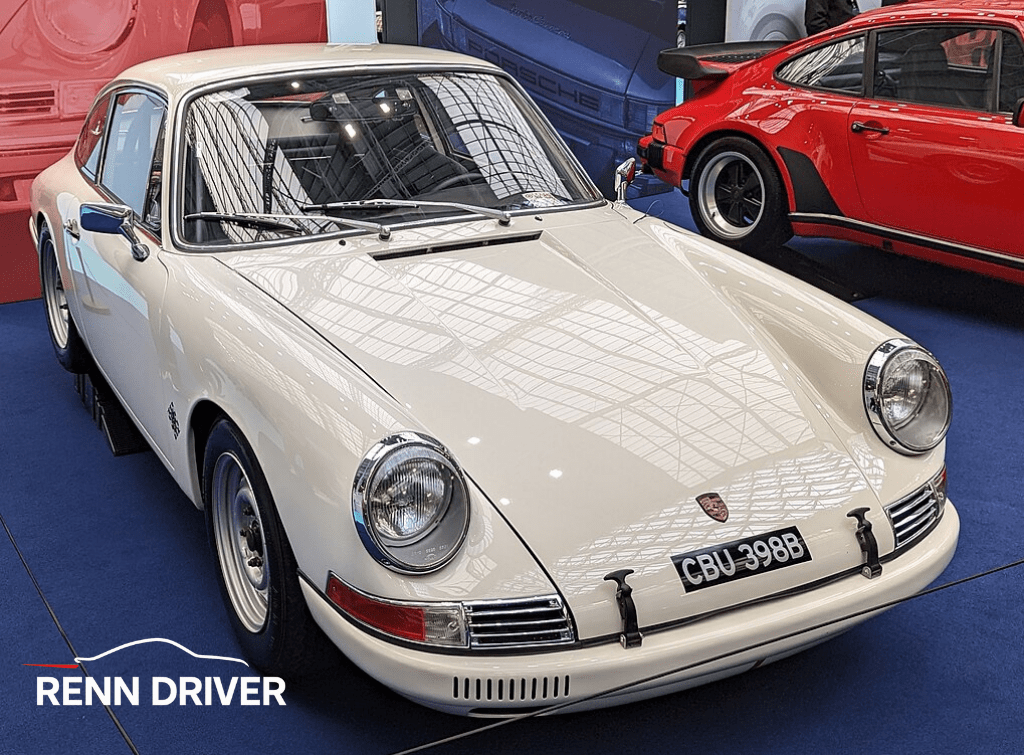
- Original (1964–1973): Launched with a 2.0L engine, later expanded to 2.4 and 2.7 liters. Lightweight, simple, and raw. Models like the 911 S and 2.7 RS became icons.
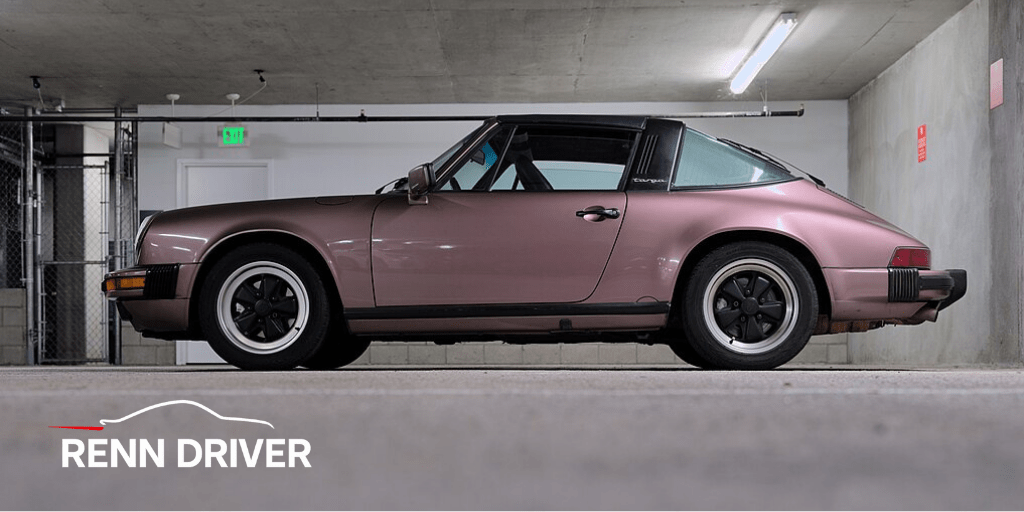
- G-Series (1974–1989): Added impact bumpers for U.S. regulations. More refinement, more power. The 3.2 Carrera and 911 SC from this era are still daily-drivable classics.
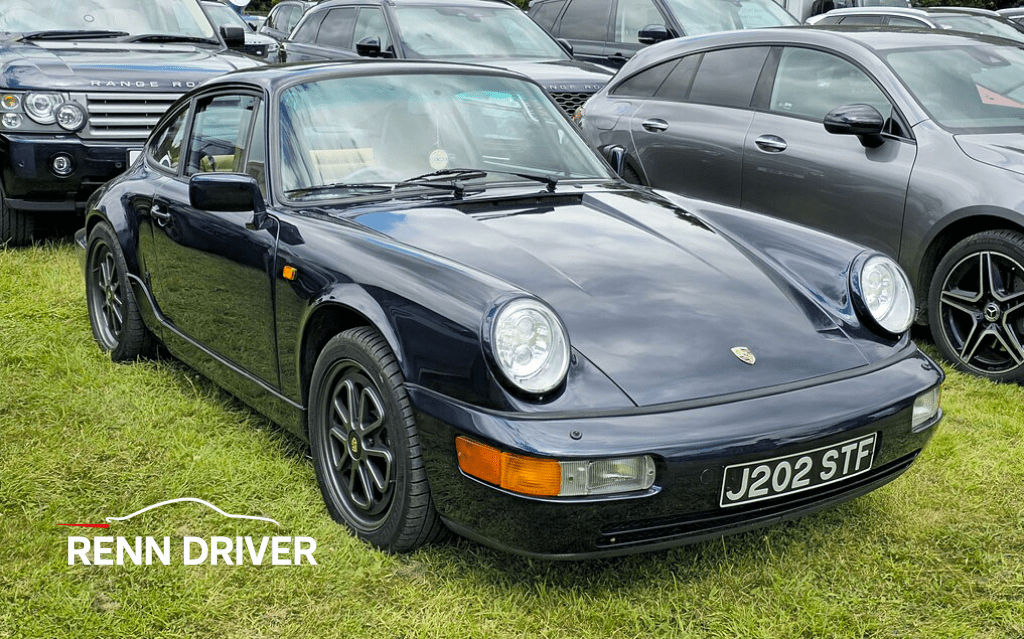
- 964 (1989–1994): Big tech leap. ABS, power steering, airbags, and optional AWD in the Carrera 4. Still air-cooled but much more modern.
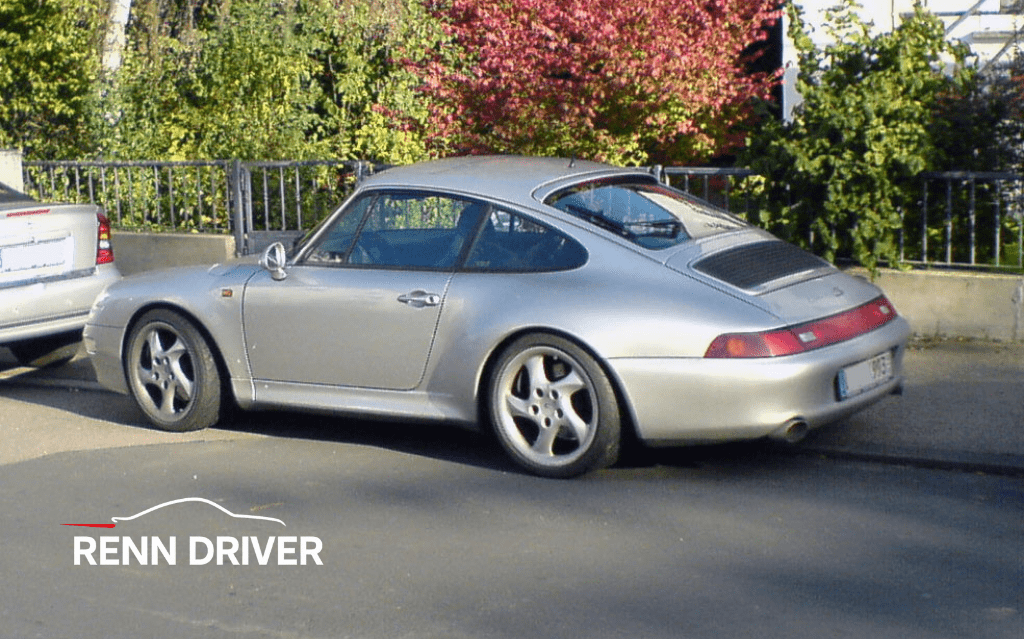
- 993 (1995–1998): The final air-cooled generation. Introduced multi-link rear suspension, better build quality, and sleeker design. Widely loved for being the best mix of analog feel and usability.
The Water-Cooled Shift (1999–Present)
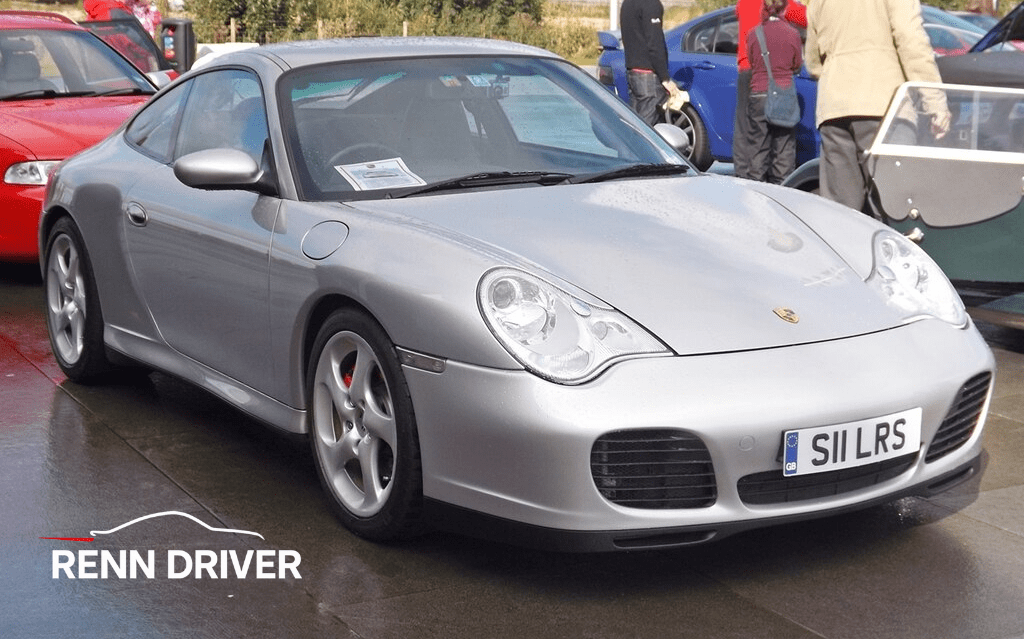
- 996 (1999–2004): First water-cooled 911. Controversial for its “fried egg” headlights and IMS bearing issues, but it brought huge performance and modern reliability.
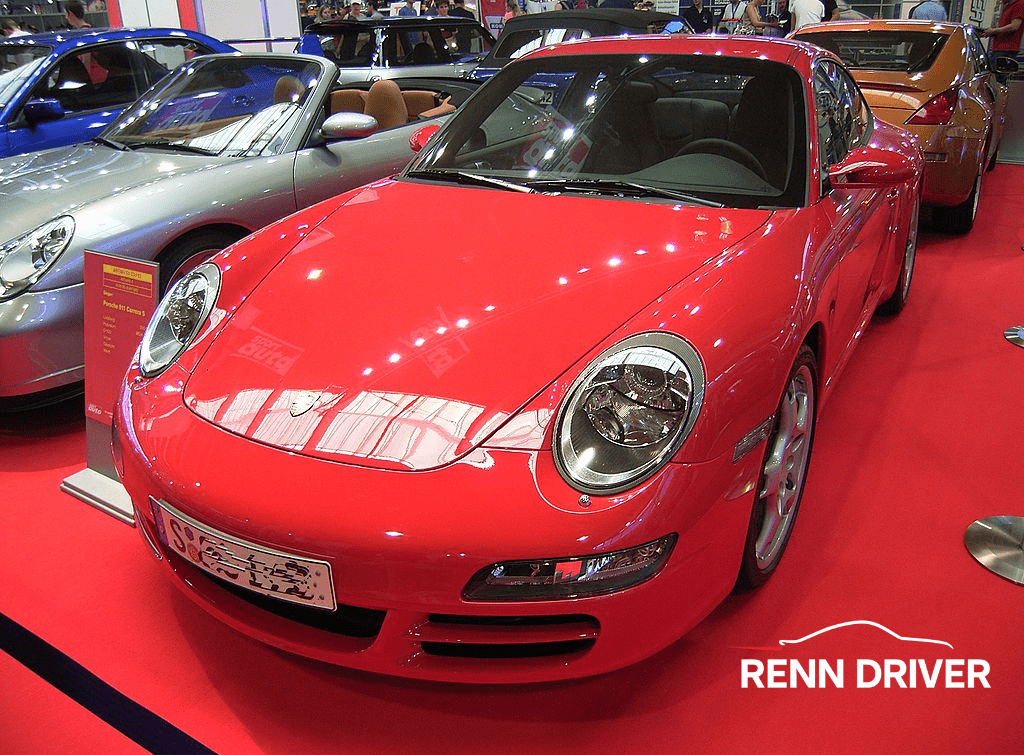
- 997 (2005–2012): Classic looks returned. Better interiors, more variants, and the introduction of direct fuel injection and PDK.
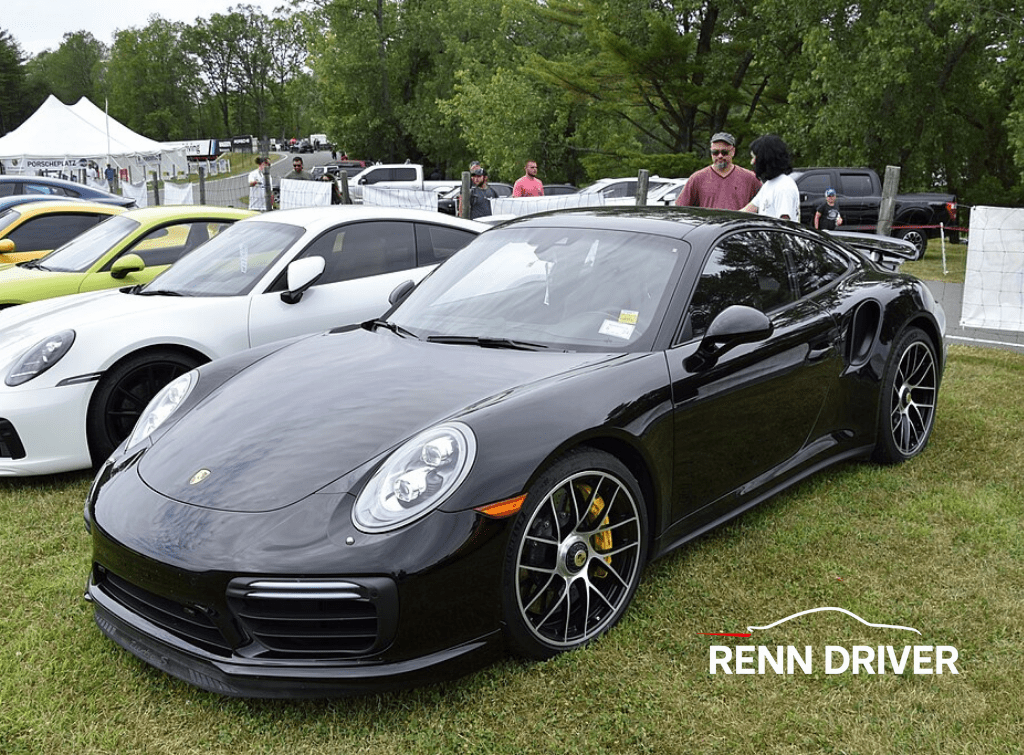
- 991 (2012–2019): Bigger body, longer wheelbase, better handling. Turbocharging became standard on Carreras.
- 992 (2020–Present): The current model. Digital dash, widebody look across all trims, and tech-packed. Still unmistakably a 911.
The 911 Turbo 50 Years special edition stands out in this era, celebrated for its distinctive features, impressive acceleration, powerful engine, and top track speed, marking it as a high-performance commemorative model.
Through it all, Porsche has never wavered on the 911’s essence. It still feels like a 911 because Porsche refuses to compromise on what makes it special.
The 911 Family: Carrera, Turbo, GT3, and More
The Porsche 911 lineup is a showcase of what makes sports cars so compelling, offering a model for every kind of enthusiast. At the heart of the family is the 911 Carrera, a rear-wheel drive icon with a naturally aspirated engine that delivers pure, responsive performance.
The 911 Carrera lineup includes models like the standard Carrera, Carrera S, and the enthusiast-focused Carrera T, which offers a more stripped-down experience for purists who still want a connected drive.
For those seeking maximum grip and acceleration, the 911 Turbo adds all-wheel drive, Porsche Traction Management, and brutal acceleration figures. In fact, the Turbo S can hit 0–100 km/h in under 3 seconds and achieve a top speed north of 312 km/h.
Drivers can select models with either four or rear-wheel drive, depending on their driving style and performance needs. Even within the same generation, multiple trims are tuned for different personalities. Some are reaching the same speed benchmarks but with entirely different setups.
Track junkies gravitate toward the 911 GT3, a model engineered for the circuit with a high-revving, naturally aspirated engine and rear wheel drive for maximum driver engagement. The 911 GT3 RS takes things further, adding a dramatic rear wing and advanced aerodynamics for those who demand the ultimate in track performance.
Meanwhile, models like the 911 Carrera 4 GTS and 911 Turbo blend everyday usability with serious speed, offering a range of options for drivers who want a sports car that can do it all.
No matter which version you select, every 911 carries the DNA of a true performance machine, engineered for the road, but always ready for the track.
Inside the 911: Interior and Features
Step inside a Porsche 911 and you’re greeted by an interior that perfectly balances comfort, technology, and performance. The cabin is crafted with premium materials like leather and Alcantara, and the design is unmistakably modern, with clean lines and intuitive controls.
Every detail is focused on the driver, from the supportive seats to the perfectly positioned steering wheel and pedals.
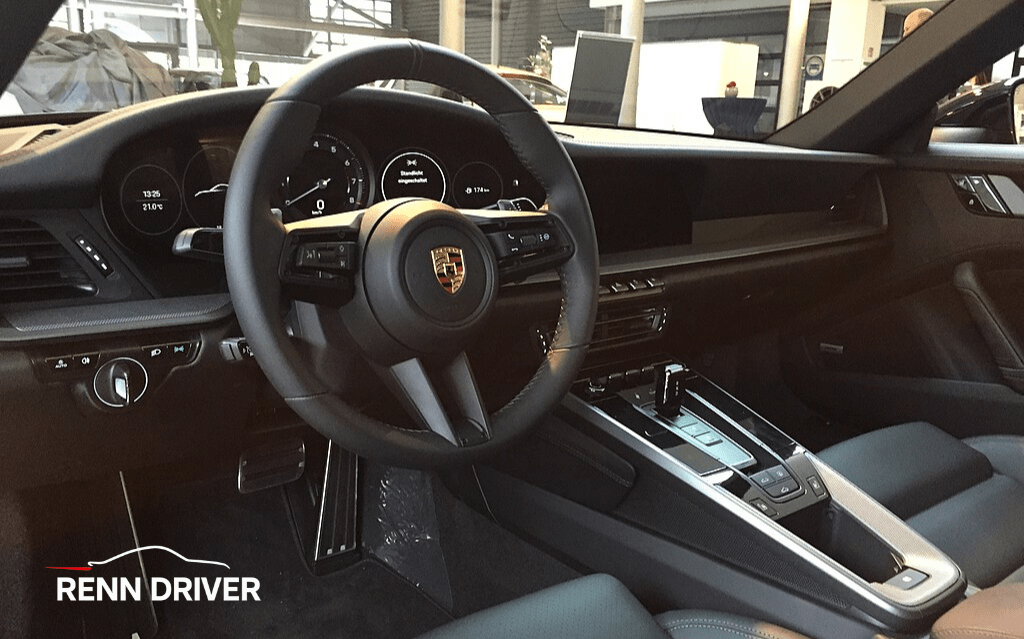
Technology is front and center, with a high-resolution infotainment display, advanced navigation, and a suite of driver assistance features that make every drive more enjoyable.
The Sport Chrono Package is a must-have for performance enthusiasts, adding a stopwatch, performance display, and driving mode selector that lets you tailor the car’s character to your mood. Customization is also a hallmark of the 911, with a wide range of interior trim options (wood, aluminum, carbon fiber) so you can make your car truly your own.
Customization is extensive. Whether you’re choosing a new model with Touring Package, Sport Chrono, or traditional features like the manual gearbox. And whether you’re carving up a back road or cruising in comfort, the 911’s interior is designed to keep you connected, comfortable, and in control.
The 911 Community: Ownership, Passion, and Lifestyle
Owning a Porsche 911 is about more than just driving, it’s about joining a passionate community that spans the globe.
For many, the 911 is a lifestyle, not just a car. Porsche fans gather at club events, track days, and meetups, sharing stories, tips, and a deep appreciation for the brand’s heritage. Even if you’re a first time owner, you’ll find the 911 community to be welcoming and supportive, eager to help you get the most out of your car.
Online, the 911 community thrives in forums and social media groups, where owners swap advice, organize drives, and celebrate everything Porsche. Whether you’re interested in classic models or the latest 911 Carrera, there’s a place for you among fellow enthusiasts who understand what makes these cars so special.
911 as an Investment: Collectibility and Value
The Porsche 911 isn’t just a thrill to drive, but it’s also one of the most respected collectible cars on the market. Thanks to its timeless design, legendary performance, and strong brand heritage, many 911 models have seen their values rise over time.
Limited-production versions like the 911 GT3 RS, 911 GT3, and 911 Turbo are especially prized by collectors for their rarity and track-ready engineering.
Condition and mileage play a big role in a 911’s value, with well-maintained, low-mileage cars commanding top prices. For those looking to invest, it pays to research which models and years are most sought after. The special editions and high-performance variants often lead the pack.
Whether you’re buying for passion or profit, a Porsche 911 is a piece of automotive history that’s likely to hold its value for years to come.
Racing Pedigree: The 911 on Track and in Competition
Few sports cars can match the Porsche 911’s racing pedigree. From the world’s toughest endurance races to local track days, the 911 has proven itself time and again. Its rear engine layout and rear wheel drive give it a unique balance and agility, making it a favorite among drivers who demand precision and feedback.
The 911 GT3, in particular, is a staple on circuits worldwide, with the 911 GT3 Cup car competing in dedicated racing series across the globe.
Many of the features found in road-going 911 models, like the Sport Chrono Package and advanced engine technology, are inspired by Porsche’s success on the track. Whether you’re pushing the limits on a race circuit or enjoying a spirited drive on the road, the 911’s competition heritage is always on display.
For anyone who values performance, engineering, and the thrill of driving, the 911 is a sports car that truly delivers, both on and off the track.
Frequently Asked Questions (FAQs)
Will the 911 go electric?
The 911 won’t go electric anytime soon. Porsche is investing heavily in synthetic fuels to keep internal combustion alive. The Taycan fills the EV slot for now, the 911 stays sacred.
Will the 911 ever drive itself?
No, the 911 will not drive itself. Porsche has made it clear that the 911 will always be driver-first. Expect features like adaptive cruise, but not full autonomy. You’re meant to drive it.
Will the 911’s design ever change?
No, not radically. Porsche updates the look carefully, refining rather than reinventing. The 911’s shape is iconic for a reason.
Is the Porsche 911 a good daily driver?
Yes, the 911 is a great daily driver. Even the 992 Turbo S can be driven in comfort mode and has ground clearance that won’t scare you off speed bumps.
Which 911 is best for a first-time buyer?
The best 911 for a first-time buyer is the 997.2 Carrera S or a well-sorted 996 manual. They’re reliable, engaging, and relatively affordable. Price is an important consideration for first-time buyers, making these models attractive options.
Is a manual better than PDK?
A manual is better than PDK if you value a traditional, engaging driving experience and enjoy being fully in control. The PDK is better if you want faster shifts, higher performance, and easier driving, especially in traffic. It depends on whether you prioritize connection or convenience/performance.
Are 911s expensive to maintain?
Yes, 911s are expensive to maintain compared to a Camry. But for a performance car? Not bad.
Parts are available, and lots of indie shops specialize in Porsche.
Can I take a 911 to the track?
Yes, you can and should take a 911 to the track. Even a base Carrera can hold its own. Just make sure your tires, brakes, and fluids are fresh. Before heading out, it’s especially important to inspect the rear wheels and all wheels for any signs of wear or damage to ensure optimal performance and safety.
Final Thoughts
The 911 is not about chasing numbers. It’s about feeling, and somehow, Porsche has managed to keep that feel alive for over six decades.
You don’t need the perfect one. Doesn’t have to be a GT3 or some rare spec. Just find a good one, drive it, and see what clicks. Some people don’t get it right away. Others drive one and never look at cars the same again.
Just be warned: once you do, it’s hard to go back!
Photo Credit: Lothar Spurzem, CC BY-SA 2.0 DE, via Wikimedia Commons, Calreyn88, CC BY-SA 4.0, via Wikimedia Commons, Matti Blume, MB-one, CC BY-SA 2.0 DE, via Wikimedia Commons,, Mark Harkin, CC BY 2.0, via Wikimedia Commons, Stefan-Xp, CC BY-SA 3.0, via Wikimedia Commons, Charles from Port Chester, New York, CC BY 2.0, via Wikimedia Commons, Matti Blume (CC BY-SA or GFDL), via Wikimedia Commons, Dllu, CC BY-SA 4.0, via Wikimedia Commons, KarleHorn, CC BY 3.0, via Wikimedia Commons