
Let’s start with something simple: the Porsche 911 Carrera isn’t the loudest or most extreme 911. It’s not a GT3, it’s not a Turbo. But that’s kind of the point.
It’s the one you can drive every day, take on a weekend trip, or even sit in traffic without hating life. And when you push it, it still delivers that signature flat-six feel that makes you grin.
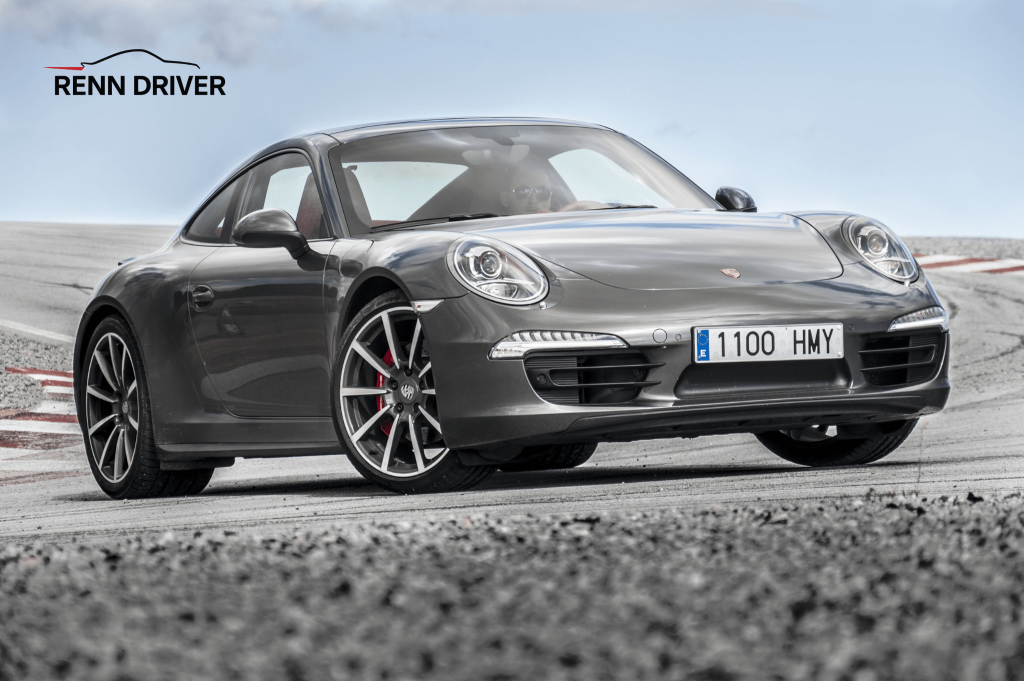
In this guide, I’ll walk through what the 911 Carrera is, how it’s evolved, and what makes it special.
Contents
- 1 Quick Summary
- 2 A Brief History of the 911 Carrera
- 3 Generations of the 911 Carrera
- 4 Design and Driving: Classic Shape, Modern Feel
- 5 911 Carrera Trims: Carrera vs. S vs. 4S vs. GTS
- 6 Customization Options: Your Carrera, Your Way
- 7 Design & Interior: Tech Meets Tradition
- 8 Motorsport Legacy and Pop Culture Moments
- 9 Fun Facts About the 911 Carrera
- 10 Warranty and Maintenance: What’s Covered
- 11 Living with a 911 Carrera
- 12 Why the Carrera Still Matters
- 13 Frequently Asked Questions (FAQs)
- 14 Final Thoughts
Quick Summary
Production Years: 1964–present (Current generation: 2019–present 992)
Notable Models: Carrera, Carrera S, Carrera 4S, GTS, Targa, Turbo, Turbo S, GT3, GT3 RS
Engine: 3.0L twin turbochargers flat-six (current); earlier models featured 3.2L, 3.6L, and 3.8L naturally aspirated engines
Transmission: 7-speed manual or 8-speed PDK dual-clutch
Platform: Rear-engine, rear wheel drive, or all-wheel drive; evolved across 8 generations
Dimensions (992): Length: 4,519 mm, Width: 1,852 mm, Wheelbase: 2,450 mm
Tech: PASM, sport chrono package, rear-axle steering, PDCC, adaptive aero
Legacy: The Carrera remains the most balanced and usable 911, blending everyday livability with Porsche’s racing DNA
A Brief History of the 911 Carrera
The “Carrera” name came from the Carrera Panamericana, a brutal open-road race in Mexico that Porsche won in the early 1950s. Since then, it’s been used to mark out performance-oriented models in the 911 lineup.
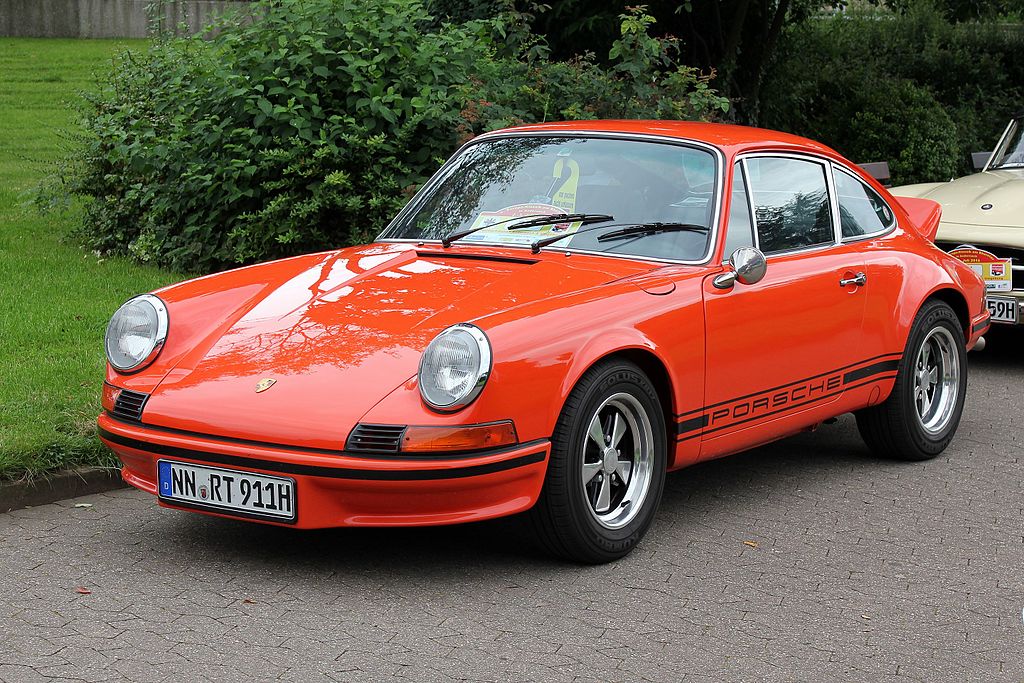
The Carrera badge made its first appearance on the 356 in 1955. But in the 911 world, it really gained steam in the 1970s with the launch of the Carrera RS 2.7. This car is still one of the most collectible 911s ever made.
Over the decades, the 911 Carrera has evolved across eight generations, each one building on the last.
Generations of the 911 Carrera
1st Gen (1964–1973): 911
- The original 911. Air-cooled 2.0L flat-six (130–190 hp)
- Lightweight, simple, and pure
- No “Carrera” model until RS 2.7 in 1973
- Handled like a pendulum if you lifted mid-corner, thrilling or terrifying depending on the driver
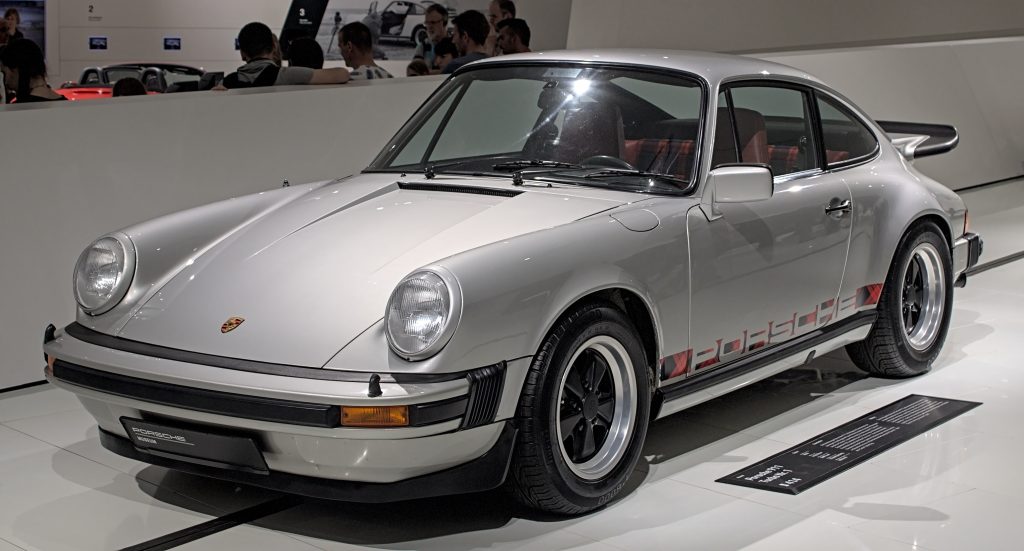
2nd Gen (1974–1989): The G-Series
- First use of impact bumpers (to meet U.S. crash standards)
- 2.7, 3.0, and eventually 3.2L engines
- 1984–1989 Carrera 3.2 became the definitive air-cooled 911 before the 964
- Still a favorite among purists for its analog feel and relatively modern reliability
3rd Gen (1989–1994): 964
- First 911 to offer ABS and power steering
- New coil-spring suspension replaced torsion bars
- AWD Carrera 4 debuted alongside RWD Carrera 2
- Iconic whale tail and integrated bumpers gave it a cleaner look
4th Gen (1995–1998): 993
- Last air-cooled 911, considered by many to be the best
- New multi-link rear suspension improved handling dramatically
- Sleek wide rear fenders and more refined styling
- Carrera S and 4S models highly collectible today
5th Gen (1999–2004): 996
- First water-cooled 911, which caused controversy
- Shared headlight design with Boxster (aka “fried egg” look)
- Early engines had IMS bearing issues, now well documented
- Carrera 4S coupe is a sweet spot, widebody, AWD, more usable
6th Gen (2005–2012): 997
- The 997 brought back classic looks with serious performance upgrade
- Returned to round headlights and more classic styling
- Improved build quality, more powerful engines
- Interior finally felt premium again
- Carrera S and GTS variants were standout performers
7th Gen (2012–2019): 991
- The 991 was a tech-savvy leap forward—bigger, faster, and smarter
- Longer wheelbase, electric steering, and major tech leap
- Naturally aspirated flat-six (991.1), then turbocharged (991.2)
- Active aero, improved suspension, and sharper looks
- GTS became the go-to “best of both worlds” choice
8th Gen (2019–Present): 992
- Most modern Carrera to date: digital gauge cluster, touchscreen PCM
- All trims use a 3.0L twin-turbo flat-six
- Carrera now quicker than past Turbo models
- Daily-friendly yet still deeply engaging to drive
Design and Driving: Classic Shape, Modern Feel
Engine and Performance
All current Carreras use a 3.0-liter twin-turbo flat-six. Here’s how the power breaks down:
- Carrera: 379 hp
- Carrera S: 443 hp
- Carrera GTS: 473 hp
Torque figures range from 331 to 420 lb-ft. You’ll feel the difference in the midrange, especially in the GTS, which benefits from increased power output compared to the standard Carrera models.
You can choose between:
- PDK (Porsche’s dual-clutch automatic, quick, smooth, and hard to fault)
- 7-speed manual (available on S and GTS rare, mechanical, rewarding)
0–60 times vary from around 4.0 seconds in the base car to just over 3 seconds in the GTS with Sport Chrono and PDK. But this isn’t just about numbers. It’s how it makes power, quick spool, linear pull, and that unmistakable flat-six snarl as you climb the revs.
Handling and Ride
Porsche has mastered the balance of comfort and capability. The Carrera proves it:
- Rear-engine layout gives it exceptional traction off the line
- PASM active suspension makes it adaptable, firm on track, compliant on city streets
- Optional rear-axle steering (on higher trims) improves agility
- Wide tires and a low center of gravity make it feel planted but never punishing
It’s the kind of car you want to take the long way home in.
911 Carrera Trims: Carrera vs. S vs. 4S vs. GTS
Here’s a quick overview of what you’re actually choosing between.
| Trim | Power (hp) | Drivetrain | 0–60 mph | Notes |
|---|---|---|---|---|
| Carrera | 379 | RWD | ~4.0 sec | Base model. Plenty fast. Purest form. |
| Carrera S | 443 | RWD | ~3.5 sec | More power, bigger brakes, available manual |
| Carrera 4S | 443 | AWD | ~3.4 sec | Better for wet/snow climates |
| Carrera GTS | 473 | RWD or AWD | ~3.1 sec | The sweet spot: performance + daily livability |
If you want all-wheel drive, look for the “4” in the name. If you want the most speed without going Turbo or GT, the GTS is probably it.
Customization Options: Your Carrera, Your Way
Porsche lets you tailor your car like a bespoke suit.
Some of the highlights:
- Paint to Sample (PTS) – Want Irish Green or Gulf Blue? Done.
- Interior options – Two-tone leather, Alcantara, contrast stitching, wood, or carbon trims
- Seats – Standard, Sport, or Full Bucket
- Exhausts, spoilers, wheels – You can spec it mild or wild
- Lightweight packages – Reduce sound deadening and add performance touches
It’s easy to spec a Carrera into GTS territory, or beyond. Just know: customization is where Porsche makes its money.
Check every box, and your $120k Carrera can become a $170k build quickly.
Design & Interior: Tech Meets Tradition
Inside, the Carrera balances tradition and innovation.
- Analog tach in the center (even in digital-heavy 992s)
- Touchscreen PCM system with Apple CarPlay, Android Auto, and voice control
- Drive mode selector (if you have Sport Chrono) lets you toggle between Normal, Sport, Sport+, and Individual. The driver faces a modern instrument cluster that blends digital displays with traditional analog elements.
- Optional cooled seats, Burmester sound, and ambient lighting give it GT comfort levels
Seats are supportive but not tight. Visibility is excellent for a sports car.
And the rear seats? They’re usable for kids or a backpack, but no adult will thank you.
Motorsport Legacy and Pop Culture Moments
The Carrera name isn’t just marketing, it’s earned.
- 911 Carrera RSR won class at the 24 Hours of Le Mans in the 1970s
- Carrera Cup series exists worldwide, spec racing that showcases the platform’s durability and balance
- 911s have raced (and won) in WRC, IMSA, and endurance racing for decades
In pop culture, the Carrera is everywhere:
- Bad Boys – Will Smith driving a black 964
- Top Gun: Maverick – Jennifer Connelly in a ’73 S
- Jay Leno, Jerry Seinfeld, and Magnus Walker all own or collect Carreras
It’s a car that quietly says, “I know what I’m doing.”
Fun Facts About the 911 Carrera
- “Carrera” means “race” in Spanish
- The 911’s engine is still air-cooled… sort of. It uses an air-to-water intercooler.
- First factory AWD 911? The 964 Carrera 4 in 1989
- Rear seats have been standard since the start, but fold them down, and you’ve got a usable luggage shelf
- Some GTS models can come without rear seats at all, by request
- A 992 Carrera outpaces early 2000s Turbos in almost every metric
- You can still get a naturally aspirated Carrera, in GT3 form, for $190k+
- Porsche uses the same basic flat-six design across all 911s, just tuned and turbo’d differently
- The 911’s shape has been wind-tunnel refined, but the drag coefficient is still ~0.29. It’s pretty good for a shape that hasn’t really changed since 1964
Warranty and Maintenance: What’s Covered
All new Carreras come with:
- 4-year / 50,000-mile limited warranty
- 2-year maintenance plan (sometimes extended for CPO models)
- Roadside assistance included
Regular maintenance is annual or every 10k miles. If you’re buying used, look for service history. These cars age well when cared for, but they’re not immune to neglect.
Expect:
- Oil change: $300–$400
- Tires: $1,200+ for a full set of Michelins
- Annual service: ~$800, depending on dealer
Living with a 911 Carrera
Daily driving is made easier with technology like Porsche Traction Management (PTM) on AWD models, which distributes power seamlessly between front and rear wheels to improve stability in all conditions.
What’s good:
- Quiet when you want it to be
- Excellent visibility for a low-slung sports car
- Surprisingly good fuel economy (~25 mpg highway)
- Trunk fits a carry-on and a backpack
- Rear seats fold flat, great for groceries, gym bags, or a small dog
What’s not:
- Back seats are cramped
- Rear wheels wear faster than fronts (especially if you drive it like it wants)
- Repairs and parts aren’t cheap, it’s still a Porsche
But compared to an AMG GT or Audi R8? The Carrera is easier to live with in almost every way.
You get a sports car feel with almost luxury car comfort, and that’s a rare combo.
Why the Carrera Still Matters
There’s a reason the Carrera sits at the center of the 911 range.
It’s not trying to be the ultimate track weapon. It’s not chasing lap times. It’s just a brilliantly engineered, incredibly well-balanced sports car.
- Compared to a GT3, it’s quieter, comfier, and easier to drive daily.
- Compared to a Turbo, it’s lighter, more engaging, and less numb.
- Compared to the base Cayman, it’s more powerful, more iconic, and has two extra seats (kind of).
For many enthusiasts, it’s the right amount of everything: power, tech, heritage, and usability.
Frequently Asked Questions (FAQs)
How much does a 911 Carrera cost?
A brand-new base 911 Carrera starts around $114,000 USD. The Carrera S runs closer to $130,000, and the GTS pushes past $150,000 before options. Used prices vary widely depending on generation, mileage, and spec, older 996s can be found in the $30k–$50k range, while clean 997 GTS models fetch $80k+.
What is the price of a Porsche 911 Carrera?
New 992-gen Carreras range from $114,000 to $160,000+, depending on trim and options. Expect to pay more for AWD (“4” models), manual transmission, or high-demand specs like the GTS. Custom builds or Paint to Sample cars can climb even higher.
Is a Porsche 911 and Carrera the same thing?
No, the Porsche 911 and Carrera are not exactly the same thing. The 911 is the model line. Carrera refers to the core variants within that line, usually the most “daily-driver friendly” versions. So while all Carreras are 911s, not all 911s are Carreras (some are GT3, Turbo, Targa, etc.).
Why is it called a Carrera?
It is called a “Carrera because “Carrera” means “race” in Spanish. Porsche adopted the name after winning the Carrera Panamericana, a deadly road race in Mexico during the early 1950s. The name has been used to denote performance-focused 356 and 911 models ever since.
What are the top 5 Porsche cars?
The top 5 Porsche cars are:
- 911 Carrera RS 2.7 – Lightweight icon from the ’70s
- 911 GT3 Touring (992) – Purist’s dream with NA power and a manual
- 918 Spyder – Porsche’s hybrid hypercar
- 911 Turbo S (991.2 or 992) – Brutally fast, still comfy
- Cayman GT4 RS – Mid-engine, track-focused, and glorious to drive
The answer will, of course, depend on who you ask, but that’s a solid list for performance and legacy.
Final Thoughts
If you want one car that blends performance, pedigree, and practicality, the 911 Carrera makes a strong case. It’s not the flashiest Porsche.
But it’s the one that just works, be it in traffic, on road trips, on canyon roads, or even in the rain.
And once you drive one, it’s hard to go back.
What’s your favorite Porsche? Let me know in the comments below.
Photo credit: David Villarreal Fernández, CC BY-SA 2.0, via Wikimedia Commons, Lothar Spurzem, CC BY-SA 2.0 DE, via Wikimedia Commons, Alexander-93, CC BY-SA 4.0, via Wikimedia Commons