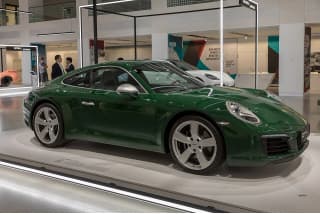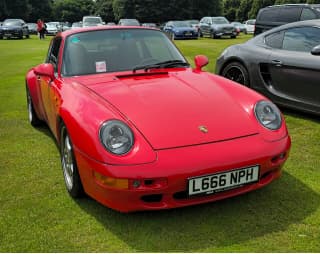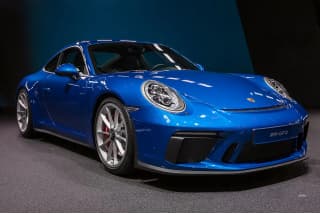
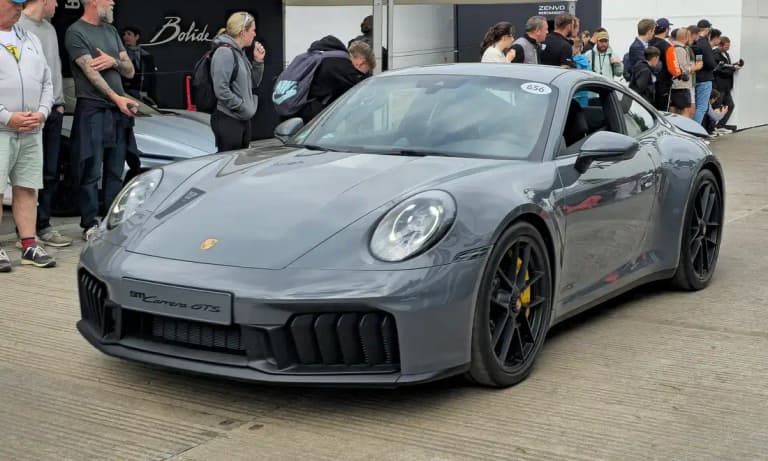
The Porsche 911 Carrera GTS is the driver-focused trim that sits above the Carrera S and below the Turbo. It has appeared in every 911 generation since 2010, adding more power, sport suspension, and a sport exhaust as standard. The current 992.2 car makes 534 hp and is the first electrified 911.
In this article, we’ll explain how the Porsche 911 Carrera GTS changed across every generation. We’ll cover its engine changes, performance, the new T-Hybrid system, and buying advice.
Contents
- 1 Quick Summary
- 2 What the Porsche 911 Carrera GTS Is
- 3 Generations of the 911 Carrera GTS
- 4 The 992.2 Carrera GTS T-Hybrid
- 5 Engine and Gearbox
- 6 Performance and Acceleration
- 7 Chassis and Handling
- 8 Body Styles and Drivetrain
- 9 Carrera GTS vs Carrera S vs 911 Turbo
- 10 Interior and Technology
- 11 Pricing and Buying a Used 911 Carrera GTS
- 12 Frequently Asked Questions
Quick Summary
- Lineup Position: The Carrera GTS sits above the Carrera S and below the 911 Turbo, as the top of the standard Carrera family.
- Current Power: The 992.2 GTS T-Hybrid makes 534 hp (541 PS) from a 3.6 liter flat-six, the first street-legal 911 with electric assistance.
- Performance: The current car runs 0-100 km/h in 3.0 seconds and tops out at 194 mph (312 km/h).
- Gearbox: The 992.2 GTS T-Hybrid is PDK only, though the 997, 991, and 992.1 generations all offered a manual.
- Standard Kit: Every GTS includes PASM sport suspension, the Sport Chrono package, a sport exhaust, and Porsche Torque Vectoring.
- Starting Price: The current GTS T-Hybrid coupe starts around 164,900 US dollars before options.
- Generations: Five GTS generations have been built since 2010: the 997.2, 991.1, 991.2, 992.1, and 992.2.
- Best Used Pick: The 991.1 GTS is the enthusiast favorite for its naturally aspirated 3.8 liter engine and manual gearbox.
What the Porsche 911 Carrera GTS Is
The Porsche 911 Carrera GTS is the trim Porsche builds for the keen driver. It takes a regular Carrera and adds power, a firmer chassis, and darker trim. The result is a sharper 911 that still works every day.
GTS stands for Gran Turismo Sport, and Porsche now uses the badge across the whole range. On the Porsche 911 it has become the enthusiast default. It gives you most of what makes a track car special, in a car you can still park at the shops.
Where the GTS Sits: Above the S, Below the Turbo
The GTS slots in above the Carrera and Carrera S and below the 911 Turbo. It is the top of the standard Carrera family, not a separate GT model. That position is the whole point.
Below it, the Carrera S is quick but softer. Above it, the Turbo is faster but heavier and far pricier. The GTS gives you the sound and the chassis without the Turbo money. For many buyers, that is the sweet spot in the entire lineup.
What the GTS Badge Adds as Standard
The GTS recipe is consistent across the generations. Each car gets a power bump over the Carrera S, plus hardware that costs extra on lesser 911s. Our guide to the GTS badge covers how the formula spread across every Porsche model.
On a 911 Carrera GTS, the standard kit usually includes these items:
- PASM sport suspension, lowered by 10 millimeters over a normal Carrera.
- The Sport Chrono package with the steering-wheel drive-mode dial.
- A sport exhaust tuned for a harder, louder note.
- Porsche Torque Vectoring with a mechanical rear differential lock.
- Darkened headlights, black trim, and model-specific wheels.
None of this makes the GTS a stripped-out special. It keeps the back seats, the leather, and the daily usability. It just gives up a little comfort for sharper responses.
Generations of the 911 Carrera GTS
There have been five 911 Carrera GTS models since 2010. The engine has changed from naturally aspirated to twin-turbo to hybrid. The character has stayed remarkably steady.
| Generation | Years | Engine | Power |
|---|---|---|---|
| 997.2 GTS | 2010-2012 | 3.8L flat-six | 408 PS |
| 991.1 GTS | 2014-2016 | 3.8L flat-six | 430 PS |
| 991.2 GTS | 2017-2019 | 3.0L twin-turbo | 450 PS |
| 992.1 GTS | 2021-2024 | 3.0L twin-turbo | 480 PS |
| 992.2 GTS | 2024 on | 3.6L T-Hybrid | 541 PS |
997.2 Carrera GTS (2010 to 2012)
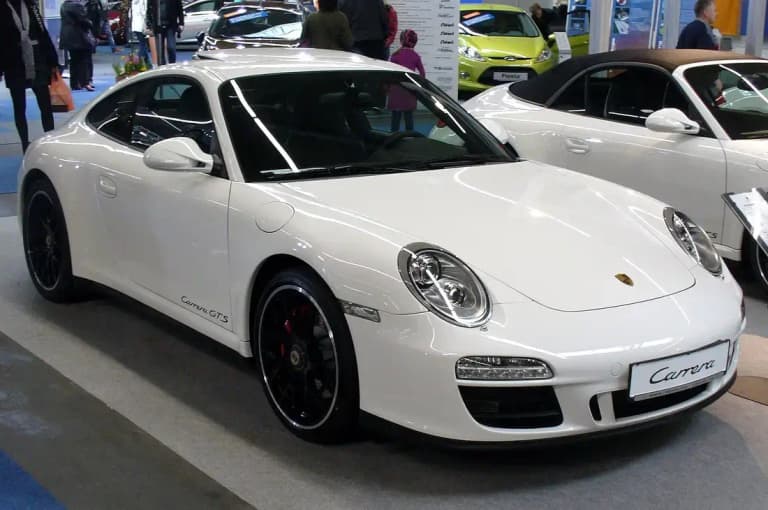
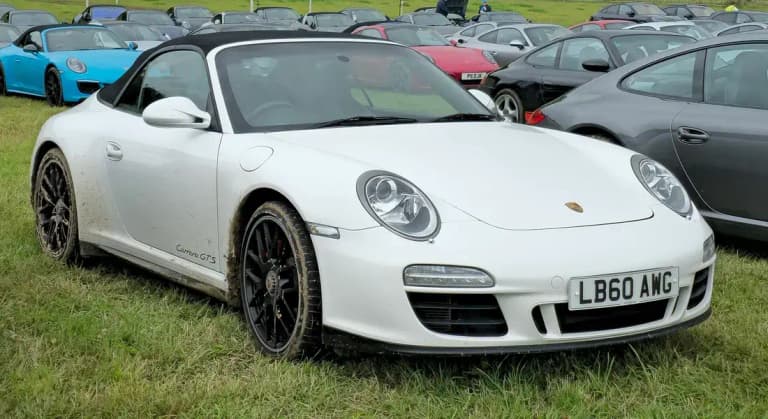
The first 911 Carrera GTS arrived in 2010. It used a 3.8 liter naturally aspirated flat-six making 408 PS, or 402 hp, per Wikipedia’s 997 data. That was 23 PS more than the Carrera S of the day.
The 997 GTS also introduced the look. It wore the wider Carrera 4 body, came standard on center-lock wheels, and sat lower than a normal Carrera. It topped out at 190 mph, and it remains the cheapest way into the badge today.
991.1 Carrera GTS (2014 to 2016)
The 991.1 GTS landed in 2014 and pushed the naturally aspirated engine further. The same 3.8 liter flat-six now made 430 PS, or 424 hp, with 440 Nm of torque, per Wikipedia’s 991 specs. It revved hard and sounded glorious.
This is the car enthusiasts still chase. It was the last GTS with a naturally aspirated engine, and it offered a seven-speed manual. Values have held up well because of that combination. A 991.1 GTS with three pedals is a modern classic in the making.
991.2 Carrera GTS (2017 to 2019)
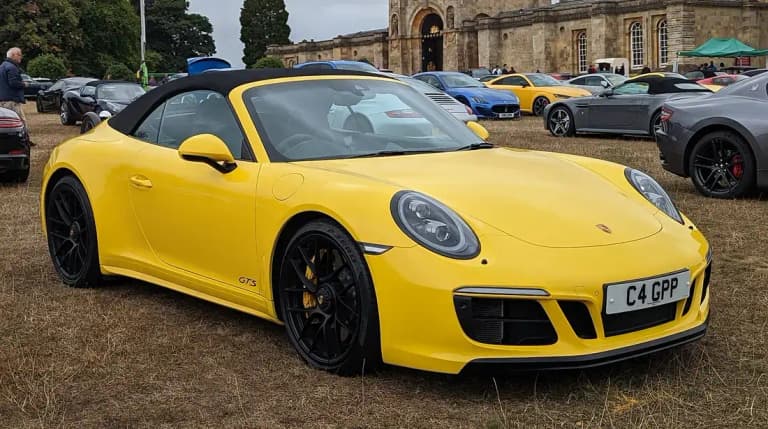
The 991.2 update in 2017 brought the big change. Porsche dropped the 3.8 liter and fitted a 3.0 liter twin-turbo flat-six making 450 PS, or 444 hp. Torque jumped to 550 Nm, a huge gain over the old engine.
The trade was sound for speed. The turbo car was quicker everywhere and easier to drive fast, yet it lost some of the high-rev drama. It also gained a body style. The 991.2 GTS was the first offered as a Targa, alongside the coupe and cabriolet.
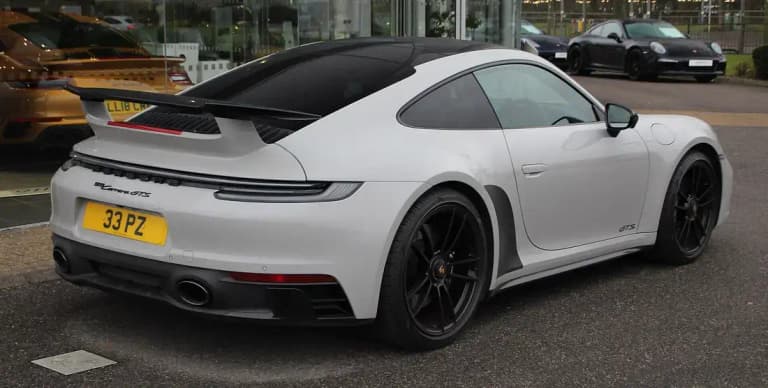
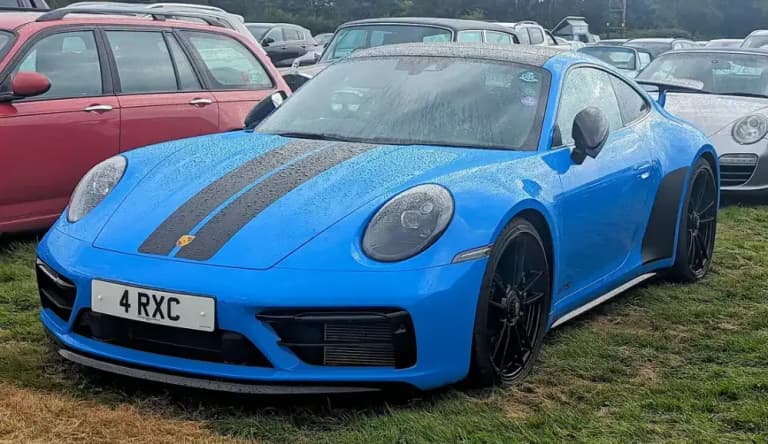
992.1 Carrera GTS (2021 to 2024)
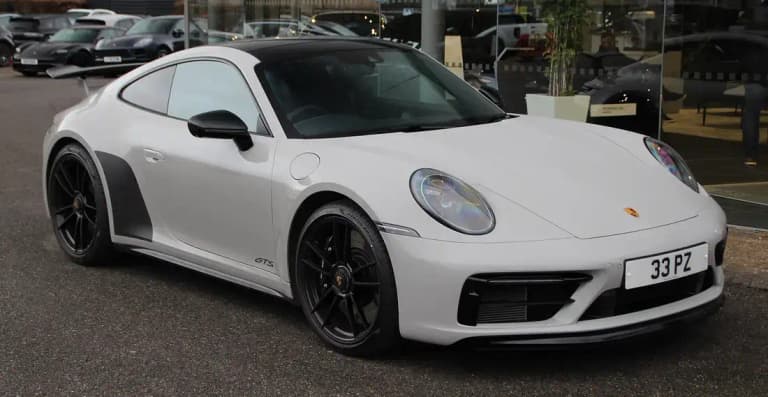
The 992.1 GTS arrived in 2021 and refined the turbo formula. The 3.0 liter twin-turbo now made 480 PS, or 473 hp, with 570 Nm, per Wikipedia’s 992 data. It ran 0-100 km/h in 3.4 seconds with the Sport Chrono package.
This car also got a wider footprint and standard rear-axle steering on some versions. It kept the no-cost manual option, which the current car dropped. As the last pure-gasoline GTS, the 992.1 is now the value pick of the modern cars.
The 992.2 Carrera GTS T-Hybrid
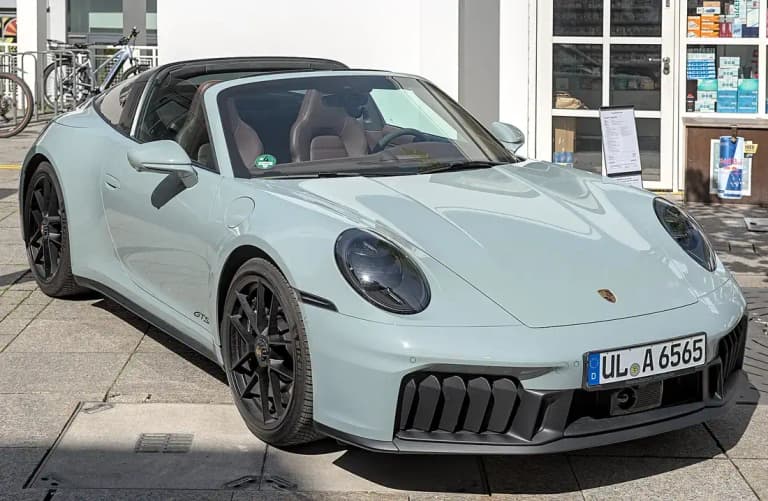
The current 911 Carrera GTS is the most significant one yet. Launched in 2024, it is the first street-legal 911 with electric assistance, per Porsche Newsroom. Porsche calls the system T-Hybrid, and it is nothing like a plug-in.
How the T-Hybrid System Works
The heart of it is a new 3.6 liter flat-six paired with two electric parts. The first is an electric motor built into the eight-speed PDK gearbox. It adds instant torque and fills any gap in the power delivery.
The clever part is the eTurbo. A single turbocharger has a small electric motor between its turbine and compressor. That motor spins the turbo up instantly, so there is no lag, and it harvests energy from the exhaust gas. A compact 1.9 kWh battery feeds both motors, and you never plug it in.
Power, Weight, and What It Changes
The numbers are strong. Total system output is 541 PS, or 534 hp, with 610 Nm of torque, per Porsche. That is 61 PS more than the 992.1 GTS it replaced. The engine alone still makes 485 PS.
Weight was the worry, and Porsche kept it in check. The hybrid hardware adds only about 50 kilograms, far less than a plug-in system would. The payoff is a 911 that reaches 100 km/h in 3.0 seconds and reaches 312 km/h, which is 194 mph. Lag is gone, and the throttle response is sharper than any turbo GTS before it.
Engine and Gearbox
The engine is the single biggest difference between the GTS generations. It defines how each car sounds and how it delivers its power.
From Naturally Aspirated to Twin-Turbo
The first two GTS models used naturally aspirated flat-sixes. They revved past 7,000 rpm and built power at the top. The sound was pure, and the throttle felt directly wired to the rear wheels.
From the 991.2 onward, the GTS went twin-turbo. Torque arrived far lower and the cars got quicker, but the top-end drama softened. The current T-Hybrid answers that criticism with its instant eTurbo response. It is the closest a turbo 911 has felt to a naturally aspirated one.
PDK and the Manual Question
Every GTS has offered Porsche’s PDK dual-clutch gearbox, and it suits the car well. Shifts are fast, and it holds gears properly in the sport modes. If you want the detail, our PDK vs manual guide breaks down the trade-offs.
A manual is the sticking point for purists. The 997, 991, and 992.1 GTS all offered a manual gearbox, and the 992.1 listed it at no extra cost. The current 992.2 GTS T-Hybrid is PDK only. If you want to row your own gears, you now have to buy an older car, or look at the Carrera T instead.
Performance and Acceleration
The GTS has always been quick, and it has gotten quicker with every generation. The gap to the Turbo has narrowed as the engines have improved.
0-60 mph and Top Speed by Generation
The progress is easy to see in the numbers. The 2010 997.2 GTS hit 190 mph and ran the sprint in the low four-second range. The turbo cars cut that time hard. The 992.1 GTS reached 100 km/h in 3.4 seconds, and the current T-Hybrid does it in 3.0.
| Generation | 0-100 km/h | Top speed |
|---|---|---|
| 997.2 GTS | 4.4 sec | 190 mph |
| 991.1 GTS | 4.0 sec | 189 mph |
| 991.2 GTS | 3.7 sec | 193 mph |
| 992.1 GTS | 3.4 sec | 194 mph |
| 992.2 GTS | 3.0 sec | 194 mph |
Sport Chrono and Launch Control
The Sport Chrono package is standard on every GTS. It brings the drive-mode dial on the wheel and a dashboard stopwatch. It also unlocks launch control on the PDK cars. Our Sport Chrono guide explains what each part does.
Launch control is what makes the quoted times repeatable. You hold the brake, load the engine, and release. The system does the rest, and the car fires off the line without drama. It is the reason a GTS feels as fast as its spec sheet claims.
Chassis and Handling
The chassis is where the GTS earns its badge. Porsche does not just fit a louder exhaust and call it a sports car. It reworks how the whole car moves.
PASM Sport Suspension and Ride Height
Every GTS comes with PASM adaptive dampers and a ride height dropped by 10 millimeters. That lower stance sharpens turn-in and steadies the car at speed. On a normal Carrera, the sport suspension is a cost option.
The dampers switch between a comfortable setting and a firm one. In normal mode a GTS rides like a standard 911. In sport it stops moving around and stays flat through corners. The range between the two is wider than most rivals manage.
Torque Vectoring and the Rear Wheels
Porsche Torque Vectoring is standard, with a mechanical rear differential lock. It brakes the inside rear wheel to help the car rotate into a corner. On a rear-engined 911, that control over the rear wheels matters a great deal.
Rear-axle steering is the option to look for on the 991 and 992 cars. It turns the rear wheels against the fronts at low speed to tighten the turning circle. At high speed it turns them the same way for stability. On a used GTS, check the build sheet, since it was not fitted to every car.
Body Styles and Drivetrain
The GTS is not a single body. Porsche has offered it in three shapes and with two drivetrains, so there is a version to suit most tastes.
Coupe, Cabriolet, and Targa
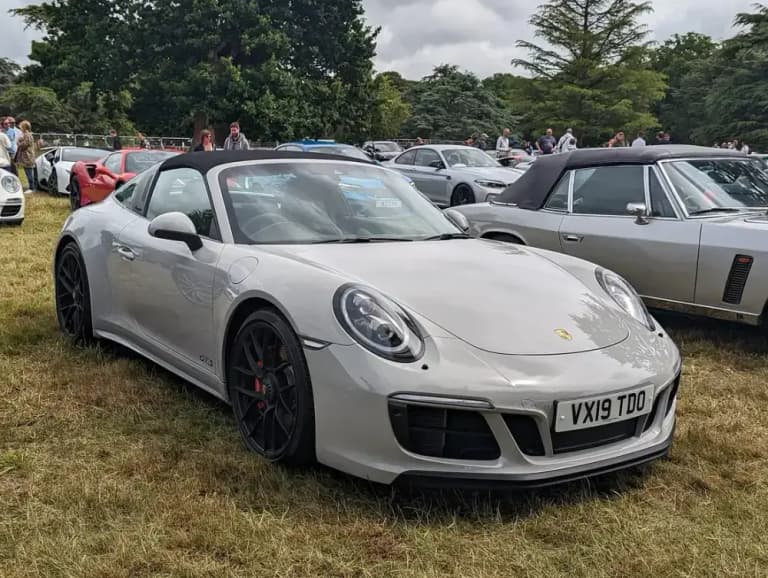
A coupe is the purist choice and the lightest option. The cabriolet adds a folding fabric roof for open-air driving. Between them sits the Targa, with its signature roll hoop and a glass rear window that lifts to stow the roof panel.
The Targa arrived later to the GTS lineup than the other two. It first appeared as a GTS on the 991.2 and has stayed since. It is the heaviest and most complex body, but it is also the most distinctive on the road.
Rear-Wheel Drive vs Carrera 4 GTS
The standard Carrera GTS drives its rear wheels only. That is the setup most enthusiasts want, since it keeps the car light and pure. It is also the more playful of the two.
The Carrera 4 GTS adds all-wheel drive for extra traction. It is the safer bet in wet or cold climates and launches harder off the line. The Targa GTS has always been all-wheel drive only. Both layouts share the same engine and the same standard kit.
Carrera GTS vs Carrera S vs 911 Turbo
The GTS makes most sense next to the cars on either side of it. The table below uses figures for the current 992.2 range, per Porsche.
| Model | Power | 0-60 mph | Drive |
|---|---|---|---|
| Carrera S | 473 hp | 3.1 sec | RWD |
| Carrera GTS | 534 hp | 2.9 sec | RWD |
| 911 Turbo | 572 hp | 2.7 sec | AWD |
The Carrera S is the value entry to the quick 911s. It is fast and refined, but the sport hardware is mostly optional. Next to a GTS it feels a step softer, and it now trails by 61 hp on the current cars.
The 911 Turbo is the heavy hitter, with all-wheel drive and huge pace in any condition. It costs far more and leans on outright grip rather than feel. The GTS sits in the middle and, for a lot of drivers, gets the balance exactly right. That is why it earns the enthusiast label.
Interior and Technology
The GTS cabin is a Carrera cabin with the volume turned up. Porsche darkens the trim, adds its suede-like Race-Tex material, and fits sport seats built for cornering. Black anodized accents replace the usual chrome, and a GTS logo often appears on the headrests.
The current 992.2 car moves to a fully digital driver display for the first time, dropping the analog rev counter that 911s wore for decades. A central touchscreen handles navigation and media, with wireless phone mirroring included. Porsche kept the drive-mode dial on the wheel, so the settings you use while driving stay within reach.
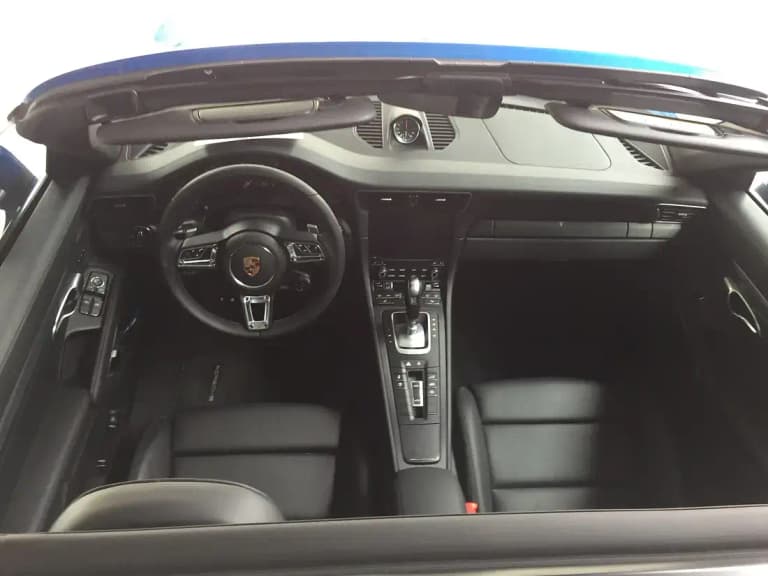
Practicality is a real GTS strength. It keeps the small rear seats, which fold flat for luggage, and the front trunk swallows a weekend bag. This is a sports car you can use on a Monday. That everyday side is a big part of why the 911 GTS sells so well.
Pricing and Buying a Used 911 Carrera GTS
The GTS is a strong buy new and used, because most of what makes it special is built into the standard car. You are not hunting for a rare option to get the good version.
What the Current Car Costs
The current 911 Carrera GTS T-Hybrid coupe starts around 164,900 US dollars before options and delivery. All-wheel drive, cabriolet, and Targa versions cost more. Options climb fast, and a well-specified GTS can pass 190,000 dollars.
That price places the GTS well below the Turbo and well above the base Carrera. For the hardware you get as standard, it is a fair deal by Porsche math. It also holds value better than the cheaper cars in the range.
Which Generation to Buy
The right used GTS depends on what you want from it. For sound and involvement, the 991.1 GTS is the enthusiast favorite, with its naturally aspirated engine and manual option. The 992.1 GTS is the modern value pick, with the last pure-gasoline engine and a huge features list.
On a budget, the 997.2 GTS is the cheapest entry and a genuine future classic. The 991.2 is the quiet all-rounder, quick and cheap to run. For the full picture on the newest cars, see our Porsche 992.2 guide.
Running One in Thailand
Thailand is an expensive place to own any 911. Import duty and excise tax stack on top of each other, and engine size drives the excise band. A privately imported GTS is possible, but it is never cheap.
Working out the real cost takes two steps. Start with our guide to importing a Porsche to Thailand, then read up on Thai car tax. Both explain the numbers you will actually pay before the car reaches your driveway.
Frequently Asked Questions
How much horsepower does the Porsche 911 Carrera GTS have?
The current 992.2 Porsche 911 Carrera GTS makes 534 hp, or 541 PS, from a 3.6 liter flat-six with the T-Hybrid system. That is a total figure combining the engine and an electric motor. The older 992.1 GTS made 473 hp from a 3.0 liter twin-turbo six.
What is the difference between the 911 Carrera S and the Carrera GTS?
The GTS sits one step above the Carrera S. On the current cars the S makes 473 hp, while the GTS makes 534 hp. The GTS also adds PASM sport suspension, the Sport Chrono package, and a sport exhaust as standard, which are options or unavailable on the S.
Is the Porsche 911 Carrera GTS a hybrid?
Only the current 992.2 GTS is. It uses Porsche’s T-Hybrid system, making it the first street-legal 911 with electric assistance. Every earlier GTS, from the 997 through the 992.1, ran a pure gasoline flat-six with no battery.
Does the 911 Carrera GTS come with a manual?
It used to. The 997, 991, and 992.1 GTS all offered a manual gearbox, and the 992.1 listed it as a no-cost option. The current 992.2 GTS T-Hybrid is PDK only, so a manual GTS now means buying an older car.
Which 911 Carrera GTS generation is the best to buy?
The 991.1 GTS is the enthusiast favorite for its naturally aspirated 3.8 liter engine and manual option. The 992.1 is the value pick among the modern cars. The 997.2 is the cheapest way into the badge.
How fast is the Porsche 911 Carrera GTS?
The current GTS reaches 100 km/h, about 62 mph, in 3.0 seconds and tops out at 194 mph. The 992.1 before it ran 0-100 km/h in 3.4 seconds. Even the 2010 997.2 GTS hit 190 mph.
Images: Hero by Calreyn88, CC BY-SA 4.0. 992.2 Targa by Alexander Migl, CC BY-SA 4.0. 991.2 Cabriolet, 991 Targa 4 GTS, 992.1 blue, and 997 Cabriolet by Calreyn88, CC BY-SA 4.0. 992.1 white front and 992.1 white rear by MrWalkr, CC BY-SA 4.0. 997 coupe by Thomas Doerfer, CC BY 3.0. Interior by KarleHorn, CC BY 3.0. Via Wikimedia Commons.