Porsche eFuels are synthetic liquid fuels made with renewable electricity, water, and captured carbon dioxide instead of crude oil. They are meant to run in a combustion engine much like gasoline, which could help keep some existing Porsche vehicles in use. They are not automatically carbon neutral, widely sold, or a replacement for electric cars.
In this article, we’ll explain what Porsche eFuels are and how they work. We’ll cover fuel production, engine compatibility, lifecycle emissions, and the major cost and scale limitations.
Quick Summary
- What They Are: Synthetic liquid fuels made from renewable electricity, water, and captured carbon dioxide instead of crude oil
- Production Route: Renewable electricity splits water into hydrogen, which combines with captured CO2 to make methanol, then a gasoline-like fuel
- Pilot Plant: Porsche is a partner in the Haru Oni pilot plant near Punta Arenas, Chile, with a stated maximum capacity of about 130,000 liters per year
- Compatibility: Designed as a drop-in fuel for existing combustion engines, but blend approval and local rules still need checking against the owner’s manual
- Emissions: Not automatically carbon neutral; the lifecycle footprint depends on how clean the electricity and captured carbon source are
- Availability: Not sold as routine road-car fuel; scale, cost, and clean-energy supply remain the biggest barriers, per the IEA’s analysis
Porsche eFuels in plain English
Think of a synthetic fuel as gasoline built from basic inputs rather than refined from fossil fuels. Porsche’s eFuel overview describes a route using renewable hydrogen and captured carbon dioxide. The resulting liquid fuels are designed for internal combustion engine vehicles, including the many cars already on the road. You will also see the spelling “e-fuels”; Porsche writes eFuels.
That “drop-in” goal matters, but it needs plain-English limits. A finished eFuel may be compatible with existing fuel infrastructure and engines; it does not mean every blend is approved for every model. Before putting any unfamiliar fuel in a Porsche, follow the owner’s manual, the fuel specification, and local availability rules.
How renewable energy sources, water, and carbon dioxide become fuel
Renewable electricity makes hydrogen
The process starts with renewable energy sources, often wind. Electricity runs an electrolyzer, which splits water into hydrogen and oxygen. Hydrogen is then combined with captured carbon dioxide to produce methanol. That power source is the make-or-break input: the same technology can deliver very different lifecycle emissions depending on how clean the power is.
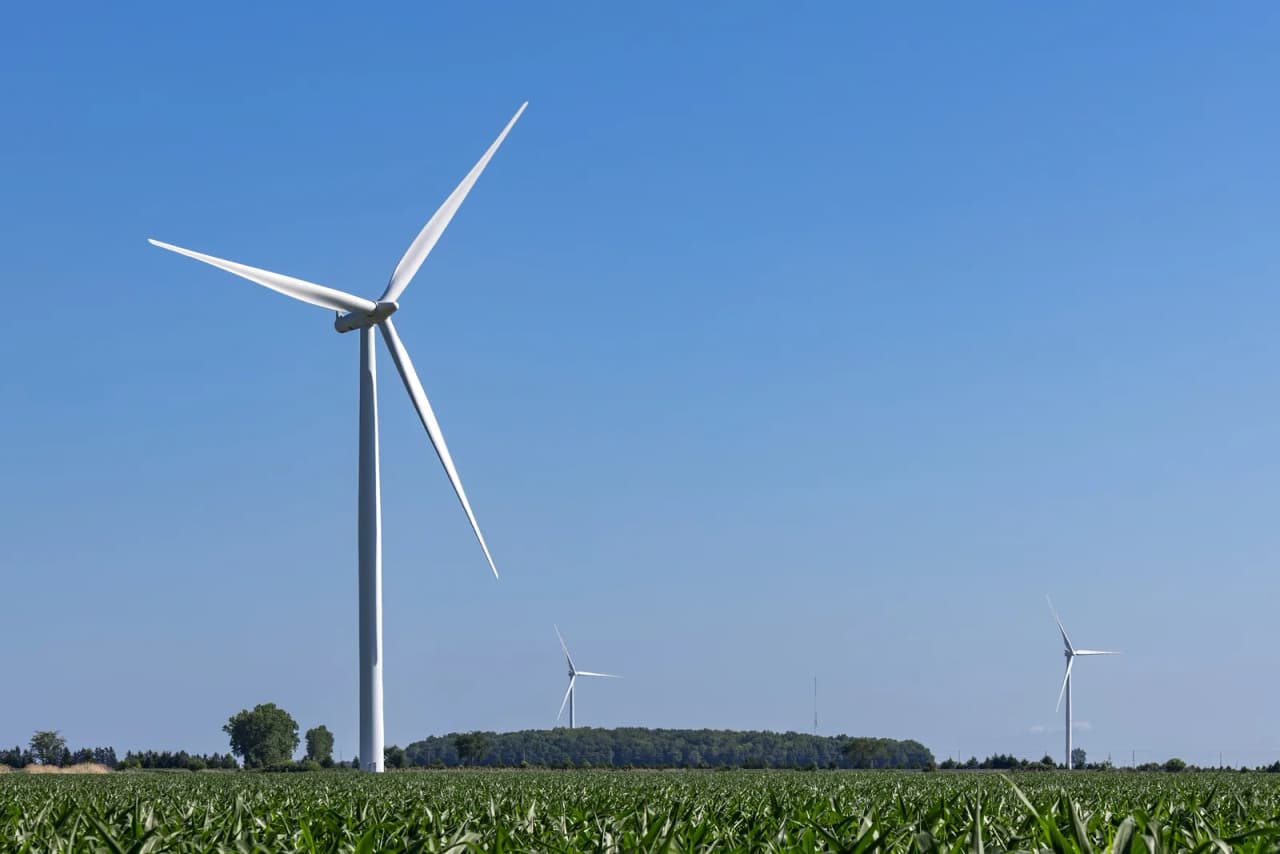
A wind farm shows the renewable electricity input, not Porsche’s Chile site.
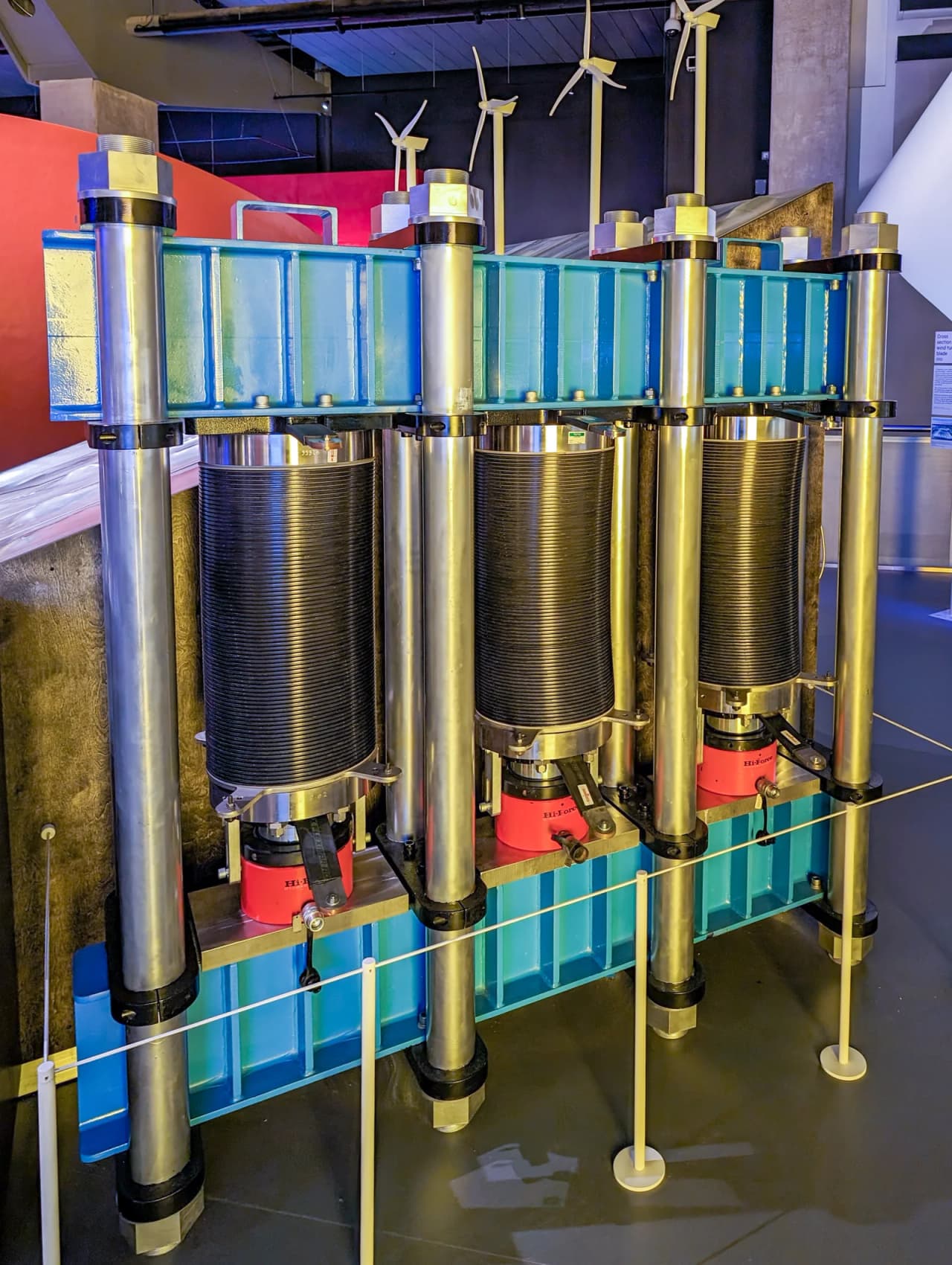
This UK electrolyser made hydrogen from water, not Porsche’s Haru Oni equipment.
Methanol becomes gasoline-like fuel
Next, the methanol is converted into longer hydrocarbons and refined into gasoline-like fuel. Porsche’s detailed eFuels explainer sets out that chain. This is why eFuel production has a basic efficiency problem: direct electricity has to become hydrogen, then a liquid, then motion through a combustion engine.
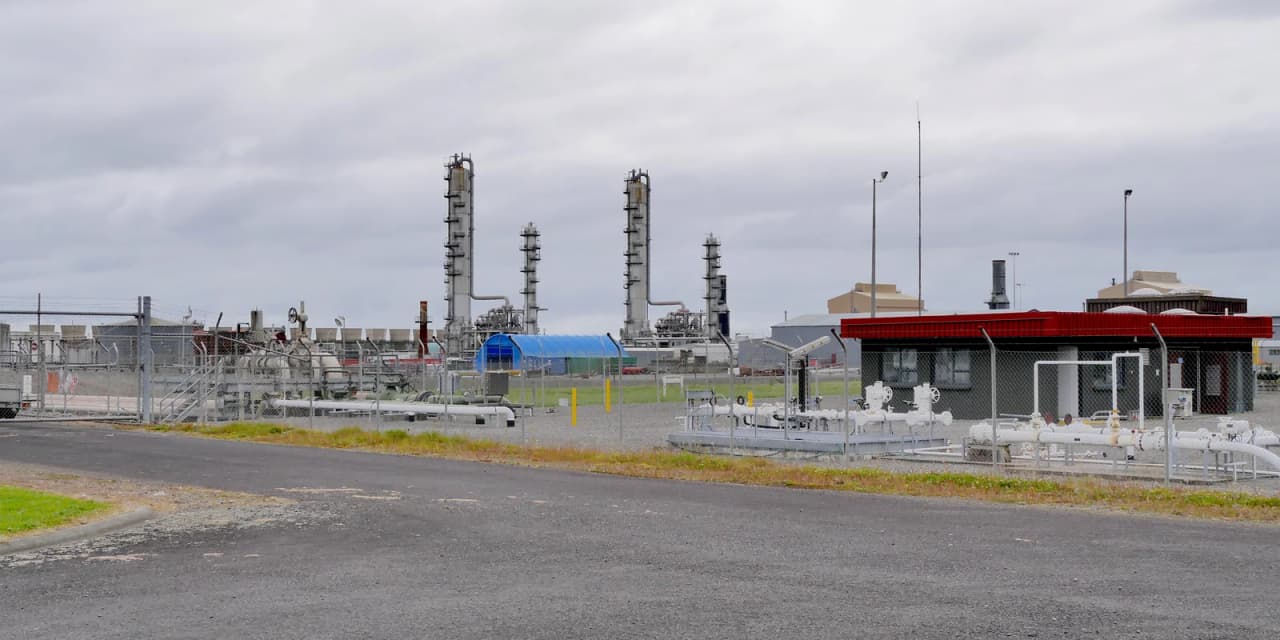
A conventional methanol plant shows industrial context, not an e-methanol or Porsche site.
Haru Oni is a pilot plant, not a mass-market fuel supply
Porsche AG is a partner in the Haru Oni pilot plant near Punta Arenas, Chile, alongside HIF Global and international partners. The site was chosen for its strong wind and is a real demonstration of the production process, not a normal filling-station supply chain.
Porsche’s 2022 Haru Oni announcement gave a maximum capacity of about 130,000 liters per year. HIF has discussed much larger future plants elsewhere, but those plans are not current Haru Oni output. Claims that the Chilean pilot now makes 145 million gallons annually confuse future proposals with present production.
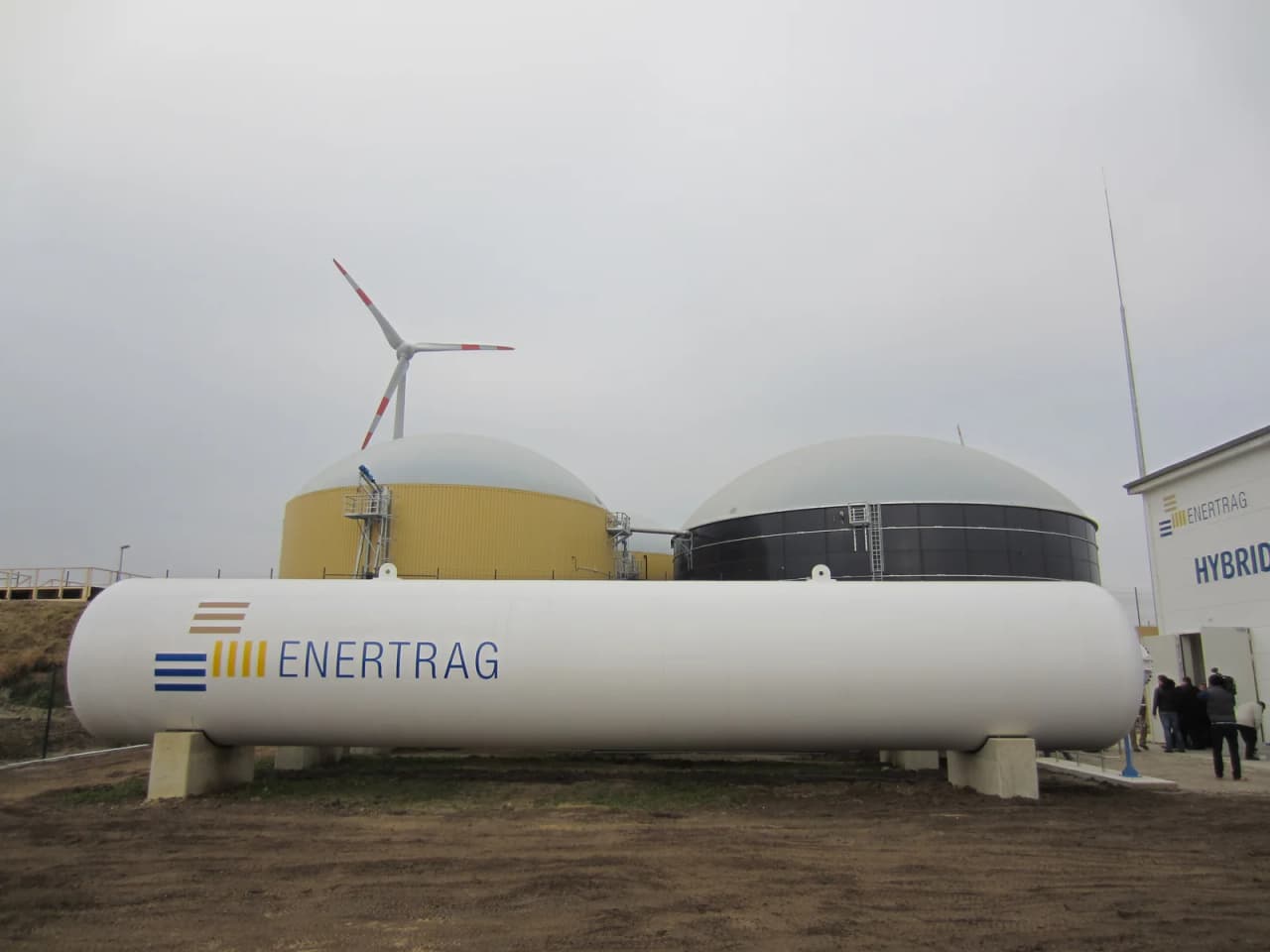
A German power-to-gas example, not Porsche’s Punta Arenas site.
Compatibility with internal combustion engines
That is the central attraction. A gasoline-like synthetic fuel could let existing vehicles use a liquid fuel without changing the engine itself. Porsche has presented eFuels as a route for combustion engine vehicles that are already built, and for parts of transportation where direct electrification is tougher.
Still, “works in an engine” is not a blanket warranty. Fuel blends, octane requirements, seals, emissions rules, and local standards all matter. For an older car, start with the manual and a trusted specialist. Fuel choice also belongs in a broader ownership plan for 911 reliability and a used Porsche 911 purchase, not just a promise on a pump.
Lifecycle emissions and carbon-neutral claims
No car becomes carbon neutral simply because its tank holds eFuel. A combustion engine still has tailpipe emissions. The lifecycle carbon footprint can be lower if the electricity is truly renewable, the carbon dioxide is captured from the air or a sustainable biogenic source, and the full production and transport chain is managed well.
The opposite is also true. If production uses grid electricity with a heavy fossil-fuel footprint, the environmental benefits can disappear or reverse. “Captured carbon” describes an input, not a free pass.
Why efficiency, cost, and scale matter more than the concept
eFuels are useful precisely because liquid fuels are easy to store and move. But using renewable electricity directly in electric vehicles is more efficient than making a synthetic fuel, shipping it, and burning it. That difference affects how much renewable energy the transportation sector needs and what the fuel may cost.
The IEA’s analysis of e-fuels in transport identifies the same practical constraints: abundant clean electricity, cheaper electrolyzers, clean carbon dioxide, and far larger production capacity. No one should mistake a pilot plant for a global supply.
That does not make eFuels pointless. They may have a role in aviation, shipping, motorsport, and existing internal combustion engine vehicles where batteries are less practical. For ordinary road cars, however, the cost and energy penalty are hard to ignore.
eFuels versus electric cars: Porsche’s double path
E-mobility and eFuels are not the same solution. Electric cars put electricity into a battery and motor. eFuels store electricity as a liquid and use it in an engine. The first route is usually the more efficient choice for a new passenger car; the second could extend the useful life of certain existing vehicles.
Porsche is pursuing both paths. An electric Porsche guide explains the direct-electric side, while eFuel development looks at the vehicles that may remain combustion powered. That is a more realistic frame than treating eFuel as a savior of every gasoline car or treating electric vehicles as the only tool for every job.
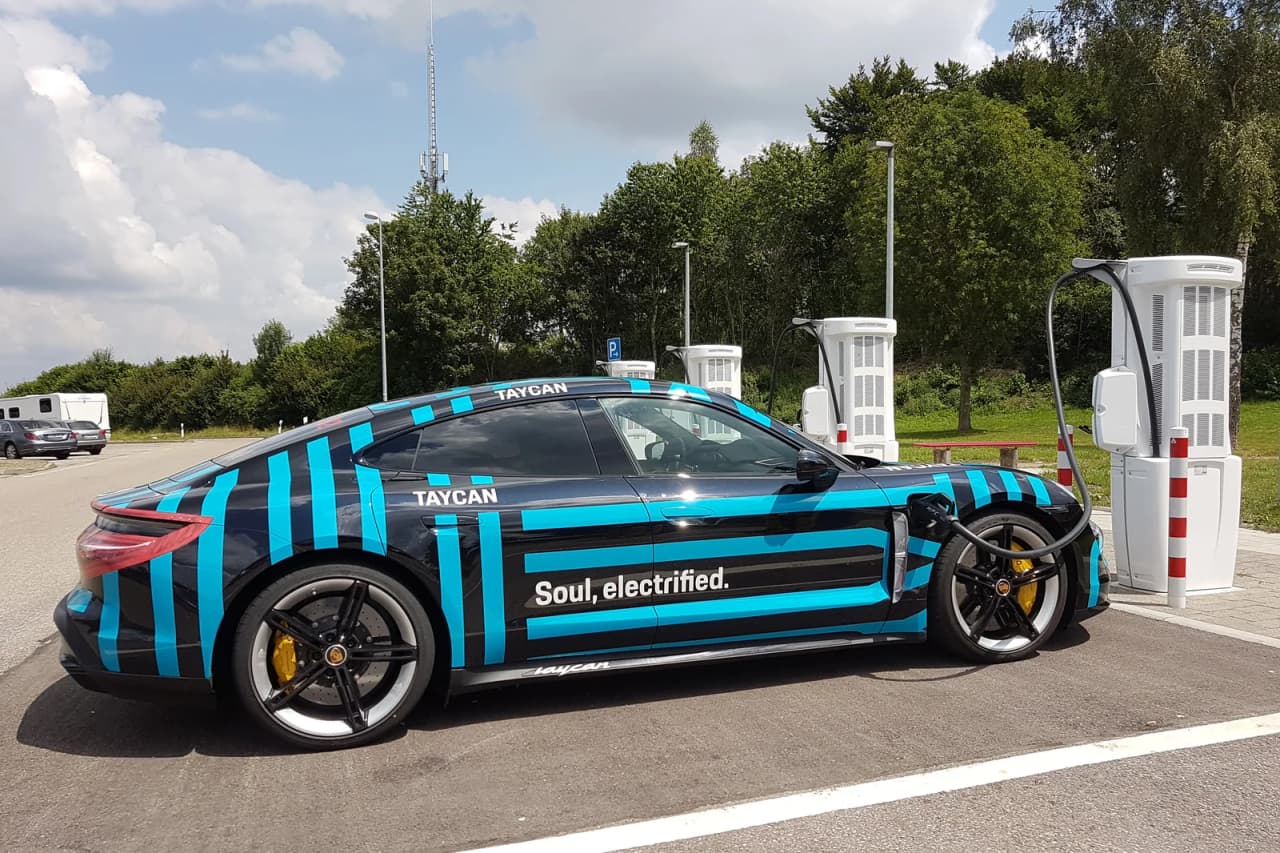
A Taycan charges through Porsche’s direct-electric route.
Porsche eFuels FAQ
Will eFuels replace electric cars? No. Electric vehicles use electricity directly. eFuels may suit particular existing cars and difficult transport uses, but they use more energy per mile and do not remove tailpipe emissions.
What is eFuel for cars? It is a synthetic fuel made from renewable electricity, water, and captured carbon dioxide. Porsche’s route uses hydrogen to produce methanol, then converts it into a gasoline-like fuel.
Why are we not using synthetic fuel widely? Production needs large amounts of low-cost renewable energy, clean inputs, equipment, and new supply chains. Haru Oni remains a pilot plant, so it cannot serve normal consumer demand.
Can I buy Porsche eFuel now? Do not plan on it as routine road-car fuel. Availability, approved blends, retail price, and local supply are unresolved; check your manual rather than assuming any eFuel works in any Porsche.
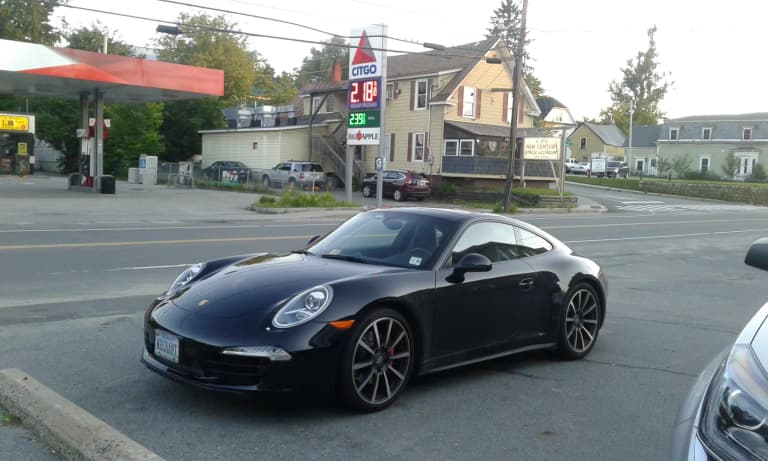
Images: Porsche 911 in St. Johnsbury, Vermont by Artaxerxes, CC BY-SA 3.0; wind turbines by Crisco 1492, CC BY-SA 4.0; Prenzlau power-to-gas context by Hanno Böck, CC0 1.0; hydrogen electrolyser by The wub, CC BY-SA 4.0; Motunui methanol plant by Ulrich Lange, uploaded by Ulanwp, CC BY-SA 4.0; Porsche Taycan charging by Ralf Krebs, CC BY 3.0. All six were resized and converted to WebP; no content retouching. Via Wikimedia Commons.