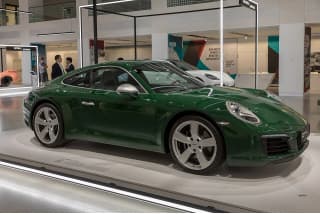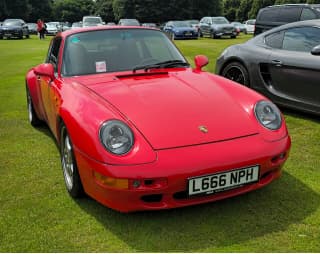
The Porsche 911 is generally reliable. For the best overall used-car starting point, choose a well-documented 997.2 or 991 Carrera.
Judge an air-cooled 964 or 993 mainly by age, leaks, valve-guide wear, and past maintenance. Inspect a 996 or 997.1 Carrera for IMS bearing condition and bore scoring. The newer 992 looks strong so far, but it has less long-term evidence. Turbo and GT models use different engines and need their own checks.
In this article, we’ll examine Porsche 911 reliability by generation, from the 964 through the 992. We’ll cover the IMS bearing risk, bore scoring, generation verdicts, and the inspection checklist.
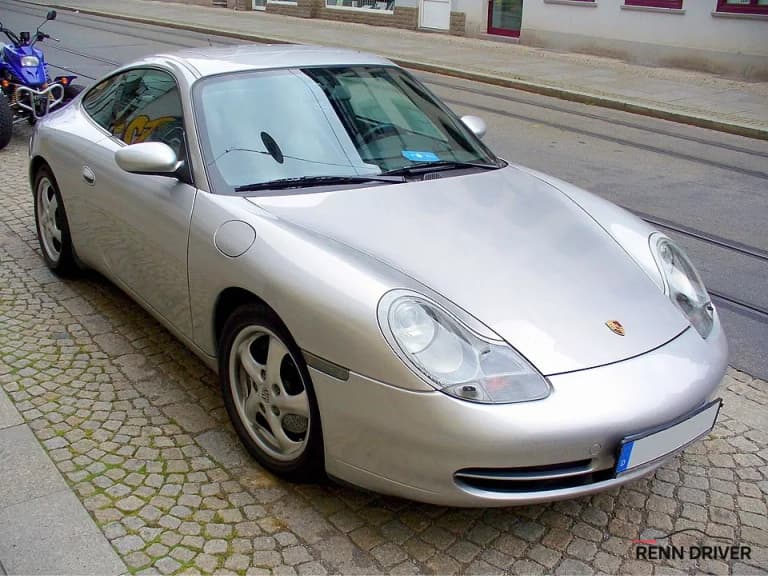
Contents
- 1 Quick Summary
- 2 Quick Verdict by Generation and Engine
- 3 Why the Engine Family Beats the Generation Badge
- 4 Air-Cooled Reliability: 964 and 993
- 5 The M96 Era: 996 and 997.1 Carrera
- 6 The Modern Era: 997.2 Through 992
- 7 IMS Bearing and Bore Scoring: The Chronology to Check
- 8 Inspection Checklist for Any 911
- 9 Records to Request Before You Buy
- 10 When to Walk Away
- 11 Frequently Asked Questions
Quick Summary
- Best Starting Point: a well-documented 997.2 or 991 Carrera for most used-car buyers
- Air-Cooled (964, 993): judge mainly by age, oil leaks, valve-guide condition, restoration quality, and service history
- IMS Bearing Risk: affects the M96/M97-engined 996 and 997.1 Carrera; extra checks needed for bearing condition and bore scoring
- IMS-Exempt Models: 996 and 997.1 Turbo, GT2, and GT3 use Mezger architecture with no sealed IMS bearing
- Turbo and GT Checks: cooling-system work, track history, over-revs, and variant-specific engine concerns, checked separately from Carrera
- 992: performing well so far, but with less long-term evidence than older generations
- Every Generation: require a Porsche-specialist inspection, detailed invoices, and a VIN recall check
The verdict table separates each generation by engine family. Find your target car, then jump to that section for the inspection details and sources.
Quick Verdict by Generation and Engine
Years reflect the production era. Market model years can run a year later than the production era shown here. For how Porsche itself divides up the lineup, see the Porsche 911 generations guide.
| Generation / Engine | Years | Verdict | Watch For |
|---|---|---|---|
| 964 | 1989-1994 | Buy on condition | Early leak scope, flywheel wear |
| 993 Carrera (NA) | 1994-1998 | Strong, inspect for age | Valve guide wear, SAI faults |
| 993 Turbo | 1994-1998 | Separate from NA verdict | Turbo system, general leaks |
| 996 Carrera (M96) | 1997-2005 | Needs engine-specific proof | IMS bearing, bore scoring |
| 996 Turbo, GT2, GT3 | 1997-2005 | No Carrera IMS risk | Coolant fitting history |
| 997.1 Carrera (M96/M97) | 2004-2008 | Caution, especially 3.8L | IMS bearing, bore scoring |
| 997.1 Turbo, GT2, GT3 | 2004-2008 | Separate risk list | Coolant fittings, track use |
| 997.2 Carrera (9A1) | 2008-2012 | Best older-car start | Cooling, DFI, PDK records |
| 997.2 Turbo, GT3, GT2 RS | 2008-2012 | Split by variant | Confirm exact engine |
| 991.1 Carrera (MA1) | 2011-2015 | Strong starting point | Cooling, PDK records |
| 991.1 GT3 (2014) | 2014 | Verify recall first | Engine replacement proof |
| 991.2 Carrera | 2016-2019 | Strong, inspect turbo | Cooling, turbo complexity |
| 992 Carrera | 2019-present | Promising, still developing | Limited long-term data |
| 992 center-lock wheels | 2021-2024 | VIN check required | Wheel bolt recall |
No public dataset compares failure rates across every 911 generation and engine family. This verdict comes from recall records, court filings, and specialist inspection guidance, not one single study. Use it to know where to look closely. Then let the inspection of the individual car make the final call.
Why the Engine Family Beats the Generation Badge
The 911 lineup uses several distinct engine families inside the same generation. A risk tied to one engine does not automatically apply to another built the same year. The 996 Carrera used the M96 engine, which carries a sealed intermediate shaft (IMS) bearing that can fail and damage the rest of the engine. The 996 Turbo and GT3, built alongside it, used a separate Mezger-based engine that never had a sealed IMS bearing to begin with.
The same split runs through every generation in this guide. A Carrera and a Turbo or GT car sharing a model year can have very different maintenance histories and very different risks. Check the exact engine code on the car in front of you, not just the badge, before you rule it in or out. That one habit is worth the extra five minutes on any Porsche 911 you look at.
Air-Cooled Reliability: 964 and 993
The 964 and 993 are the last air-cooled 911s in regular use, and their mechanical simplicity has aged well. Neither generation has one big, documented failure pattern the way the water-cooled cars that followed do. Their issues are the kind that come with any car in its fourth decade: seals, gaskets, and wear items. The air-cooled versus water-cooled guide covers why the generation that followed carries different risks.
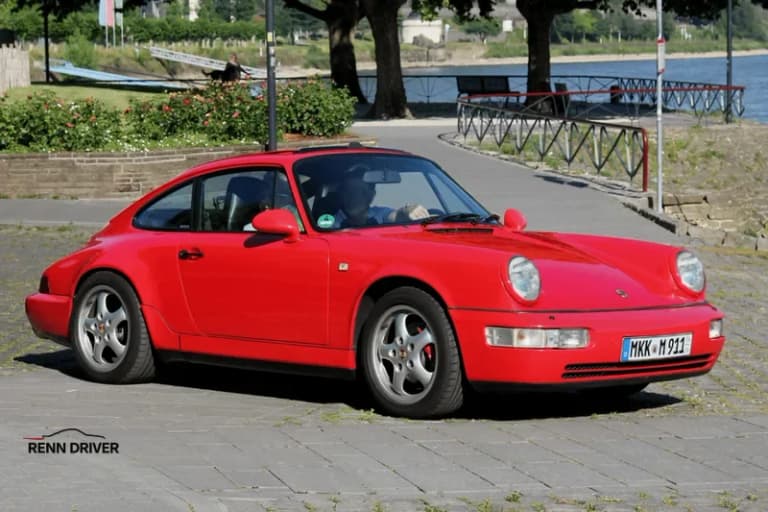
Porsche 964 Reliability
The 964, built from 1989 to 1994 (production era), introduced power steering and all-wheel drive while keeping the air-cooled flat-six. Some 1989 to 1991 engines can leak oil where the cylinder head meets the cylinder. The Porsche Club of America (PCA) traces the leak to two build cutoffs.
Manual M64.01 engines are affected up to and including number 62 M 06836. Tiptronic M64.02 engines are affected up to and including number 62 M 52757. PCA’s technical answer says only a small percentage of those cars ever leaked.
Porsche updated the cylinder and gasket design during production, and later cars rarely show the leak. Early dual-mass flywheels also deserve a condition check. Inspect the dual-distributor timing belt separately on any early 964.
Ask for the engine number on any 964 built between 1989 and 1991. Have a specialist check for fresh leaks and flywheel rattle before you buy. Documented maintenance counts for more than mileage on a car this old. The common problems guide covers repair costs for each wear item.
Porsche 993 Reliability
The 993, built from 1994 to 1998 (production era), was the final air-cooled 911. Its main reported issue is valve guide wear on the naturally aspirated engine. Worn guides let burnt oil clog the secondary air injection (SAI) ports. This system helps the engine pass emissions checks.
PCA calls this the worst naturally aspirated 993 engine problem. It appears most on 1996 to 1998 model-year cars, where a clogged SAI port triggers a check-engine light. PCA’s 993 model guide has the full explanation.
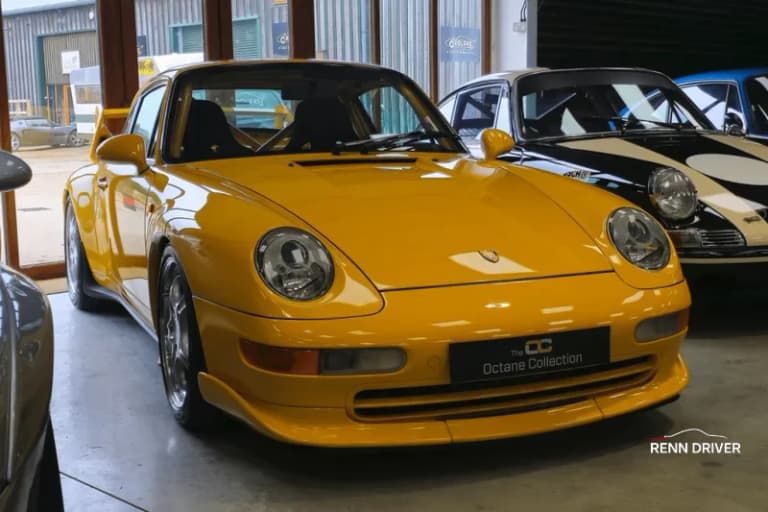
The 993 Turbo does not share this problem. PCA says Porsche used a different, higher-quality valve guide material in the Turbo engine. This warning does not apply to a Turbo during a pre-purchase inspection. Ask for oil-consumption history and a compression or leak-down test on any naturally aspirated 993. Confirm the SAI system passes its readiness check before you buy.
The M96 Era: 996 and 997.1 Carrera
Porsche replaced the air-cooled engine with the water-cooled M96 for the 996 in 1997. It then carried a revised version, the M97, into the early 997. This redesign introduced two problems that still shape the used 911 market. One is the IMS bearing. The other is cylinder bore scoring, a pattern of vertical scratches on the cylinder wall.
Porsche 996 Carrera Reliability
The 996 Carrera, built from 1997 to 2005 (production era), carries the IMS bearing inside its M96 engine. The bearing supports the intermediate shaft that times the camshafts. A worn bearing can fail and send debris through the engine.
Porsche settled a class action, Eisen v. Porsche Cars North America, covering 2001 to 2005 911 and Boxster models with M96 and M97 engines. The settlement specifically excluded Turbo, GT2, and GT3 models.
That settlement defines who was covered by the lawsuit. It is not a measured failure rate for every 996 on the road. Ask any seller for IMS-specific records instead of trusting the settlement to answer the question for you. The other well-documented 996 issue is rear main seal oil weeping, a common and fairly minor leak. See the chronology section below for exactly which bearing design and engine codes need the closest look.
Porsche 996 Turbo, GT2, and GT3 Reliability
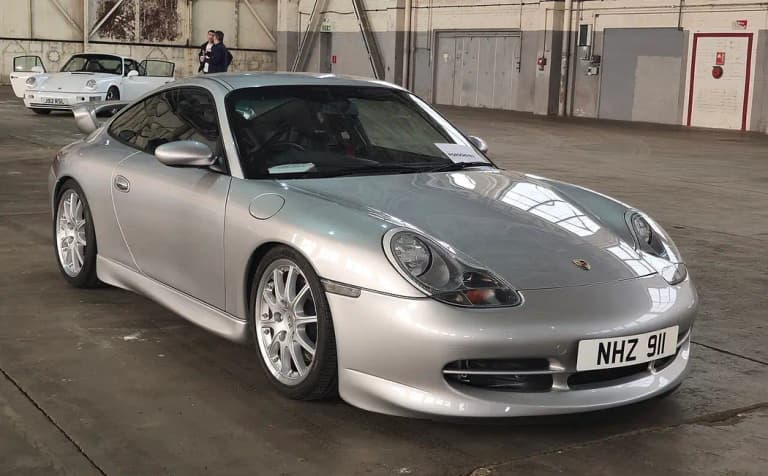
The 996 Turbo, GT2, and GT3 use a completely different engine, built on the Mezger architecture shown above in the 996 GT3. Mezger engines use a gear-driven intermediate shaft instead of a sealed bearing, so the IMS warning above does not apply to them at all.
These cars carry a separate concern. NHTSA opened investigation PE13-009 in 2013 after 10 reports of rapid coolant loss at a hose fitting. The estimated population is 10,000 model-year 2001 to 2007 911s built with the GT1 engine. GT1 is the Mezger-based unit used in Turbo, GT2, and GT3 models. Ask whether the coolant fittings were repaired or reinforced, and pressure-test the cooling system. Then check the current recall status by VIN before you buy.
Porsche 997.1 Carrera Reliability
The early 997, built from 2004 to 2008 (production era), used M96 and M97 engine variants and kept the sealed IMS bearing. It adds one generation-specific concern: bore scoring, concentrated in the 3.8 liter Carrera S and 4S engine. Start with a borescope inspection through the spark plug holes. The chronology section explains why that check can miss early damage.
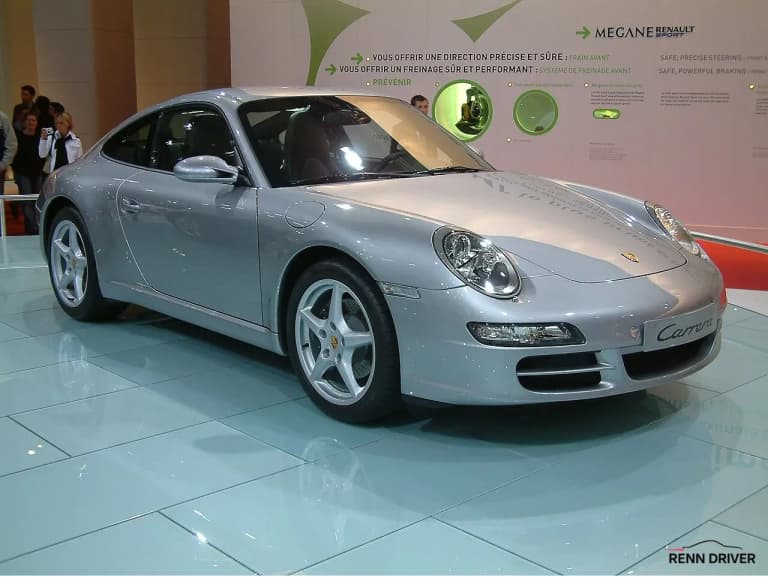
Outside the engine, the 997.1 Carrera has no other documented systemic concern in the sources reviewed for this guide. Ask for the exact engine code before you commission an inspection, since the correct scoring and IMS checks depend on it.
Porsche 997.1 Turbo, GT2, and GT3 Reliability
The early 997 Turbo, GT2, and GT3 kept the Mezger architecture from the 996 generation. The Carrera’s IMS and bore scoring warnings do not carry over. NHTSA investigation PE13-009 covers GT1-engine cars built through early 2008, including some 997.1 Turbo and GT models.
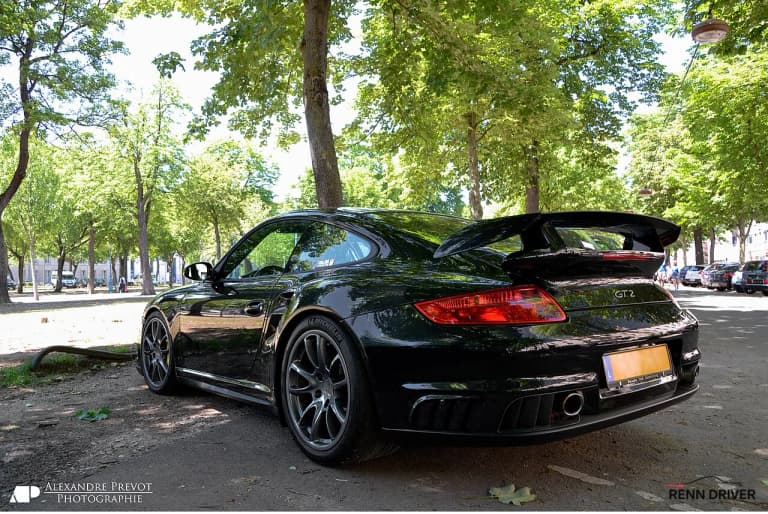
Ask for the same coolant-fitting evidence as on a 996 Turbo. Request the full track and over-rev history because these engines often see hard use. Use a specialist who knows Mezger engines for the pre-purchase inspection.
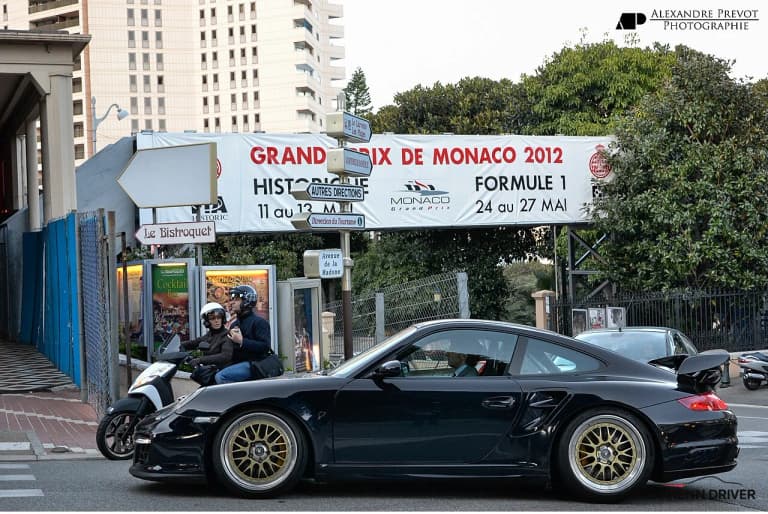
The 997 GT2 pictured above uses this Mezger architecture. Keeping Carrera and GT-model reliability claims separate is the single most useful habit for any 997-era buyer.
The Modern Era: 997.2 Through 992
Starting with the 997.2, the Carrera line moved to the new 9A1 or MA1 engine family. This design removed the intermediate shaft and its bearing. That change is specific to Carrera engines. The 997.2 GT3 and GT3 RS kept the Mezger architecture, which never had an IMS bearing.
Porsche 997.2 Carrera Reliability
The 997.2 Carrera, sold from 2008 to 2012 (production era), is the clearest dividing line in this guide. Porsche says it thoroughly revamped the engine range for this update. It also added direct fuel injection (DFI), which sprays fuel into the cylinder. The sources reviewed do not show a generation-wide engine or transmission failure pattern. Still check the exact car because recall coverage can differ by year.
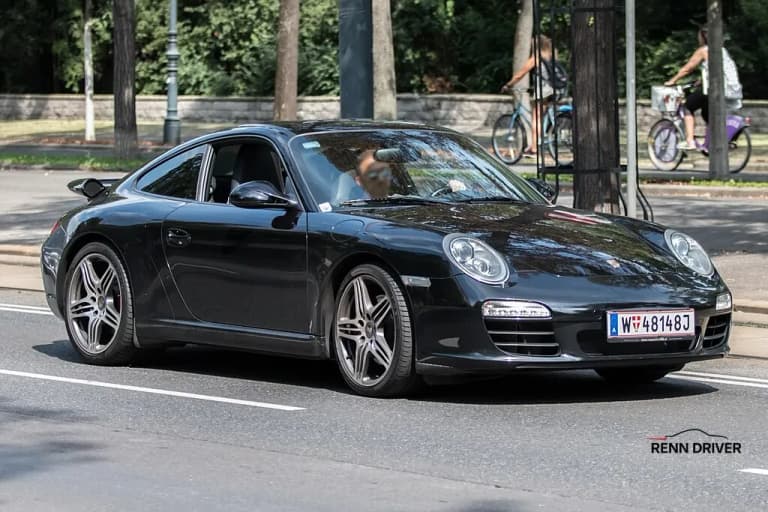
The 997.2 is a useful starting point if you want an analog 911 without the M96 or M97 engine questions. Still inspect the cooling and DFI fuel systems. Review the PDK or manual service records too, because age-related wear affects every engine family.
Porsche 997.2 Turbo and GT Reliability
The 997.2 Turbo moved to a different direct-injection engine than the Carrera. The GT3 and GT3 RS kept the Mezger architecture used since the 996. Confirm the exact engine family before applying a reliability claim. Check cooling health, track history, and over-rev records on every variant.
Porsche 991.1 Reliability
The 991, produced from 2011 to 2019 (production era), continued the 997.2’s clean engine record with its naturally aspirated MA1-family engine in the 991.1 Carrera. PDK, Porsche’s dual-clutch automatic transmission, developed output seal leaks on some 991.1 cars. The early PCM 3.1 infotainment system also had occasional lockups reported.
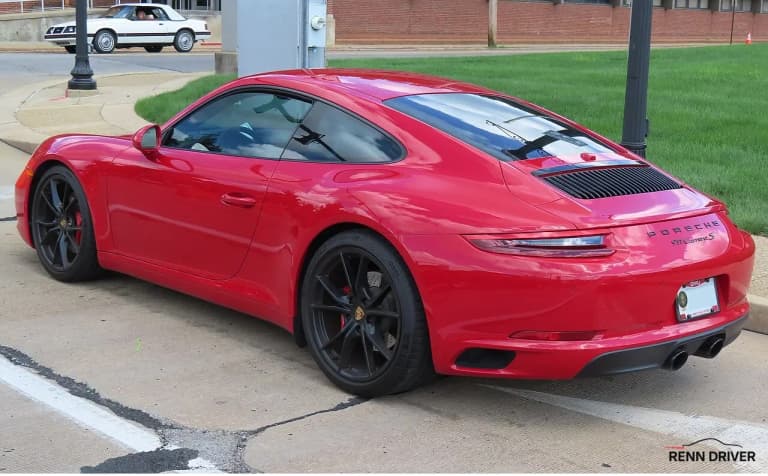
One 991.1 model needs a specific check before purchase. NHTSA recall 14V-090 covers 2014 model-year 911 GT3 cars that required a full engine replacement over a separate defect. Do not buy an affected 2014 GT3 without the recall closed and the replacement engine documented by invoice and VIN.
For a 991 Carrera, ask for PDK or manual service records and a DME scan. The DME is the car’s engine computer. Also require a road test from a cold start. Specialist inspection guides explain these checks.
Porsche 991.2 Reliability
Porsche introduced a twin-turbo 3.0 liter flat-six across the 991.2 Carrera range in 2016. The turbochargers and extra cooling hardware add parts that can wear with age. The sources reviewed do not show a generation-wide failure pattern.
Inspect the cooling system for leaks and check turbo operation under load. Pull the full service history before buying a 991.2 Carrera. Public sources do not replace a specialist inspection of the actual car.
Porsche 992 Reliability
The current 992 generation has been in production since 2019. It pairs a revised twin-turbo flat-six with an eight-speed PDK. This transmission replaced the earlier seven-speed unit. The 992 is also the youngest generation here, so long-term evidence is thinner.
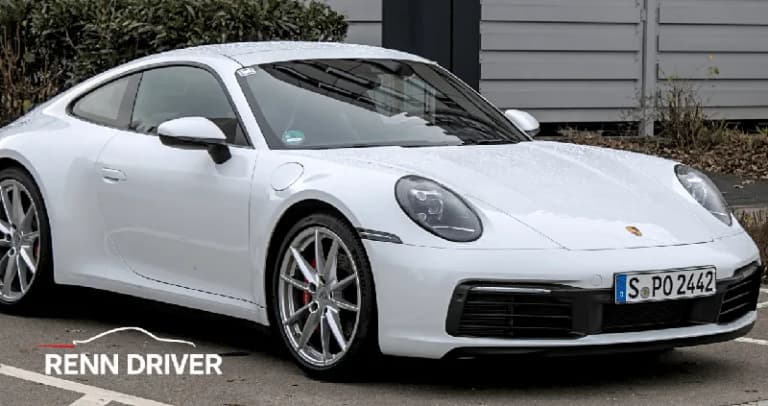
NHTSA recall 24V-809 covers certain 2021 to 2024 911 models. Their center-lock wheel bolt may be out of specification and could fracture. Confirm whether the car has center-lock wheels, then check campaign status by VIN. Other campaigns cover glass bonding, headlight software, and a rearview camera fault. These do not establish an engine or transmission pattern, but recall coverage changes.
IMS Bearing and Bore Scoring: The Chronology to Check
The intermediate shaft (IMS) bearing supports the shaft that times the camshafts in the M96 and M97 engines. It affects the standard Carrera from 1997 through 2008 (production era), plus selected Boxster and Cayman engines from the same family. It never affected the Turbo, GT2, or GT3 from those same generations, which used the gear-driven Mezger architecture instead.
The bearing design changed during production. LN Engineering, a specialist that sells IMS retrofit kits, breaks down the history by year. Cars built from 1997 to 1999 use a dual-row bearing. Cars built from 2000 to 2001 may carry either the dual-row or newer single-row design.
Cars built from 2002 to 2005 use the single-row design. Cars built from 2006 to 2008 use a larger third design that is not externally serviceable. LN Engineering’s bearing identification guide has the full breakdown.
Model year alone will not identify the bearing in a crossover-era car. Match the engine number and request the invoice for any bearing repair. The invoice should name the exact part fitted.
The earlier dual-row and single-row bearings are the usual retrofit candidates. The 2006 to 2008 bearing needs partial engine disassembly for inspection or replacement. A standard pre-purchase inspection cannot clear it. Detailed service history carries more weight than a clean test drive.
Bore scoring is vertical scratching on the cylinder wall. It can cause high oil use and, eventually, engine failure. LN Engineering names the 3.6 liter M96.03 and M96.05 engines and the 3.8 liter M97.01 engine as the main 911 engines to check.
A borescope inspection through the spark plug holes can miss early damage. The correct method also views the cylinder’s thrust side from the sump with the piston in the right position. Ask for a report that names every cylinder and surface checked. LN Engineering’s borescope guide explains the method.
LN Engineering has a commercial interest in selling the fix. Its guidance is useful for parts and inspection methods, not for an unbiased fleet-wide failure rate. The Eisen settlement also defines a legal class, not an engineering census.
No reviewed source gives a comparable failure rate across every 911 generation and engine family. The inspection of the car in front of you is the evidence that counts.
The dedicated IMS bearing guide carries the specialist retrofit options and repair costs behind all of this. This page’s job is scope: know which cars and years are affected, then go there for the rest.
Inspection Checklist for Any 911
Ask a Porsche specialist to hand you evidence, not just a thumbs up. This list applies across generations. Only some items apply to every engine family, so skip what does not fit the car in front of you.
- Confirm the VIN, model year, variant, and exact engine number against the paperwork.
- Scan every control unit and print the stored, pending, and historic fault codes.
- Pull an over-rev report from the DME, the car’s engine control computer, on cars where that data is available.
- Cold-start the car after it has sat overnight and listen for unusual noise.
- Inspect the oil filter and sump for metal on engines with a known bearing or scoring risk.
- Use the correct borescope method for that engine, and get a report naming the cylinders and surfaces checked.
- Pressure-test the cooling system and inspect radiators, hoses, pumps, and fittings for residue.
- Review PDK or manual transmission service history and road-test the car from cold to hot.
- Check recall and campaign status by VIN at NHTSA’s recall database.
- Read the actual invoices in the service file, not just stamps in a service book.
- Inspect for accident repair, track use, suspension wear, brakes, tires, and age-related rubber and plastic parts.
Records to Request Before You Buy
Ask the seller for these documents before you commit to a pre-purchase inspection. Gaps in this list are not automatically disqualifying, but they should lower your offer or raise your caution.
- Full invoices with dates, mileage, VIN, and the exact parts used.
- Engine replacement or rebuild paperwork, if the car has had either.
- IMS work details, including the exact component fitted and who installed it.
- Borescope images labeled by cylinder and viewing method, not just a pass or fail note.
- Oil filter inspection or oil analysis history, treated as supporting evidence rather than a guarantee.
- Cooling system repair invoices, especially on Turbo, GT, and turbocharged Carrera models.
- PDK, clutch, flywheel, and transmission service records.
- A DME or over-rev report where the car and specialist can produce one.
- Recall and campaign completion receipts.
- Accident and paintwork records.
When to Walk Away
Walk away, or price the car as a repair project instead of a clean buy, when any of these show up during a sale.
- The seller refuses an independent Porsche-specialist pre-purchase inspection.
- The engine number does not match the paperwork or the advertisement.
- A scoring-prone or IMS-risk engine shows symptoms with no conclusive inspection to clear it.
- The cooling system loses pressure or shows unexplained coolant residue.
- A required engine replacement or safety recall cannot be proven complete by invoice and VIN.
- Major over-revs, crash repair, or track use only surface during the inspection, not before.
- The seller leans on “these engines all do that” instead of producing records.
- The purchase price leaves no reserve for the age-appropriate repairs this guide describes.
Frequently Asked Questions
What is the most reliable Porsche 911 generation?
No independent study ranks every 911 generation on one scale. For most buyers, the 997.2 and 991 Carrera are the simplest places to start. Both avoid the M96/M97 IMS bearing design. Still check the specific car’s history, inspection results, and open recalls.
Which Porsche 911 years should I be most careful with?
The 996 Carrera (1997 to 2005, production era) and 997.1 Carrera (2004 to 2008) need the closest inspection. Both use an M96 or M97 engine with an IMS bearing. The 997.1 also carries a bore scoring risk on its 3.8 liter engine. These issues do not rule out the car, but they require the right specialist inspection.
Can an inspection or retrofit fully resolve the IMS bearing risk?
Not reliably, and not the same way on every car. Engines built from 2006 to 2008 use a larger bearing that needs partial engine disassembly for inspection. A standard pre-purchase inspection cannot clear it. Earlier bearings from 1997 to 2005 are the usual retrofit candidates. Documented history carries more weight than a clean test drive.
Are Turbo and GT3 models exempt from the IMS bearing risk?
Yes, for the IMS bearing specifically. The 996 and 997.1 Turbo, GT2, and GT3 use Mezger architecture without a sealed IMS bearing. So do the 997.2 GT3 and GT3 RS. The 997.2 Turbo uses a different direct-injection engine.
NHTSA’s PE13-009 investigation covers a separate coolant-fitting concern on 2001 to 2007 GT1-engine Turbo and GT cars. The exemption applies to the IMS warning, not every reliability concern.
Image Credits
Images: 996 coupe by Thomas doerfer, CC BY-SA 3.0. 964 Carrera by Lothar Spurzem, CC BY-SA 2.0 DE. 993 Carrera RS by Calreyn88, CC BY-SA 4.0. 997 Carrera by Calreyn88, CC BY-SA 4.0. 997.2 by Johannes Maximilian, CC BY-SA 4.0. 991 Carrera 4S by David Villarreal Fernandez, CC BY-SA 2.0. 992 Carrera S by Alexander Migl, CC BY-SA 4.0. 996 GT3 by Calreyn88, CC BY-SA 4.0. The 997 GT2 rear three-quarter photo and direct rear photo are by Alexandre Prévot, CC BY-SA 2.0, via Wikimedia Commons.