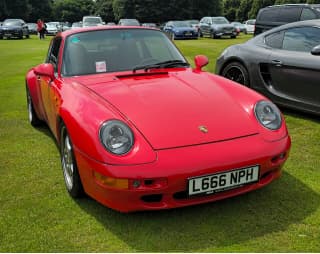
Quick Answer: A Porsche restomod is a classic Porsche restored with a new brief. That can mean better brakes and air conditioning, or a bare-shell rebuild with new bodywork, suspension, wiring, and power. The word is useful, but it is not a specification.
In this article, we’ll explain Porsche restomods, why the label can hide big differences, and how to judge one. We’ll cover the donor car, the builder and paperwork, and the inspection that protects you.
Contents
Quick Summary
- Restomod: an informal label for a classic car restored with a changed specification.
- First check: verify the donor VIN, title, condition, and factory specification.
- Big difference: a light usability update is not the same as a re-engineered commission.
- Builder: use the builder’s actual language and keep its work separate from Porsche factory history.
- Paperwork: photographs, invoices, wiring diagrams, and alignment data are part of the car.
- Buying tip: inspect the work underneath, not just the paint and cabin.
What Porsche Restomod Means
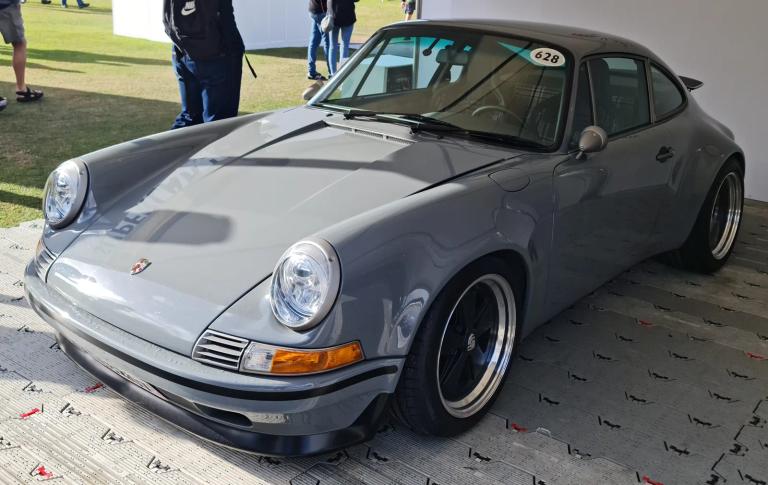
Restomod joins restoration and modification. It sounds simple, but it covers a huge range of cars. A tidy classic with modern tires and a better stereo may wear the label. So may a Porsche-based commission rebuilt from its shell with a new engine, carbon panels, custom wiring, and a fresh interior.
That is why a restomod badge does not answer the useful questions. It does not tell you how the car was before work began. It does not tell you what changed, who did it, or whether the parts work as a system.
Think of it as a starting point for the conversation. The real description should name the donor generation, the builder, the work completed, and the records that support it. Our Porsche 911 guide, 964 guide, and 993 guide are useful starting points before you look at altered examples.
The Main Types of Build
There is no official restomod rulebook. Still, most Porsche projects fall into a few useful groups.
- Sympathetic restoration: The aim is to preserve the car’s original character. Updates are usually small and may be reversible.
- Updated driver: The owner wants a classic they can use more often. Common changes include better cooling, lighting, seats, dampers, brakes, and climate control.
- Outlaw-style build: The car is a personal expression rather than a strict factory recreation. Period cues and modern parts can sit together.
- Race or rally interpretation: The look and hardware borrow from competition cars. Check closely whether it is road legal, track ready, or just styled that way.
- Re-engineered commission: The builder changes the shell, body, powertrain, chassis, cabin, and electronics as one planned package.
None of these is automatically better. The right one depends on what you want from the car. A light build with excellent records can be a far smarter buy than a dramatic one-off with no clear story.
Start With the Donor Car
Verify the starting point
Every serious inspection starts before the modification. Ask for the VIN, title, factory specification, engine and gearbox details, previous ownership, accident history, and photographs from before the build. On an air-cooled car, rust repair and shell geometry deserve as much attention as paint.
Then separate restoration from alteration. Repairing corrosion with correct metal is not the same job as widening a body. Rebuilding an original engine is not the same as fitting a different capacity, fuel system, or management system. Both can be good work, but a buyer needs to know which one happened.
A donor with a rough history is not automatically a deal-breaker. A complete rebuild can rescue a tired car. It just changes what you are buying. You are buying the quality of the completed work, not a preserved original.
Builders and Factory Identity
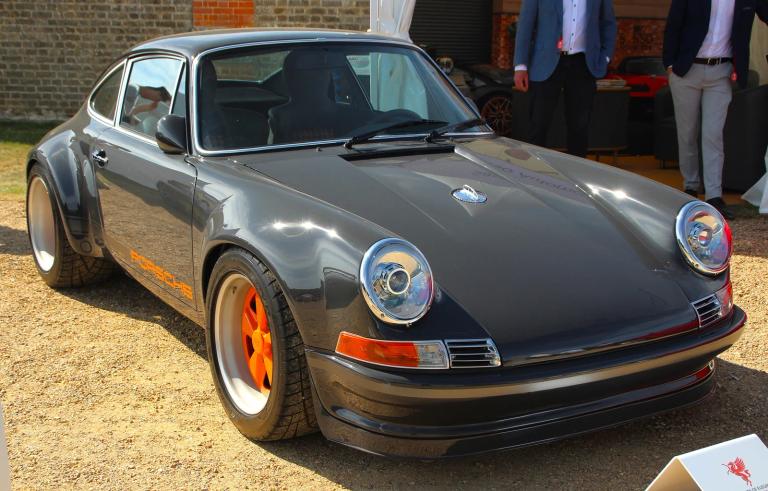
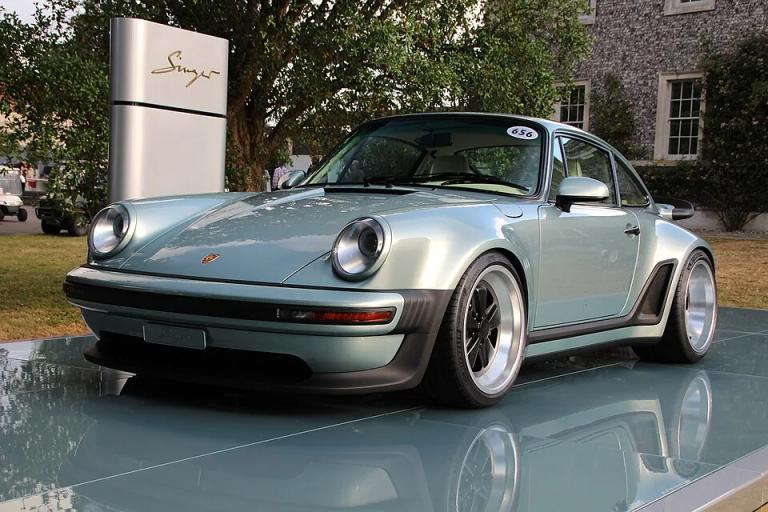
Good builders have their own language for their work. Use it accurately. Singer’s Classic Services, for example, describes a personalized restoration that begins with an owner’s Type 964 Porsche 911. The company describes its own bodywork, engine choices, and assembly process.
Gunther Werks describes its work around the 993 platform as re-engineered and remastered. Its story also explains that it designs and manufactures much of its componentry in-house. That is a different project from a lightly updated 993, even if both cars wear familiar 911 lines.
Neither description makes the finished car a Porsche factory program. The donor is a Porsche. The commission and its changes are the independent builder’s work. Keep that distinction clear when you read an advert or compare values.
RUF deserves its own check. RUF describes itself as a car manufacturer, while it also sells individual performance parts. A car with RUF parts, a Porsche conversion, and a RUF-manufactured vehicle are not automatically the same thing. Check the VIN, title, market, and paperwork before using any label.
How the Systems Should Work Together
A restomod is not a shopping list. More engine output can change the cooling, fuel delivery, clutch, gearbox load, brakes, tire choice, and heat management. Wider wheels can alter steering feel, suspension travel, wheel clearance, and alignment targets.
Electrical work needs the same discipline. Air conditioning, modern lighting, pumps, audio, engine management, and charging ports can add demand that an old harness never faced. Ask for wiring diagrams, fuse and relay layouts, charging information, and a clear route for future diagnosis.
Be cautious around easy claims. A power figure needs the engine specification, fuel, test method, and date. A weight claim needs to say how the car was measured. A handling claim means little without the installed components and alignment settings.
The Records Worth Paying For
Paperwork is not a bonus on a restomod. It is part of the car. The ideal file starts with the donor identity and condition report. It then tracks the shell work, engine and gearbox work, parts, paint, wiring, geometry, and final inspection.
Look for before-and-after photographs, not just beauty shots. Ask for invoices that name the parts and subcontractors. A custom build should also have wiring information, paint codes, alignment sheets, service notes, and details for any bespoke components.
Those records protect resale value, but they also make ownership easier. The next technician needs to know what is behind the dash and under the bodywork. A beautiful custom car becomes a headache fast when nobody can identify a failed relay, damper, or brake part.
How to Inspect a Restomod
Bring the right expertise
Use a Porsche specialist for the donor and add expertise where the build calls for it. A complex project can also need a body specialist, an engine builder, an auto electrician, or a composites expert. Put the car on a lift and make the inspection match the work.
Check the shell, rust repair, seams, paint, body fit, brake and fuel lines, exhaust heat protection, suspension travel, wheel clearance, steering, cooling, and wiring protection. Drive it long enough to judge heat, noise, brake feel, gearbox behavior, and warning lights.
Then confirm the legal side. Title, registration, emissions, lighting, noise rules, and insurance treatment can vary by location. A well-known builder does not remove the need to check local rules.
Buy the Car, Not the Label
The best Porsche restomod is the one with a clear purpose and proof behind it. A restrained updated driver can be perfect for road use. A serious commission can be special when its engineering and documentation match the price.
Do not pay for a story that the records cannot support. Start with the donor, follow the work, inspect the systems, and ask how the next owner will maintain it. That approach cuts through the badge talk and gets you to the car.
Frequently Asked Questions
What is a Porsche restomod?
A Porsche restomod is a classic Porsche that has been restored and changed with newer parts or a new specification. The label does not tell you how much of the car changed, so ask for the build record.
Is every modified Porsche a restomod?
No, every modified Porsche is not a restomod. A sympathetic restoration, outlaw build, race replica, and ground-up commission can all look similar while having very different scopes and values.
Are Singer and Gunther Werks Porsche factory programs?
No, Singer and Gunther Werks are not Porsche factory programs. They are independent companies that work with Porsche-based cars.
Does a Porsche restomod keep its original VIN?
Yes, a Porsche restomod usually has the donor car’s VIN, but buyers should verify the title, chassis identity, and local registration rules. A builder’s badge or parts do not answer that question by themselves.
What should I inspect before buying a Porsche restomod?
A Porsche restomod should be inspected at the shell, chassis work, wiring, engine, gearbox, brakes, suspension, and paperwork. Use a Porsche specialist and ask for photos and invoices from before, during, and after the build.
Images: Kalmar Automotive 7-97 Porsche 911 restomod and 1986 Porsche 911 Carrera 3.2 restomod by MrWalkr, CC BY-SA 4.0. Singer Turbo by MrWalkr, CC BY-SA 4.0. Via Wikimedia Commons.