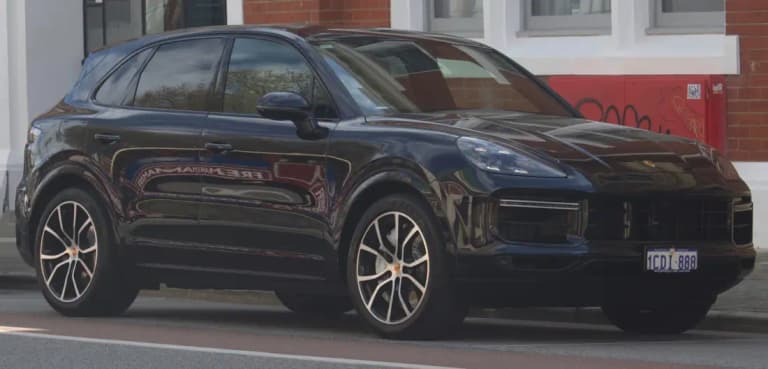
The Porsche Cayenne is the larger, more powerful, more expensive SUV; the Porsche Macan is the smaller, sportier, more affordable one. Buy the Cayenne if you want space, comfort, and big power, including a plug-in hybrid. Buy the Macan if you want a sharper, easier-to-park Porsche SUV for less money.
In this article, we’ll compare the Porsche Cayenne and Macan to help you pick the right SUV. We’ll cover size, performance, price, and which to buy.
Contents
- 1 Quick Summary
- 2 Cayenne vs Macan: Quick Comparison
- 3 Cayenne vs Macan: Key Differences Explained
- 4 Cayenne vs Macan: Size and Space Compared
- 5 Cayenne vs Macan: Engine and Performance
- 6 Fuel Economy and Running Costs
- 7 Cayenne vs Macan Price
- 8 Cayenne vs Macan Interior and Tech
- 9 Driving Feel: Cayenne Cruiser vs Macan Sport
- 10 Reliability and Ownership Costs
- 11 Cayenne or Macan: The Verdict
- 12 Frequently Asked Questions
Quick Summary
- Size: The Cayenne is Porsche’s larger SUV; the Macan is the smaller, more compact one, about six inches shorter.
- Power: Macan runs from about 261 hp to 630 hp (Electric Turbo); Cayenne runs from about 348 hp to 729 hp (Turbo E-Hybrid).
- Cargo: Cayenne offers about 27 cubic feet behind the rear seats versus about 17 cubic feet in the Macan.
- Towing: A properly equipped Cayenne can tow up to about 7,716 lb; the Macan tops out around 5,500 lb (Macan Electric).
- Powertrains: The Macan is now electric-only in most markets alongside a phased-out gas version; the Cayenne stays gas and plug-in hybrid, with a full electric Cayenne on the way.
- Price: The Macan starts well below the Cayenne, making it the more attainable Porsche SUV.
- Best For: Buy the Cayenne for space, power, and towing; buy the Macan for a sharper drive and lower price.
Cayenne vs Macan: Quick Comparison
| Spec | Macan | Cayenne |
|---|---|---|
| Size | Compact SUV | Large SUV |
| Length | ~4,784 mm | ~4,930 mm |
| Base power | ~261 hp | ~348 hp |
| Top power | ~630 hp (Electric Turbo) | ~729 hp (Turbo E-Hybrid) |
| Cargo (rear seats up) | ~17 cu ft | ~27 cu ft |
| Hybrid option | No (gas), full EV available | Yes, plug-in hybrid |
| Starting price | Lower | Higher |
Cayenne vs Macan: Key Differences Explained
The Porsche Cayenne vs Macan choice comes down to one thing first, then everything else follows from it. That first thing is size. The Cayenne is the bigger, older nameplate that launched in 2002 and turned Porsche into a profitable company. The Porsche Macan arrived in 2014 as the smaller, cheaper way in, and it quickly became Porsche’s best selling model.
Once you know the size gap, the rest lines up behind it. The bigger Cayenne carries more power, more space, more towing muscle, and a higher price. The smaller Porsche Macan is lighter, sharper, easier to park, and kinder to your wallet. Neither is a compromise. They are aimed at different buyers.
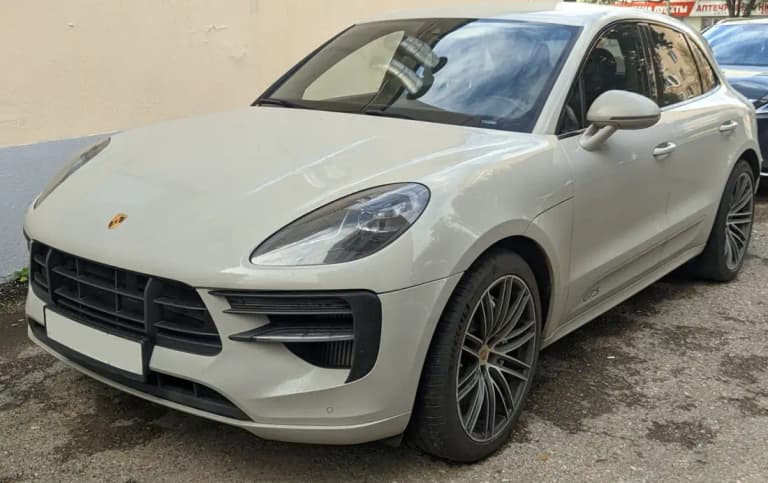
Power is the other headline. Both ranges run from sensible to seriously fast, and at the very top they almost meet. The Cayenne wins on outright muscle with its plug-in hybrid, while the Macan answers with a quick electric Turbo. The result is two cars that feel further apart on paper than they do from the driver’s seat.
A Quick Breakdown by Buyer Type
If you want the short version, here is the quick breakdown. Families, frequent towers, and long-distance drivers are better served by the Cayenne. Singles, couples, and city drivers who love a sharp car get more from the Macan, which is also the cheaper first Porsche. Almost everyone else lands somewhere in between, and a back-to-back test drive settles it.
Cayenne vs Macan: Size and Space Compared
This is the difference that matters most. The Cayenne is Porsche’s larger, mid-size SUV and the Macan is the compact one. The Cayenne is about six inches longer overall, with a longer wheelbase, so it has more room for passengers and luggage.
The Macan’s smaller size is not just a downside. It makes the car easier to park, thread through traffic, and live with day to day, which is a real advantage in a busy city. In tight multi-storey car parks and on narrow streets, the compact body pays off every single time.

Both also come in a sloping Coupe body if you want a sportier roofline, which trades a little headroom and cargo height for style. The Cayenne Coupe is the more dramatic of the two shapes, while the Macan keeps a single, more upright body. For a growing family or big airport runs, the Cayenne is the more practical SUV; for one or two people in the city, the Macan is plenty.
Boot Space and Cargo
Boot space is where the size gap turns into real numbers. The Cayenne offers roughly 27 cubic feet of cargo behind the rear seats and around 60 with them folded. The Macan holds about 17 cubic feet behind the seats and roughly 53 folded, so the Cayenne wins comfortably on luggage.
For most weekly shops and a couple of suitcases, the Macan’s boot is fine. It only starts to feel small when you load it for a family holiday or a big run to the tip. If you regularly carry people and gear at the same time, the extra boot space in the Cayenne is the deciding factor.
Rear Seats and Passenger Room
Rear seats are where the size gap shows next. The Cayenne’s longer wheelbase gives back-seat passengers noticeably more legroom and an easier step-in, so three adults fit better and child seats are simpler to load. It is the natural choice if the back row gets used a lot.
The Macan’s rear seats are fine for kids or shorter trips but get tight for adults on a long drive. For a couple or a small family, that is rarely a problem. For four adults heading away for a weekend, the Cayenne is the kinder car by a clear margin.
Cayenne vs Macan: Engine and Performance
Both SUVs span a wide range, from sensible to seriously fast. The Macan starts with a turbocharged four cylinder around 261 horsepower, while the Cayenne starts higher with a turbo V6 around 348 horsepower. From there the two ranges climb in different directions.
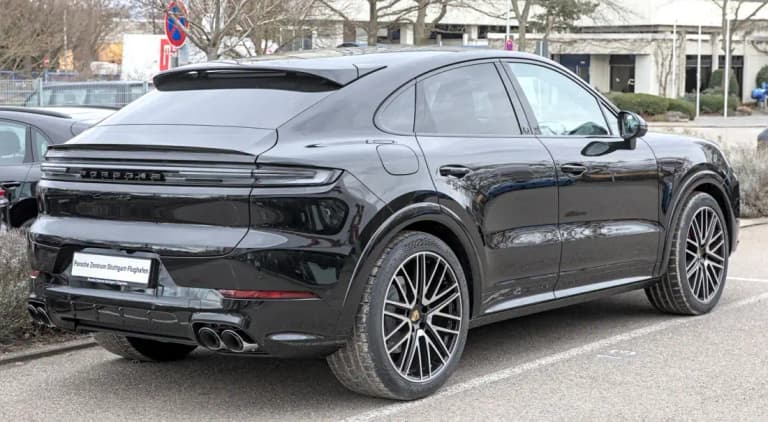
Across the lineup, the Cayenne simply offers more engine options, from a turbo V6 to a twin turbo V8 to a plug-in hybrid, topped by the Nürburgring-record Cayenne Turbo GT. The Macan keeps it simpler. Both are quick in every form, so even the entry cars feel like proper Porsches when you bury the throttle.
The Macan GTS and the Electric Turbo
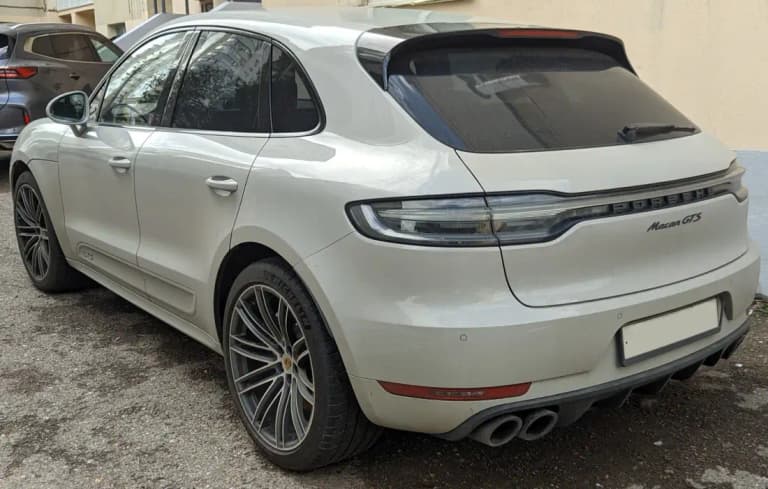
The gas Macan GTS uses a 2.9 liter twin turbo V6 with about 434 horsepower, good for 0 to 60 mph in roughly 4.3 seconds. It is the sweet spot of the old gas range, with a sharper chassis and a louder voice than the lesser models.
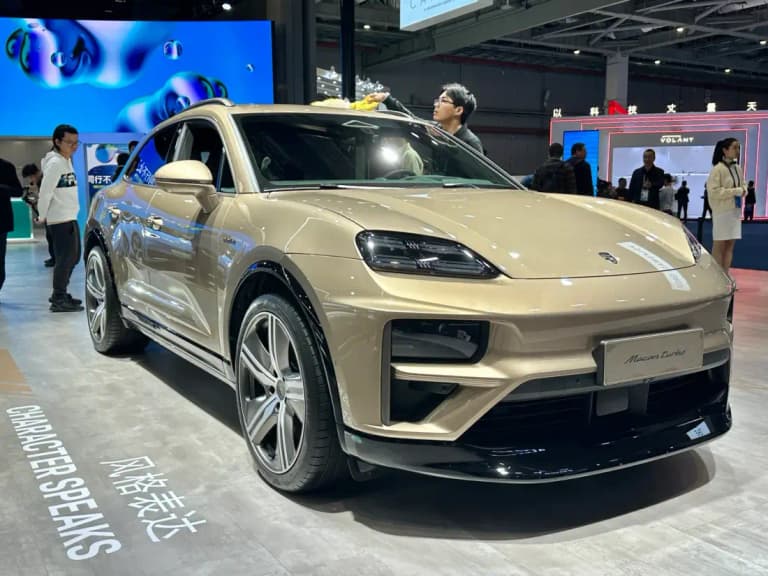
The newer answer is electric. The Macan Electric ranges from a sensible 355 horsepower up to about 630 horsepower in Turbo form, which hits 60 mph in roughly 3.1 seconds. Worth knowing: the gas Macan Turbo has been retired in favor of this electric Macan Turbo, so on a new car that badge now means a fast EV rather than a twin turbo six.
If you go electric, the Macan Electric offers around 315 miles of range and fast charging that takes it from 10 to 80 percent in roughly 21 minutes on a strong charger. That makes it a real long-distance car, not just a city runabout, and it is the most future-proof way into a Porsche SUV today.
The Cayenne Turbo and Hybrids
At the very top of the range, the Cayenne Turbo E-Hybrid makes about 729 horsepower and reaches 60 mph in around 3.5 seconds. That plug-in hybrid muscle is something the Macan does not match in gas form, and it gives the Cayenne genuine supercar pace in a five-seat body.
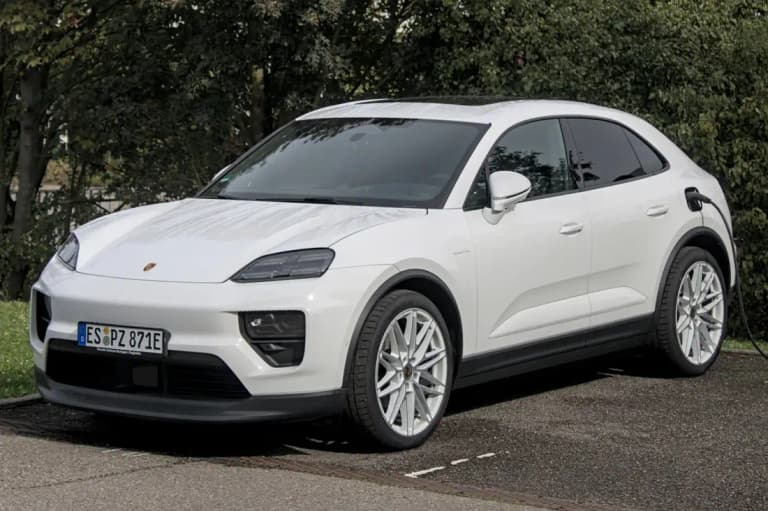
The Cayenne also offers a plug-in hybrid lower down the range for buyers who want short electric commutes with a V6 backup for longer trips. The Cayenne stays with gas and plug-in hybrid power for now, with a full electric Cayenne on the way. So the two cars end up very close at the top, just by different routes.
Towing and Capability
If you tow, the Cayenne is in another league. A properly equipped Cayenne can pull up to about 7,716 pounds (3,500 kg), enough for a large boat or a twin-axle trailer. The plug-in hybrid Cayenne Turbo E-Hybrid still manages around 6,614 pounds, so even the eco-focused version is a serious tow car.
The Porsche Macan tops out lower. A standard Macan tows roughly 4,409 pounds, and the newer all-wheel-drive Macan Electric is rated up to about 5,500 pounds. That is fine for a small trailer or a pair of jet skis, but not for heavy loads. For real hauling the mid-size Cayenne is the obvious choice.
Fuel Economy and Running Costs
Fuel economy follows the engine, not the badge. The four cylinder Macan is the cheapest gas model to fuel, since a smaller engine in a lighter body simply drinks less. The V6 and V8 Cayenne models use more, and the big Cayenne Turbo will empty a tank quickly if you enjoy it.
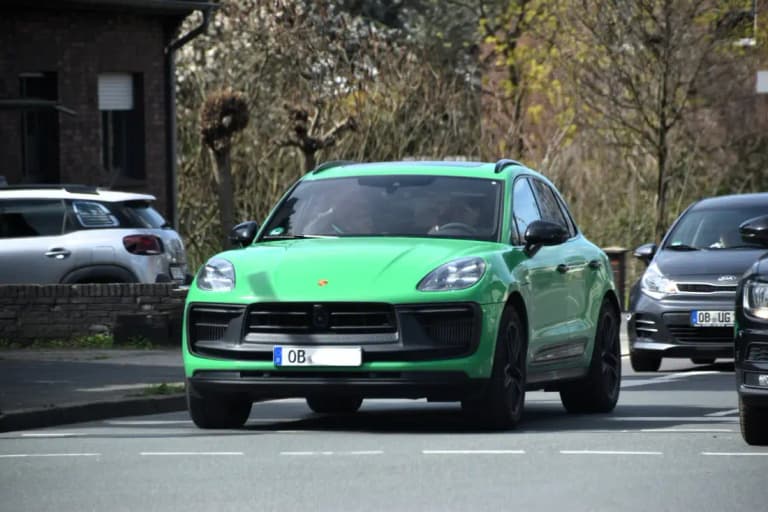
The plug-in hybrids change the math. A Cayenne E-Hybrid driven on short commutes and charged nightly can run mostly on electricity, which slashes fuel bills for daily use while keeping the gas engine for long trips. The fully electric Macan skips fuel entirely, trading petrol stations for charging stops and far lower energy costs per mile.
For pure running cost, the electric Macan or a diligently charged Cayenne hybrid will beat any of the V6 or V8 gas cars. If you do mostly motorway miles and rarely charge, the gas Macan is the simplest cheap-to-run option. Either way, budget for tires, brakes, and routine service at Porsche rates on top of fuel economy.
Off-Road and All-Weather
Neither is a hardcore off-roader, but both will handle a muddy field, a snowy pass, or a rough track far better than most sports cars. Standard all-wheel drive and available air suspension give each real all-weather security, which is part of why a Porsche SUV makes sense as a daily driver.
The Cayenne is the more genuinely capable of the two once the pavement ends. Its available air suspension can raise ground clearance, and an off-road setting adjusts the car for loose surfaces. That suits owners who tow a boat down a launch ramp or face a gravel driveway in bad weather. The Macan can manage light off-road duty but is tuned more for tarmac and quick back roads.
Cayenne vs Macan Price
The Macan is the cheaper way into a Porsche SUV. It starts well below the Cayenne, which is a big part of its appeal. For many buyers, the Macan is simply the most attainable new Porsche, and that single fact drives a lot of sales.
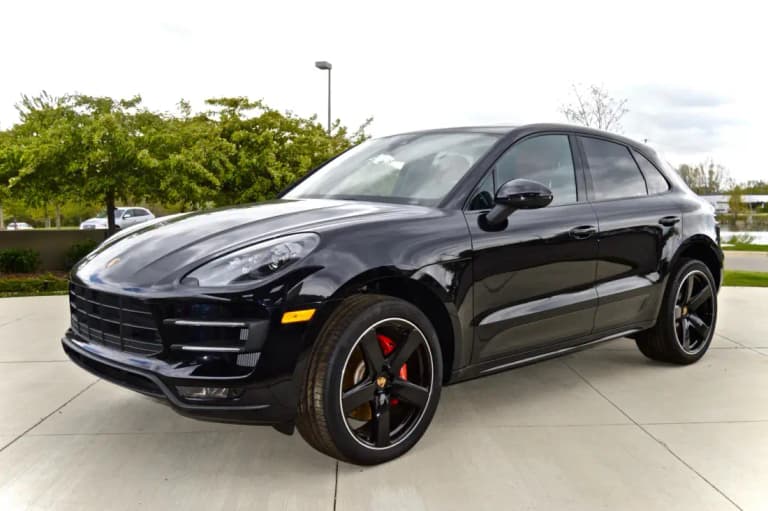
The Cayenne costs more, but you are paying for size, power, and a longer options list. Both can climb a long way once you reach the Turbo and hybrid versions, so the gap narrows at the top of each range. A loaded Macan and a base Cayenne can land surprisingly close on price, which is worth keeping in mind. If budget is the deciding factor, our guide to renting before you buy is one way to try each first.
Resale and Depreciation
On resale, both hold up reasonably well for the class, but like most new cars they take their biggest hit in the first few years. That makes a lightly used example the smart buy if you want to skip the steepest part of depreciation. A two or three year old car with the right options is often the value play.
A well specified Macan in a desirable color tends to be the easier car to sell on later, simply because more buyers can reach its price. The Cayenne holds value too, but its higher price and bigger options bills mean the cash depreciation in pounds or dollars is usually larger. Color and spec matter more than people expect.
If you are leaning toward a used Macan, our Macan reliability guide covers model-year risks, common faults, and the inspection checks that matter before purchase.
Cayenne vs Macan Interior and Tech
Inside, both feel like proper Porsches: a driver-focused cabin, quality materials, and a digital cockpit. The Cayenne’s larger body gives more rear legroom and a more spacious feel, which suits longer trips and back-seat passengers.
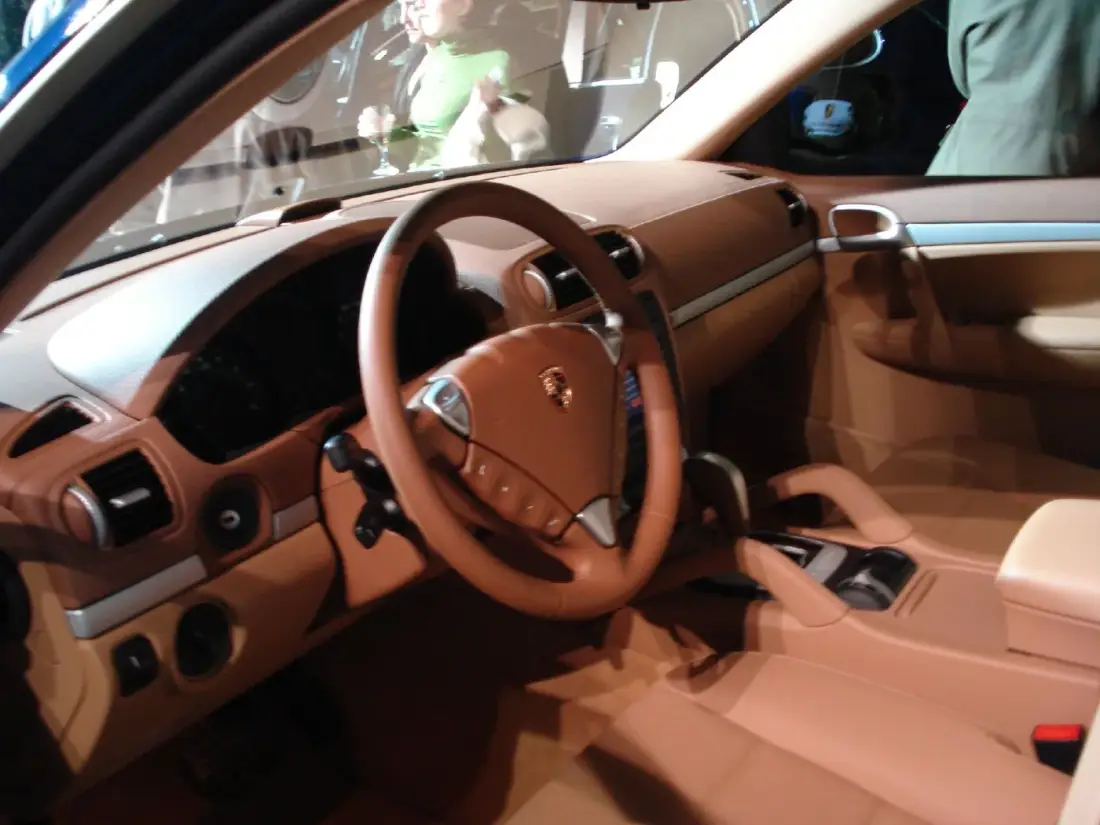
The Macan’s cabin is just as well built but tighter, especially in the back. The newest electric Macan moves to Porsche’s latest screen-led interior, with a passenger display and a cleaner dashboard, so the tech gap depends a lot on which model year and powertrain you compare. A brand-new Macan Electric can feel more modern inside than a Cayenne that is a few years into its cycle.
Both get the core Porsche kit: configurable digital dials, a crisp central touchscreen, wireless phone mirroring, and a long list of driver assists. Neither cabin feels cheap, and both age well. The choice here is space versus the very latest screens, not quality versus quality.
Driving Feel: Cayenne Cruiser vs Macan Sport
This is where the Macan fights back. It is lighter and smaller, so it feels sharper and more eager to change direction. Enthusiasts often call it the closest thing to a sports car in SUV form, and on a twisting road it is the more playful of the two.
The Cayenne is no slouch, but its job is different. It leans toward comfort, stability, and quiet over long distances, with the muscle to move a big body very quickly when you ask. On the motorway it is the more relaxing car, and the optional air suspension smooths out rough surfaces that the firmer Macan would let you feel.
Put simply, the Cayenne is the better cruiser and the Macan is the better back-road toy. If your favorite road is a smooth motorway, lean Cayenne. If it is a tight mountain pass, the Macan will put a bigger grin on your face. Neither will disappoint the way a softer rival might.
Reliability and Ownership Costs
Both SUVs share much of their engineering with the wider Volkswagen Group, which makes parts and servicing easier to find than on a pure exotic. As Porsches go, both have a solid reliability record when they are maintained on schedule, and independent specialists can handle most jobs.
Running costs scale with the engine, the same way fuel economy does. The four cylinder Macan is the cheapest to service, while the V8 and hybrid Cayenne models cost more. Earlier Cayenne generations even offered a diesel option in some markets, popular for its towing range, though Porsche has since dropped the diesel Cayenne.
The best way to choose is a thorough test drive of both back to back, ideally over the kind of roads you actually use. If you want to try them in Thailand first, see our luxury car rental guide. Driving the two on the same day tells you more than any spec sheet.
Cayenne or Macan: The Verdict
It comes down to what you need. Most of the time the choice is about life stage and use, not which car is objectively better, because they are both genuinely good.
A single driver or a couple who love how a car drives will be happier in the Macan, which is also the easier first Porsche to afford. A family, a frequent tower, or anyone who covers long distances will get more from the Cayenne’s space, comfort, and muscle. Be honest about how you will actually use it, then a test drive of both usually settles it.
- Buy the Cayenne if: you want space for a family and gear, the most power and the plug-in hybrid option, serious towing capacity, and comfort on long drives.
- Buy the Macan if: you want the sportier drive, an easier car to park and own, better gas fuel economy, the lower price, or Porsche’s newest electric SUV.
Both are genuinely good. The Cayenne is the do-everything flagship; the Macan is the sweet spot of price and fun. If you are weighing the rest of the range too, the larger Panamera is the saloon alternative, and the Cayman is the sports car for buyers who do not need an SUV at all. For the official line, read Porsche’s own breakdown of the two SUVs.
Frequently Asked Questions
What is the main difference between the Porsche Cayenne and Macan?
Size. The Cayenne is Porsche’s large SUV, bigger in every dimension with more power and space. The Macan is the smaller, lighter, sportier SUV that is easier to live with in the city and costs less.
Is the Cayenne or Macan better value?
The Macan is the better value if you want a Porsche SUV for the lowest price, since it starts well below the Cayenne. The Cayenne costs more but gives you a bigger cabin, more cargo room, and far more powerful engines including a plug-in hybrid.
Which is faster, the Cayenne or the Macan?
At the top, the Cayenne. The Cayenne Turbo E-Hybrid makes around 729 horsepower and hits 60 mph in about 3.5 seconds. The quickest Macan Electric is close behind at roughly 3.1 seconds, so model-for-model they are very close.
Is the Macan going electric?
Yes. Porsche has introduced the all-electric Macan, and in some markets it is replacing the gas model. The Cayenne still offers gas and plug-in hybrid power, with an electric Cayenne also on the way.
Which Porsche SUV is better for a family?
The Cayenne. Its longer wheelbase gives more rear-seat room and noticeably more cargo space, which makes it the easier choice for a family or for long trips. The Macan suits a couple or a small family that values agility and a smaller footprint.
Is the Cayenne or Macan better in snow?
Both are excellent in snow thanks to standard all-wheel drive. The Cayenne has a slight edge for rough winter conditions because its available air suspension can raise ground clearance, but for normal snowy roads either one is very secure.
Does the Cayenne come as a coupe?
Yes. The Cayenne is offered as both a standard SUV and a sloping Cayenne Coupe. The Macan comes in a single SUV body style, with gas and electric versions depending on the market.
Images: Cayenne Turbo by EurovisionNim, CC BY-SA 4.0. 9Y0 Cayenne by OWS Photography, CC BY 4.0. Cayenne Coupe S by Alexander-93, CC BY-SA 4.0. Cayenne interior by Adrià García, CC BY-SA 2.0. Macan GTS (front) and Macan GTS (rear) by Throwawayacc222, CC0. Macan electric by Alexander-93, CC BY-SA 4.0. Macan S by Charles, CC BY 2.0. Macan Electric Turbo by JustAnotherCarDesigner, CC0. Macan Turbo (black) by Yahya S., CC BY 2.0. Via Wikimedia Commons.