
Quick Answer: Porsche 911 maintenance costs are manageable when the car has a clean service history and you budget before buying. Routine service is the easy part. Tires, brakes, age-related repairs, and deferred work are where an older 911 can hit hard.
In this article, we’ll explain Porsche 911 maintenance costs, without pretending every car has the same bill. We’ll cover the routine schedule, the big cost drivers, and how to budget before buying.
Contents
Quick Summary
- Routine service: plan for annual work even on a low-mileage 911.
- Big bills: tires, brakes, suspension, cooling, and deferred repairs move the number fastest.
- Older cars: buy service history, not a cheap asking price.
- Modern cars: follow the car’s maintenance menu and keep every invoice.
- Track use: shortens consumable life and can add transmission and brake service.
- Best move: get a Porsche-specialist pre-purchase inspection before you own the bill.
The Straight Answer on 911 Maintenance Cost
A Porsche 911 is not cheap to maintain, but it is not automatically a money pit either. The honest answer is that the number belongs to the specific car, not the badge.
A current Carrera and a neglected early water-cooled car can both wear a 911 badge while asking for very different budgets. Condition, service history, tires, brakes, options, location, and use all count. A track-driven car will consume parts faster than a weekend car.
For a useful starting point, a Porsche dealer in Illinois puts a standard annual 911 service at about $400 to $700. Treat that as a local example, not a national price list. It does not include tires, brake wear, repairs, tax, or the bill that comes from buying a car with skipped work.
Build the Right 911 Budget
Do not use a single annual figure and call the job done. Break the budget into three pots. This keeps a normal service visit from hiding the cost of parts that wear at different speeds.
| Budget pot | What belongs in it | What changes it |
|---|---|---|
| Scheduled service | Oil, filters, fluids, inspections, and time-based work | Model year, mileage, and the car’s maintenance menu |
| Consumables | Tires, brake pads, rotors, batteries, wipers, and alignment | Wheel size, driving style, roads, and track use |
| Repair reserve | Leaks, cooling work, suspension wear, electronics, and deferred repairs | Age, condition, inspection results, and prior ownership |
A low asking price can look great. Then the inspection finds worn tires, thin brakes, tired dampers, fluid leaks, and overdue invoices.
What Routine 911 Service Includes
Many recent 911 schedules list oil service at 10,000 miles or one year. It lists brake fluid at 20,000 miles or two years. It lists spark plugs at 30,000 miles or three years. It lists engine air filters at 40,000 miles or four years. Check the full dealer guidance, then confirm the exact schedule in your own car.
That timing is not a promise that every 911 uses the same parts or labor. Porsche changes powertrains, options, and maintenance instructions between generations. Your service indicator, VIN-specific records, and owner’s material are the tie-breaker.
Keep the invoice for every visit. A detailed invoice should name the mileage, date, parts, fluids, and shop. That history helps the next technician diagnose the car and helps the next buyer trust it.
What Changes the Cost Most
Tires and brakes
These are normal performance-car expenses, not a surprise. A 911 uses wide tires and strong brakes, and the exact bill changes with wheel size, tire choice, driving, and local labor. Check tread depth, tire date codes, pad thickness, and rotor condition before you negotiate a used car.
Age and deferred work
Rubber, plastic, fluid, seals, mounts, and electrical parts age even when the car barely moves. A garage queen can need attention because time passed, not because the odometer climbed. That is why a service file beats a clean-looking engine bay.
How the car is used
Track days add heat and wear. They can shorten tire and brake life, and they may lead to extra fluid service. There is nothing wrong with a track-driven 911, but price it as a car that needs evidence of correct preparation and maintenance.
Budget by 911 Generation
Air-cooled cars: budget for specialist knowledge, age-related work, and parts availability. The car may be mechanically simple beside a modern 911, but old-car work can still take time.
996 and early 997 Carrera: budget for a serious inspection before purchase. The 911 reliability guide explains the IMS-bearing and bore-scoring questions that need generation-specific answers. Do not price a car without knowing its engine, history, and inspection result.
997.2 and 991: these cars can be easier to plan around when the history is complete. Still check for maintenance records, tires, brakes, suspension condition, electronics, and transmission service.
992: the newest cars benefit from warranty coverage when applicable, but they still need consumables and scheduled service. Porsche’s 2025 Carrera S, for example, uses a twin-turbo 3.0-liter boxer and eight-speed PDK, as Porsche details in its launch information. Warranty is not a substitute for keeping records.

Before You Buy a Used 911
Get a pre-purchase inspection from a Porsche specialist. Ask for a written report, not a verbal thumbs-up. On an older car, that report should cover leaks, cooling, suspension, brakes, tires, fault codes, accident repair, and the generation-specific engine checks.
Also run the VIN through the NHTSA recall lookup if you are shopping in the United States. A recall list is not a condition report, but it is a quick way to see open safety work on the actual car.
Then add the inspection findings to the purchase price. That is your real entry cost. A car with complete records and fresh work can be cheaper to own than the bargain sitting beside it.
Choosing a Dealer or Independent Specialist
Use a Porsche dealer for warranty claims, recalls, and factory software campaigns. It is also a sensible choice when you want a dealer record on a newer car.
For an out-of-warranty 911, a good independent Porsche specialist can be the better value for routine work. Pick one that sees your generation often, uses correct fluids and parts, and gives you a clear invoice. A cheap shop that cannot diagnose the car is not a bargain.
For more buying detail, read the used Porsche buying guide, the 911 common-problems guide, and our Porsche VIN decoder guide.
Frequently Asked Questions
How much does Porsche 911 maintenance cost per year?
For scheduled annual service, a US Porsche dealer cites about $400 to $700. Total yearly ownership cost also includes tires, brakes, and a repair reserve, so it changes with generation, condition, mileage, and use.
Is a Porsche 911 expensive to maintain?
Yes, a Porsche 911 costs more to maintain than an ordinary car because its parts, tires, brakes, and specialist labor cost more. A well-documented modern 911 can still be predictable to own when you follow its service schedule.
What is the most expensive Porsche 911 maintenance?
The most expensive Porsche 911 maintenance is usually deferred repair, not scheduled oil service. Engine work, transmission work, suspension repairs, tires, and brake components can change the bill quickly on an older or poorly maintained car.
How often does a Porsche 911 need an oil change?
Many recent Porsche 911 schedules call for engine oil service every 10,000 miles or one year. Confirm the exact interval in the car’s maintenance menu or owner documentation because year, model, and use can change it.
Should I use a Porsche dealer or an independent specialist?
Use a Porsche dealer for warranty work, recalls, and software campaigns. Use a proven Porsche specialist for out-of-warranty routine service when they know your generation and document the work clearly.
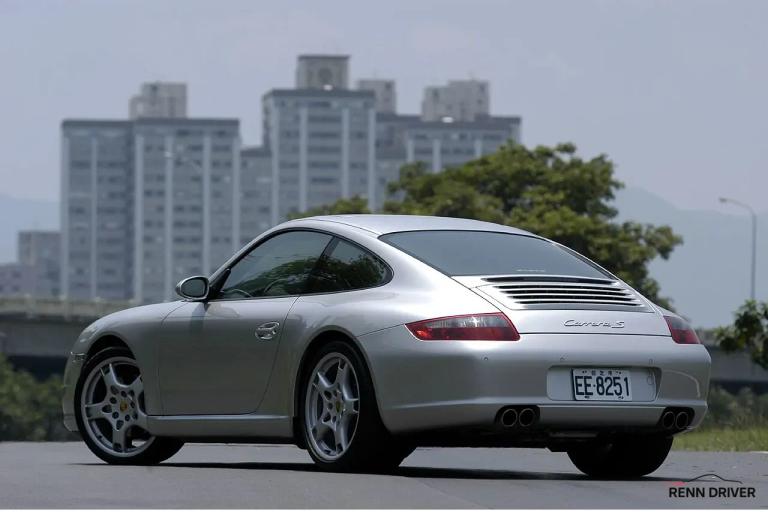
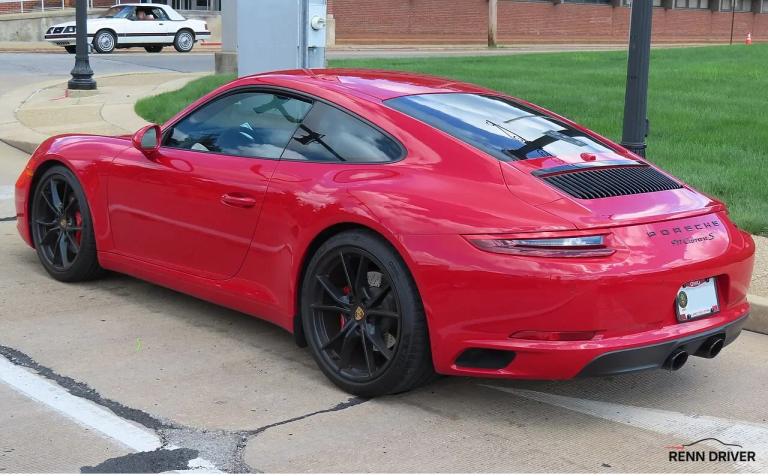
Images: Porsche 911 Carrera S (997, 2008) by Charles from Port Chester, New York, CC BY 2.0. 991 Carrera 4S by David Villarreal Fernandez, CC BY-SA 2.0. 996 coupe by Thomas doerfer, CC BY-SA 3.0. Via Wikimedia Commons.