Quick Answer: TechArt is an independent German Porsche specialist. A TechArt Porsche 911 can have wheels and interior trim, or a full GTstreet conversion. That can include bodywork, aero pieces, suspension tuning, and more power. It is still a Porsche underneath, so keep paperwork for both the original car and the conversion.
In this article, we’ll explain TechArt Porsche 911s, from a subtle upgrade to a full GTstreet build. We’ll cover what TechArt changes, the GTstreet line, and what to check before buying.
Contents
Quick Summary
- What it is: an independent German Porsche specialist, not Porsche itself.
- Scope: parts range from wheels and exhaust systems to full body and interior conversions.
- Signature 911: GTstreet is the hard-edged, limited-production end of the TechArt range.
- Legal identity: a converted car normally remains a Porsche, so its VIN and base-car records still lead the story.
- Best reason to buy: you want the look and setup, not just a badge.
- Buying rule: invoices, parts numbers, and fit quality are more useful than seller claims.
What TechArt Is
TechArt is a German company focused on Porsche. It has been working with the brand since 1987, according to its official site. The company sells parts and complete conversions for several Porsche lines, but the 911 is where its visual language lands hardest.
A standard 911 is already a very finished car. TechArt’s job is not to turn it into something unrecognizable. It gives buyers a way to push the stance, cabin, sound, and chassis in a direction that Porsche may not offer from the factory.
That can mean a new front spoiler, side skirts, wheels, a rear wing, springs, exhaust parts, or cabin upholstery. It can also mean a coordinated conversion installed through a TechArt dealer. The difference is worth knowing before you shop.
What Changes on a TechArt 911
Aero, Wheels, and Cabin Work
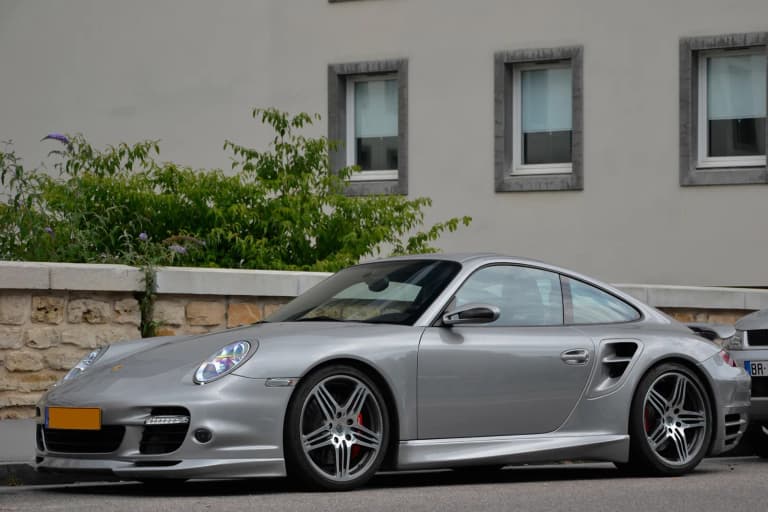
The most visible changes are usually aerodynamic. A front spoiler can alter the nose. Side skirts lower the visual line, while a rear wing or diffuser changes the tail. On a properly specified car, the pieces should look like one design rather than a pile of add-ons.
Wheels change the car fast, and TechArt has long made its own wheel designs. Fitment still needs attention. Ask for the exact wheel size, tire specification, and any suspension work. A 911 that rubs tires or rides poorly is not improved because it has a recognizable logo on the center cap.
Inside, TechArt can rework leather, Alcantara, trim, steering wheels, and details such as colored stitching. That is personal taste territory. Good work looks deliberate and wears well. Poor work can make resale harder, especially when the color choice fights the rest of the car.
TechArt also offers performance parts for selected cars. Do not assume every modified 911 has the same output. The base car, engine package, exhaust, and market all change the answer. The original invoice is the useful document here.
GTstreet and the Wild Side
From 997 GTstreet RS to Newer Cars
GTstreet is the name to know if you want TechArt at full volume. These cars start with a 911 Turbo and add more dramatic bodywork, chassis work, and performance upgrades. The result is not meant to disappear into traffic.
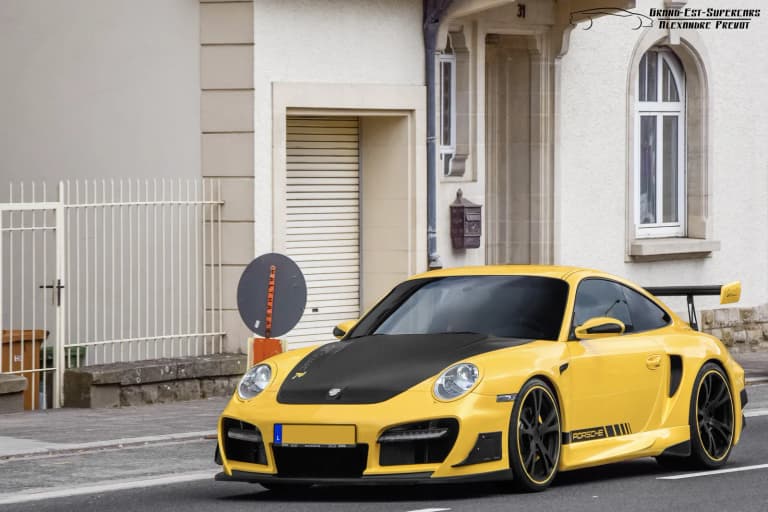
The 997-era GTstreet RS made that approach clear. It had a wide body, deep front treatment, prominent rear aero, and a much more aggressive stance than the Porsche it started from. The white car below shows how much the bodywork changes the shape without hiding its 911 roots.

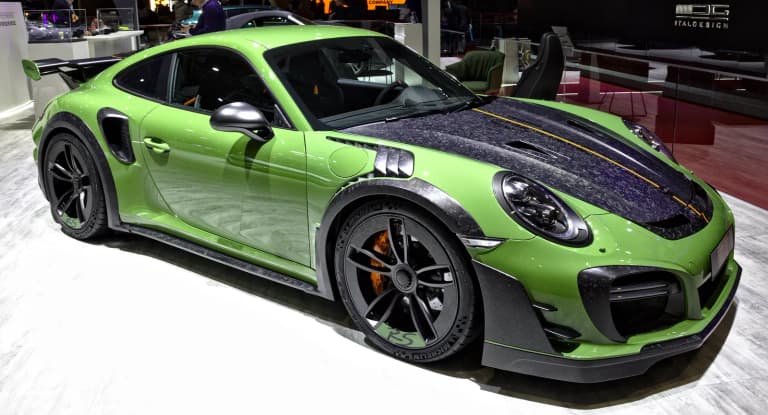
Later GTstreet cars followed the same idea on newer Turbo generations. The current TechArt range includes limited GTstreet projects alongside more restrained aero and interior parts. Treat every GTstreet as an individual car. Names repeat, but specifications can vary by generation and original order.
Porsche Identity and TechArt Conversions
TechArt is independent from Porsche. That separates it from a manufacturer such as RUF, which builds cars with its own vehicle identity.
That tells you where to start your checks. Confirm the Porsche’s model year, options, accident history, and service records first. Then confirm the TechArt work with invoices, dealer records, parts numbers, and clear photos from before and after the conversion.
The same logic applies to insurance and resale. A documented, professionally installed conversion gives an insurer and the next buyer something concrete to evaluate. A car wearing aftermarket parts without paperwork is a different proposition.
Choosing a TechArt 911
Choose a light conversion if you like the wheels, exhaust sound, or cabin details but want a car that remains close to factory specification. This is the easiest route if you plan to use the car often.
Choose a full aero car if the visual change is the whole point. Look for clean fit around bumpers, ducts, and side skirts. Those details reveal more than a photo taken from twenty feet away.
Choose a GTstreet if you want the most committed version. It will attract attention and can be hard to replace like for like. Buy the specific car, its condition, and its paperwork rather than buying the name alone.
For a different take on Porsche tuning, see our Gemballa Porsche guide. Gemballa and TechArt both work from Porsche bases, but their design choices have always taken different paths.
Buying a TechArt 911
Start with the VIN and base car
Run the VIN and make sure the car is what the seller says it is. That confirms the original Porsche model and equipment. Our Porsche VIN decoder guide explains the basics. Then read the service records like you would on any used 911.
Ask for the conversion file
Ask for the TechArt invoice, installation paperwork, parts numbers, and any tuning documentation. Look for the workshop that fitted the parts. A conversion done through a known specialist is easier to assess than an undocumented build.
Inspect the details
Check panel gaps, paint match, underbody fasteners, wheel clearance, and the operation of active aero if fitted. A Porsche specialist can inspect the normal 911 mechanicals. A body shop familiar with modified cars can help judge the finish work.
Sort insurance before the purchase
Tell the insurer exactly what has changed. Do that before you transfer money, not after. Modified parts can affect agreed value, coverage, and the replacement path after a claim.
Frequently Asked Questions
What is a TechArt Porsche 911?
A TechArt Porsche 911 is a Porsche modified by German specialist TechArt. The work can range from wheels and cabin trim to a full GTstreet conversion with bodywork, suspension, and engine upgrades.
Is TechArt part of Porsche?
No, TechArt is not part of Porsche. It is an independent company that modifies Porsche cars, so check the exact car’s VIN and conversion paperwork before you buy.
What is the TechArt GTstreet?
GTstreet is TechArt’s most extreme 911 line. It combines wide bodywork, aero parts, chassis changes, and power upgrades on a Porsche 911 Turbo base.
Does TechArt make a Porsche 911 faster?
Yes, TechArt can make a Porsche 911 faster with power upgrades for selected models, but the result depends on the base car and package. Verify the exact conversion paperwork rather than relying on badges or appearance.
What should I check before buying a TechArt 911?
Before buying a TechArt 911, check the VIN, base-car service history, TechArt invoices, parts numbers, and insurer acceptance. A pre-purchase inspection should cover both the Porsche and the conversion work.
Images: Porsche 911 Turbo TechArt by Alexandre Prévot, CC BY-SA 2.0. Porsche 997 TechArt GT Street R by Alexandre Prévot, CC BY-SA 2.0. Techart 997 GTStreet RS by Francisco Manzano, CC BY 2.0. Techart GT Street RS by Alexander Migl, CC BY-SA 4.0. Via Wikimedia Commons.