Contents
What Makes Bangkok a Car City?
Bangkok is a city of 11 million people with an extensive expressway network, chronic traffic congestion, and a deep obsession with cars. The city runs on a mix of modified pickups, imported JDM builds, European luxury sedans, and a surprisingly concentrated supercar population.
The car scene here is shaped by two forces that pull in opposite directions. Thailand's automotive industry is the largest in Southeast Asia and the 10th largest globally, which means parts, workshops, and aftermarket support are everywhere. At the same time, import duties on foreign cars can exceed 200%, which makes every imported Porsche, Lamborghini, or GT-R a serious financial commitment. That combination creates a community where car owners are genuinely invested in what they drive.
The Supercar and Luxury Scene
Bangkok's supercar density is high for a city where a base Porsche 911 Carrera costs roughly three times its US sticker price. Despite the taxes, you will see Lamborghinis, Ferraris, McLarens, and GT-Rs parked at shopping malls and cruising the expressways on any given evening.
The luxury car community is relatively small compared to cities like Dubai or Tokyo, but that makes it tighter. Owners know each other. Club runs, private dinners, and group track days happen regularly. The high cost of entry means most owners are serious enthusiasts rather than casual buyers.
Where to Spot Cars in Bangkok
The best places to see interesting cars in Bangkok are the luxury malls. Siam Paragon has a dedicated supercar parking area on the ground floor where Lamborghinis, Ferraris, and Porsches line up on weekends. EmQuartier has a similar supercar zone at street level that draws crowds in the evenings.
IconSiam on the Chao Phraya River has become another hotspot. The open parking area near the entrance regularly fills with high end cars on Friday and Saturday nights.
Beyond the malls, Bangkok's expressways are where the car scene comes alive after dark. The Sirat Expressway and Chalong Rat Expressway carry a mix of modified Civics, GT-Rs, and the occasional Porsche 911 Turbo running late at night. This is not organized racing, but it is a real part of the culture that anyone spending time in Bangkok will eventually hear about.
Car Meets and Events
Bangkok has weekly and monthly car meets throughout the year. Rising Sunday is a regular morning meet that brings out everything from air cooled Porsches to widebody Lamborghinis. Only Octane runs monthly at rotating venues and draws a mix of supercars, classics, and modified builds.
The major annual events include the Bangkok International Motor Show (March to April), Bangkok Auto Salon (June to July), and the Thailand International Motor Expo (December). These are not small shows. The Motor Show alone draws over a million visitors across its 12 day run at IMPACT Muang Thong Thani.
For the full calendar, check the Thailand car events directory.
Track Days Near Bangkok
Bangkok is within driving distance of four racetracks. Bira International Circuit near Pattaya is about 90 minutes southeast and runs regular track days on its 2.41 km FIA certified layout. Thailand Circuit in Nakhon Pathom is roughly an hour west of the city.
Kaeng Krachan Circuit in Phetchaburi offers 2.9 km of elevation changes about two hours south, and Chang International Circuit in Buriram is the big one at 4.554 km, though it is a full day's drive away.
For straight line speed, Bangkok Drag Avenue in Lat Krabang is the closest option to central Bangkok. Drag nights draw everything from turbo Civics to built GT-Rs.
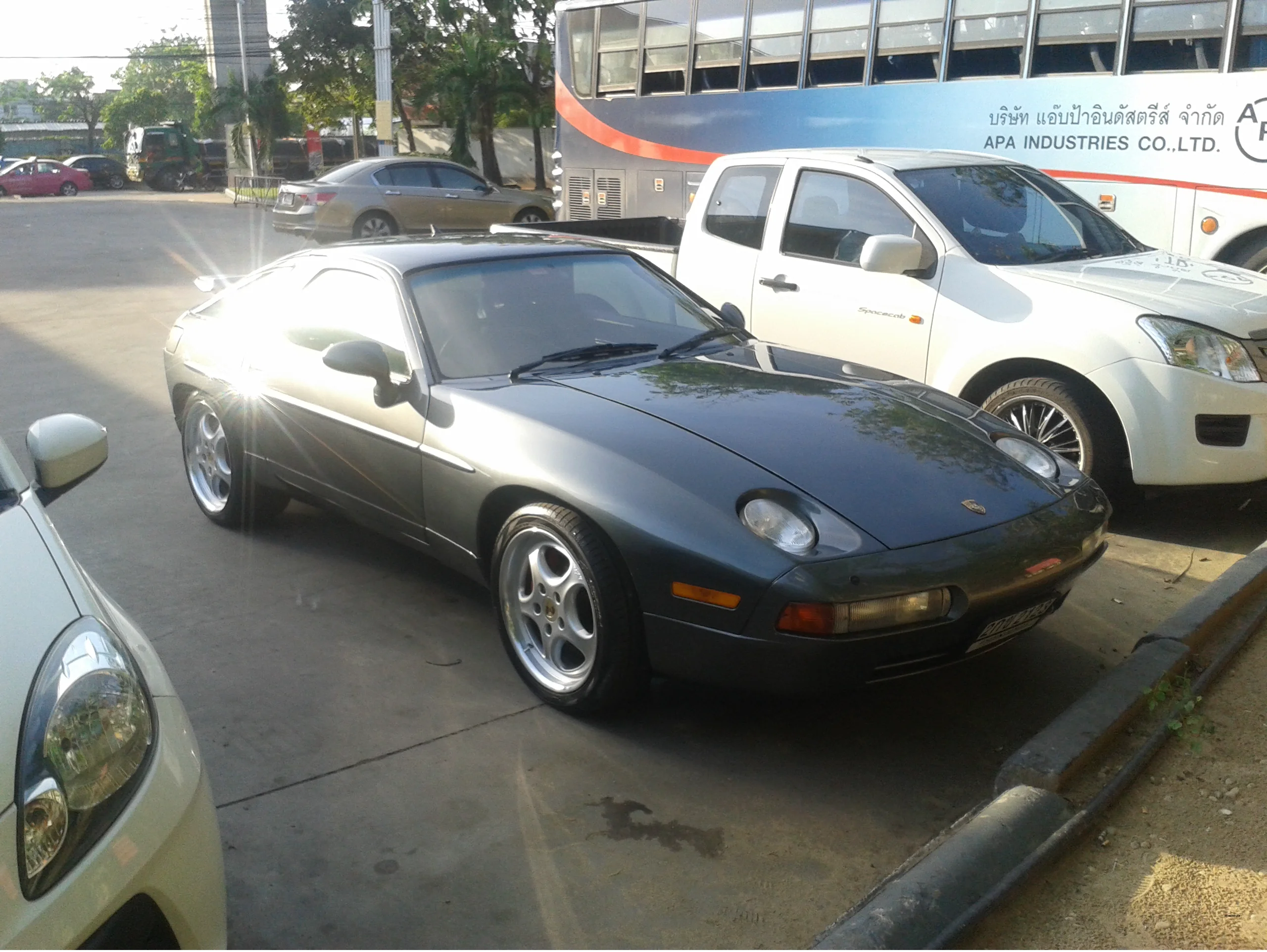
The Modification and JDM Scene
Thailand's modification culture runs deep. Bangkok has entire districts dedicated to aftermarket parts and custom work. The Honda Civic is the backbone of the tuning scene, with B series and K series swapped cars showing up at every track day and drag meet.
Japanese Domestic Market culture is strong here. Nissan Silvias, Toyota Supras, and Mazda RX-7s have dedicated communities. Liberty Walk and Rocket Bunny widebody kits are popular on both Japanese and European platforms. You will see widebody 964s and 993s at meets alongside SR20 swapped S-chassis builds.
The pickup truck scene is uniquely Thai. Isuzu D-Max and Toyota Hilux trucks with competition sound systems, lowered suspensions, and custom paint dominate certain meets. Sound competition events draw massive crowds in the provinces, and the culture spills into Bangkok regularly.
Porsche Culture in Bangkok
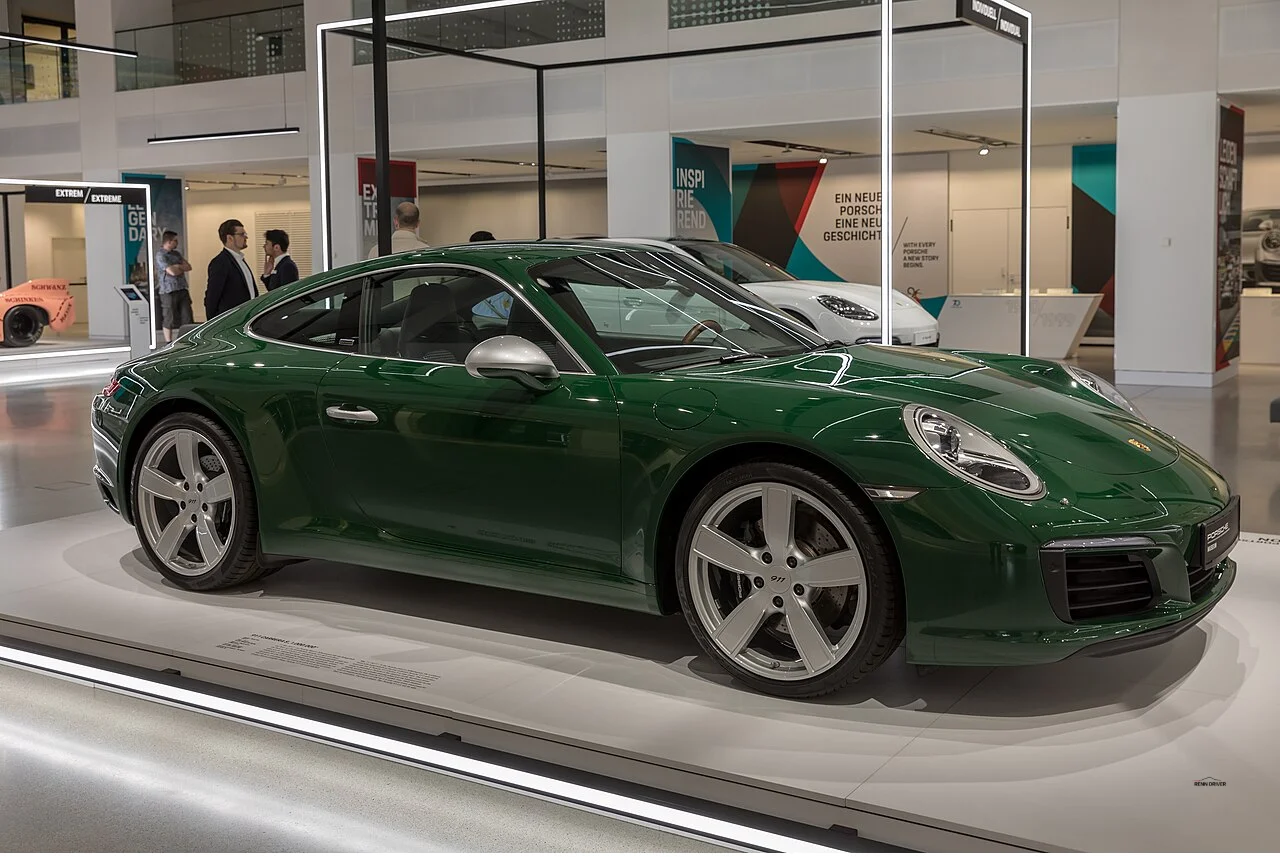
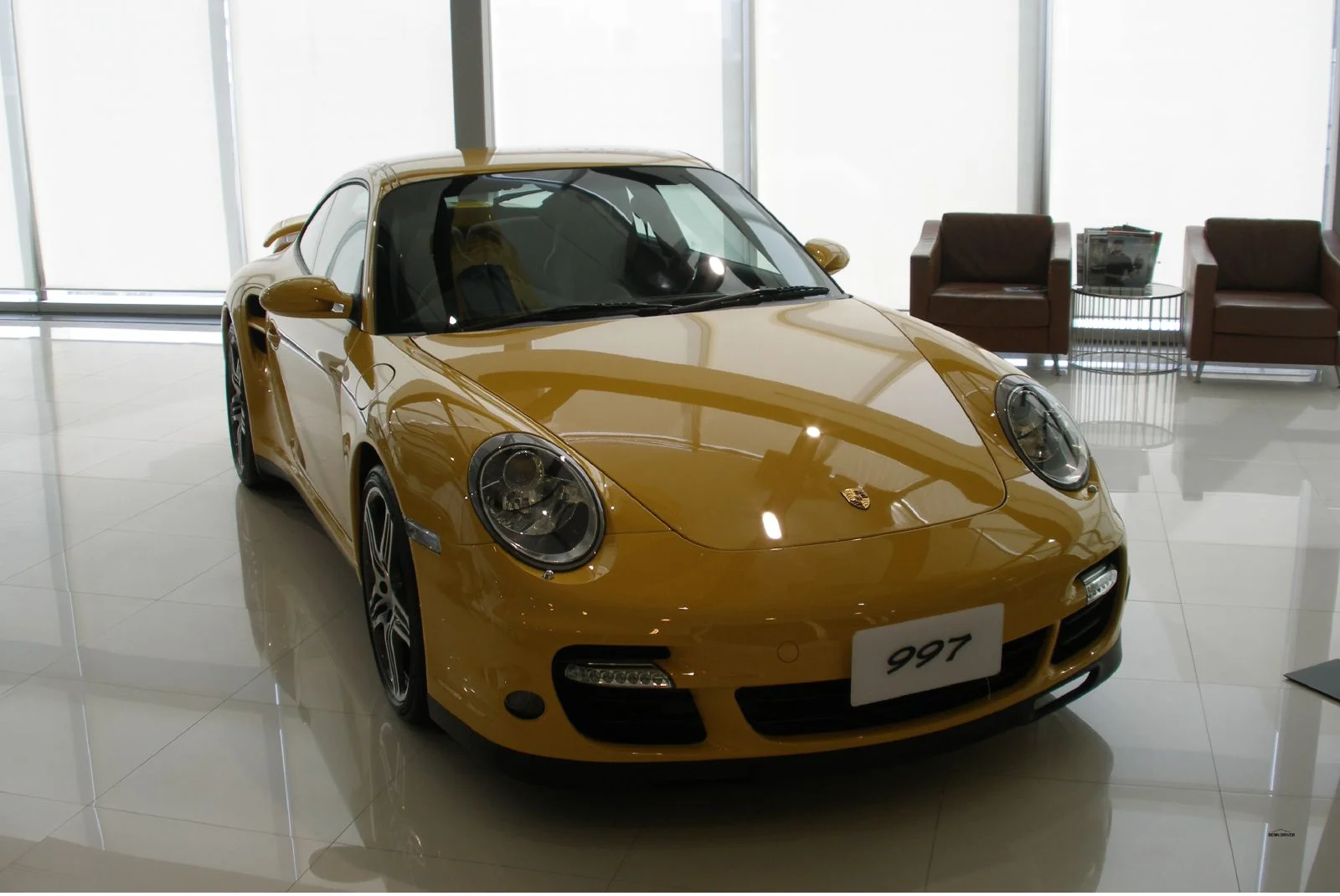
Porsche has a dedicated following in Bangkok despite prices that start around 7 million baht (roughly $200,000 USD) for a base 911. AAS Auto Service, the official Porsche dealer, operates showrooms in Bangkok and handles both sales and servicing. Independent Porsche specialists offer alternatives at lower prices.
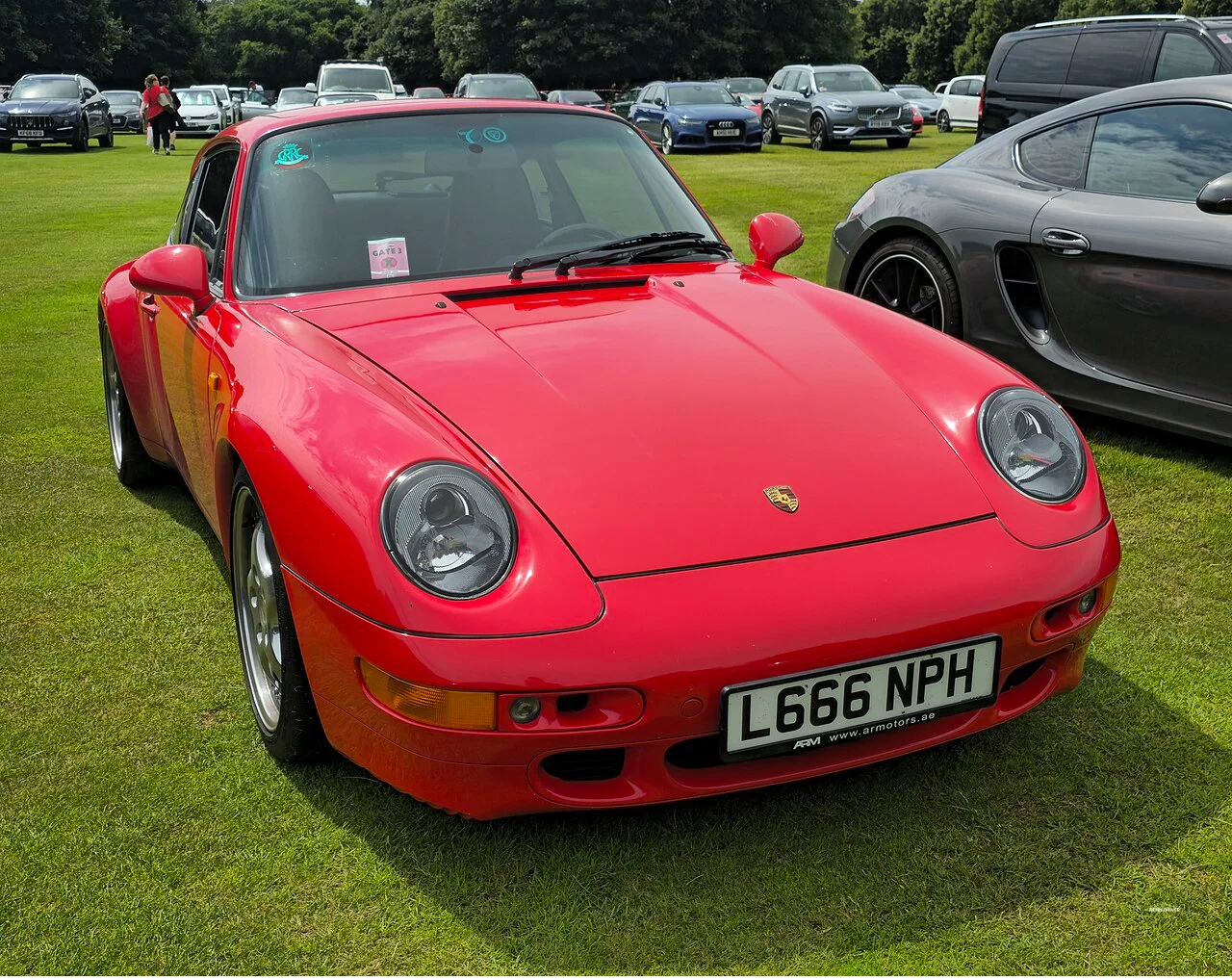
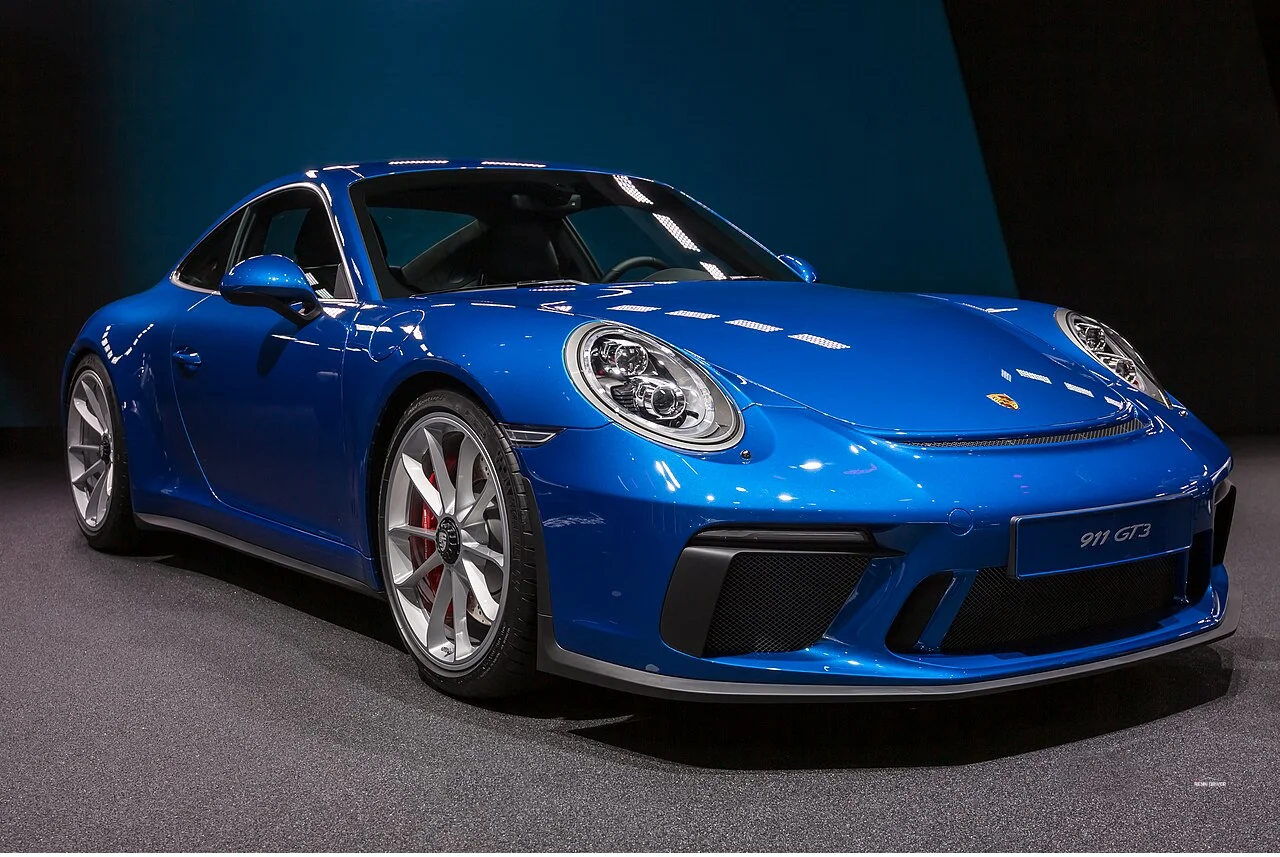
The Porsche Club Thailand organizes regular drives, track days, and social events. Air cooled 911s have a small but passionate following, and you will occasionally spot a classic long hood at morning meets alongside current generation 992 GT3s.
Cafes like Curvistan Bangkok and Das Haus BKK have become gathering points for the Porsche community. These spots host casual weekend meets where owners park up, grab coffee, and talk cars. For a deeper look at the national scene, see our Thailand car culture guide.
How Import Taxes Shape the Scene
Thailand levies an 80% tariff on cars imported from outside ASEAN, on top of excise taxes that vary by engine size and CO2 emissions. A passenger car can face a combined tax burden exceeding 200% of its factory price. The excise tax structure, updated in 2016, charges as little as 3% on pickup trucks but 30% to 40% on passenger cars.
This tax structure explains why pickup trucks hold over 50% of the Thai market and why every imported sports car on the road represents a significant investment. It also explains the thriving modification scene. When a new car is expensive, owners put real money into maintaining, upgrading, and personalizing what they have. For more on the numbers, see the Thailand car tax breakdown.
Renn Driver's Take
I have not driven this car yet. When I do, this section will have my honest take on what it is actually like to live with and drive.
FAQ
Is Bangkok good for car enthusiasts?
Bangkok has weekly car meets, multiple nearby racetracks, a dense supercar population, and a deep modification culture. The combination of high import taxes and strong automotive industry support creates a scene that is both exclusive and hands on.
Where can I see supercars in Bangkok?
Siam Paragon, EmQuartier, and IconSiam all have designated supercar parking areas. Weekend evenings are the best time to visit. Regular car meets like Rising Sunday and Only Octane also draw supercars.
Are there track days near Bangkok?
Bira International Circuit (90 minutes from Bangkok) and Thailand Circuit (1 hour west) both run regular track days. Kaeng Krachan Circuit is about two hours south and offers the most elevation change of any Thai circuit.
Why are cars so expensive in Thailand?
Thailand charges an 80% import tariff on cars from outside ASEAN plus excise taxes of 30% to 40% on passenger vehicles. A Porsche 911 that costs $115,000 in the US starts around $200,000 in Thailand.
Is there a Porsche community in Bangkok?
Porsche Club Thailand is active with regular drives, track days, and social events. Cafes like Curvistan Bangkok and Das Haus BKK serve as informal gathering points. The community is small but tight knit.
Images by: Vyacheslav Argenberg, CC BY 2.0; M.rJirapat, CC BY-SA 4.0, via Wikimedia Commons